

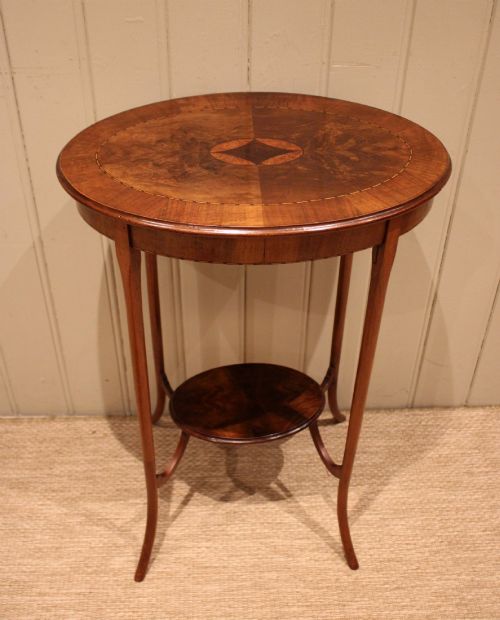
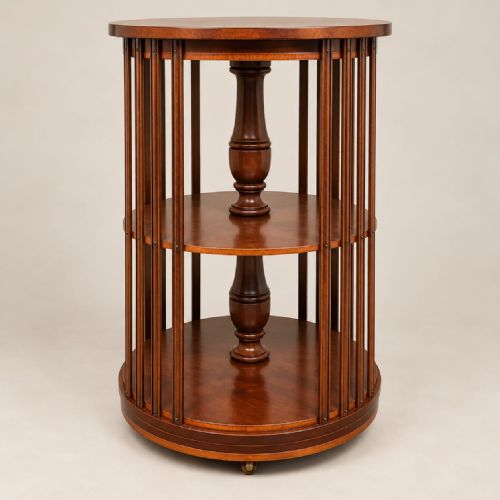
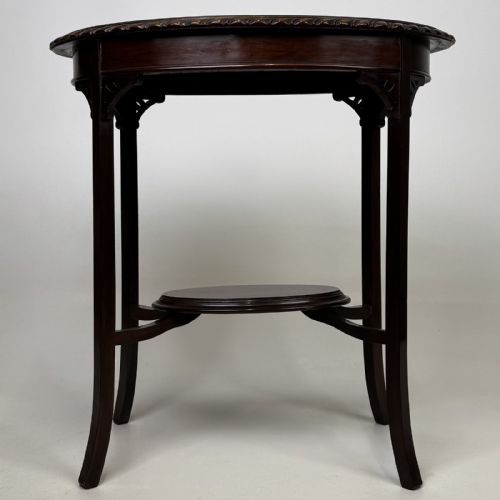
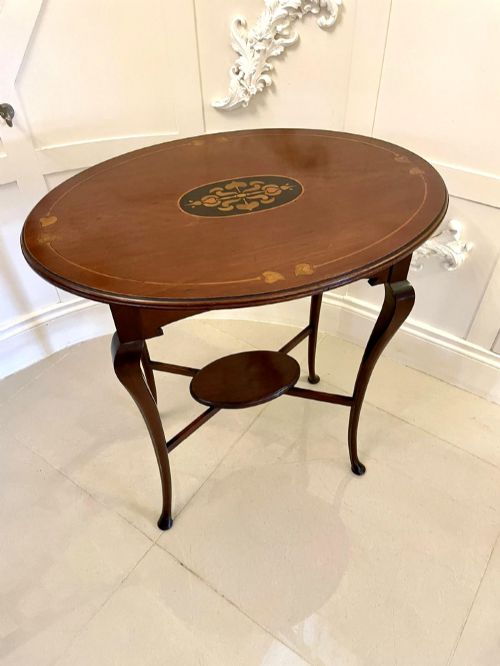
Mahogany Tiered Side Table
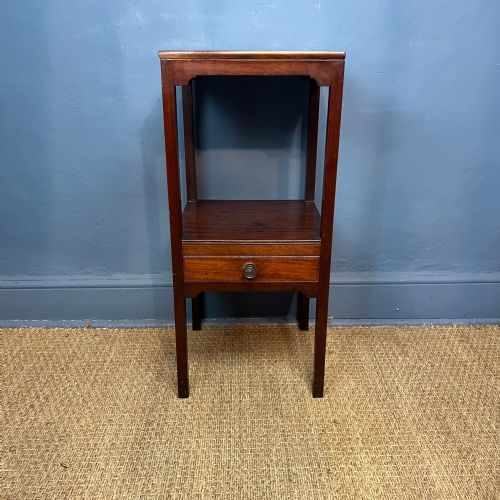
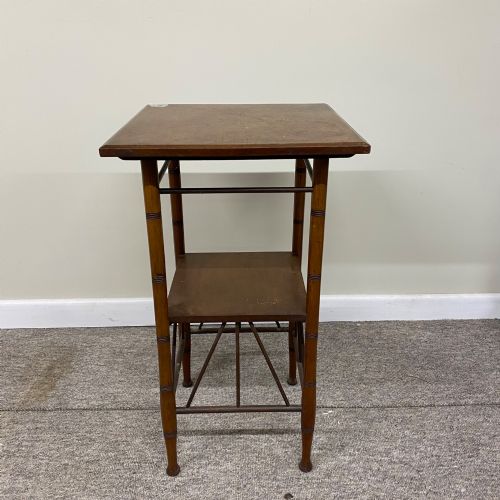
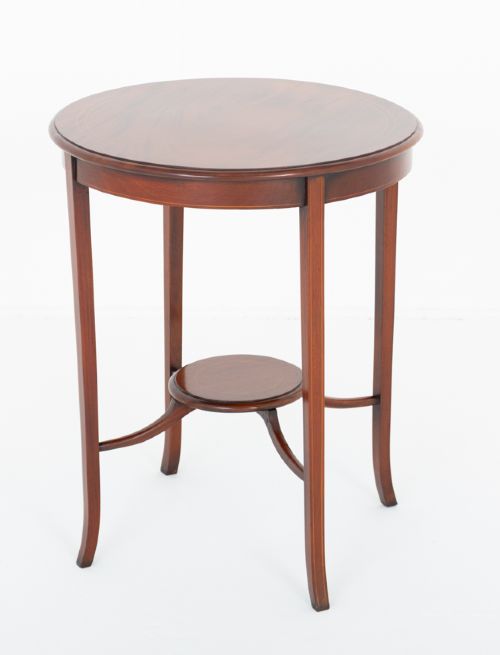
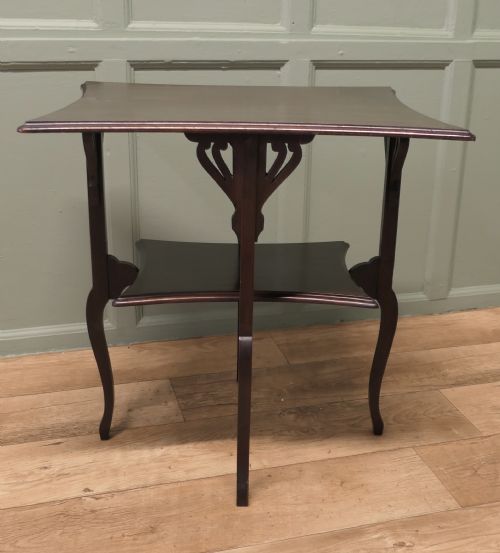
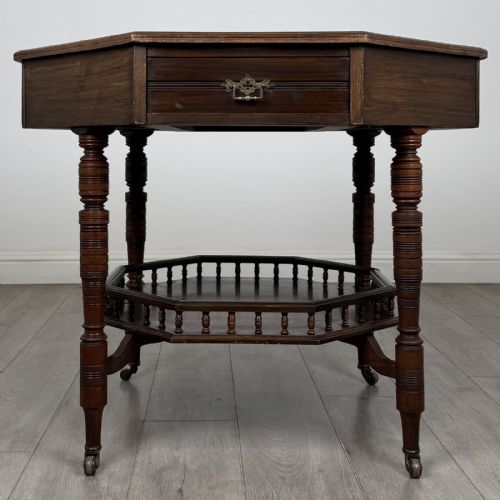
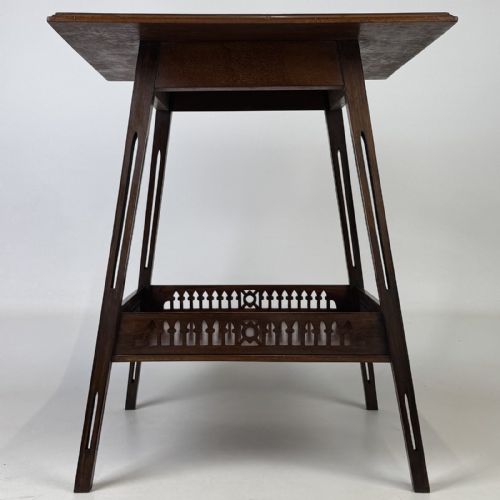
These mahogany tiered side table pieces offer multi-level surfaces for holding objects, drawing on Georgian, Regency, and Edwardian designs.
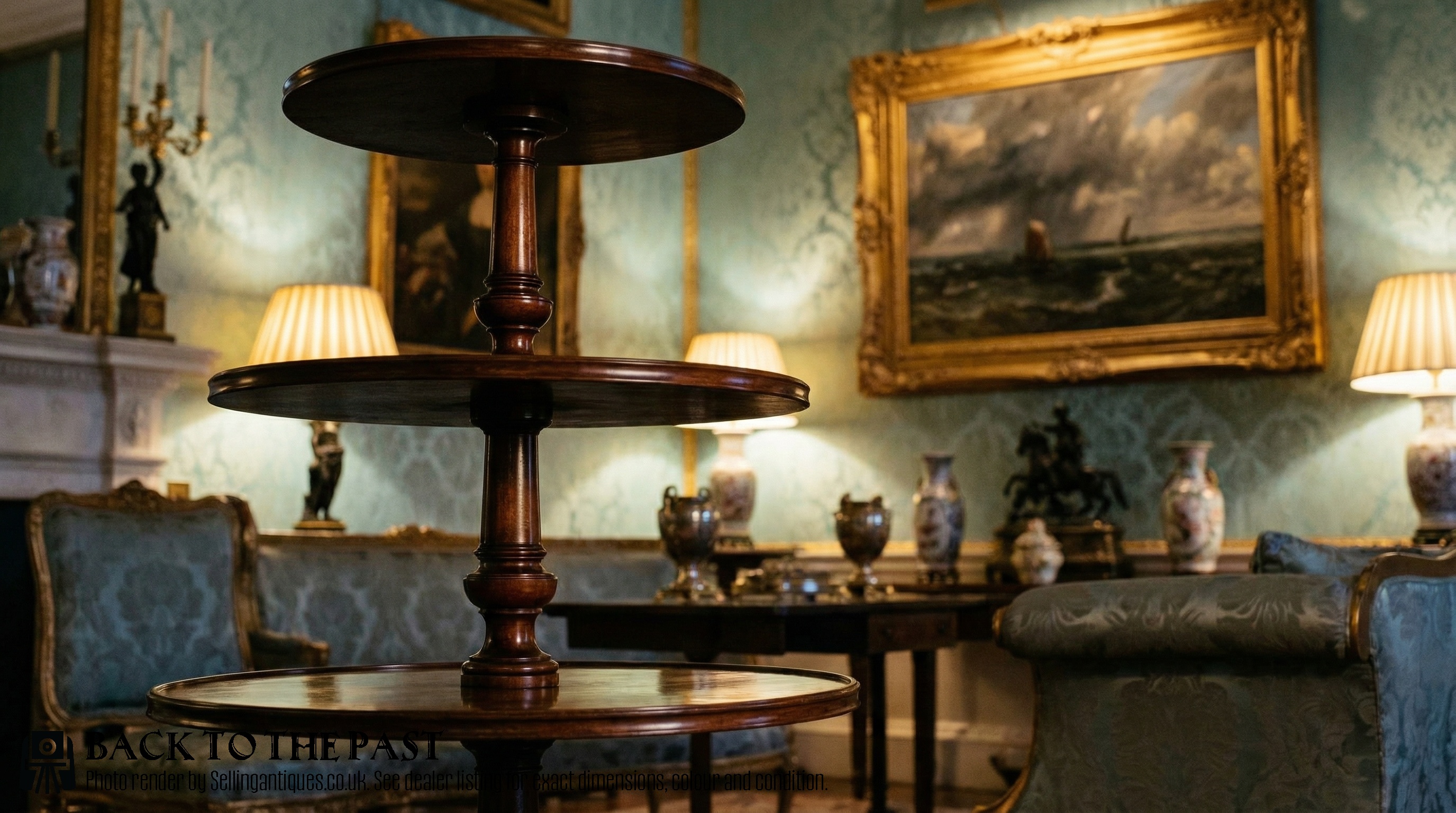
Mahogany Tiered Side Table
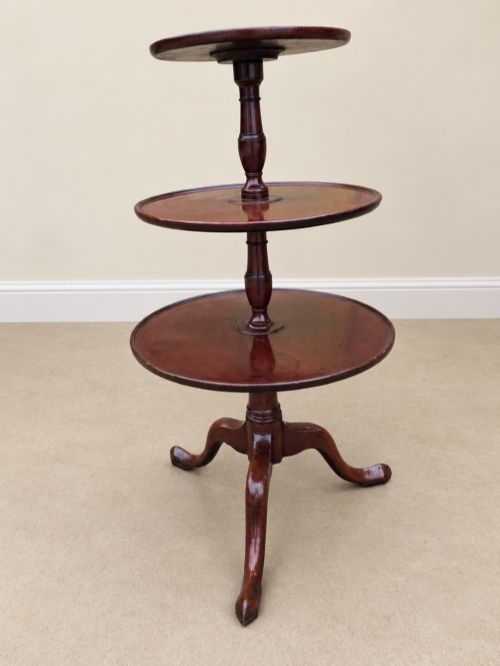
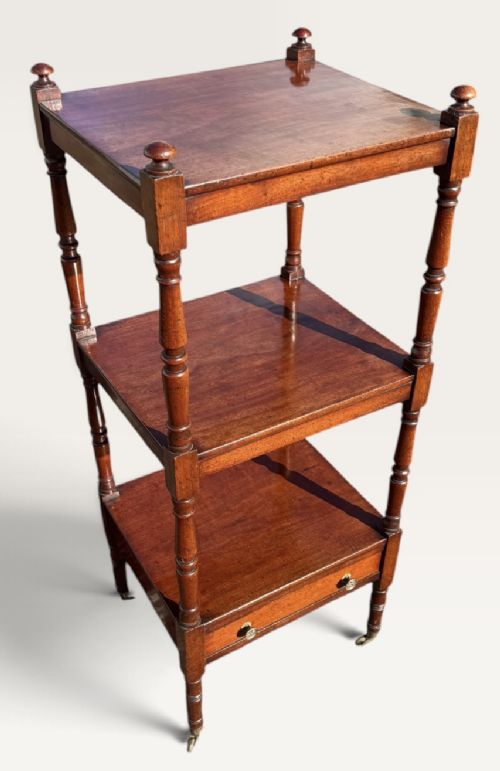
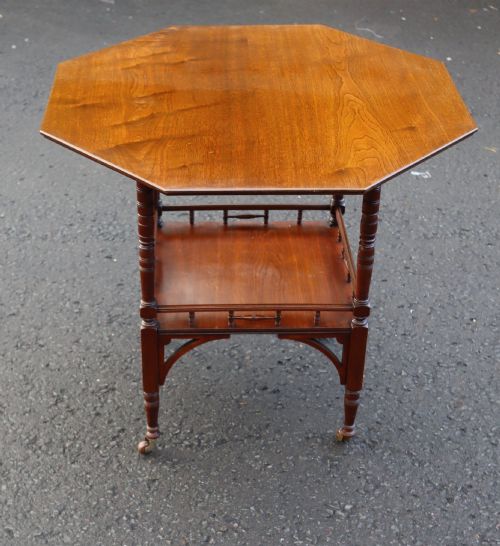
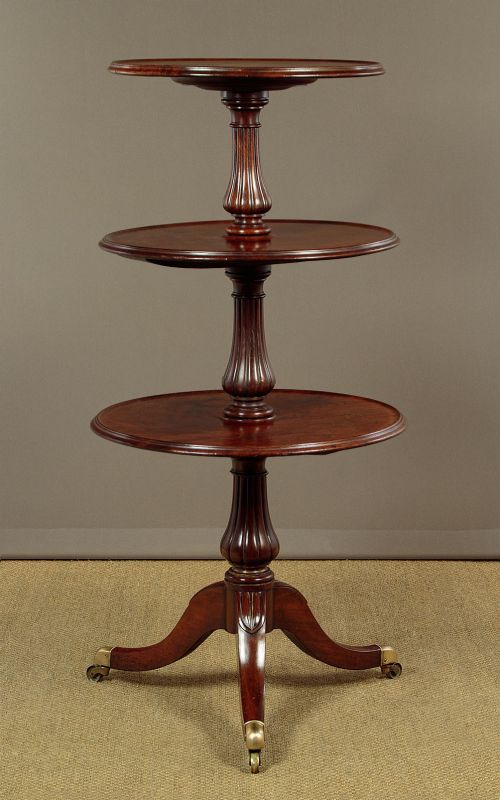
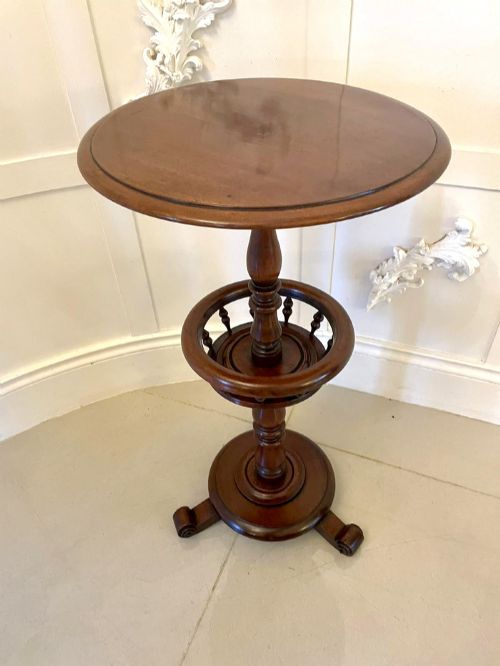
A mahogany tiered side table brings multiple levels of surface area to a room, functioning as a dumb waiter, etagere, whatnot, or bedside stand. You encounter forms ranging from simple two-tier occasional pieces to complex three-tier buffets and revolving bookcases.
The pieces span several distinct eras, with examples originating from the Georgian, Regency, Victorian, and Edwardian periods. Makers of these multi-tiered tables adapted the height and shelf count to suit changing domestic needs for serving, reading, and display.
Earlier iterations often take the form of tripod etageres or dumb waiters from the eighteenth century, whilst later Victorian and Edwardian examples lean towards occasional tables, lamp stands, and tea trolleys. Each variation provides practical tiers connected by turned supports, pillars, or barley twists.
Materials and Construction
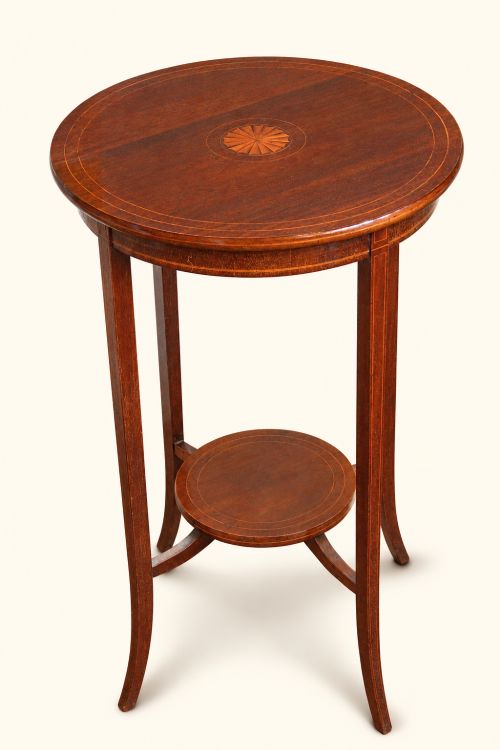
Makers relied principally upon solid mahogany and mahogany veneers for the main structural elements, utilising the timber's stable nature and rich grain. This primary wood frequently receives enrichment from contrasting inlays of boxwood or satinwood along the edges and shelves.
Metal fittings play a functional and decorative role, incorporating brass for castors, gallery rails, and handles, alongside occasional ormolu mounts. Structural joins and tier supports demonstrate traditional cabinet-making techniques, connecting shaped shelves to central columns or upright corner posts.
Mahogany Tiered Side Table Retail Price Guide 2026
Typical asking prices for mahogany tiered side table among the pieces listed under this phrase on Sellingantiques today, from the lower quarter to the upper quarter. They describe what is for sale here now, not the wider market.
Assessing Quality
Quality reveals itself in the selection of the mahogany timber and the precision of the veneer work on the tiers. Superior pieces display carefully matched grain patterns across each shelf, accompanied by crisp boxwood or satinwood inlay rather than painted imitation.
The rigidity of the tiered structure and the finish of the turned supports dictate the standard of craftsmanship. Better examples maintain absolute stability across every level, utilising solid brass hardware and robust joints that withstand daily use without wobble.
Gregory And Co
The Mahogany Tiered Side Table Glossary
- Whatnot
- A piece of furniture consisting of several open shelves for displaying books or ornaments. It usually stands against a wall or in a corner.
- Dumb Waiter
- A tiered piece of furniture, often revolving or graduated in size, used for holding food and tableware during meals without servants present.
- Étagère
- A set of open shelves for displaying small objects, similar in function to a whatnot but frequently lighter in construction.
- Barley Twist
- A turning style resembling a twisted rope, commonly found on the vertical supports of Victorian stands and tables.
- Ormolu
- Gilded bronze used for decorative mounts and accents on high-status furniture, particularly pieces influenced by French design.
Mahogany Tiered Side Table: Frequently Asked Questions
What is a tiered side table used for?
These tables provide multiple levels of surface space for lamps, books, drinks, or decorative objects within a living space or bedroom.
Historically, specific variations like dumb waiters and etageres served dining rooms and parlours, while smaller versions acted as bedside stands.
How do I date a mahogany tiered table?
Dating relies on observing structural characteristics, timber grain, and decorative motifs associated with periods like Georgian, Regency, or Edwardian.
Earlier pieces from the eighteenth century often feature tripod bases and heavier joinery, whereas Edwardian examples frequently incorporate lighter inlays and satinwood details.
Are tiered tables sturdy enough for daily use?
Most well-constructed antique multi-tiered tables offer reliable stability for everyday items such as lamps and books.
Heavier three-tier buffets and trolleys were built to carry substantial weight, though care should be taken when moving them loaded.
What is the difference between a whatnot and an etagere?
A whatnot generally refers to multi-shelf storage units used for books and ornaments, often with upright corner posts.
An etagere is typically lighter and more decorative, designed explicitly for display purposes in formal reception rooms.