






Antique Wooden Etagere
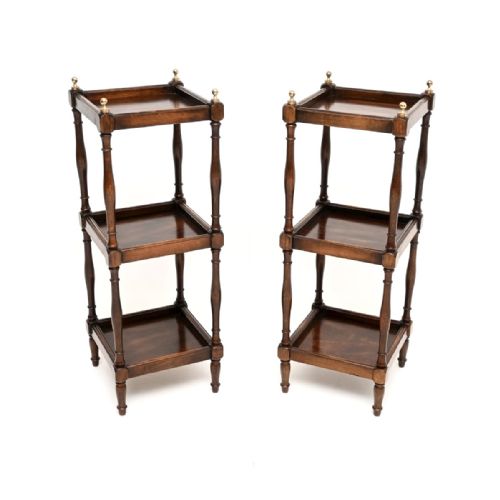
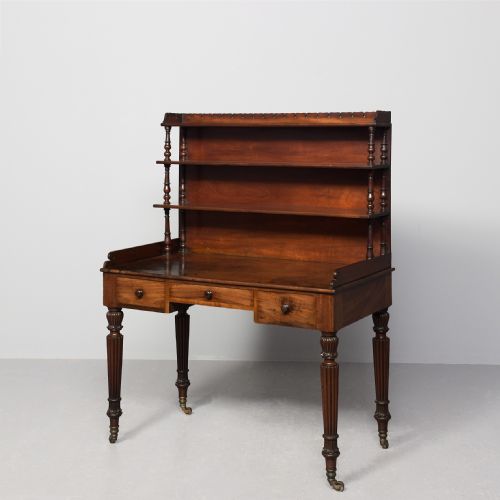
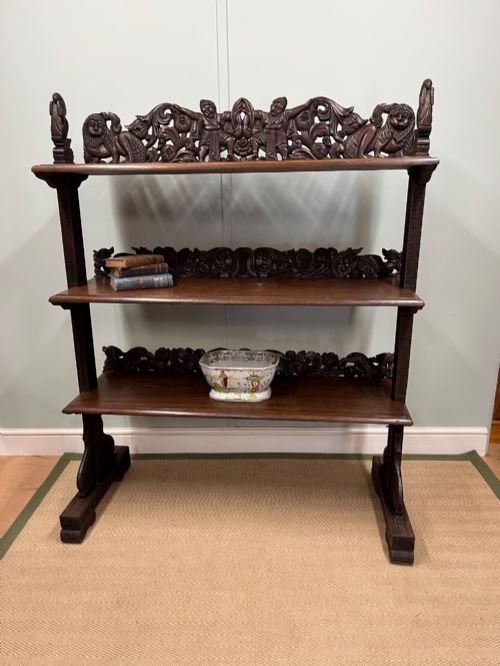
An antique wooden etagere provides tiered display space with lightness, bringing open shelving and refined timber work to a room.
Antique Wooden Etagere
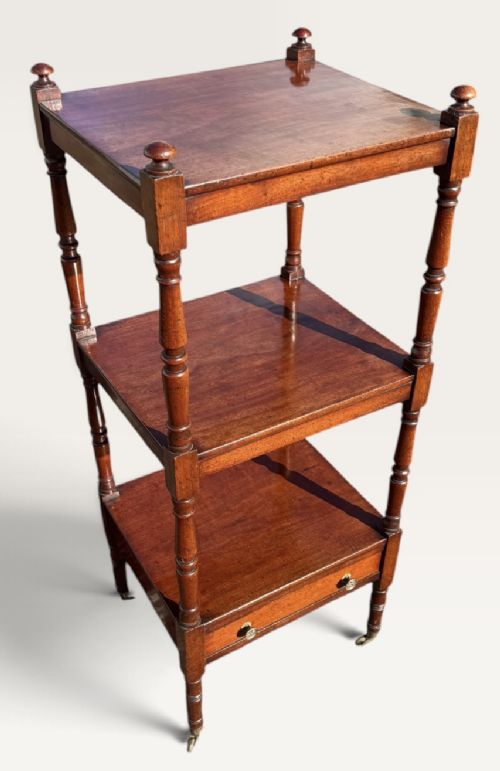
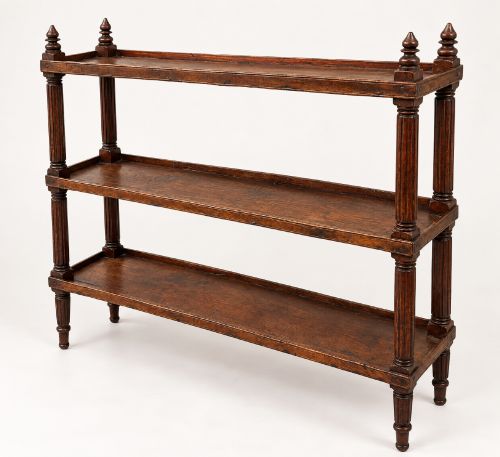
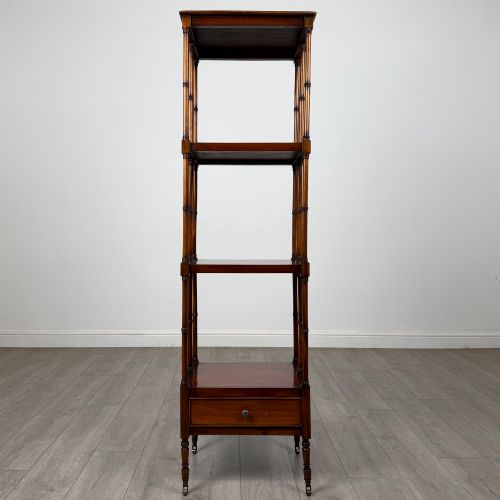
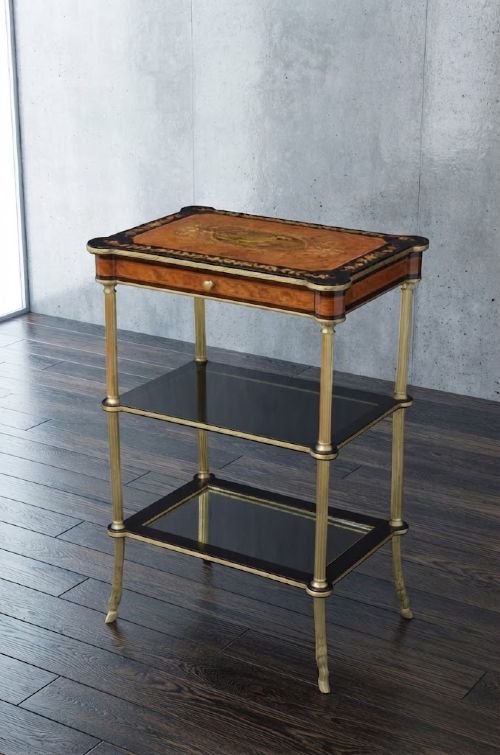
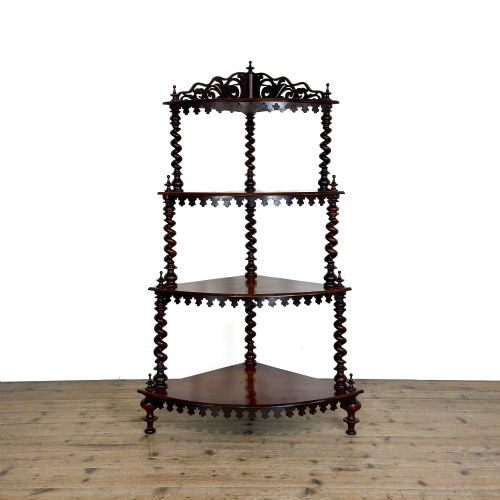
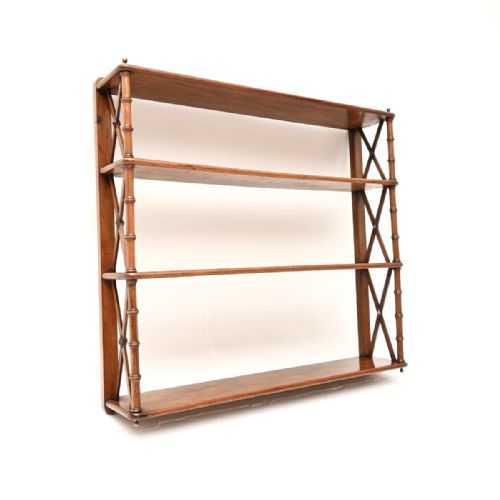
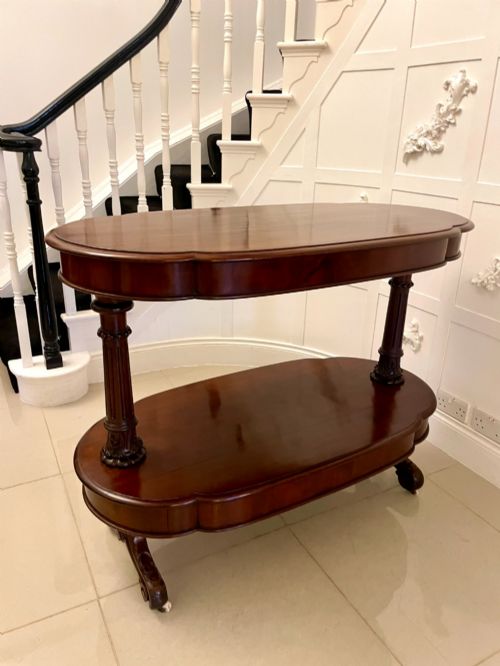
When you search for an antique wooden etagere, you encounter tiered display furniture that serves multiple rooms. These pieces appear in forms such as corner whatnots, wall shelves, freestanding etageres, and occasional tables.
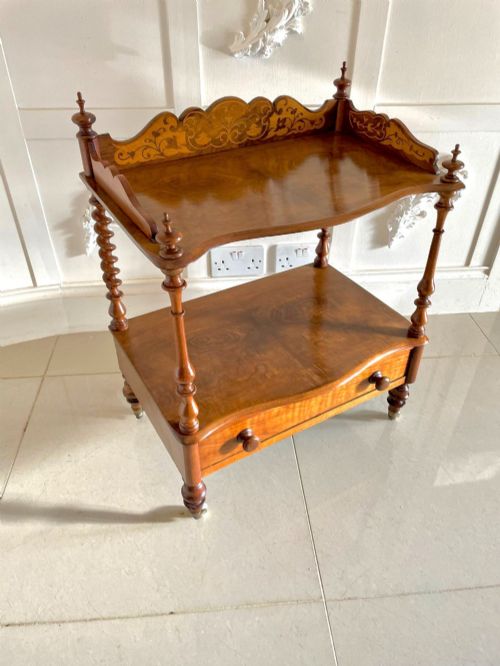
The selections span periods from the Georgian and Regency eras through the Victorian age and into the Edwardian period. Victorian burr walnut and mahogany versions dominate the selection.
Makers and designers also produced specialised variations like music stands, side cabinets, and jewellery cabinets with tiered shelving. Such pieces offer compact display options for ornaments and books.
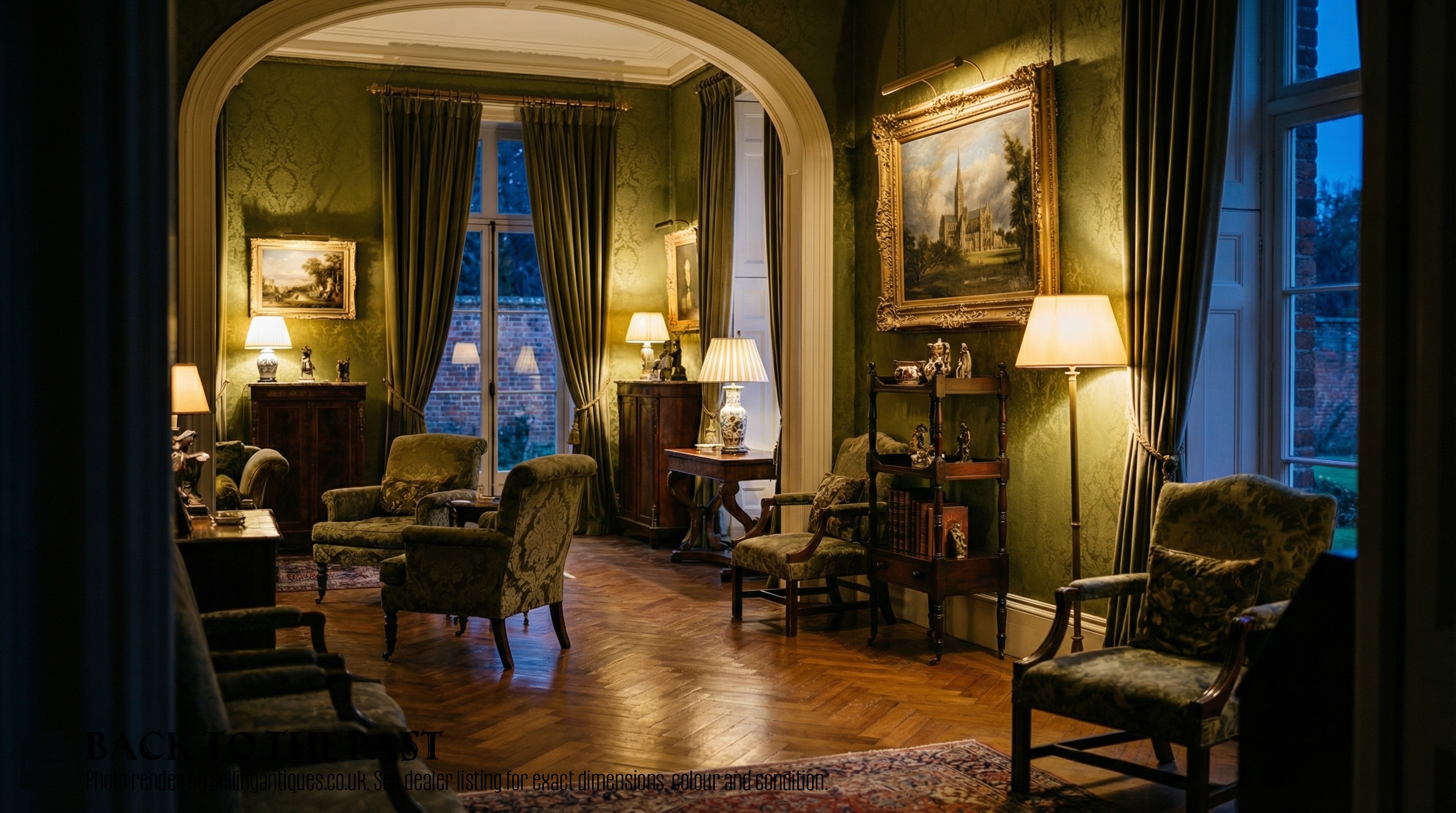
How they were made
Cabinet makers utilised dense hardwoods like mahogany, walnut, and burr walnut for structural strength and rich grain patterns. Secondary timbers such as oak and ebonised wood appear alongside veneers like birdseye maple and satin birch.
Joinery methods involved turned supports, carved columns, and inset shelves secured by brackets or back panels. Finer examples incorporate marquetry inlay, mirrored back panels, and single drawers beneath the lower tiers.
Antique Wooden Etagere Retail Price Guide 2026
Typical asking prices for wooden etagere among the pieces listed under this phrase on Sellingantiques today, from the lower quarter to the upper quarter. They describe what is for sale here now, not the wider market.
What varies in quality
The distinction between standard items and exhibition pieces lies in the selection of timber veneers and the intricacy of the carving. Burr walnut and figured mahogany with matched grain patterns elevate a piece above plain domestic versions.
Construction details also dictate standard. Finely turned uprights, balanced proportions across multiple tiers, and integrated elements like mirrors or brass fittings distinguish superior workshop output.
James Mein of Kelso·W. Turner Lord and Co
The Antique Wooden Etagere Glossary
- Etagere
- A piece of furniture consisting of a set of open shelves for displaying small objects or ornaments. It originates from France and provides vertical storage.
- Whatnot
- A traditional British term for an open tiered shelving unit used for books or ornaments. It shares similarities with the etagere.
- Burr Walnut
- A timber obtained from the warted growths on walnut trees, prized for its swirling, highly figured grain patterns. Cabinet makers utilised it for decorative veneer surfaces.
- Marquetry
- The art of applying pieces of veneer to a structure to form decorative patterns and pictures. Makers used various coloured woods to create floral or geometric designs.
- Ebonised Wood
- Timber treated with a dark stain or finish to imitate ebony. This technique provided a stark, formal contrast in Victorian and Georgian interiors.
Antique Wooden Etagere: Frequently Asked Questions
What is an etagere used for?
An etagere functions primarily as a display unit for ornaments, ceramics, and small books. Its open tiers allow objects to be viewed from multiple angles.
Historically, households placed them in drawing rooms and parlours to exhibit decorative items and collections. Today, they serve a similar decorative purpose in living spaces and hallways.
How do you tell a whatnot from an etagere?
The terms often overlap, though whatnot is traditionally the British designation for multi-tiered shelving units from the Georgian and Victorian periods. Etagere frequently denotes pieces with French stylistic influences.
Both forms provide open shelves supported by upright columns or turned legs. Structural layout and decorative embellishments offer the clearest indication of origin and period.
Where should you place an etagere?
Freestanding etageres suit corners or empty wall spaces where vertical display height adds balance to a room. Corner whatnots fit neatly into unused room angles.
Wall-mounted shelves require secure fixing to support timber weight and displayed items safely. Positioning them away from direct sunlight protects vulnerable walnut and mahogany veneers.
How do you care for antique wooden shelves?
Maintain timber surfaces by dusting with a dry, soft cloth regularly. Avoid harsh chemical cleaners that strip traditional polish and wax.
Apply a quality beeswax periodically to nourish the grain of mahogany and walnut. Keep wooden furniture away from direct heat sources to prevent timber splitting.