





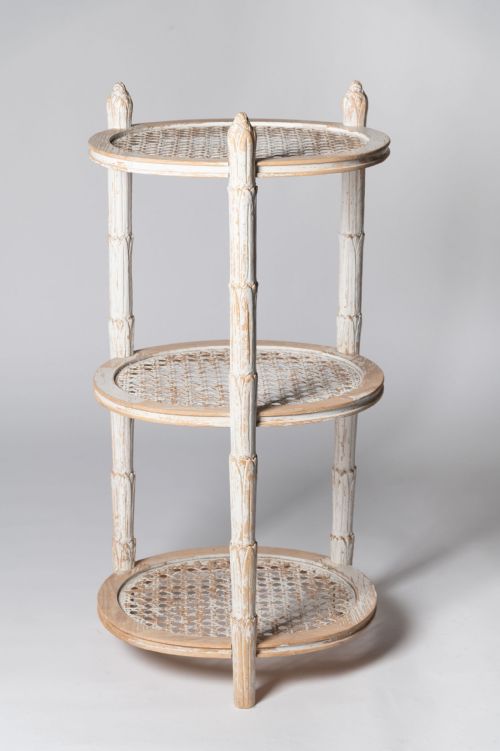

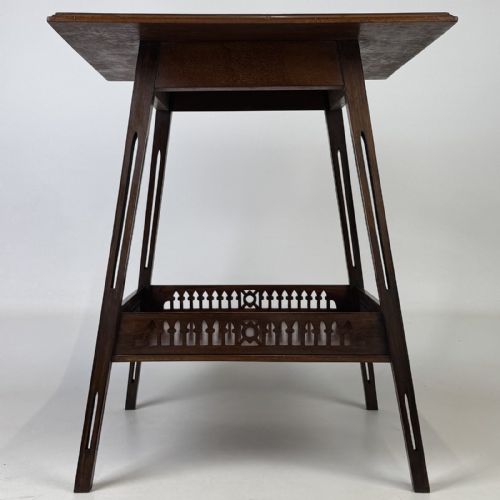

Tiered Display Shelves
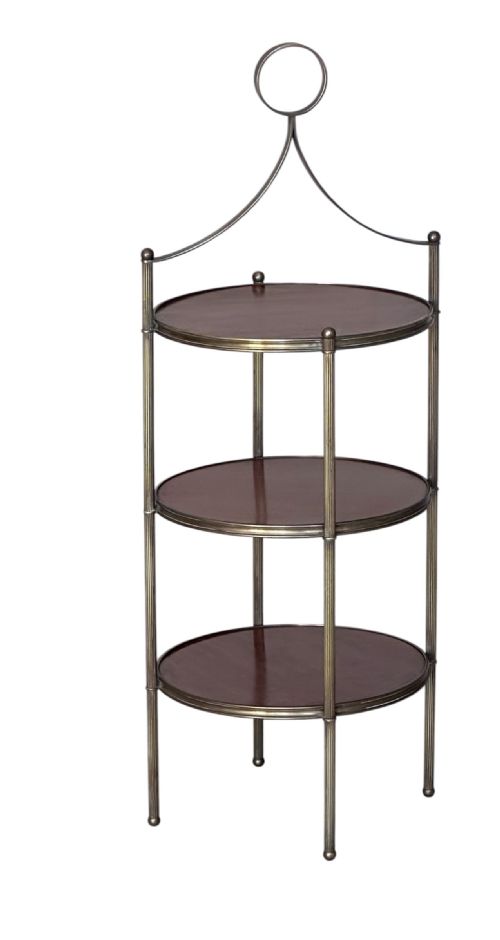
Tiered display shelves are multi-level stands designed to showcase ornaments and books, bringing practical vertical surface into compact rooms.
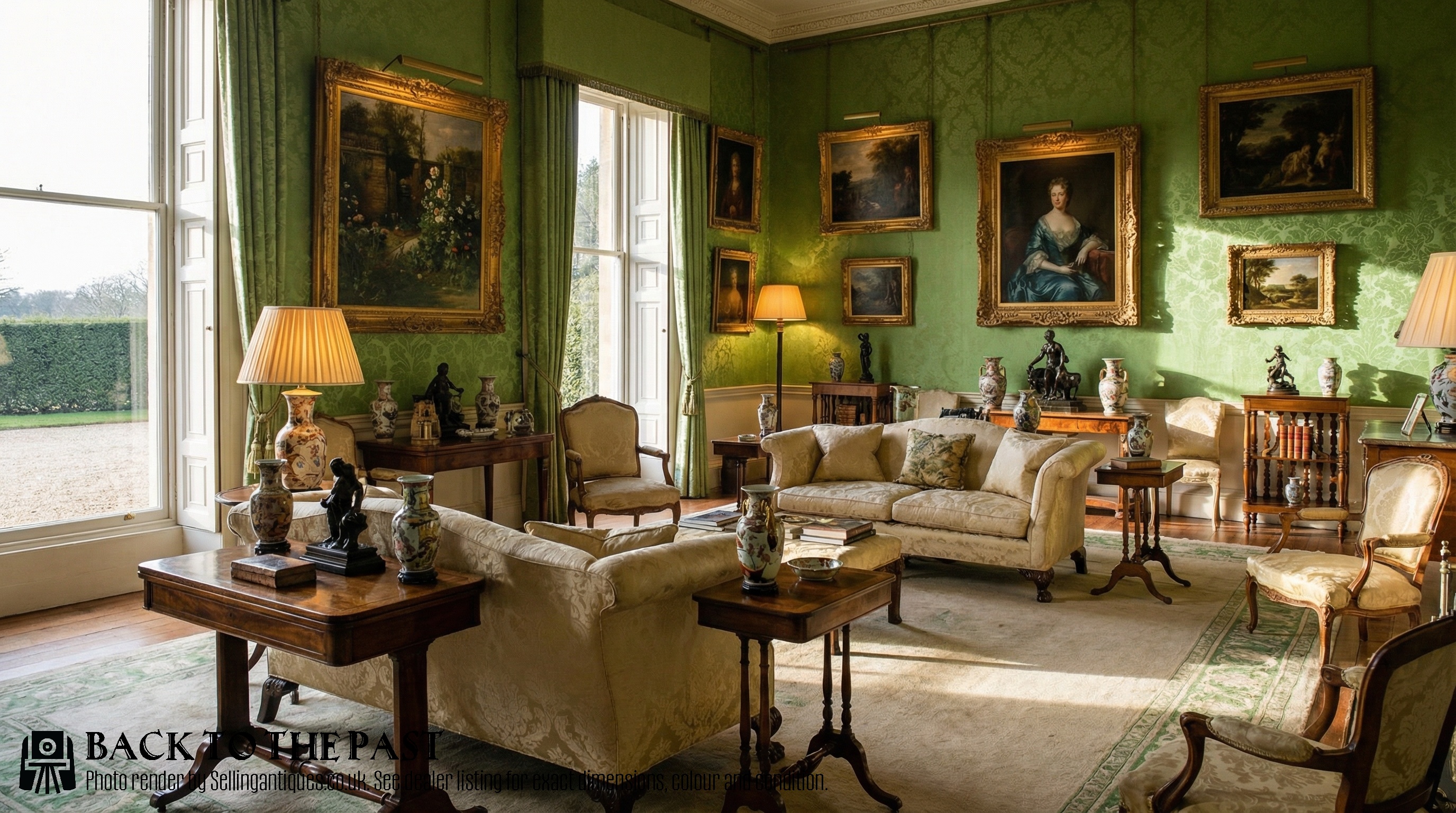
Tiered Display Shelves
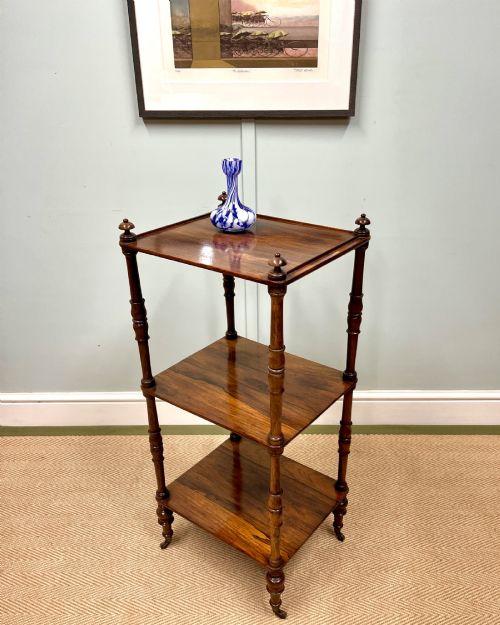
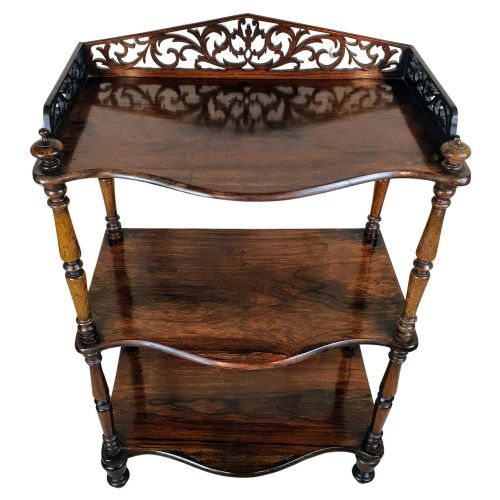
The inventory leans heavily toward nineteenth-century examples, particularly Victorian burr walnut and mahogany pieces featuring turned supports or barley twist columns. Alongside these, lighter Edwardian occasional pieces and earlier Regency designs appear, offering everything from corner cabinets to delicate wall-mounted shelves.
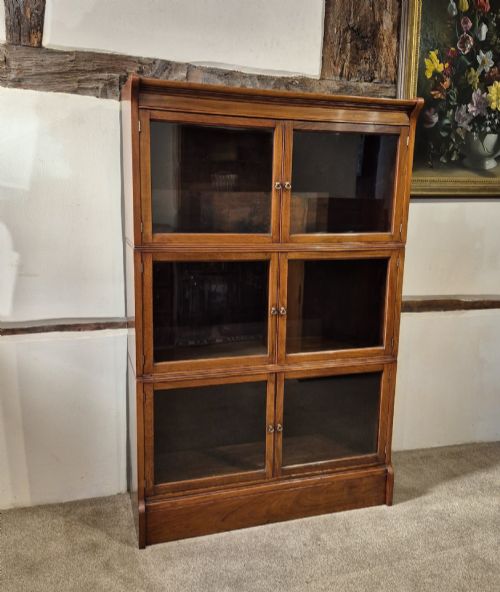
Floor-standing pieces frequently serve multiple functions, doubling as music stands, side tables, or serving buffets depending on their tier configuration and lower cupboard additions. Wall-hanging variations provide targeted storage for compact spaces without encroaching upon valuable floor area.
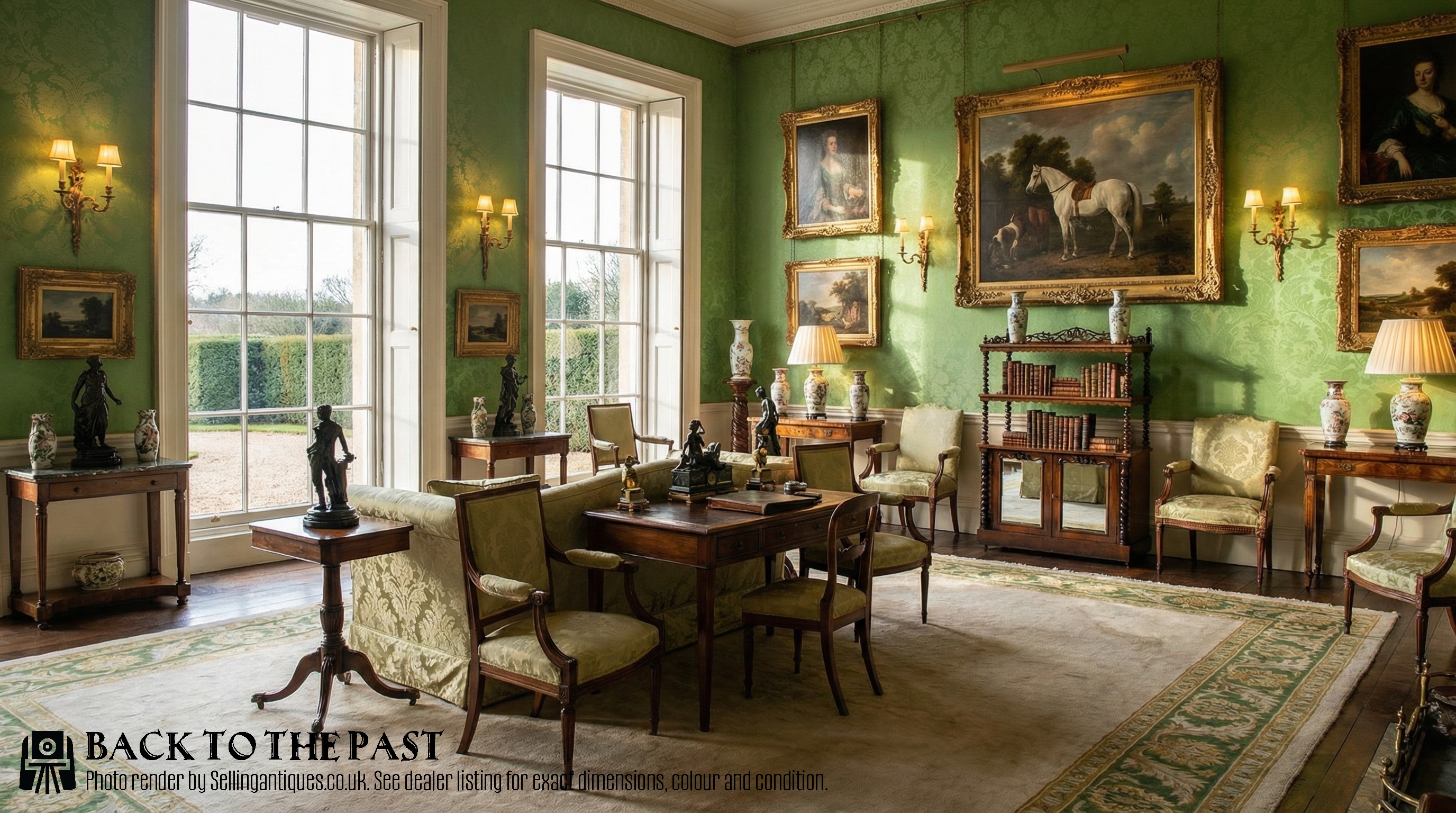
Materials and Construction
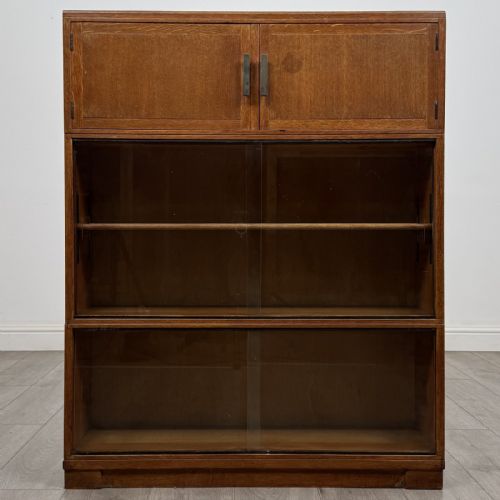
Timbers dictate the primary character of these pieces, with dense hardwoods such as mahogany, walnut, burr walnut, rosewood, and oak forming the structural framework and shelves. Workshops occasionally utilised ebonised wood, pine, padauk, and brass accents to enhance visual contrast across different stylistic periods.
Construction techniques rely on sturdy vertical turnings, slender columns, and secure bracket supports to sustain the weight of stacked tiers without sacrificing stability. Joinery matches the period of origin, from formal Georgian cabinet-making to the robust upright framing seen in later Victorian and Edwardian iterations.
Tiered Display Shelves Retail Price Guide 2026
Typical asking prices for tiered display shelves among the pieces listed under this phrase on Sellingantiques today, from the lower quarter to the upper quarter. They describe what is for sale here now, not the wider market.
Some Victorian pieces feature twist-turned uprights that make every shelf look like it is caught in a slow, elegant dance.
Assessing Quality and Execution
Superior execution shows in the selection of figured veneers, such as richly patterned burr walnut or carefully matched mahogany grains across successive tiers. The integration of fine details, including parcel gilding, brass fittings, and cleanly turned barley twist columns, separates standard utility items from masterwork examples.
Structural integrity remains paramount, visible in the rigidity of the upright supports and the precise fit of each shelf into its frame. Pieces that maintain balanced proportions and uncompromised timber surfaces demonstrate the level of craftsmanship valued by collectors.
Gillows
The Tiered Display Shelves Glossary
- Whatnot
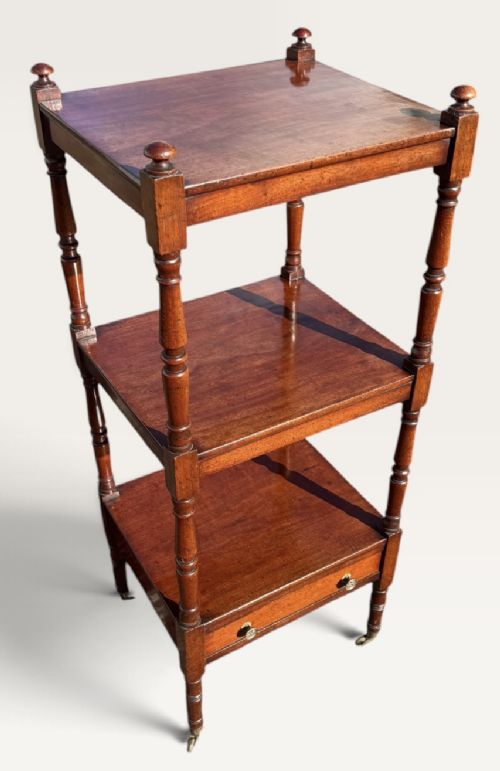
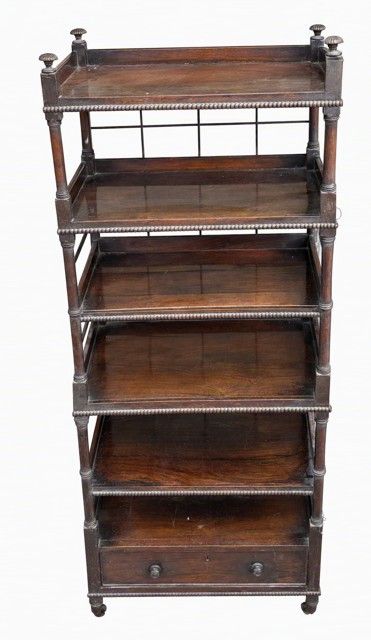
- A freestanding piece of furniture consisting of multiple open shelves for displaying ornaments or books. Originating in the eighteenth century, these tiers grew increasingly popular throughout the Victorian period.
- Étagère
- A French term for a display piece featuring several tiers of shelves supported by slender columns. These were typically utilised in reception rooms to exhibit delicate porcelains and decorative objects.
- Barley twist
- A type of decorative turning resembling a twisted rope, carved into the vertical support pillars of tables and shelf stands. This form appears frequently on nineteenth-century walnut and mahogany pieces.
- Waterfall bookcase
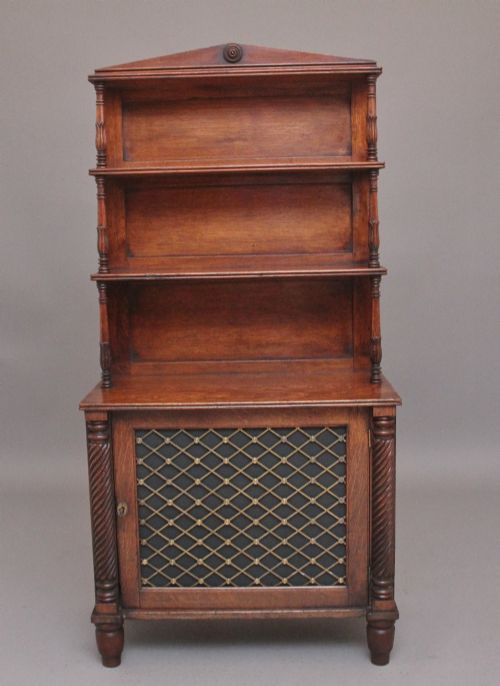
- A set of open shelves where each tier steps back progressively from the bottom to the top, creating a cascading profile. These units emerged during the Regency and Georgian eras.
- Padauk
- A dense tropical hardwood displaying rich reddish-brown tones, utilised in imported pieces such as nineteenth-century Anglo-Indian shelving units.
Tiered Display Shelves: Frequently Asked Questions
What is the difference between an etagere and a whatnot?
An étagère originates from French design traditions and typically emphasises decorative display with slender supports for lighter ornamental objects.
A whatnot developed primarily in British workshops as a general-purpose tiered stand robust enough to hold books, ceramics, and miscellaneous items.
How were tiered shelves used in period homes?
Period households utilised these multi-level surfaces in drawing rooms and parlours to exhibit prized ornaments, imported porcelains, and daily reading materials.
Corner variants made efficient use of awkward room junctions, while wall-hanging versions provided accessible display space above side tables and mantelpieces.
How do I identify a Regency period piece?
Regency tiered units frequently display clean classical lines, restrained classical ornamentation, and deep rich mahogany timbers.
They often incorporate architectural elements such as slender turned supports and precise joinery characteristic of the early nineteenth century.
Are wall hanging shelves sturdy enough for books?
Wall-hanging shelves from the nineteenth century were constructed from solid hardwoods like mahogany and oak, providing reliable support when properly secured to wall studs.
However, their load capacity depends entirely on the strength of the original wall fixings and the depth of the individual timber boards.