

Three Tier Shelving
Three tier shelving provides tiered vertical display using timber and brass, offering collectors compact surfaces for books and decorative objects.
Three Tier Shelving
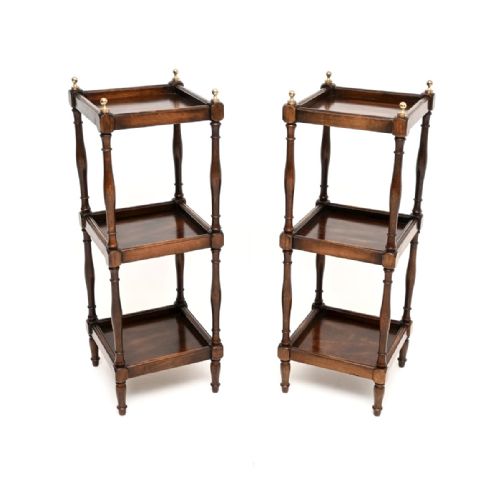
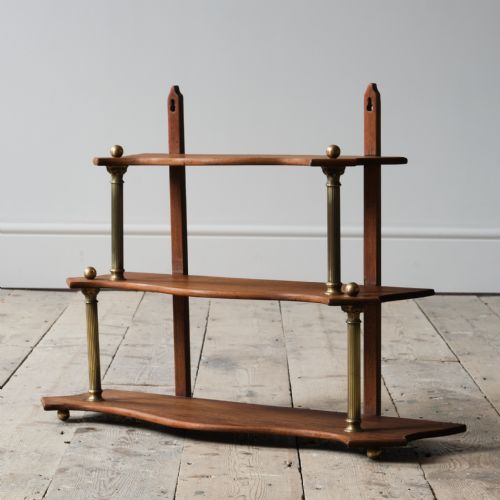
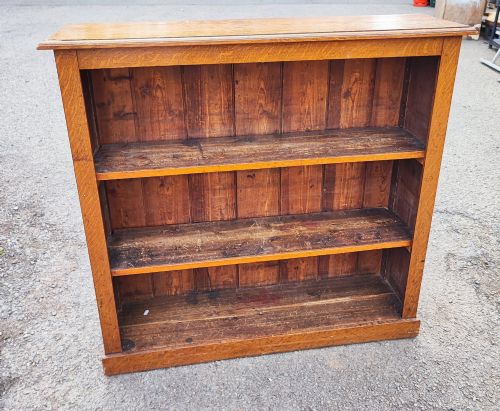
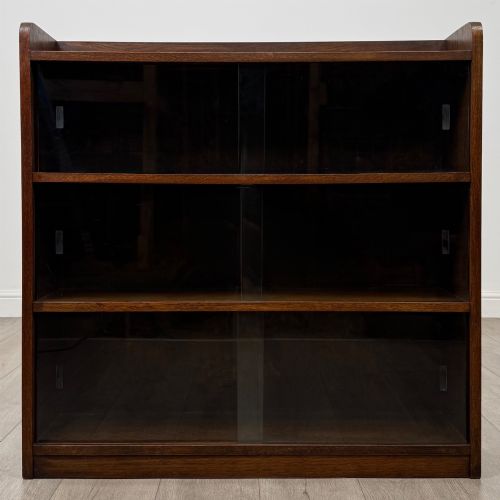
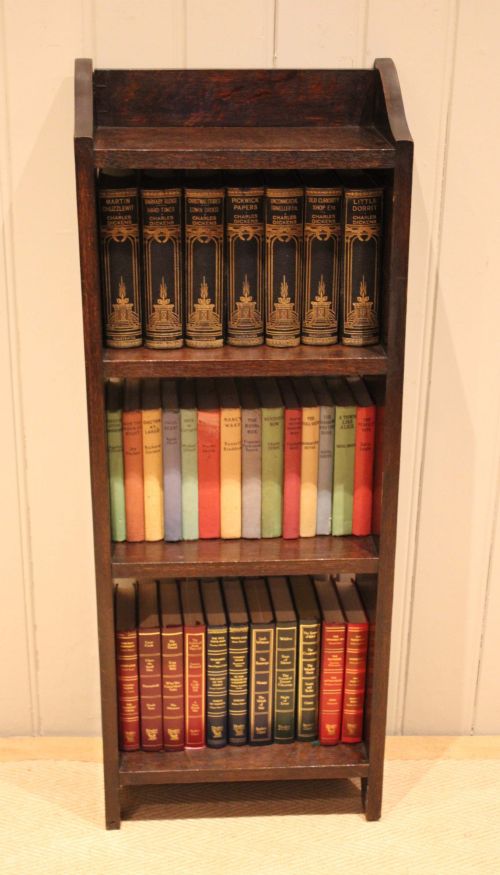
When you search for three tier shelving, you encounter open bookcases, wall shelves, and tiered whatnots originating across the nineteenth and twentieth centuries. These pieces function as versatile display units and bookcases designed to maximise vertical space in smaller rooms.
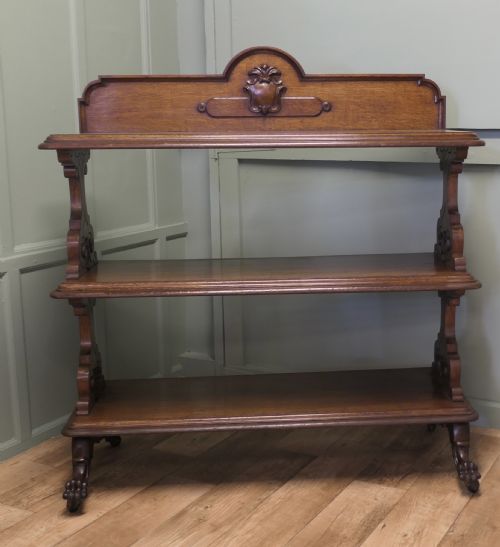
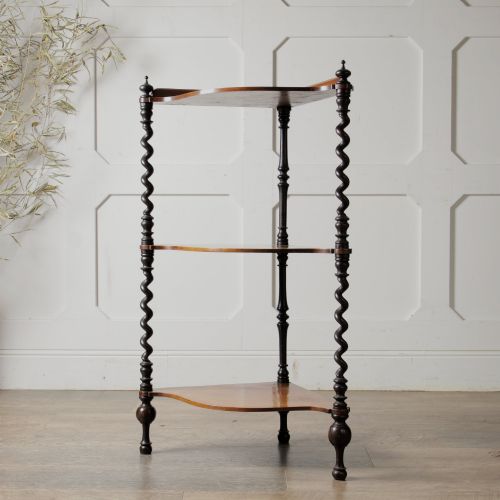
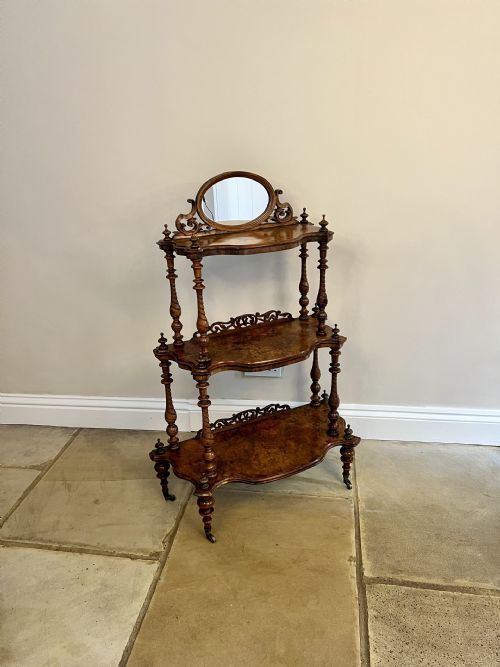
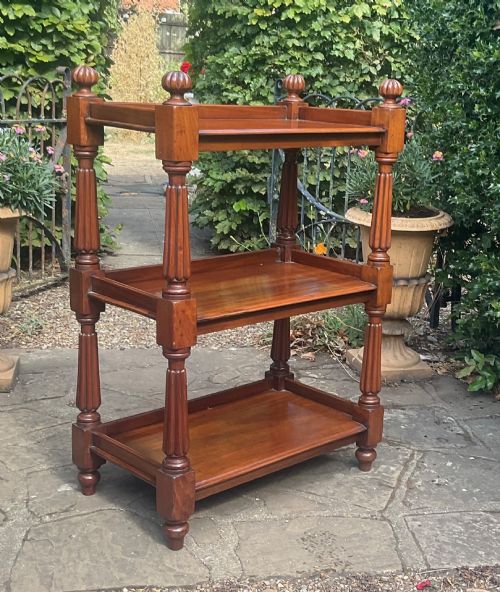
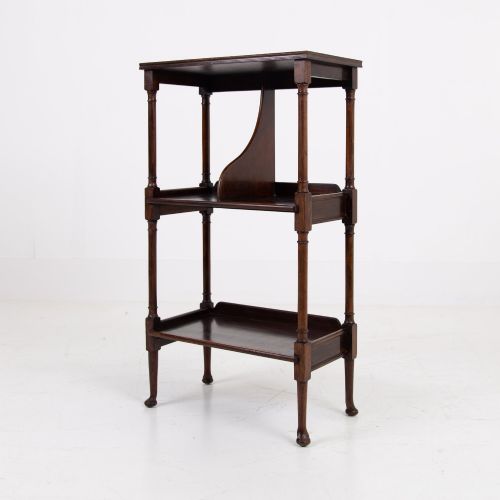
The version you are most likely to meet on this page is the Victorian walnut or mahogany whatnot and étagère, alongside Edwardian oak open bookcases and wall-hanging shelves. Makers of the period constructed these units with three distinct levels to hold books, ceramics, and ornaments.
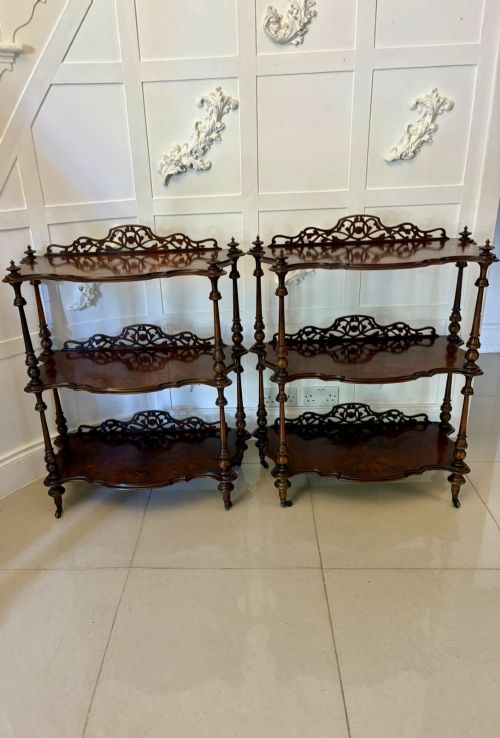
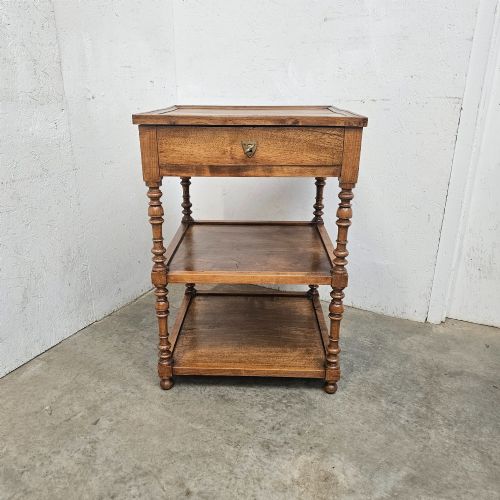
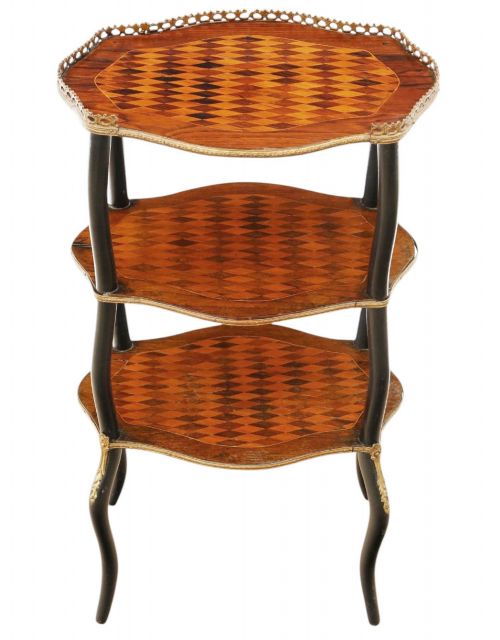
Examples range from compact wall-hanging mahogany shelves to substantial free-standing burr walnut étagères and oak buffets. Each form reflects the domestic storage needs of its respective period, from Regency rooms to Edwardian parlours.
Quality factors in tiered shelving
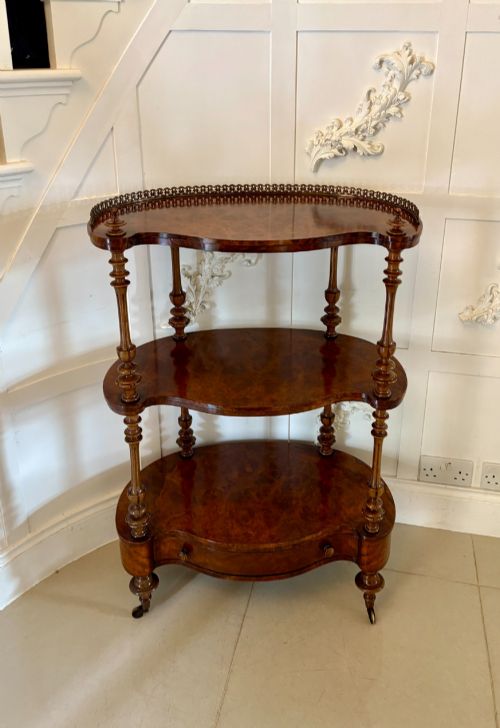
Quality rests in the selection of timbers, such as figured burr walnut or rosewood, and the crispness of turned wooden uprights and applied brass detailing. Finer pieces demonstrate careful attention to grain matching across multiple tiers and superior stability in the frame.
The distinction between standard utility items and exceptional examples lies in refined details like parquetry inlay, serpentine shaping, and robust structural joinery. Maker attributions and intact original brass galleries further elevate the standing of a piece.
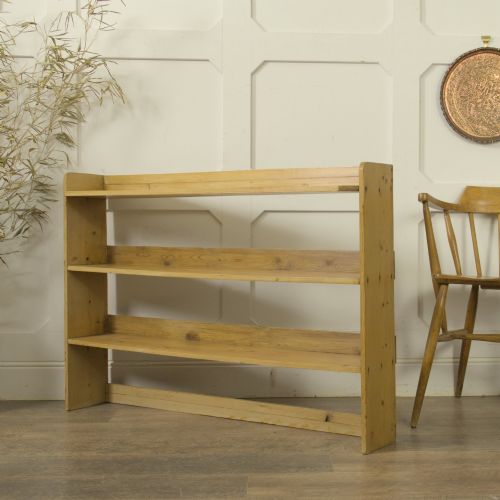
Scottish pine shoe racks sneak into the inventory alongside delicate French walnut étagères and grand Victorian buffets.
Globe Wernicke·Samson and Son London
The Three Tier Shelving Glossary
- Whatnot
- A moveable set of open shelves for displaying small objects, popular in the Victorian period. These units typically feature three or more tiers supported by slender columns.
- Étagère
- A piece of furniture consisting of a set of open shelves for holding ornaments. French in origin, these items often incorporate turned legs and delicate woodwork.
- Burr walnut
- A prized wood veneer showing intricate, swirling grain patterns formed from tree growths. Cabinetmakers applied this decorative timber to the most ambitious Victorian pieces.
- Barley-twist
- A type of turned wooden column resembling a twisted rope. This decorative support appears frequently on nineteenth-century tables and shelving uprights.
- Parquetry
- Geometric mosaic woodwork used for decorative floors and furniture surfaces. Artisans created patterned surfaces by fitting small pieces of contrasting timber together.
Three Tier Shelving: Frequently Asked Questions
Where should I place a whatnot?
These tiered display units suit corners or living room walls where vertical surface area is useful without dominating the floor plan.
They accommodate books, ceramics, and small collections while keeping companion furniture uncluttered.
How do I identify Victorian pieces?
Victorian examples frequently utilise rich timbers like burr walnut and mahogany, often featuring turned supports, barley-twist columns, or brass galleries.
Construction from the nineteenth century generally reveals traditional hand-cut joinery and heavy, dense hardwoods.
Can wall shelves hold heavy books?
Wall-hanging shelves are built for lighter volumes, decorative displays, or small collections rather than massive multi-volume encyclopaedias.
Ensuring secure wall fixings into solid masonry or studs is essential for supporting older timber safely.
What is the difference between an étagère and a bookcase?
An étagère prioritises open display on multiple tiers for decorative objects, while a bookcase is designed specifically for storing bound volumes.
Many nineteenth-century pieces blur this distinction by offering open shelving suited to both reading materials and ornaments.