

Antique Daybed Sofa
An antique daybed sofa offers a place for horizontal repose, bringing nineteenth-century comfort and length into a modern room.
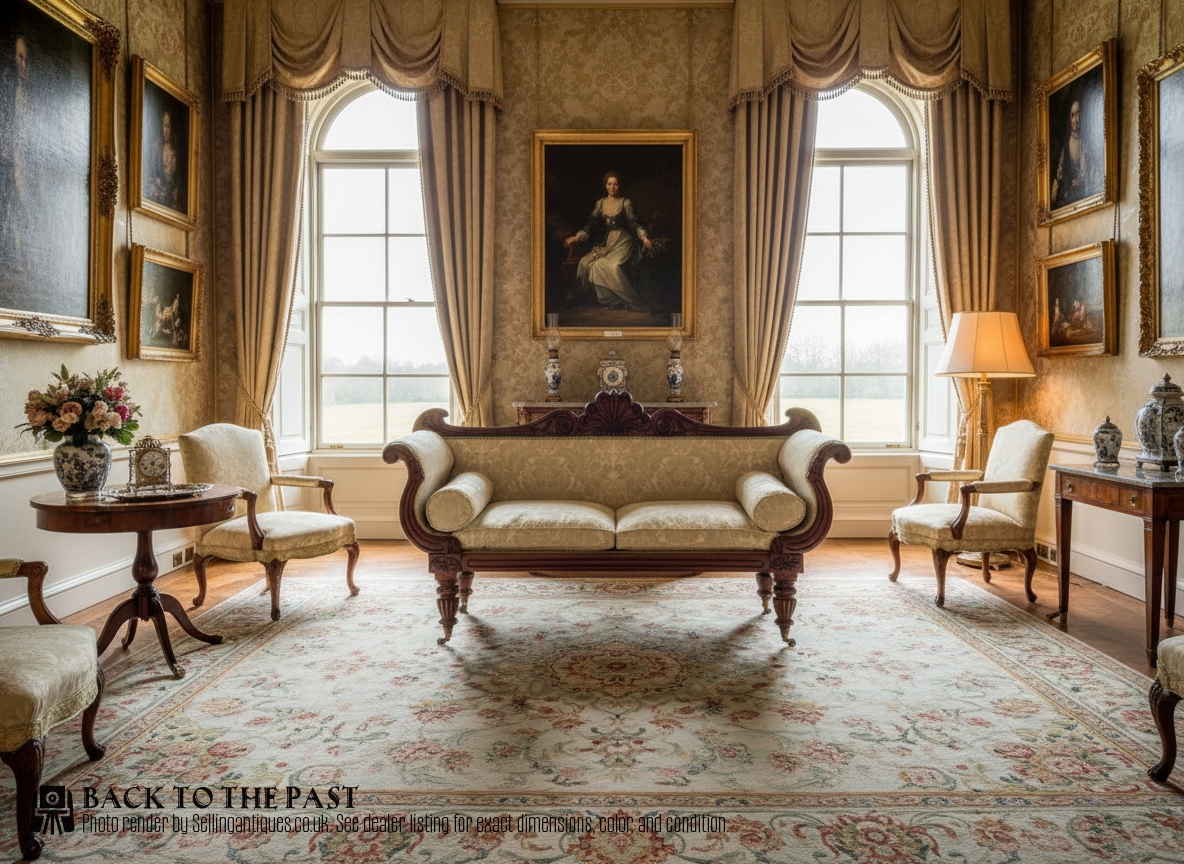
Antique Daybed Sofa
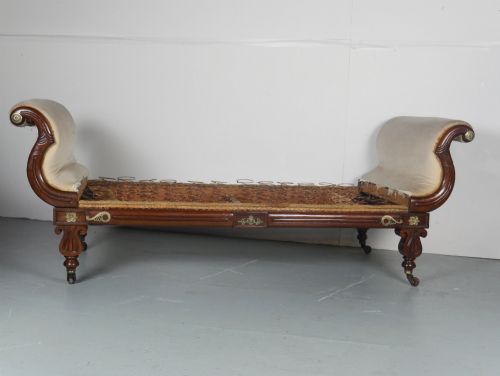
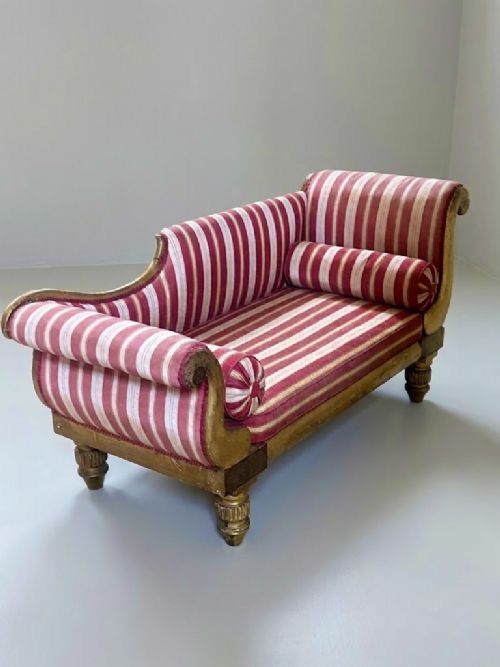
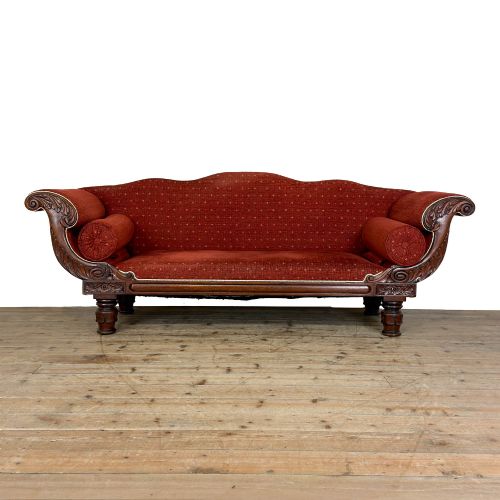
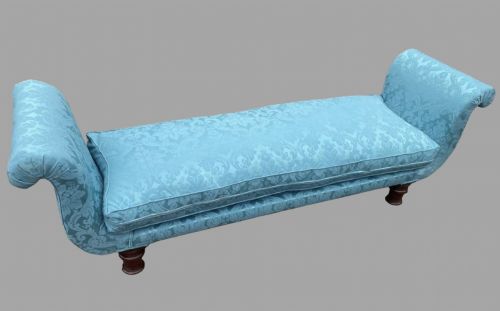
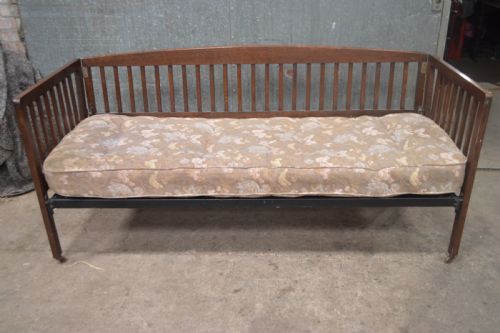
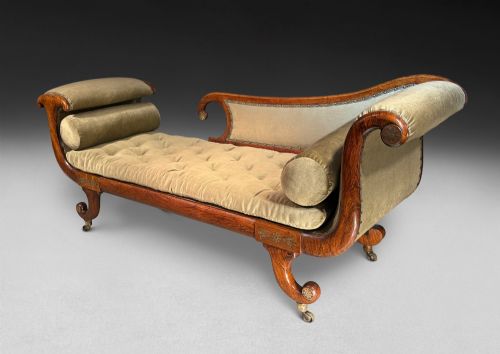
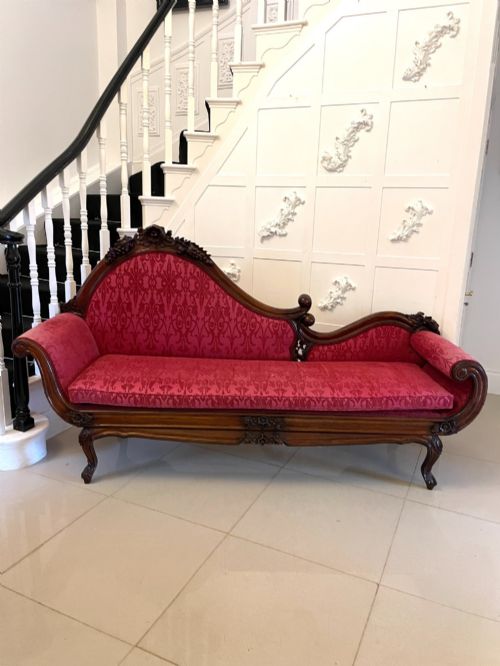
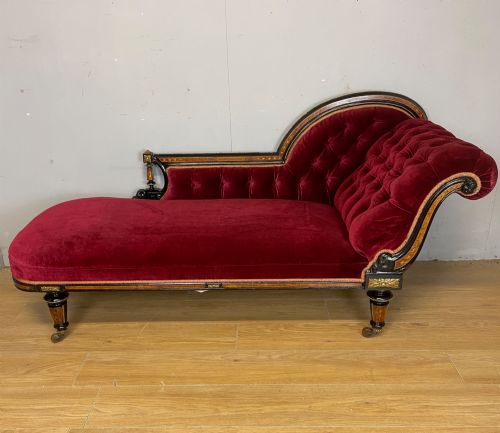
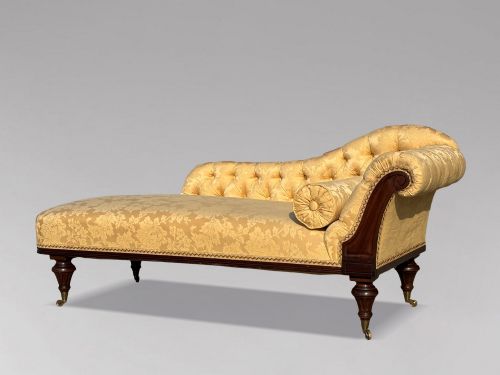
When you search for an antique daybed sofa, you encounter a range of nineteenth-century forms designed for reclining and daytime resting. These pieces span Regency scroll-end couches, William IV mahogany frames, and Victorian chaise longues alongside twentieth-century fold-down oak day beds.
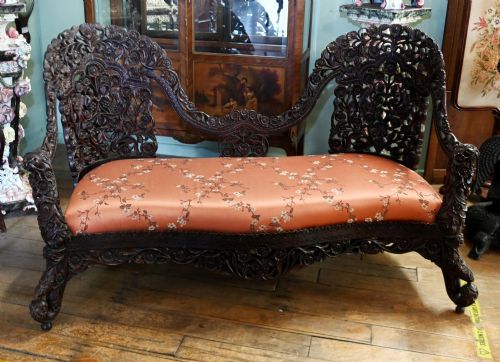
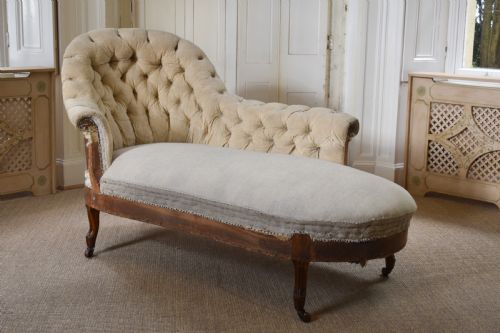
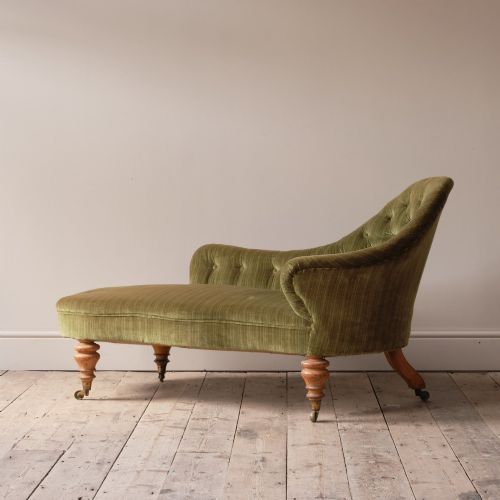
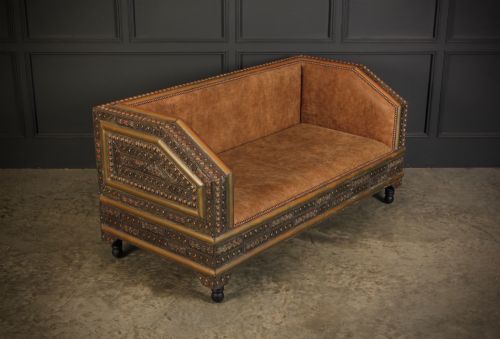
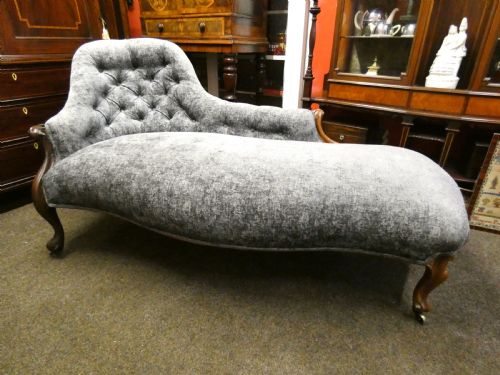
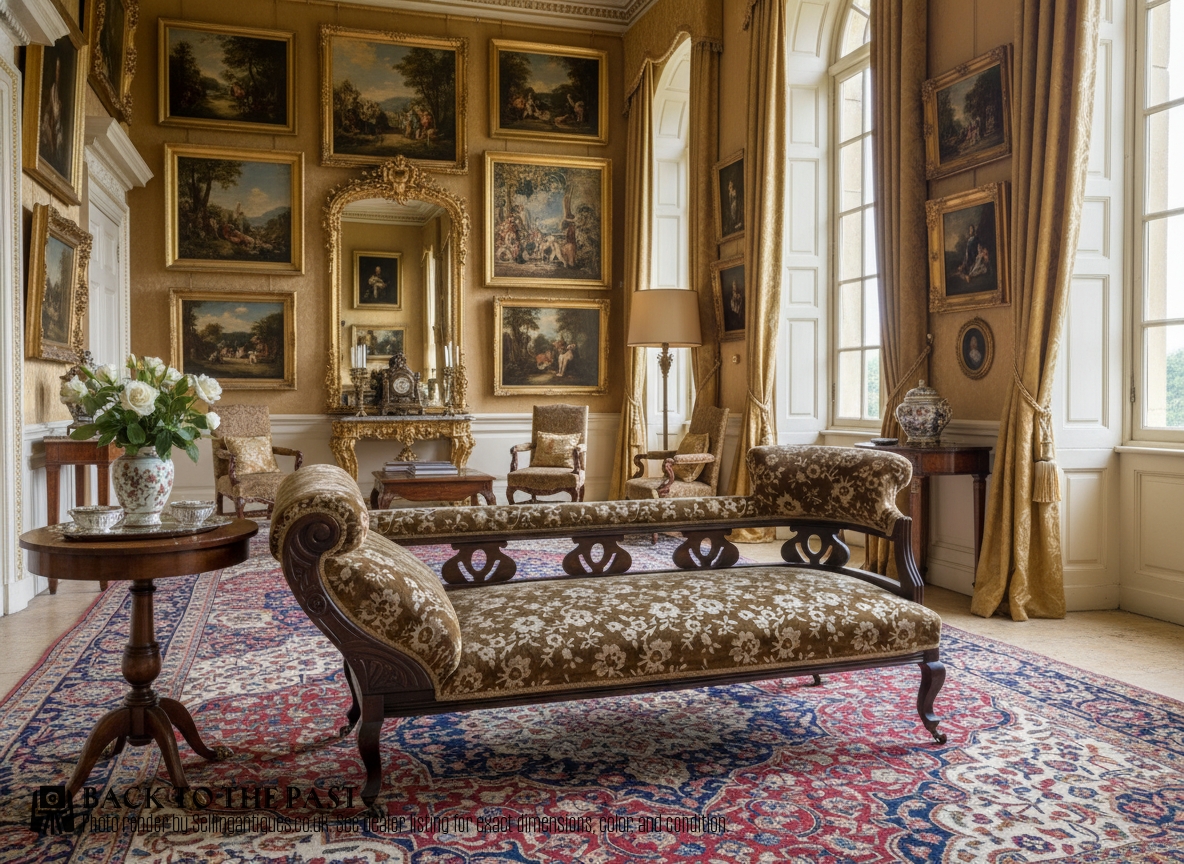
The most common examples on this page are Victorian mahogany and rosewood chaise longues, often featuring carved scroll ends and single raised headrests. Alongside these sit French-influenced day beds, Anglo-Indian hardwood sofas, and multi-purpose daybed sofas from the early twentieth century.
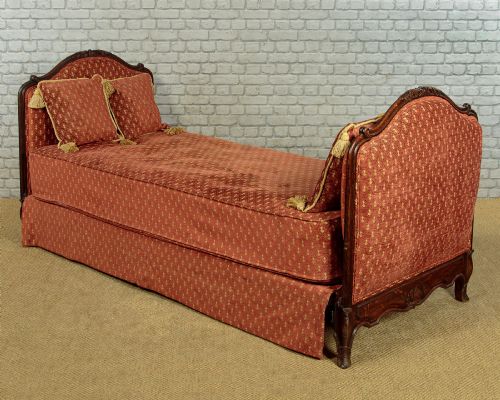
Origins stretch from English workshops to French provincial makers and Anglo-Indian production centres, encompassing styles from Grand Regency to Arts and Crafts. Pieces take the shape of day beds, settees, and chaise longues that bridge the gap between a chair and a full bed.
Materials and construction methods
Upholstery relies on traditional textiles including silk, velvet, leather, and patterned fabric stretched over sprung or padded foundations. Carved details, giltwood highlights, and turned ionic column legs demonstrate the hand-tooling applied by period cabinet makers.
Antique Daybed Sofa Retail Price Guide 2026
Typical asking prices for daybed sofa among the pieces listed under this phrase on Sellingantiques today, from the lower quarter to the upper quarter. They describe what is for sale here now, not the wider market.
Fold-down oak day beds prove that nineteenth- and early twentieth-century households loved a nap just as much as we do.
Distinctions in construction and finish
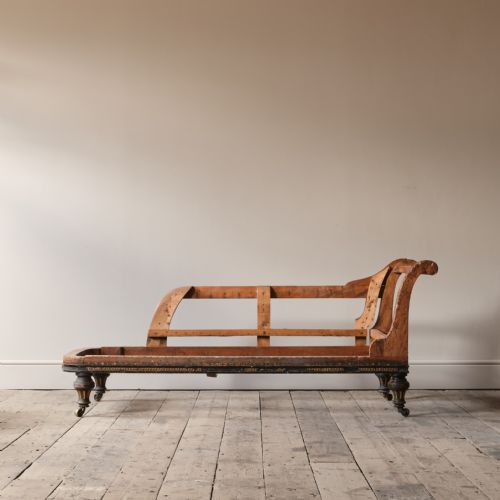
Quality rests upon the crispness of the timber carving, the choice of dense hardwoods like rosewood and mahogany, and the integrity of internal framing. Finer examples display restrained brass inlay, well-cast ormolu, and integrated design elements such as scroll ends that harmonise with the overall frame.
Attribution to notable makers or documented London workshops elevates a piece, as does original caning or intact structural joinery. Poorer examples show heavy-handed later alterations or replacement frames that obscure the original nineteenth-century proportions.
Holland & Sons·C. Hindley & Sons·Howard & Sons·Liberty London·Heals
The Antique Daybed Sofa Glossary
- Chaise longue
- An upholstered sofa in the form of a chair with a long seat large enough to support the legs. This form dominates the nineteenth-century selection.
- Scroll end
- A rolled timber terminal on the arm or backrest, typical of Regency and William IV seating. It provides a distinct architectural silhouette.
- Lit bateau
- A French bed style with parallel head and foot boards curving outwards like a boat. It translates readily to daybed proportions.
- Bergere
- A closed-arm upholstered armchair or sofa with framed cane panels on the back and sides. This technique lightens the visual weight of heavy wood frames.
- Ormolu
- Gilded bronze ornamentation applied to furniture mounts. It punctuates ebonised and walnut surfaces on mid-nineteenth-century frames.
Antique Daybed Sofa: Frequently Asked Questions
How do I use an antique daybed sofa today?
These pieces fit naturally into studies, sunrooms, or large living spaces where a low profile preserves sightlines. Their extended seats accommodate daytime reading and resting.
Position a chaise longue against a wall to highlight a carved mahogany or rosewood backrest, or float a fold-down day bed in an open room.
How do I identify a Regency daybed sofa?
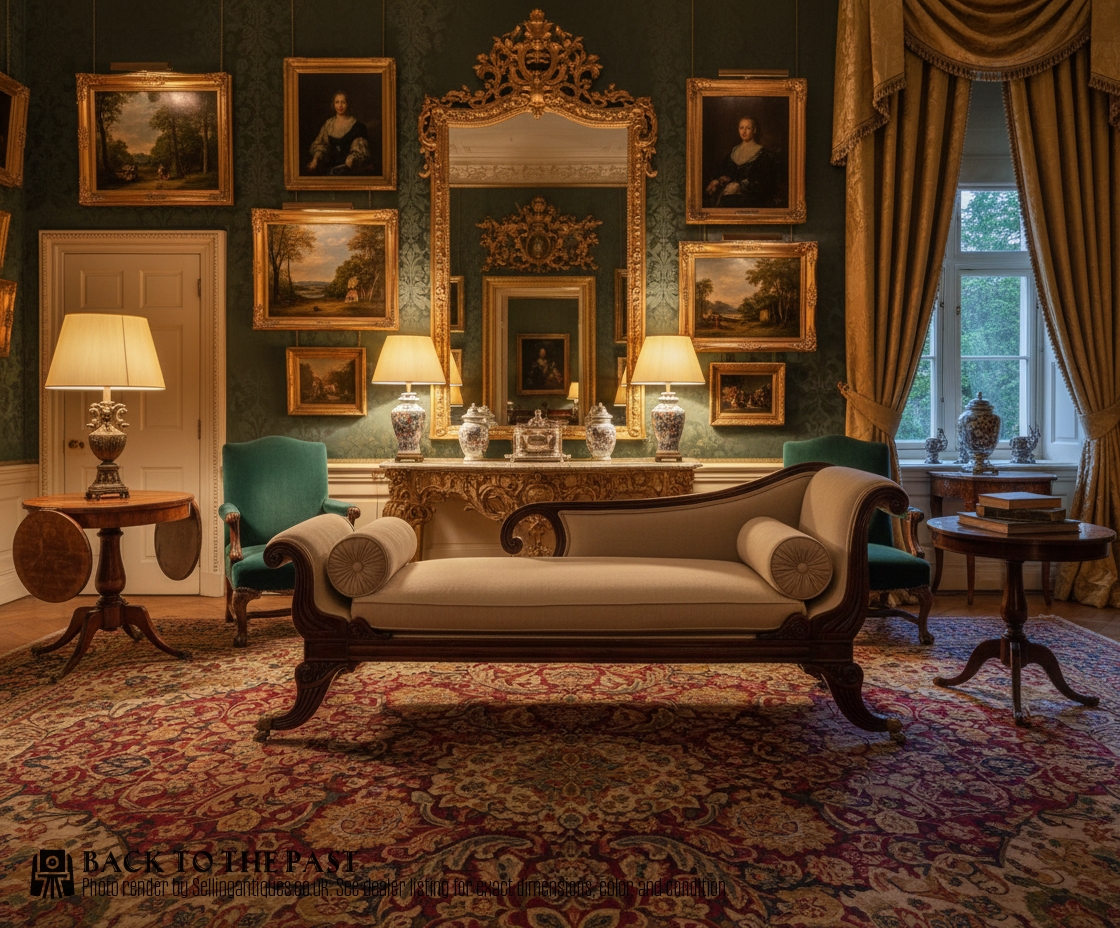
Regency pieces often display simulated rosewood finishes, brass inlay, or scroll ends inspired by classical antiquity. Look for architectural proportions and cleaner lines than those found on heavily carved Victorian iterations.
Dates cluster around the early nineteenth century, frequently incorporating mahogany solids and restrained ormolu mounts.
Can I reupholster an antique daybed sofa?
Upholstery fabric on these items ranges from antique striped silk to modern replacement textiles. Many buyers choose to recover frames in silk, velvet, or leather to suit contemporary interiors.
Retaining the underlying webbing and traditional padding structure preserves the historic sit and bounce of the piece during reupholstery.