
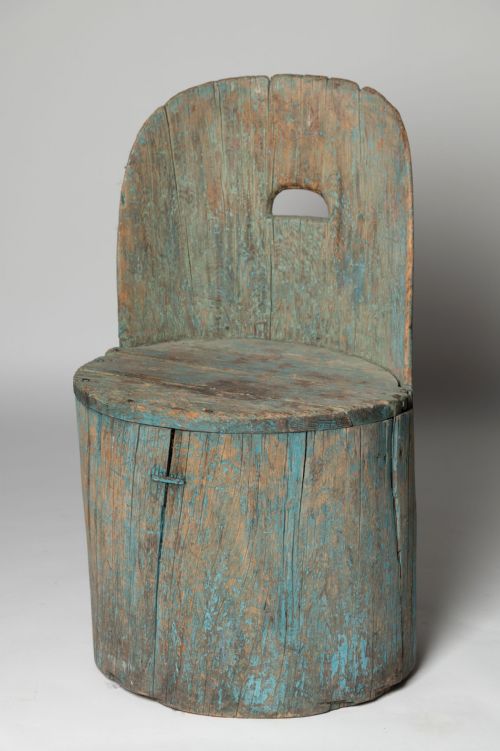
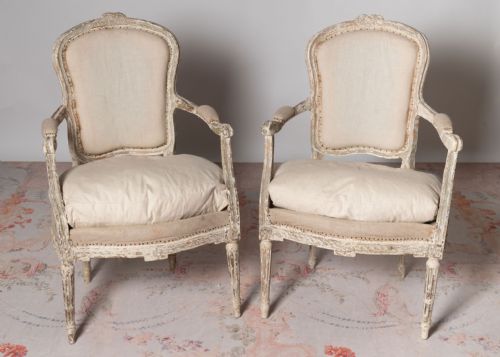
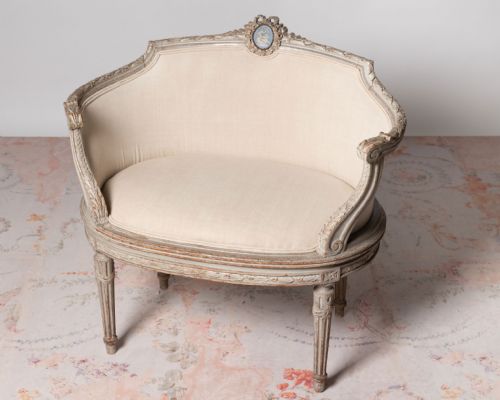


Distressed Painted Armchair
A distressed painted armchair brings layered history and texture into a room, offering both comfort and decorative presence.
Understanding distressed painted armchair
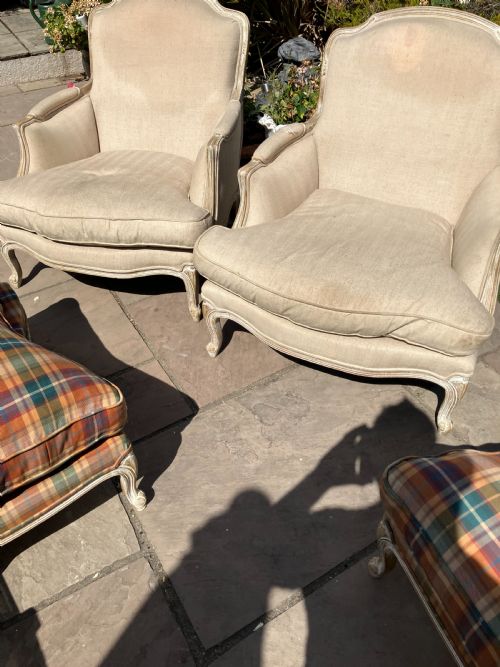
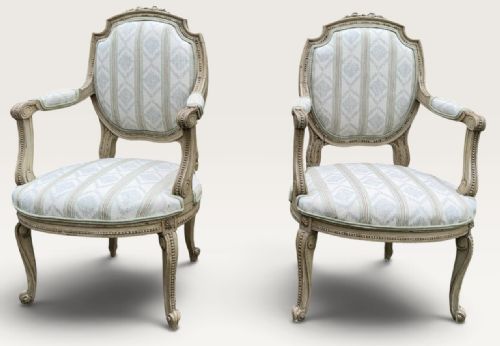
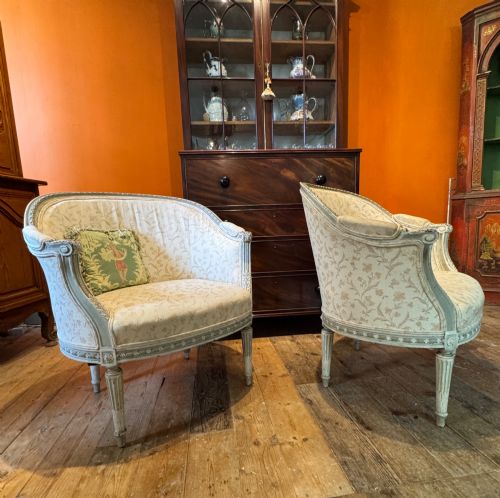
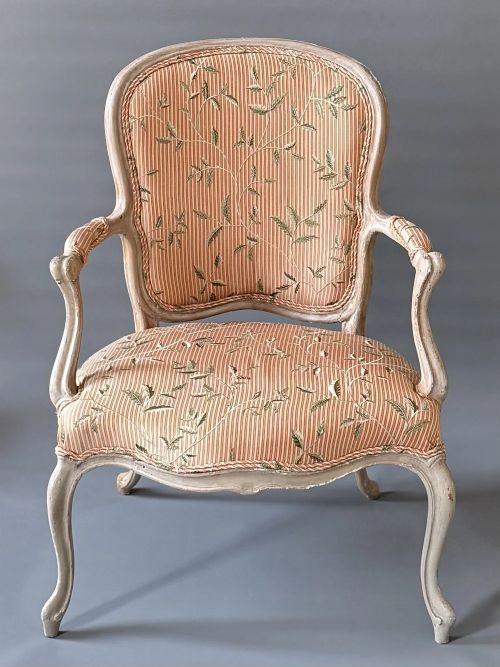
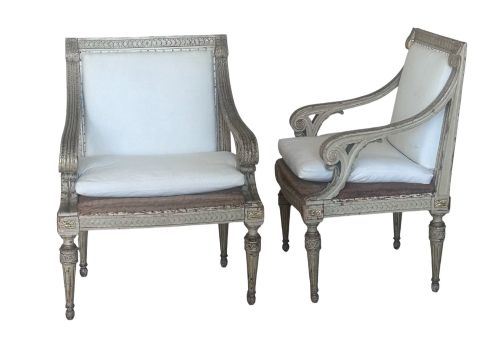
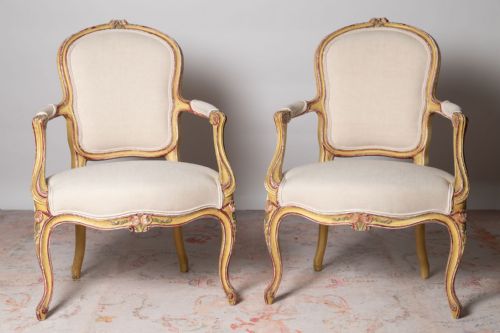
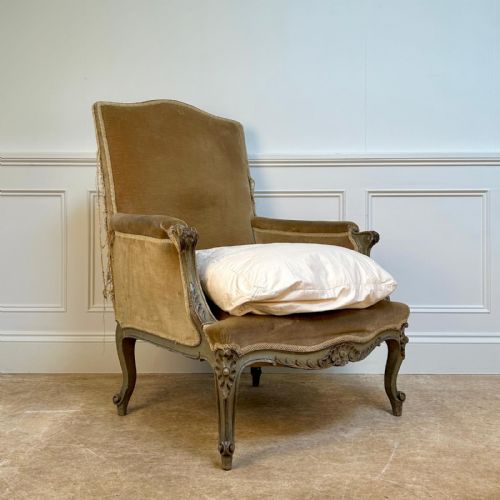
A distressed painted armchair combines traditional seating forms with weathered surface finishes accumulated over decades of use. When buyers search for a distressed painted armchair, they encounter examples spanning from the eighteenth century to the early twentieth century.
Earlier periods are represented by Georgian mahogany and late eighteenth-century designs with block feet. Later pieces include Edwardian salon chairs and French frames dated around nineteen hundred.
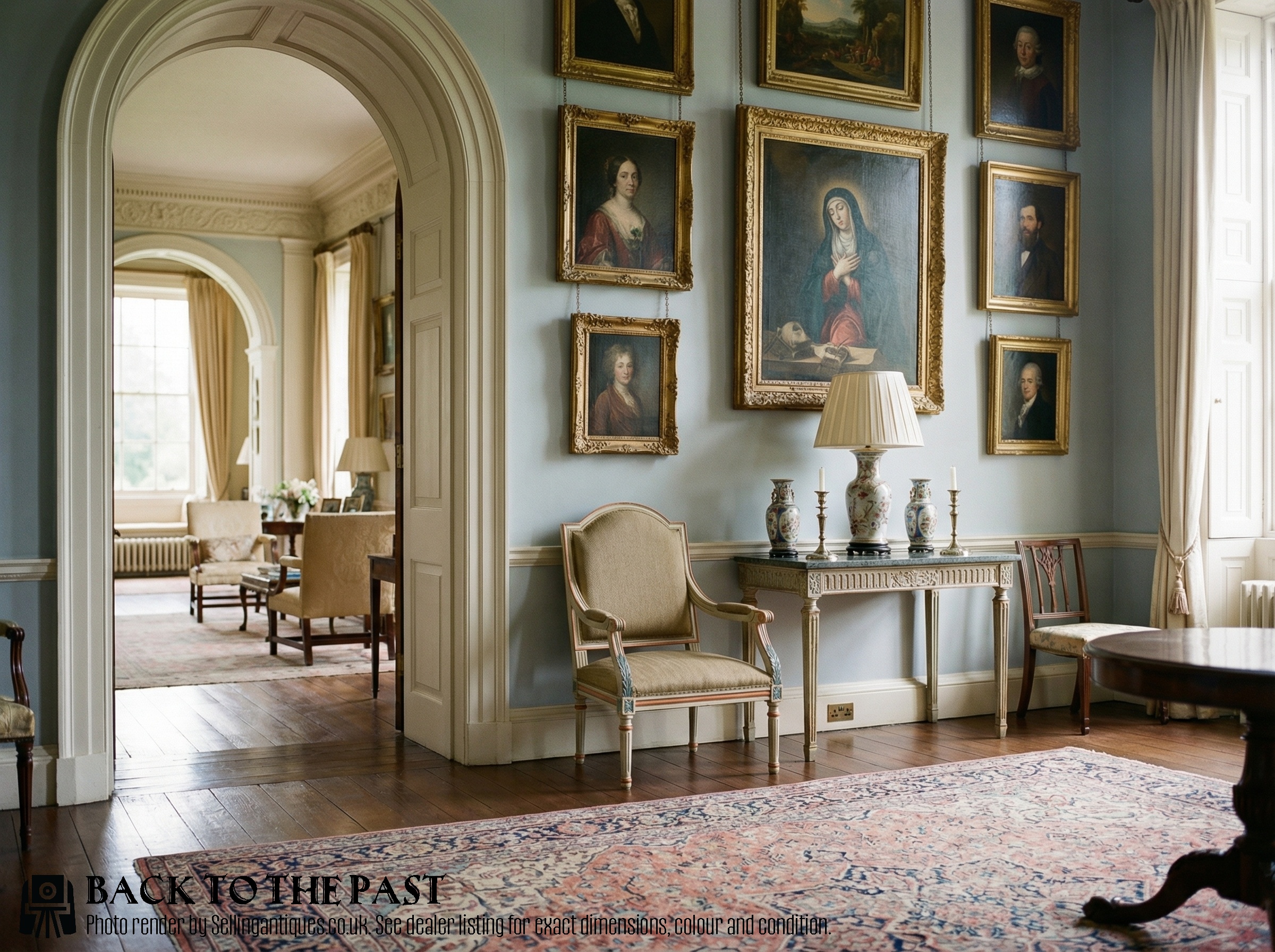
Materials and construction
Makers constructed these frames using timber such as beech and mahogany, often applying gesso to prepare surfaces for decoration. Paint finishes were layered over time, sometimes remaining in original condition or appearing as later applications.
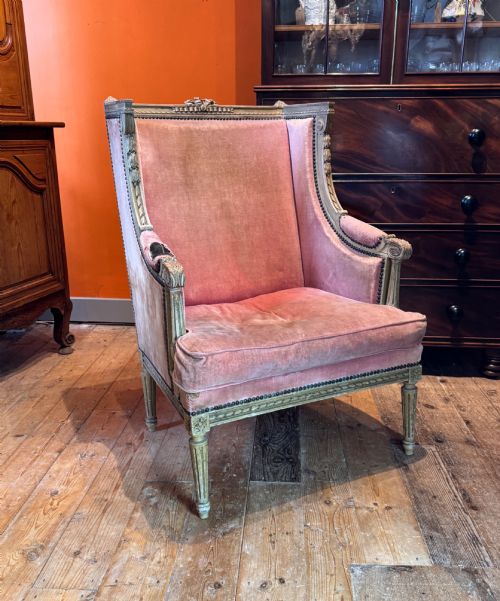
Upholstery elements incorporate textile and velvet coverings, occasionally filled with feather down for padding. Structural detailing includes carved wooden components and specialised framing like faux bamboo turnings.
Retail Price Guide 2026
Typical UK retail prices for distressed painted armchair, calculated from the Sellingantiques database of over a million retail prices indexed since 2003. This retail price guide relies exclusively on Sellingantiques data; no external sources or auction records are used, so the figures do not describe the wider market.
Some chairs sport convincing bamboo disguises carved entirely from solid wood.
Markers of distinction
Quality rests in the integrity of the timber frame and the authenticity of the surface wear. Natural chipping and softening of the paint tell a genuine chronological story that mechanical distress cannot replicate.
Proportion and carving detail separate standard seating from exceptional examples. Finer pieces exhibit balanced proportions, refined arm contours, and stable joinery beneath the worn exterior.
The Distressed Painted Armchair Glossary
- Gesso
- A plaster-like mixture applied to wood frames to create a smooth surface for painting or gilding. It provides the crisp base beneath historic decorative finishes.
- Faux bamboo
- Wood turned and carved to imitate the segmented stalks of natural bamboo. This decorative technique appeared frequently in nineteenth-century seating.
- Block feet
- Heavy, square-section feet found on certain eighteenth-century chairs. They provide a stable termination to straight or moulded legs.
Frequently Asked Questions
How do I clean a distressed painted armchair?
Dust the frame gently with a dry, soft cloth to protect the fragile surface layers. Avoid commercial polishes or harsh solvents that might strip the historic paint.
Vacuum upholstered sections carefully using a low-suction brush attachment. Professional cleaning is recommended for antique textiles and delicate velvets.
Are these armchairs comfortable for daily use?
Many examples feature padded seats filled with traditional materials like feather down. The ergonomic design of periods such as the Georgian and French eras offers supportive seating.
Comfort levels depend on the original stuffing condition and the depth of the seat. Some buyers choose to retain historic padding while others update internal fillings for modern lounging.
How can I tell original paint from later decoration?
Original surfaces typically show natural craquelure, consistent wear patterns, and multiple integrated layers of pigment. Examining the edges and joints reveals how the paint aged alongside the underlying timber.
Later paint applications often sit uniformly across the frame without the accumulated patina of age. Traces of earlier colours may appear where friction has worn away the top layer.
What interior settings suit these armchairs?
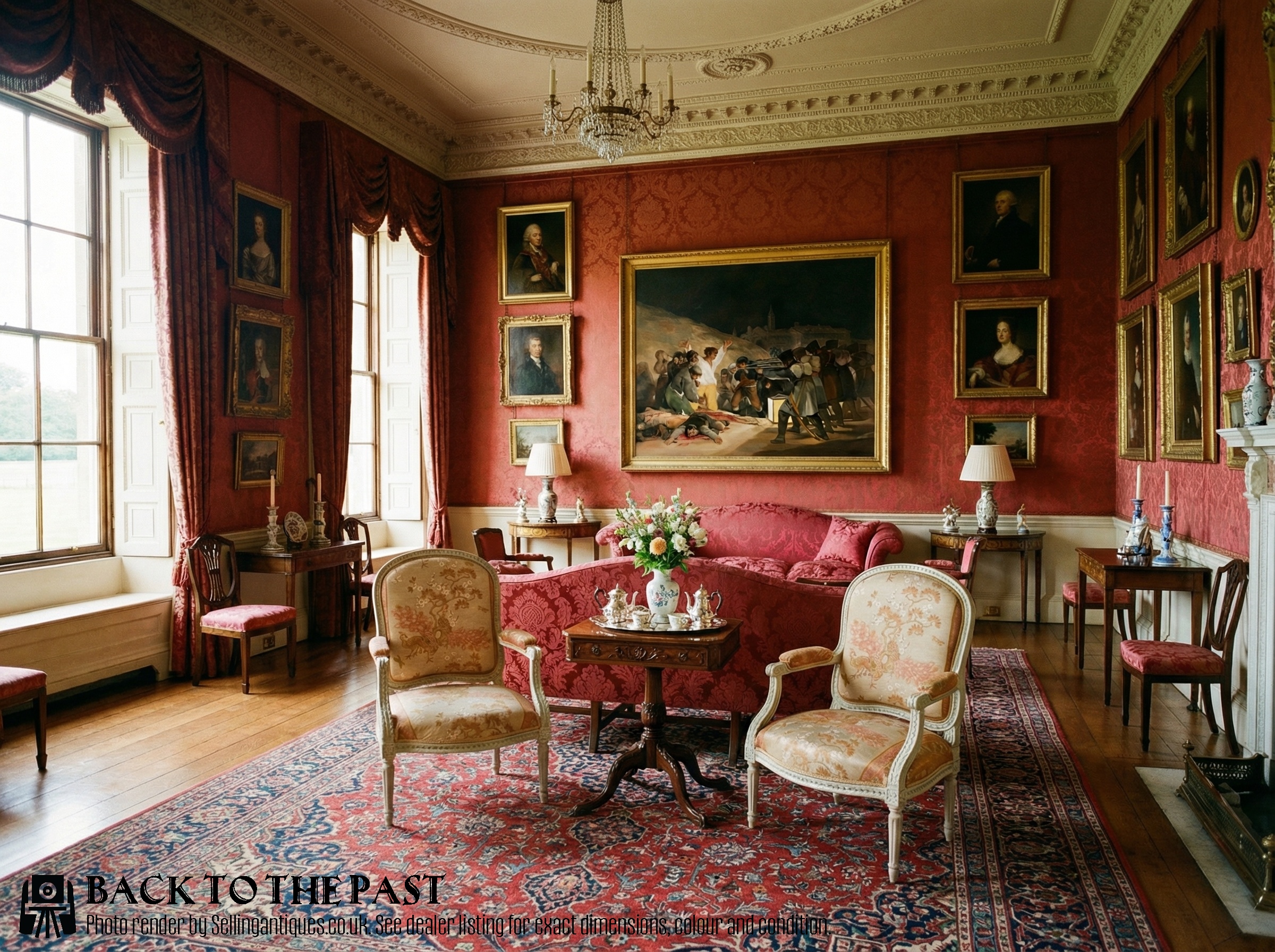
The weathered finish allows these chairs to bridge rustic and formal decorating schemes. They anchor neutral corners or add textural contrast against contemporary walls.
Pairing a painted frame with plain or patterned textiles softens modern rooms. Their historic character introduces an immediate sense of collected depth to any living space.