
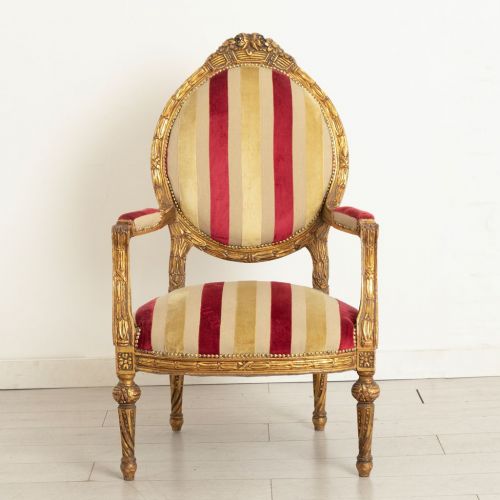
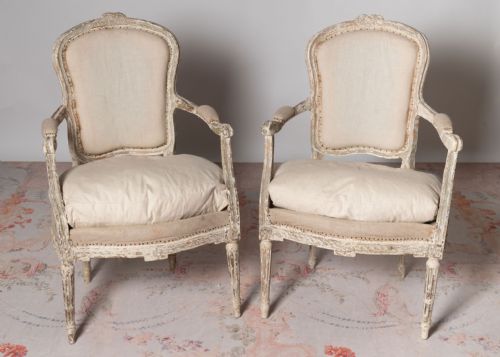


Louis XVI Style Seating
Louis xvi style seating brings French chateau elegance to a room with carved frames and upholstered comfort.
What louis xvi style seating is
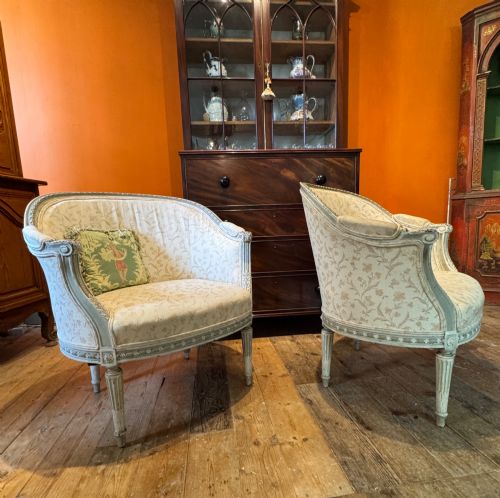
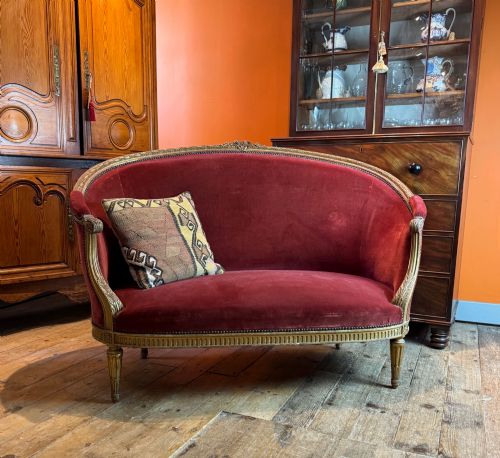
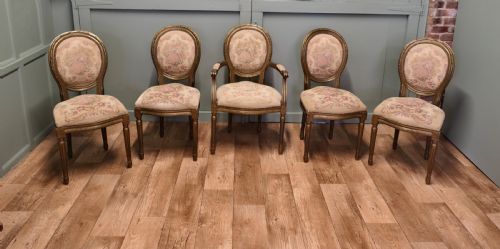
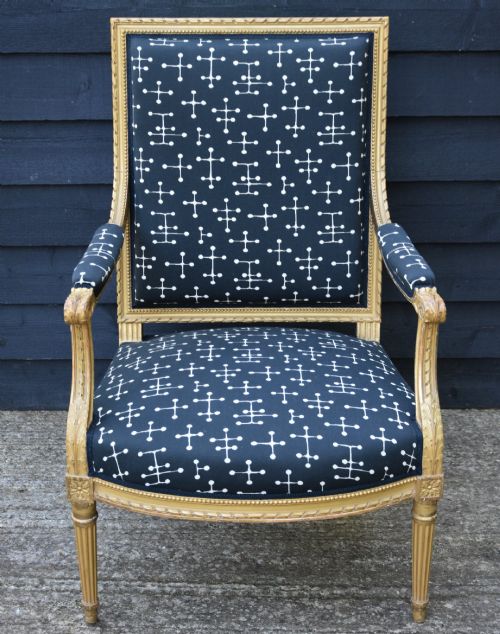
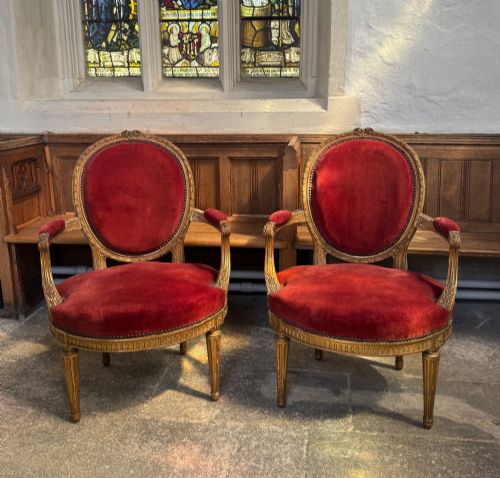
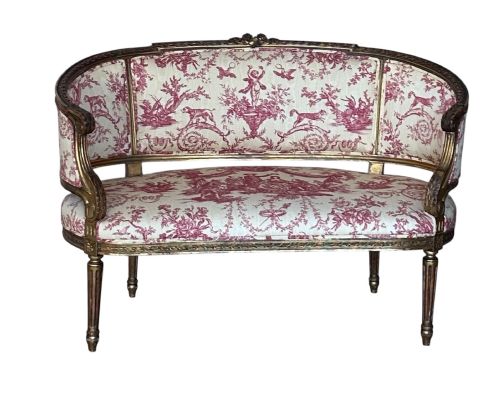
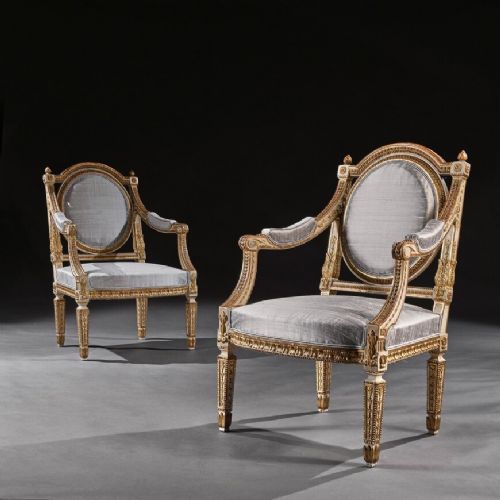
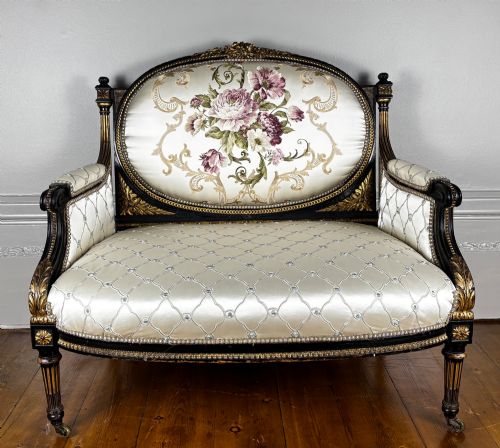
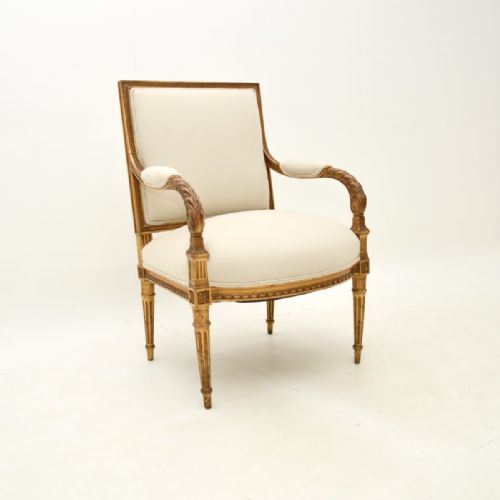
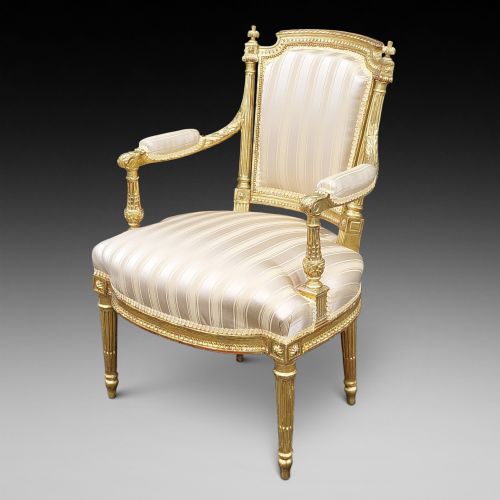
When you search for louis xvi style seating, you encounter nineteenth century armchairs created in the French taste. These pieces draw directly from the neoclassical design vocabulary of the late eighteenth century, favouring straight lines and geometric restraint over curved rococo excess.
How they were made
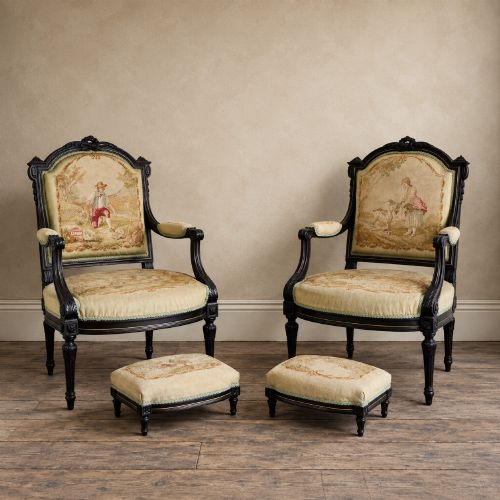
The structural framework of louis xvi style seating relies upon beech, chosen for its strength and fine grain. Workshops shaped this timber through careful carving before applying paint or gilding.
Finishing touches incorporate brass details alongside traditional upholstery fabrics like velvet and linen. Artisans combined woodwork and textile work to achieve the formal appearance of a French chateau.
Retail Price Guide 2026
Typical UK retail prices for louis xvi style seating, calculated from the Sellingantiques database of over a million retail prices indexed since 2003. This retail price guide relies exclusively on Sellingantiques data; no external sources or auction records are used, so the figures do not describe the wider market.
Materials across the selection consistently include velvet and linen alongside brass and paint.
What varies in quality
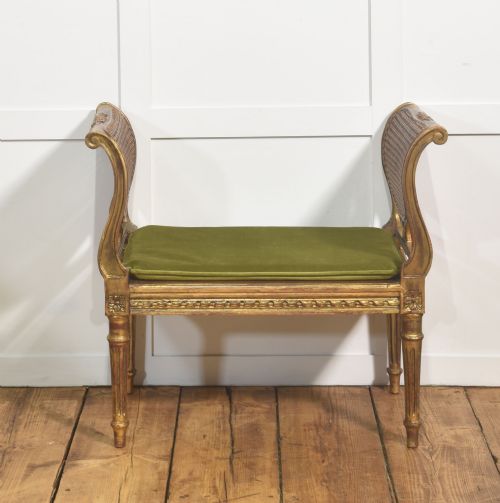
Quality in louis xvi style seating rests upon the crispness of the wood carving and the depth of the finish. Giltwood and painted surfaces show distinction through how cleanly the underlying beech detail emerges beneath the gilt or paint.
The integrity of the frame construction and the choice of textile also separate standard examples from finer ones. Velvet and linen upholstery highlights the proportions of the armchair when fitted with precision.
The Louis XVI Style Seating Glossary
- Fauteuil
- An open armchair with upholstered armrests, typical of French seating from the period. This form provides a formal silhouette suited to a salon.
- Bergere
- An enclosed armchair featuring upholstered sides integrated into the backrest. This design offers a deeper seat than an open fauteuil.
- Giltwood
- Timber treated with gold leaf or a gold coloured metallic finish. This material creates a reflective surface on nineteenth century frames.
- Beech
- A dense hardwood commonly utilised for structural furniture frames due to its stability under carving. It takes paint and gilding effectively.
Frequently Asked Questions
What is a fauteuil?
A fauteuil is an open armchair featuring upholstered arms designed for formal reception rooms. The style emerged in France and persists through nineteenth century interpretations.
These armchairs combine carved wooden frames with exposed arm pads, distinguishing them from fully enclosed bergere chairs.
How to date these chairs?
Dating relies upon stylistic markers and material evidence from the nineteenth century. Pieces often date from eighteen ninety or nineteen hundred based on workshop traditions.
Construction methods and the application of paint or giltwood help narrow the decade of production.
Where do they fit best?
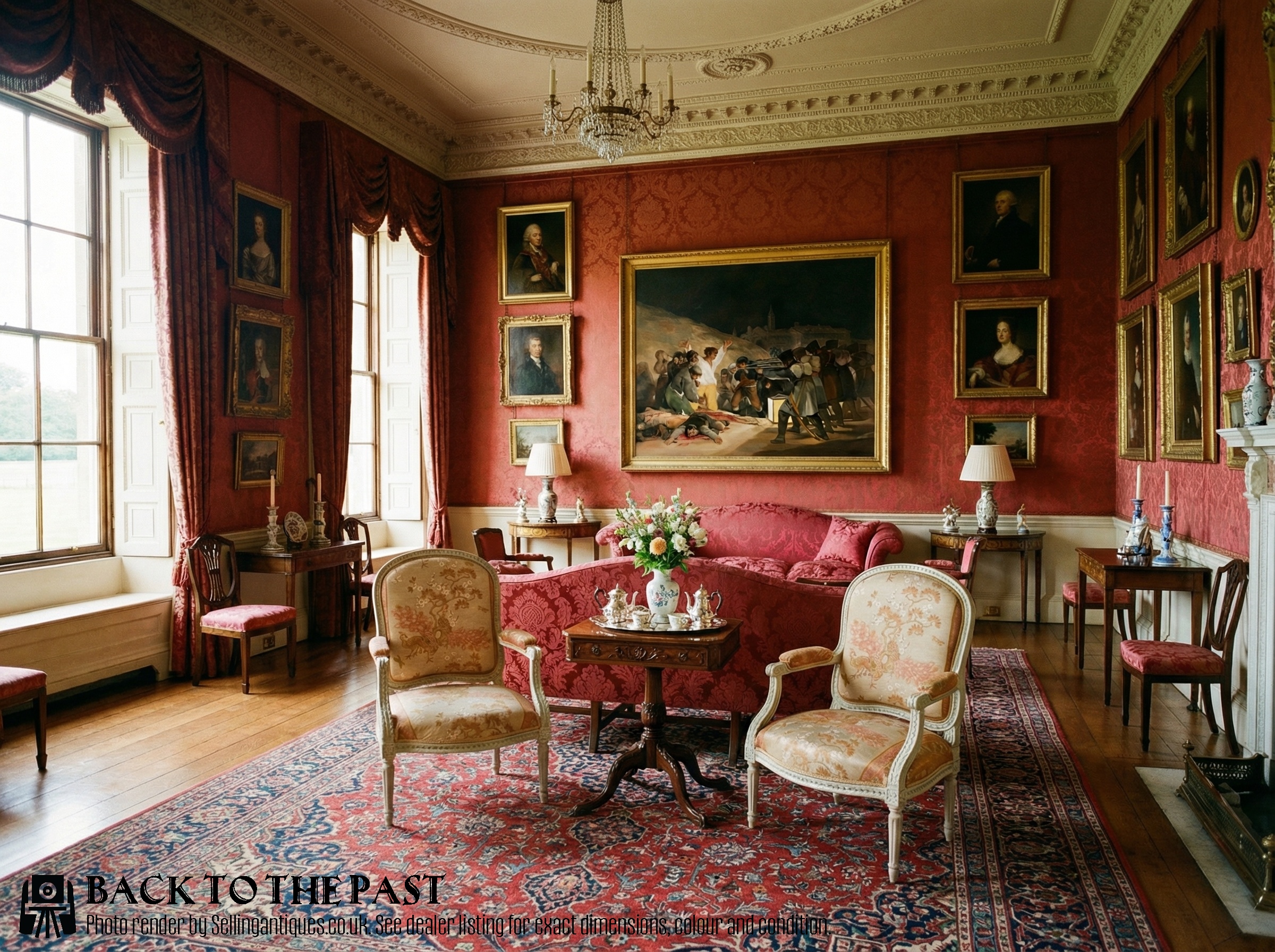
Louis xvi style seating suits drawing rooms and bedrooms requiring a classical French accent. Pairs of armchairs anchor a seating arrangement effectively.
Their upright proportions and carved frames complement traditional and eclectic interiors alike.
What woods are used?
Beech serves as the primary timber for these carved frames because it accepts detailed chisel work. Artisans then cover the wood with paint or gilding.
Brass elements sometimes appear as decorative mounts or hardware on the framework.