
Antique Fauteuil Chair
An antique fauteuil chair brings open-framed seating to a room, offering exposed wooden arms and upholstered comfort rooted in centuries of European design.
Antique Fauteuil Chair
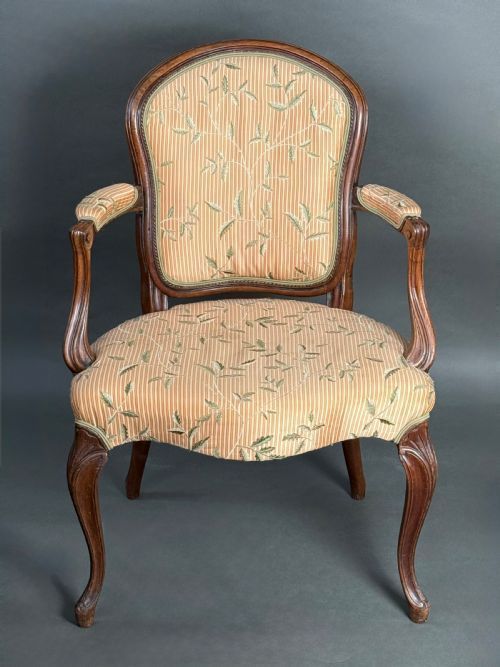
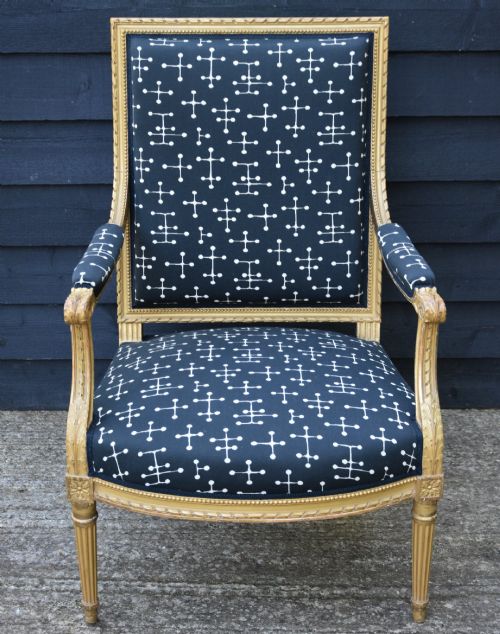
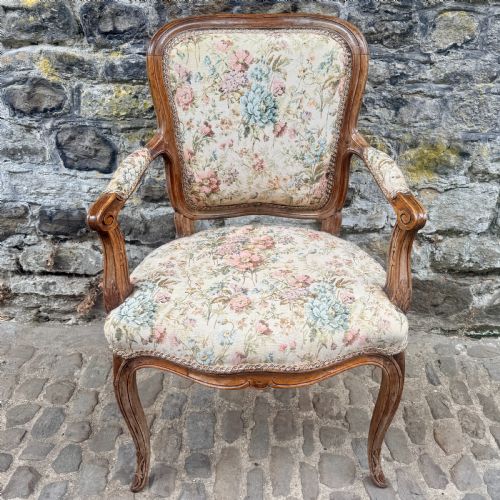
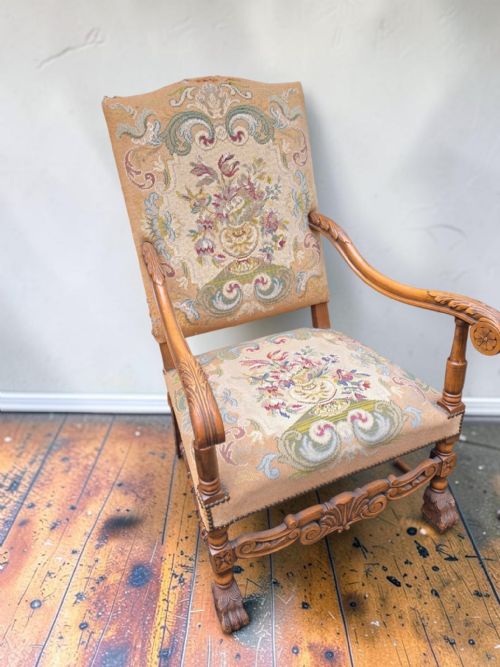
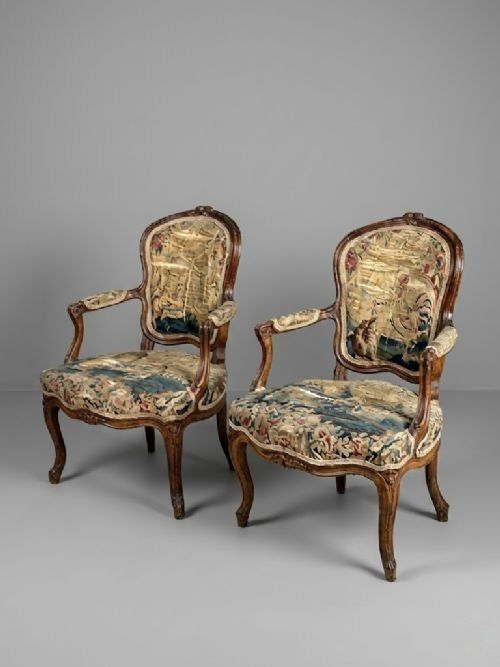
An antique fauteuil chair is an open-armed wooden seat originating in France, built for formal parlours and salons across the eighteenth and nineteenth centuries. The form spans several distinct stylistic movements, including Louis XV, Louis XVI, and later revival periods.
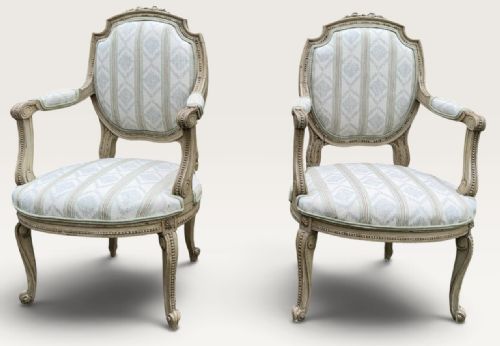
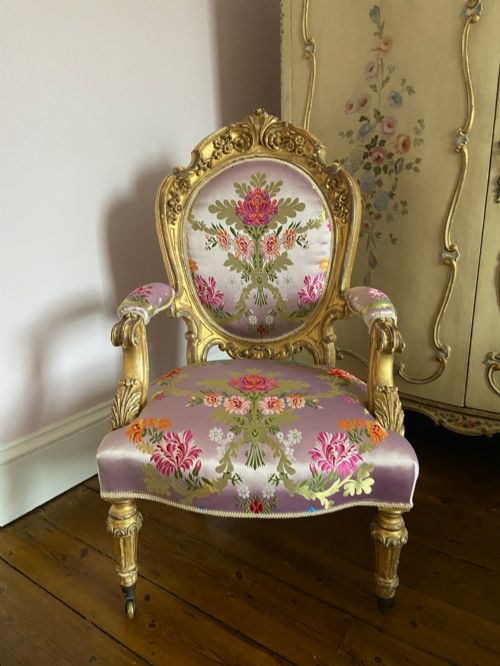
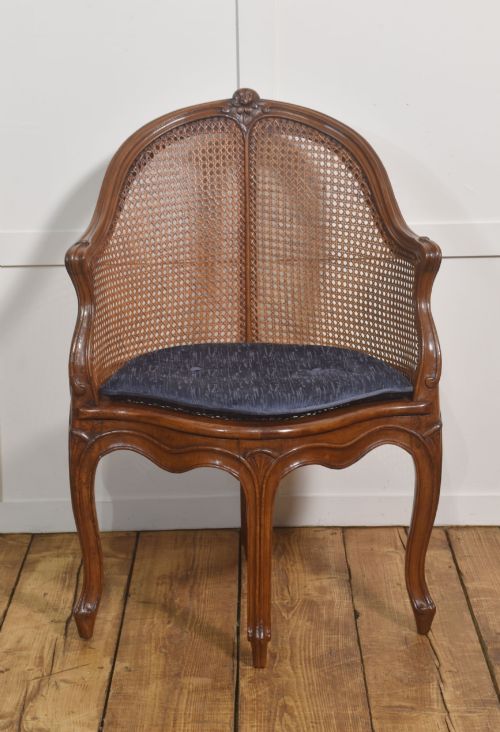
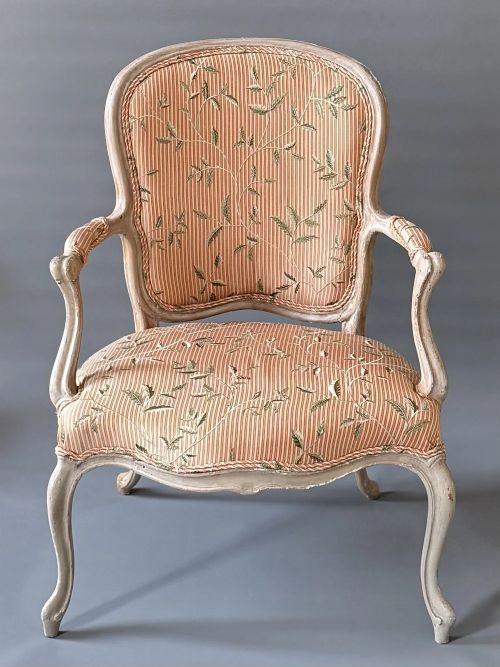
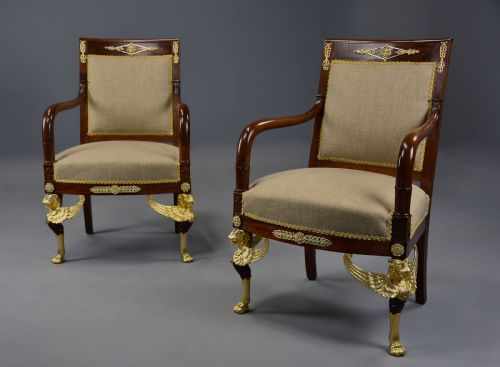
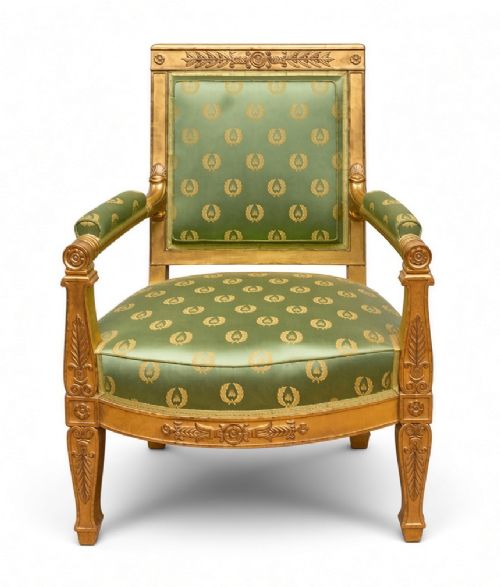
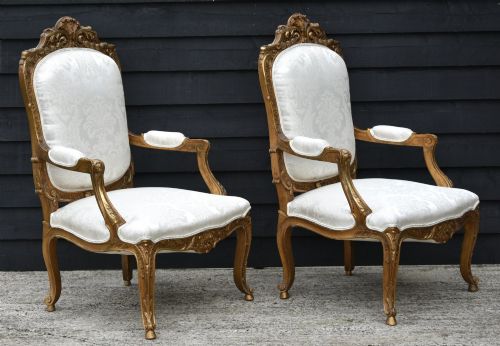
Buyers encounter examples ranging from walnut and giltwood frames to painted and parcel-gilt finishes. These chairs often feature low, wide seats and padded armrests designed to accommodate contemporary fashion and posture.
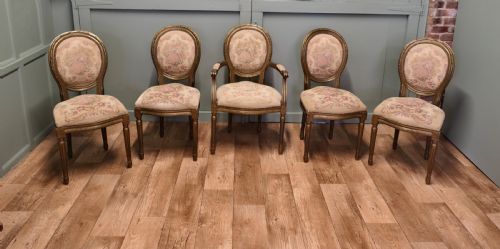
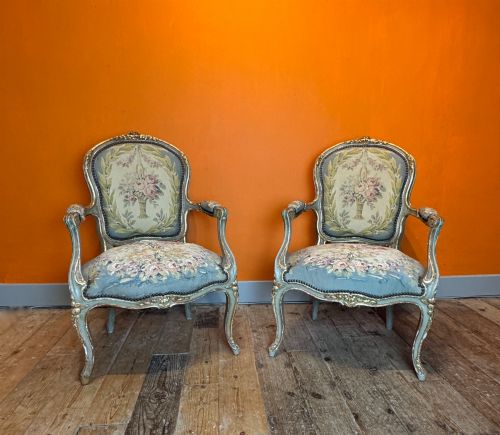
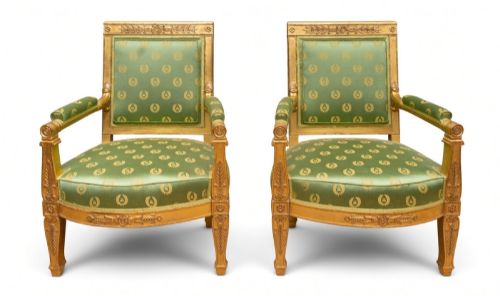
Surviving pieces appear in both single configurations and matched pairs, frequently retaining historic needlepoint, tapestry, or silk coverings. The selection extends from provincial workshops to metropolitan ateliers.
How they were made
Makers shaped the structural frames using hardwoods such as walnut, beech, and oak, carved by hand with floral motifs, scrolls, and fluting. Giltwood surfaces received layers of gesso and gold leaf over timber bases.
Upholstery techniques involved webbing, stuffing with natural fibres, and securing the outer textile with decorative brass tacks. Silk, velvet, and hand-woven tapestry provided the visible surface textures.
Antique Fauteuil Chair Retail Price Guide 2026
Typical asking prices for fauteuil chair among the pieces listed under this phrase on Sellingantiques today, from the lower quarter to the upper quarter. They describe what is for sale here now, not the wider market.
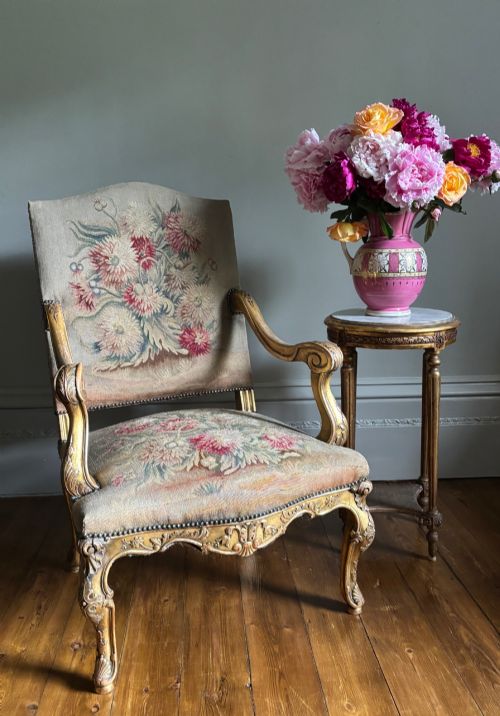
Upholstery materials recorded on these frames include Aubusson tapestry, silk, needlepoint, and leather.
What varies in quality
The crispness of the wood carving dictates much of the distinction between standard production and masterwork pieces. Deep, undercut relief work demonstrates superior artisan skill compared to shallow or mechanically shaped decoration.
The integrity of the original joinery and the survival of historic surface finishes, whether period paint, gilding, or polished walnut, influence the character of each example.
Jacob Desmalter·Henri Jacob·Thomas Chippendale·Blaise Maucuy
The Antique Fauteuil Chair Glossary
- Giltwood
- Timber coated with a thin layer of gold leaf over a prepared gesso ground. This finish appears frequently on formal salon seating.
- Tapestry
- A thick textile woven with pictorial designs on a vertical loom. These historic fabrics often survive on eighteenth and nineteenth-century frames.
- Caning
- Woven rattan or split cane used to form seat or back panels. It offers a lightweight, flexible alternative to solid upholstery.
- Restauration
- A French design period spanning the early nineteenth century, characterised by restrained classical lines. Pieces from this era often display rich mahogany or giltwood surfaces.
Antique Fauteuil Chair: Frequently Asked Questions
What distinguishes a fauteuil from a standard armchair?
A fauteuil specifically denotes an open-sided wooden armchair from the French tradition, featuring exposed structural framing around the upholstered back and armrests.
Enclosed upholstered armchairs typically conceal their wooden supports, whereas the fauteuil displays the carved woodwork as a primary decorative element.
How do I identify a Louis XV style chair?
Louis XV style framing relies on asymmetrical curves, cabriole legs, and naturalistic floral carvings without straight architectural lines. The contours flow smoothly from the crest rail down to the foot.
Later nineteenth-century revivals adopted these same serpentine shapes, making timber age and construction methods essential indicators of original date.
Were these chairs intended for everyday use?
Historic fauteuils served primarily as formal salon and drawing-room seating for entertaining guests rather than casual lounging. Their upright proportions reflected contemporary standards of posture and dress.
Placing them in modern settings works best in low-traffic areas or spaces where the exposed wooden frames remain protected from heavy daily wear.
What does original paint mean on an antique frame?
Original paint refers to the historic decorative surface applied during the initial manufacturing period, which has survived without later stripping or modern repainting. These surfaces often show craquelure and gentle wear.
Preserved historic paint provides evidence of the piece's age and stylistic evolution, distinguishing untampered examples from later decorated items.