




Painted Wood Fauteuil
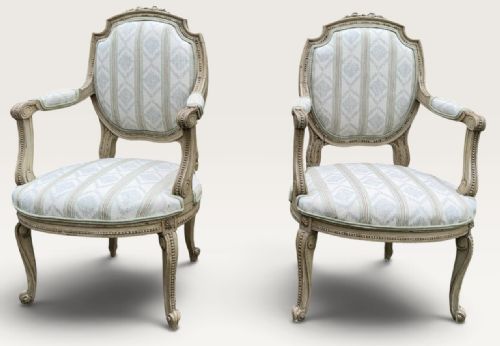
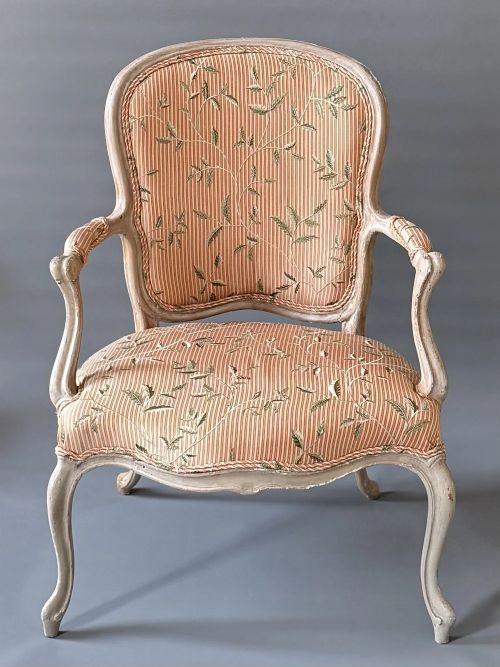
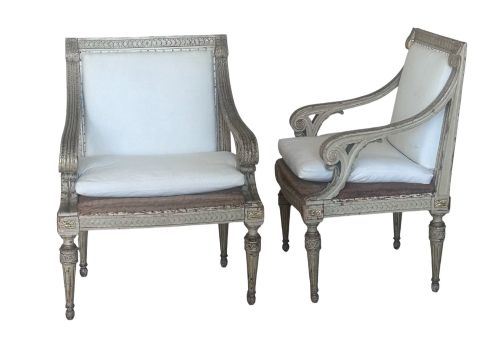
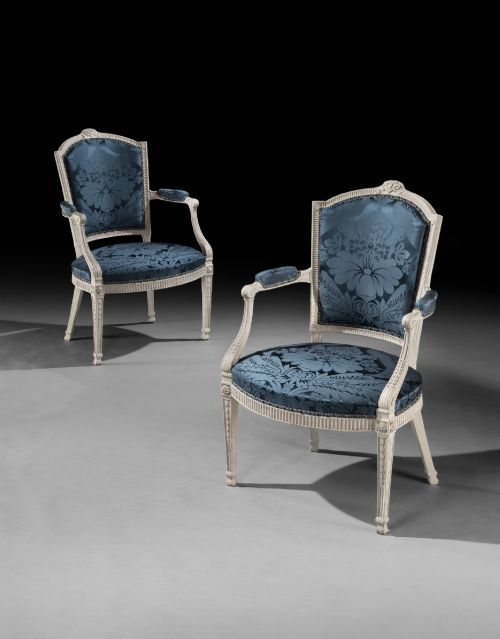
These painted wood fauteuils offer the enduring elegance of French seating, combining carved frames with decorative painted surfaces.
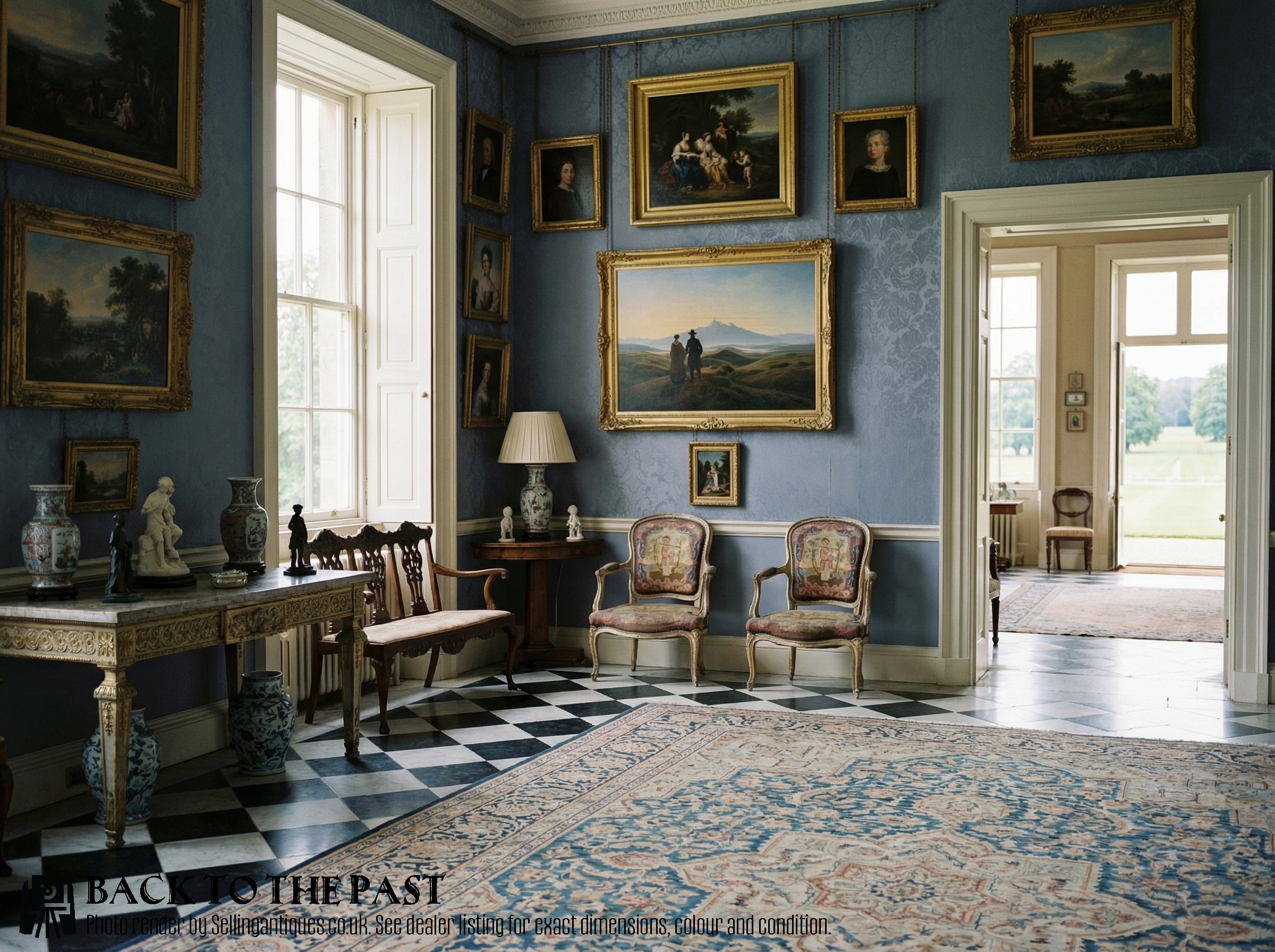
What they are
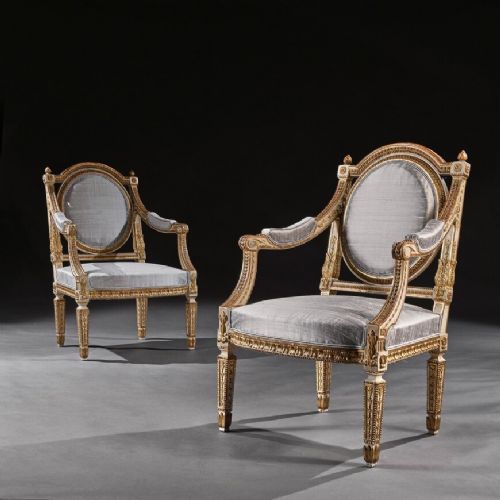
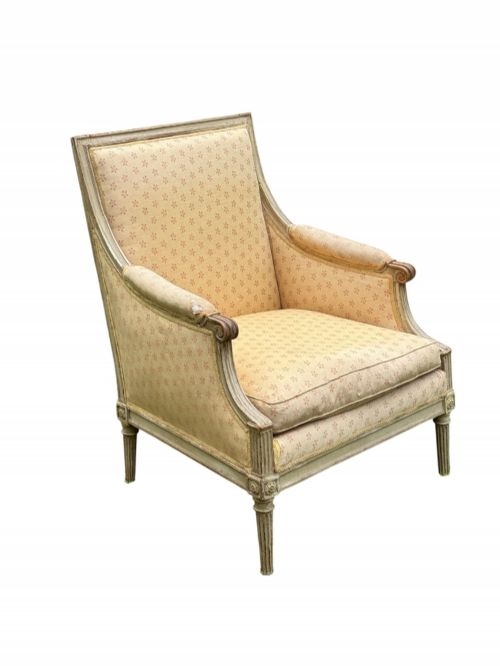
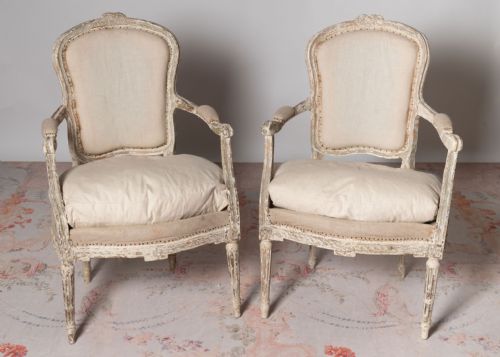
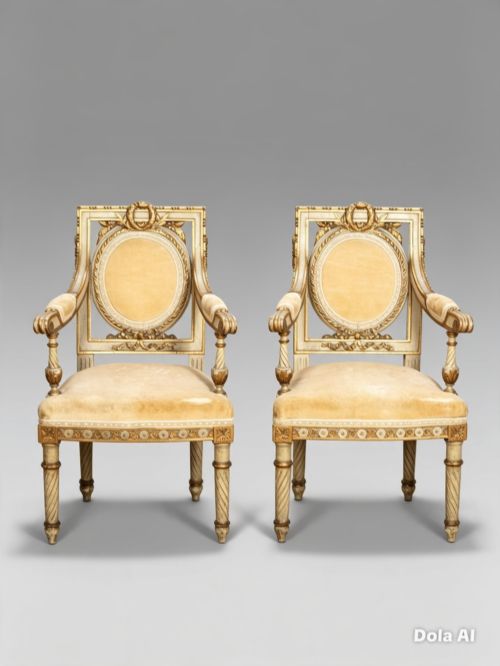
A painted wood fauteuil is an open-armed French armchair designed for formal reception rooms, featuring exposed wooden frames finished with paint or gesso. The pieces available span several distinct periods, including the eighteenth century, the mid and late nineteenth century, and the early twentieth century.
The selection includes pairs and sets of four chairs, with many examples styled in the manner of Louis XV and Louis XVI. Makers and designers drew heavily on historical French aesthetics, producing revival pieces alongside genuine eighteenth-century examples.
Most entries showcase traditional upholstery ranging from needlework and tapestry fabrics to hessian. These armchairs function both as decorative focal points and usable seating within classic interiors.
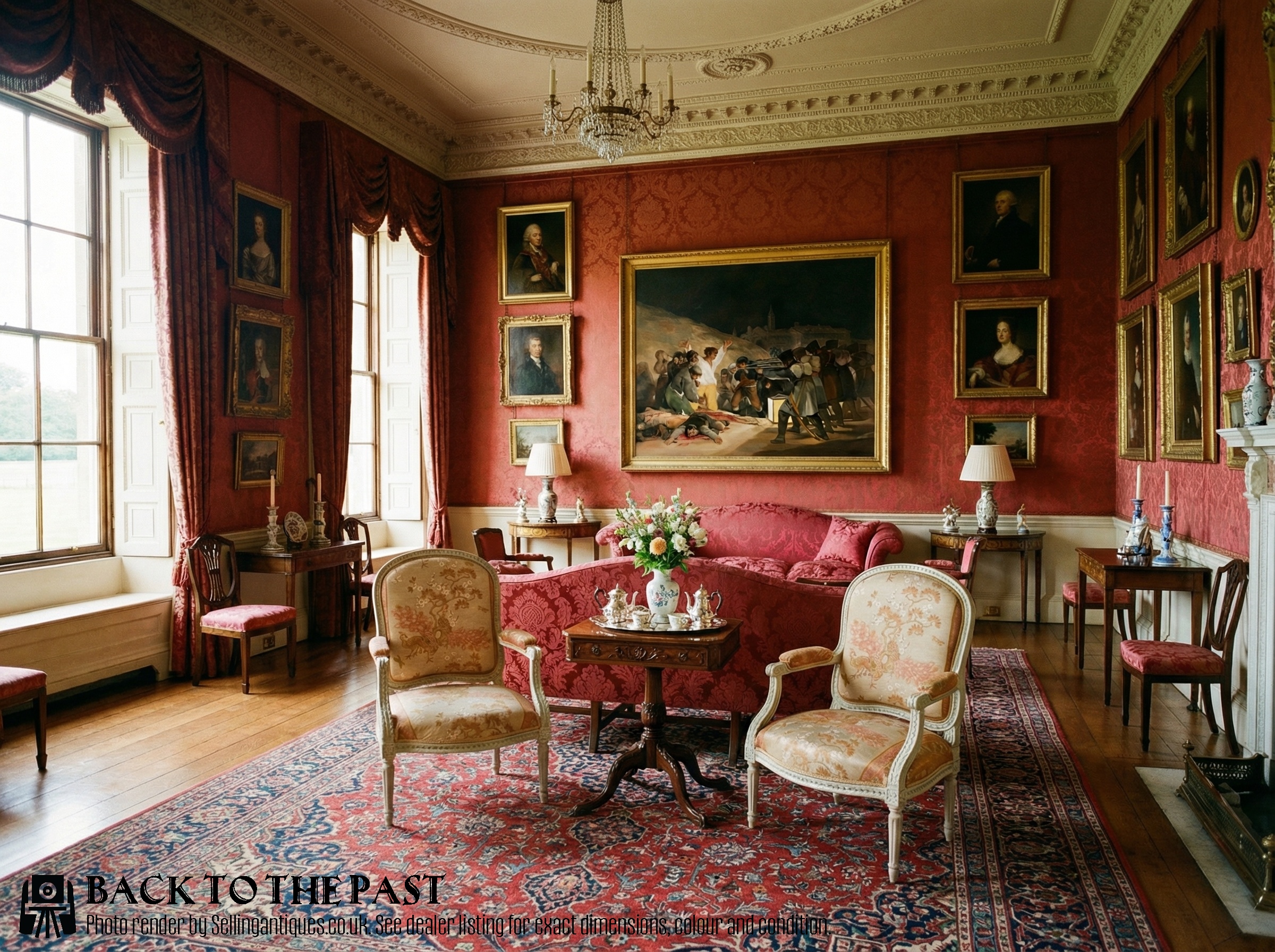
How they were made
Frames are constructed from timber such as beech, shaped into curved or straight lines characteristic of French chair design. Artisans applied gesso to prepare wooden surfaces before painting, creating a smooth base for decorative finishes.
Upholstery techniques involve traditional textiles including tapestry fabric and needlework secured over internal stuffing. Many pieces retain original paint finishes that have weathered naturally over generations.
Retail Price Guide 2026
Typical UK retail prices for painted wood fauteuil, calculated from the Sellingantiques database of over a million retail prices indexed since 2003. This retail price guide relies exclusively on Sellingantiques data; no external sources or auction records are used, so the figures do not describe the wider market.
Listings feature beech frames finished with gesso and paint, alongside upholstery in tapestry fabric, hessian and needlework.
What varies in quality
Quality rests in the crispness of the wood carving and the integrity of the original paint surface rather than applied decoration. Pieces from the eighteenth century demonstrate hand-carving depth that later nineteenth and twentieth-century revival pieces interpret with varying degrees of fidelity.
The survival of untouched original paint versus later overpainting alters the character and desirability of each armchair. Upholstery materials also distinguish the pieces, with hand-worked needlework representing a higher level of domestic craftsmanship than standard textile coverings.
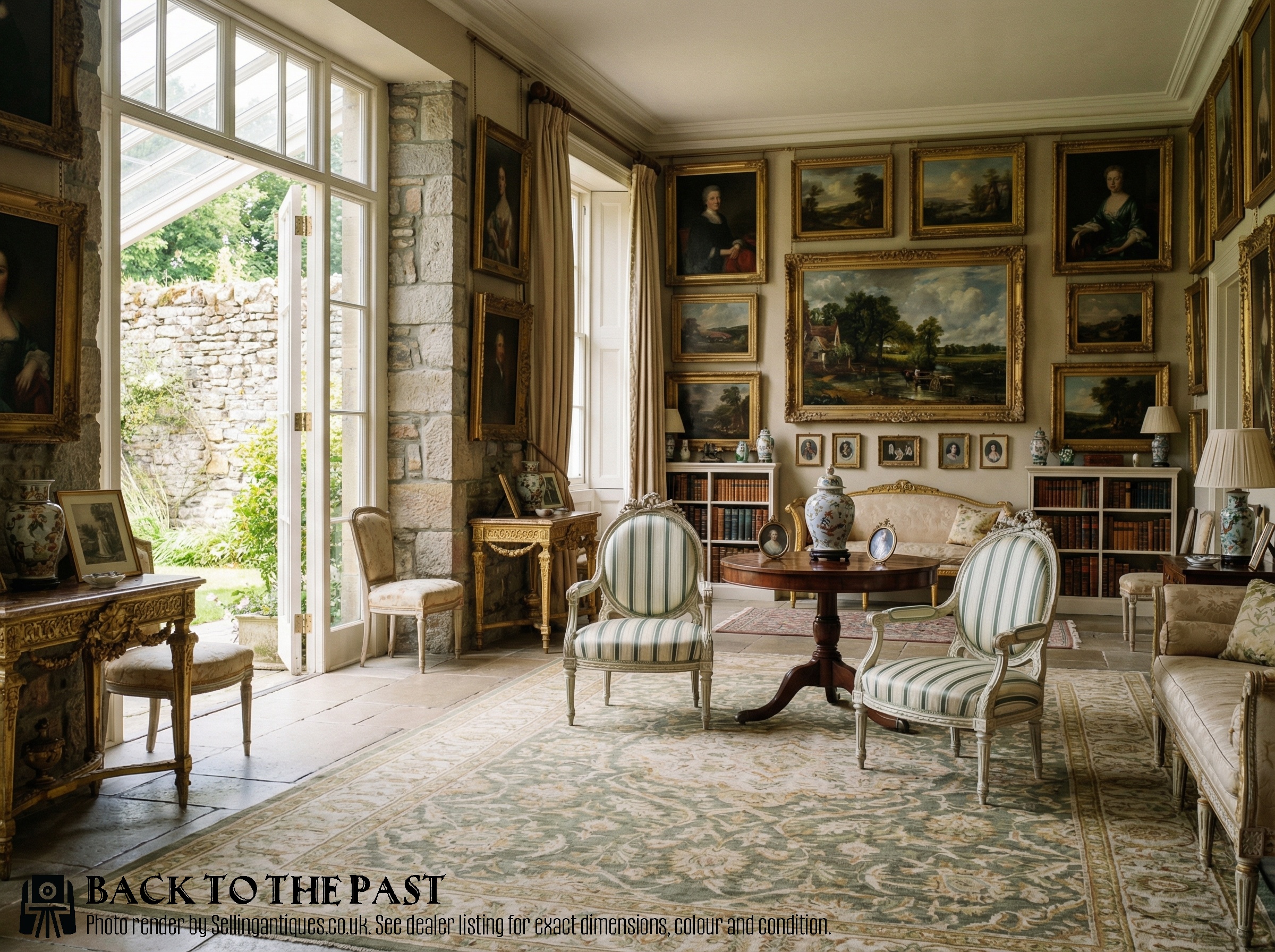
The Painted Wood Fauteuil Glossary
- Fauteuil
- An open-armed French armchair with upholstered seat, back and arm pads. This form developed in France during the seventeenth century for courtly comfort.
- Gesso
- A plaster-like mixture applied to wood frames to create a smooth surface for painting or gilding. It provides a crisp base for carved details.
- Louis XV Style
- A design aesthetic characterised by asymmetric curves, cabriole legs and floral motifs. This style experienced several nineteenth-century revivals.
- Louis XVI Style
- A neoclassical design vocabulary featuring straight tapered legs, fluting and geometric symmetry. It contrasts with the curving lines of the preceding reign.
- Needlework
- Hand-stitched textile work used historically for upholstery. Needlework covers often depict floral or pastoral scenes.
Frequently Asked Questions
How do I identify a revival piece?
Revival pieces date from the nineteenth or twentieth centuries but replicate earlier eighteenth-century French forms. Examination of the timber age, construction joints and tool marks helps differentiate a period original from a later interpretation.
Makers working during the late nineteenth and early twentieth centuries adopted Louis XV and Louis XVI styles with great technical skill. Comparing the sharpness of the carving and the composition of the gesso layers reveals the manufacturing era.
Are these chairs comfortable?
These chairs provide an upright and structured seat rather than deep lounging comfort. The supportive backrest and padded armrests reflect the polite posture expected in historic reception rooms.
Modern users often place them in sitting rooms or studies where their architectural frames stand out. They suit reading or conversation rather than sprawling relaxation.
How should I care for original paint?
Original painted surfaces require gentle dusting with a soft, dry cloth rather than liquid cleaners or polishes. Moisture can damage fragile gesso and nineteenth-century paint layers.
Keeping the chairs away from direct sunlight and strong heat sources protects the timber and textiles. Stable indoor humidity prevents the wood from shrinking and the paint from flaking.