
Mahogany Wingback Armchair
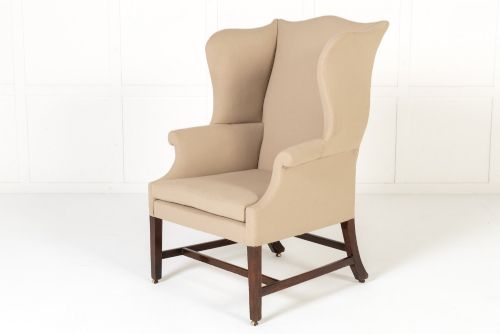
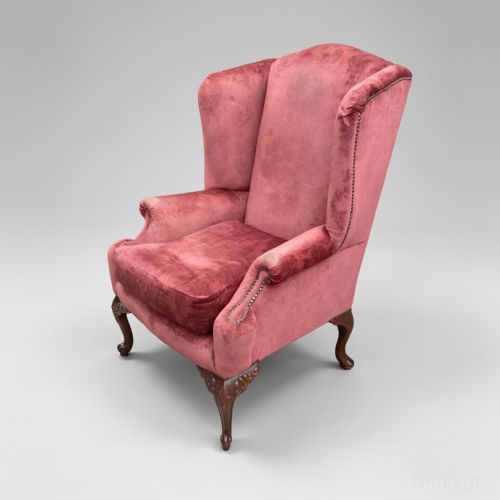
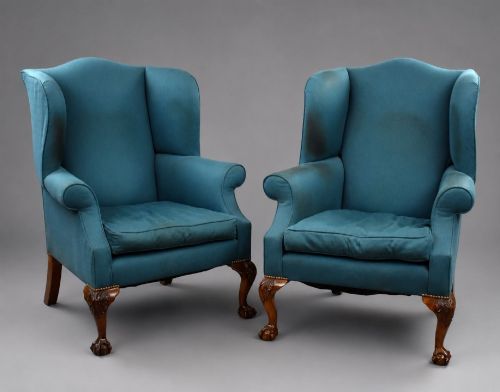
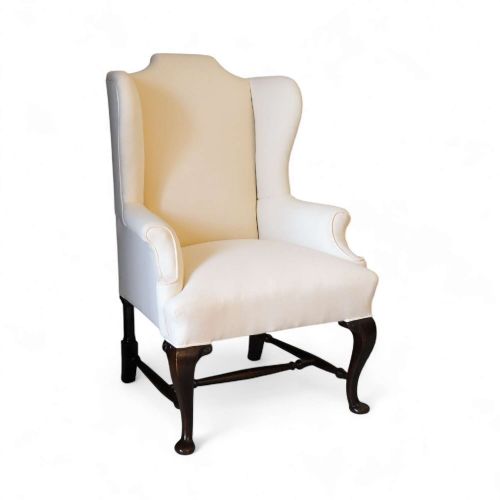
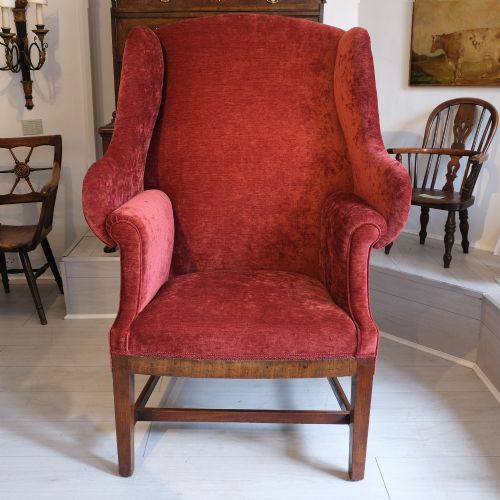
A mahogany wingback armchair brings draught-excluding comfort and classic proportions to a room, grounding the space with solid timber and high sides.
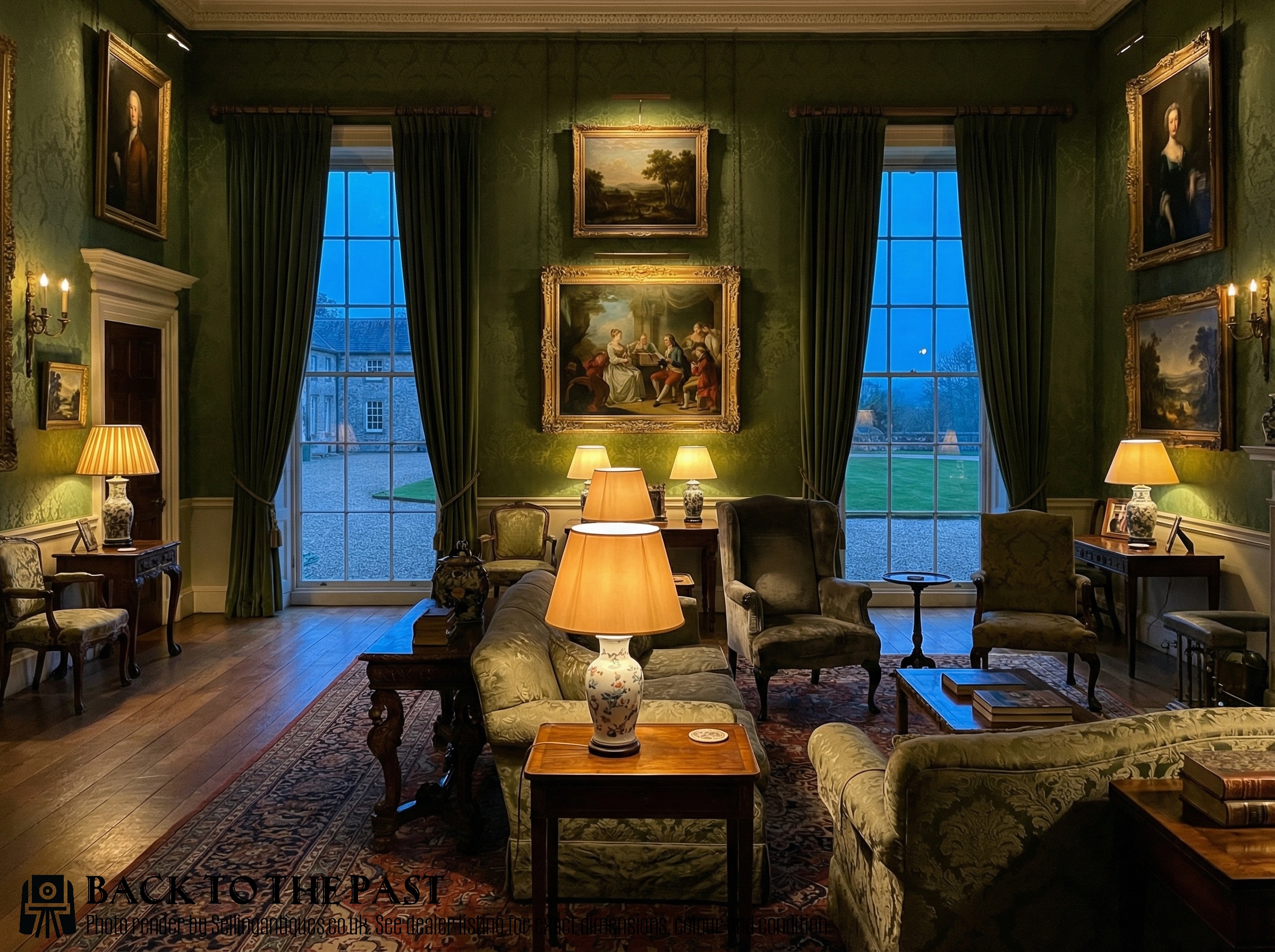
Mahogany Wingback Armchair
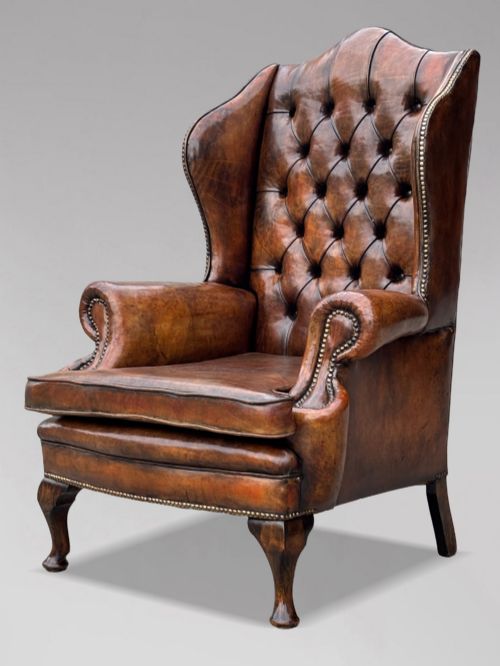
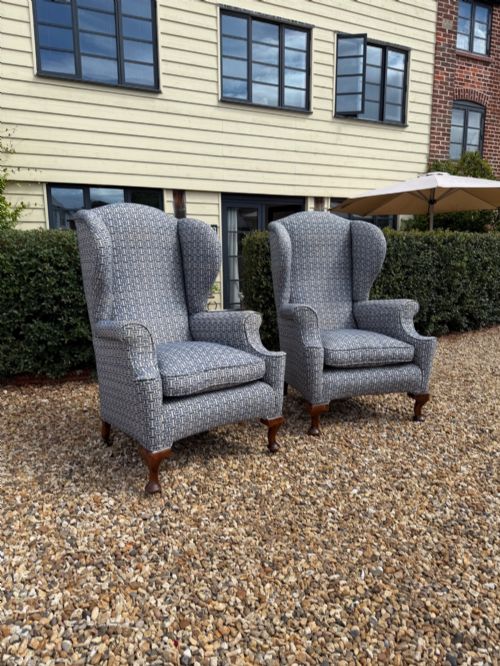
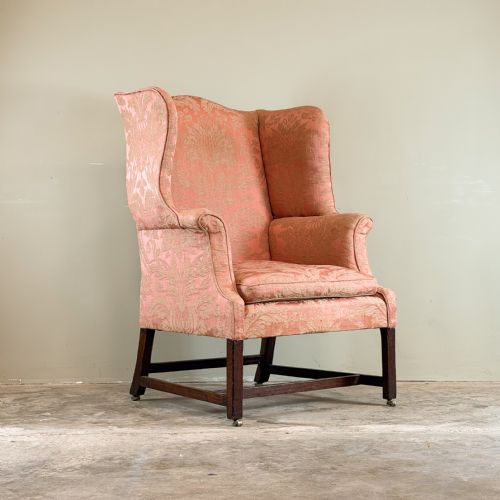
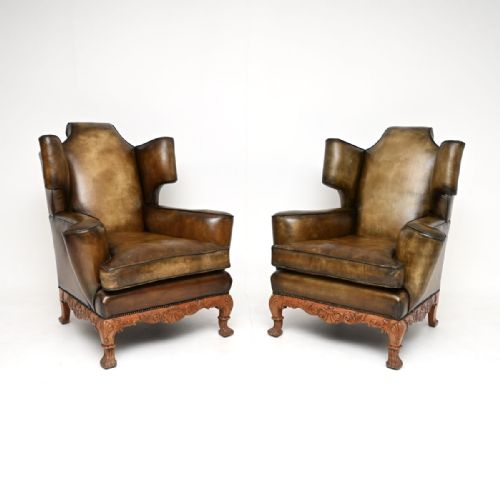
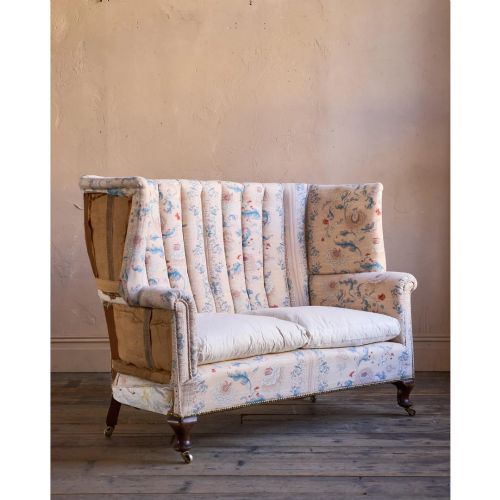
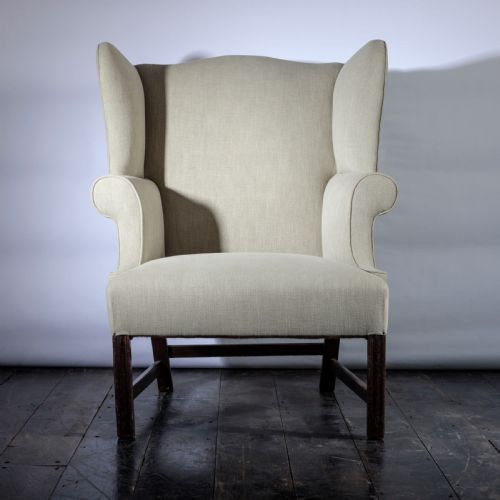
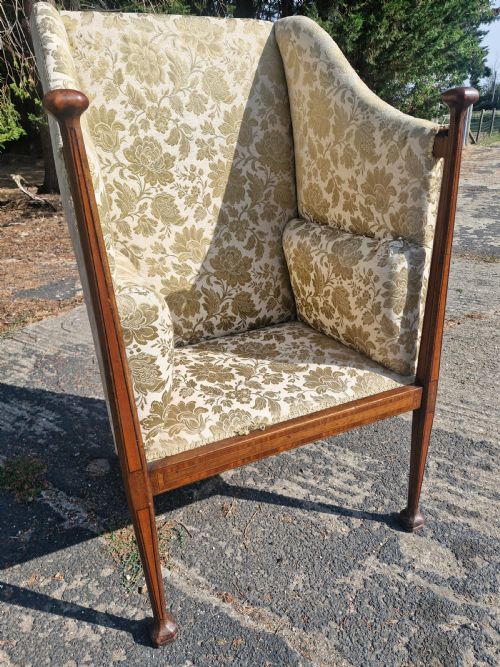
A mahogany wingback armchair is a high-backed seating form designed to shield the sitter from draughts, featuring distinctive side panels or wings attached to the arms. When searching for a mahogany wingback armchair, buyers encounter examples spanning from the eighteenth century through the Georgian and Victorian eras up to the early twentieth century.
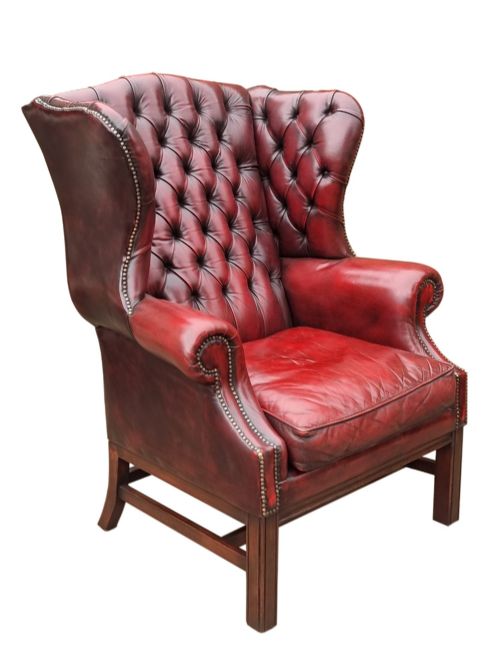
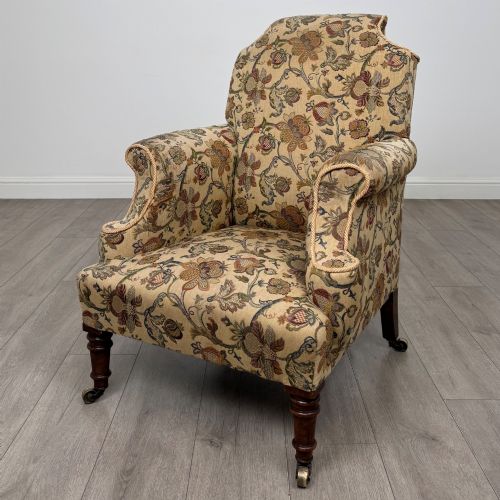
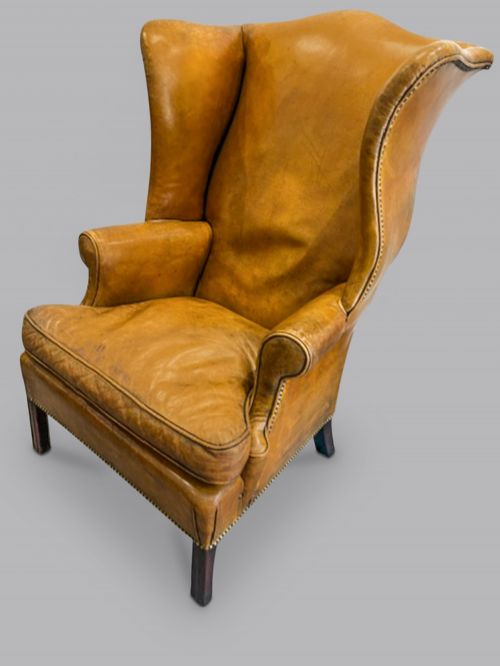
The selection ranges from generous Georgian and George III originals through revival pieces to later nineteenth and twentieth-century interpretations. Frames appear in solid mahogany, frequently accompanied by versions upholstered in leather, fabric, velvet, calico, or hessian.
How they were made
Maker construction relies on solid mahogany framing, often shaped with carved details or plain cabriole legs terminating in timber or brass castors. Supporting structures utilise traditional joinery methods to bear the weight of deep stuffing and internal webbing.
Upholstery techniques involve layers of horsehair, wool, or stuffing secured beneath top coverings of leather, chenille, linen, or cotton fabric. Brass tacking frequently secures the outer edges of leather hides and heavy textiles to the timber frame.
Mahogany Wingback Armchair Retail Price Guide 2026
Typical asking prices for mahogany wingback armchair among the pieces listed under this phrase on Sellingantiques today, from the lower quarter to the upper quarter. They describe what is for sale here now, not the wider market.
Early wings shielded cheeks from fireplace drafts while trapping coal heat, turning an armchair into a personal micro-climate.
What varies in quality
The integrity of the mahogany frame dictates much of the standing, separating chairs with crisp, deep carving from simpler or heavily restored carcasses. Proportions also differ, distinguishing balanced early forms from heavier later interpretations.
The choice of covering material and the fidelity of internal stuffing influence the tactile character of each piece. Retained original upholstery elements or historically sympathetic re-covering alter the overall integrity of the chair.
Howard And Sons·Whytock And Reid
The Mahogany Wingback Armchair Glossary
- Wingback
- An upholstered chair featuring flanking panels designed to trap heat and block room draughts. These protective sides extend from the armrests up to the top of the backrest.
- Cabriole leg
- A furniture leg that curves outward in a convex arc before tapering inward to a concave foot. This form derives from animal limbs and appears frequently on eighteenth-century seating.
- Calico
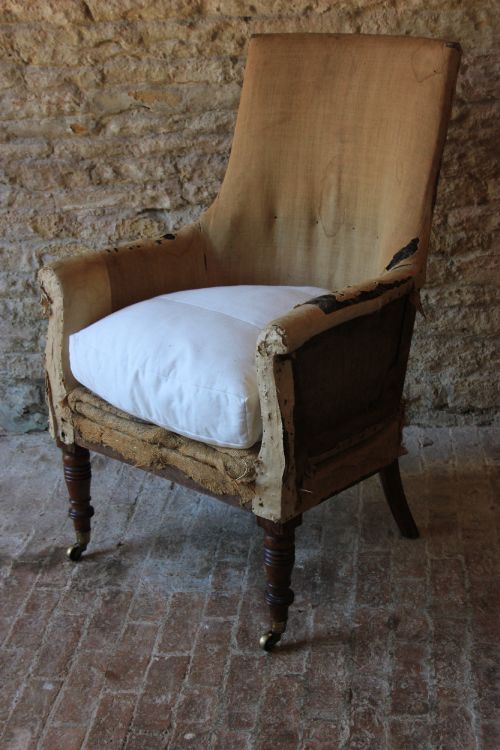
- A plain-woven unbleached cotton fabric used as a foundational inner upholstery layer. Chairs are frequently offered in calico to allow buyers to select their own final top covering.
- Hessian
- A coarse woven fabric made from jute fibres used for internal webbing and stuffing containment. It provides structural support beneath the visible outer upholstery.
- Brass castor
- A small swivelling wheel mounted in a brass fixture attached to the foot of a chair leg. This hardware allowed heavy seating to be moved across carpets and flooring.
Mahogany Wingback Armchair: Frequently Asked Questions
How do I identify a Georgian wing chair?
Georgian examples display hand-carved mahogany frames, often with stretchers connecting the legs and tightly stuffed wings designed to contain fireplace warmth.
Closer inspection reveals pegged joinery and timber characteristics consistent with eighteenth-century cabinet making rather than later mass production.
Are these chairs comfortable for daily use?
Most pieces offer deep seats and high backrests intended for relaxed sitting, reading, or resting beside a fireplace.
Internal padding varies depending on whether the stuffing is original or has been renewed with modern cushioning materials during past reupholstery.
What is a calico stage armchair?
A chair sold in its unbleached cotton inner lining without a final decorative fabric or leather top cover.
This presentation allows the purchaser to choose a specific upholstery fabric that matches their domestic interior scheme.
How do I care for leather wingback chairs?
Leather surfaces require occasional cleaning with appropriate conditioners to maintain suppleness and prevent the hide from drying out over time.
Keeping the timber frame away from direct heat sources protects the mahogany polish and prevents wood shrinkage.