


Satinwood Vanity Unit
A satinwood vanity unit brings pale timber and delicate grain into a bedroom, offering a functional surface for daily grooming.

Satinwood Vanity Unit
When you search for a satinwood vanity unit, you are looking at dressing tables, washstands, and dressing table mirrors designed for personal grooming. These pieces range from Victorian examples to Edwardian and Art Deco designs, taking forms such as dressing table chests and washstand cabinets.
The versions you are most likely to meet on this page date from the late nineteenth century through to the 1930s. They span Victorian, Edwardian, and Sheraton Revival styles alongside Art Deco work, representing bedroom furniture created for domestic use.
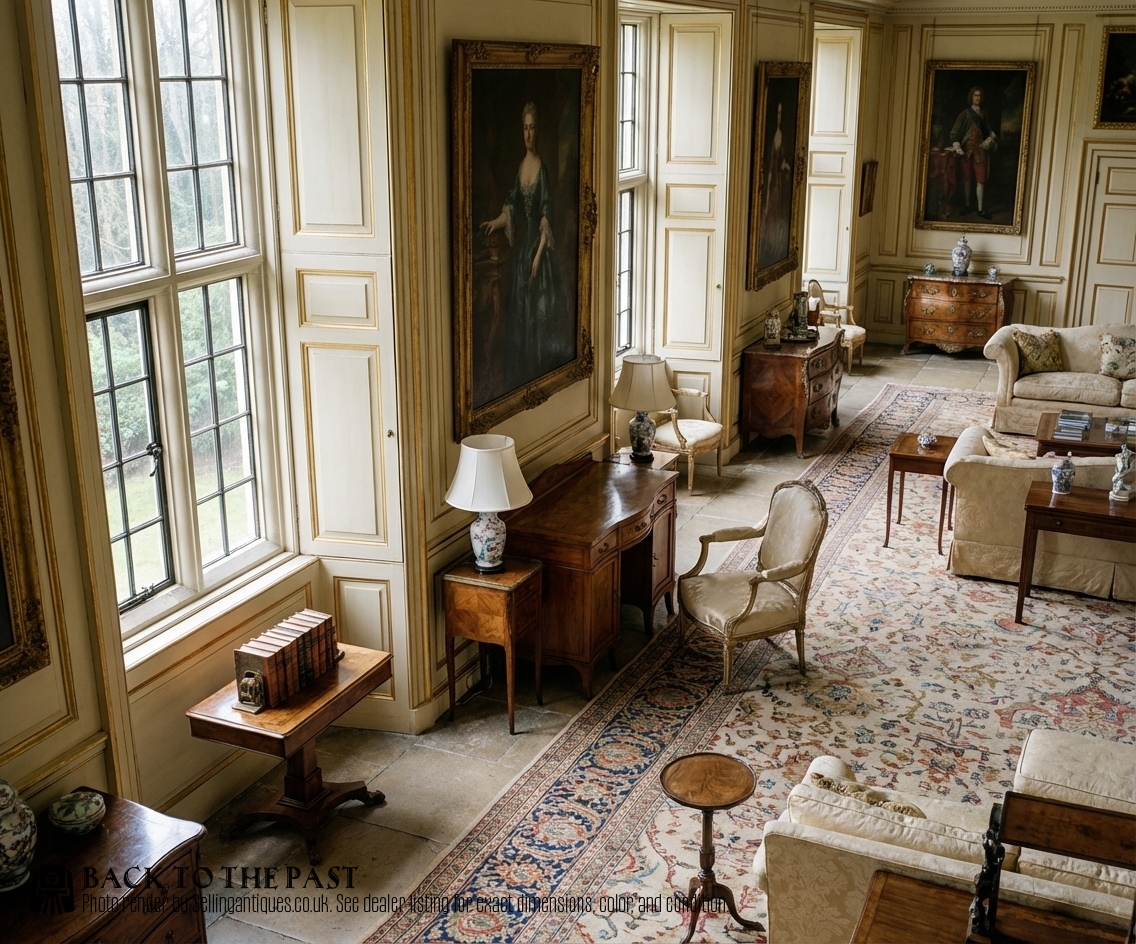
How they were made
These pieces are built using timbers such as satinwood, satin birch, birds eye maple veneer, and mahogany as a base structure. Cabinet makers shaped these woods into furniture frames and applied decorative surfaces.
Makers incorporated brass hardware, glass mirrors, and marble tops to complete the functional design. Surface decoration relied on inlay work and stencilling rather than heavy carving.
Satinwood Vanity Unit Retail Price Guide 2026
Typical asking prices for satinwood vanity unit among the pieces listed under this phrase on Sellingantiques today, from the lower quarter to the upper quarter. They describe what is for sale here now, not the wider market.
Listings feature items spanning the Victorian, Edwardian, and Art Deco periods, created in materials including satinwood, satin birch, and marble.
What varies in quality
Quality shows in the selection of timber veneers and the precision of the inlay work across the surfaces. Finer pieces demonstrate careful matching of grain patterns, particularly on larger drawer fronts and table tops.
The integration of fitted components, such as swivelling dressing table mirrors and marble inserts on washstands, distinguishes standard utility pieces from more ambitious cabinet work.
Gillows
The Satinwood Vanity Unit Glossary
- Satinwood
- A light-coloured, lustrous timber native to tropical regions, prized for its natural sheen and smooth texture. It is often utilised as a veneer on high-end bedroom furniture.
- Satin birch
- A pale North American hardwood with a distinctive satiny lustre, frequently substituted for satinwood in Edwardian and late Victorian cabinet making.
- Washstand
- A piece of bedroom furniture designed to hold a basin and jug for washing, often fitted with a marble top to protect the wood from water splashes.
- Birds eye maple veneer
- A decorative wood cut from maple trees showing small, circular figures resembling birds' eyes. It provides rich visual texture on drawer fronts and panels.
Satinwood Vanity Unit: Frequently Asked Questions
What is a satinwood vanity unit?
A satinwood vanity unit is a piece of bedroom furniture designed for grooming, typically taking the form of a dressing table or washstand made from pale satinwood timber.
These items date predominantly from the late Victorian and Edwardian eras, as well as the Art Deco period of the 1930s.
How do I clean satinwood furniture?
Cleaning requires a soft, dry cloth to remove dust without scratching the polished wooden surface or delicate veneer. Avoid using harsh chemical sprays or excess water, which can damage the timber and any inlaid details.
Applying a specialist furniture wax occasionally helps to nourish the wood and maintain its natural lustre.
How do I identify an Edwardian piece?
Edwardian furniture generally exhibits lighter proportions and simpler lines than heavier Victorian designs. These pieces often feature Sheraton Revival influences, including subtle stringing and floral inlay.
Construction methods from this era also show machine-assisted precision alongside traditional hand joinery.
Where were these pieces used?
These items were made for domestic bedrooms and dressing rooms in large houses and town residences. They provided a dedicated space for washing, dressing, and personal care before en-suite bathrooms became common.
Washstands were placed near sleeping quarters, while dressing tables sat beneath windows to catch natural light.