
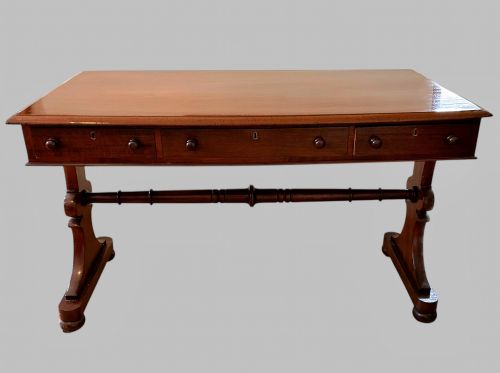
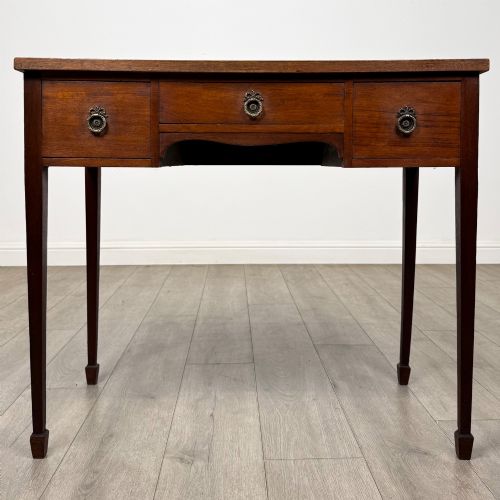
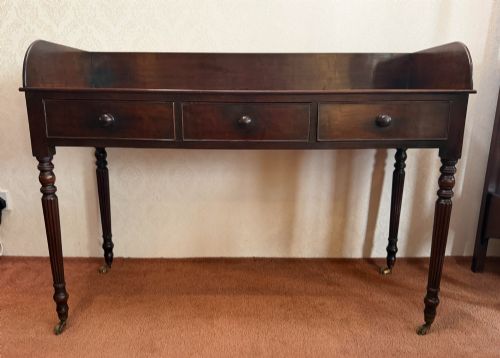
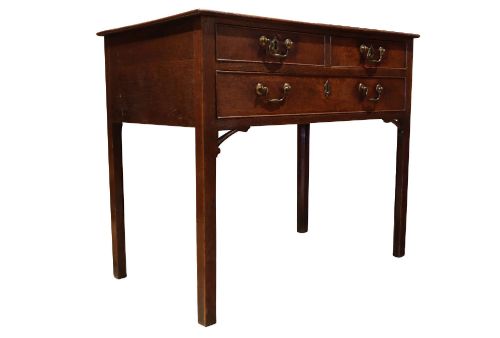



Three Drawer Writing Desk
A three drawer writing desk brings period utility to a room, offering compact surface space and useful storage beneath.
Three Drawer Writing Desk
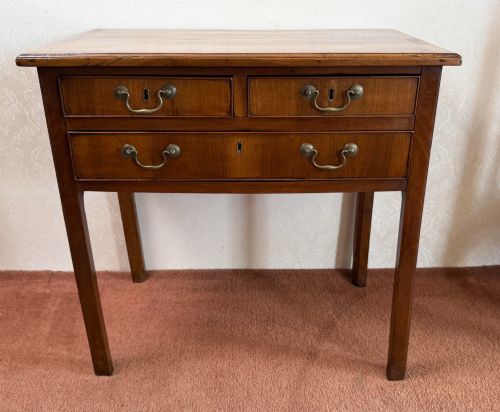
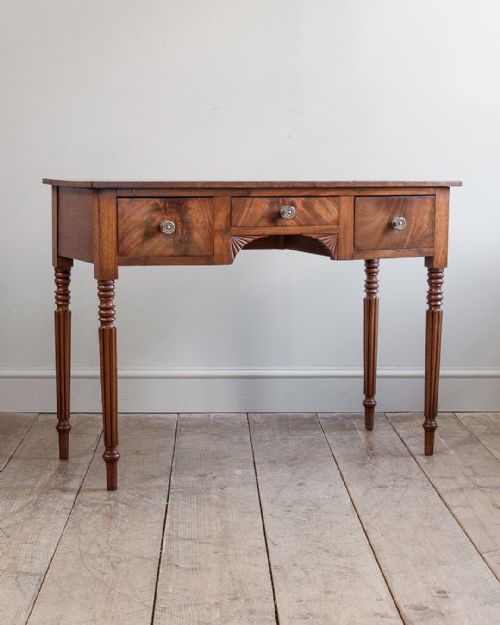
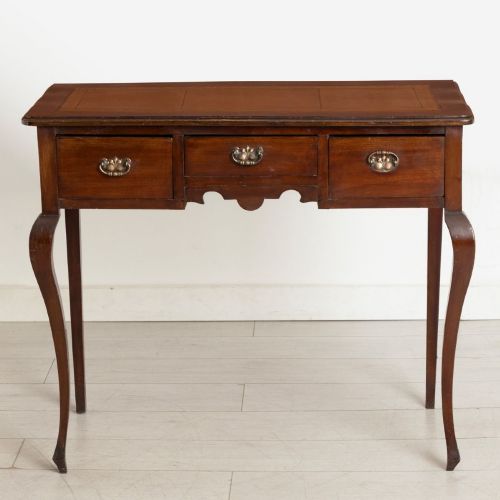
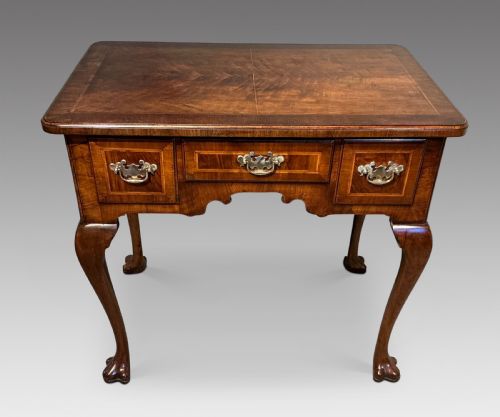
A three drawer writing desk encompasses lowboys, side tables, and writing tables originating from eighteenth, nineteenth, and early twentieth century periods. These tables bridge the gap between working surfaces and occasional furniture, serving various domestic roles throughout the home.
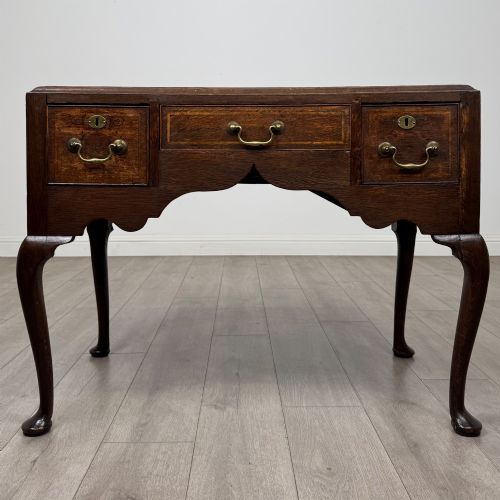
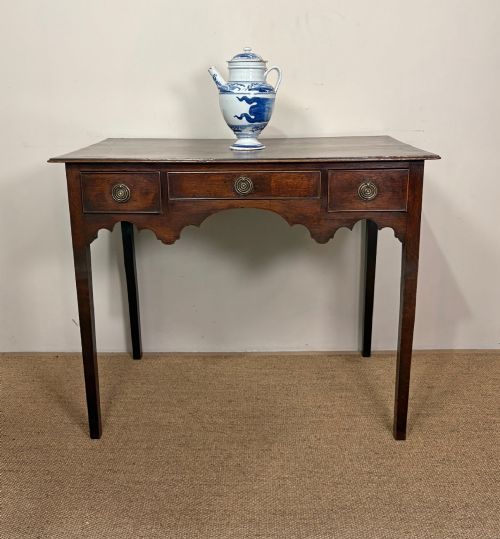
The version most commonly met on this page is the lowboy or side table featuring three drawers, typically constructed in mahogany, oak, or walnut. Pieces span Georgian, Victorian, and Edwardian eras, reflecting both formal design and country house practicality.
How they were made
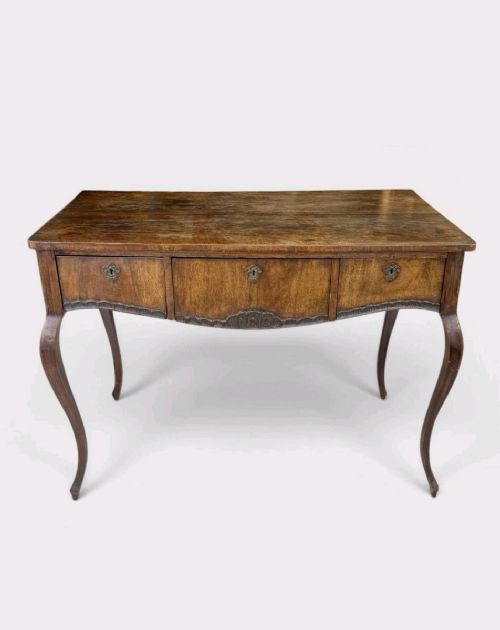
Cabinet makers utilised solid hardwoods and veneers such as mahogany, oak, walnut, and burr walnut veneer, often incorporating brass handles and leather inserts for writing surfaces. Regional workshops also employed fruitwood, elm, and painted wood.
Construction techniques evolved across the periods represented, from eighteenth century joinery in oak and walnut to nineteenth century mahogany framing and twentieth century revival methods.
Three Drawer Writing Desk Retail Price Guide 2026
Typical asking prices for three drawer writing desk among the pieces listed under this phrase on Sellingantiques today, from the lower quarter to the upper quarter. They describe what is for sale here now, not the wider market.
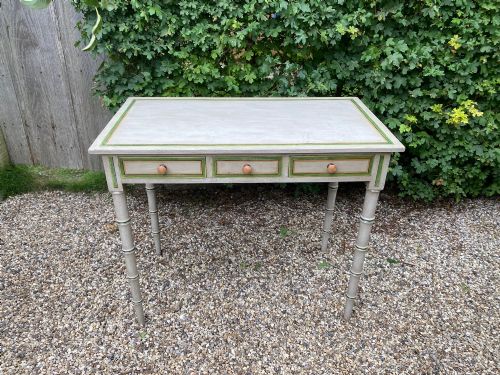
Faux bamboo paintwork brings a playful nineteenth century touch to practical timber writing surfaces.
What varies in quality
Timber selection and grain figure dictate much of the visual distinction between examples, with burr walnut and finely figured mahogany marking out superior output. The crispness of carved detail and the proportion of the drawers relative to the frame also influence the overall standard.
Internal construction, including drawer linings and the integrity of joints, separates standard regional cabinet making from finer workshop production. Surviving original hardware and leather inserts add to the integrity of a piece.
The Three Drawer Writing Desk Glossary
- Lowboy
- A small table with drawers, typically raised on four legs, used historically as a dressing table or side table. This form forms a substantial part of the selection.
- Bureau plat
- A flat-topped writing desk, often finished with leather and mounted with ormolu, drawing on continental design. Such pieces reflect more formal decorative schemes.
- Ormolu
- Gilt-bronze mounts applied to furniture for decorative effect. They appear on specific revival pieces in the archive.
- Kneehole
- A recessed space beneath the central drawers of a desk or dressing table to accommodate the user's legs. This arrangement allows for comfortable seating while writing.
Three Drawer Writing Desk: Frequently Asked Questions
What is the difference between a lowboy and a writing table?
A lowboy traditionally refers to a low table with drawers often utilised as a dressing or side table in eighteenth century rooms. Writing tables are specifically proportioned for seated work and frequently incorporate inset leather tops.
Over time, forms overlapped as domestic needs shifted, meaning many lowboys functioned equally well for correspondence and paperwork.
How do I identify a Georgian three drawer desk?
Georgian pieces typically display proportions rooted in eighteenth century design, utilising native timbers like oak, mahogany, and walnut. Hand-cut dovetails and period brass hardware offer key indicators of age.
Revival pieces from later centuries mimic these stylistic traits, so examining timber ageing and construction methods helps clarify the date of manufacture.
Where were these tables used in a period home?
These tables served multiple functions across different rooms, appearing in reception halls, bedrooms as dressing tables, and studies as compact writing desks. Their modest footprint made them versatile for placement against walls or in smaller chambers.
In contemporary spaces, they adapt well as hallway consoles or slim bedroom writing desks.
What woods should I expect to find?
Oak and mahogany appear most frequently across the listings, alongside walnut, burr walnut veneer, fruitwood, and elm. Regional workshops often utilised local timber such as oak, while metropolitan makers favoured mahogany.
Painted wood and lacquer finishes also occur, representing specific decorative traditions from the nineteenth century.