


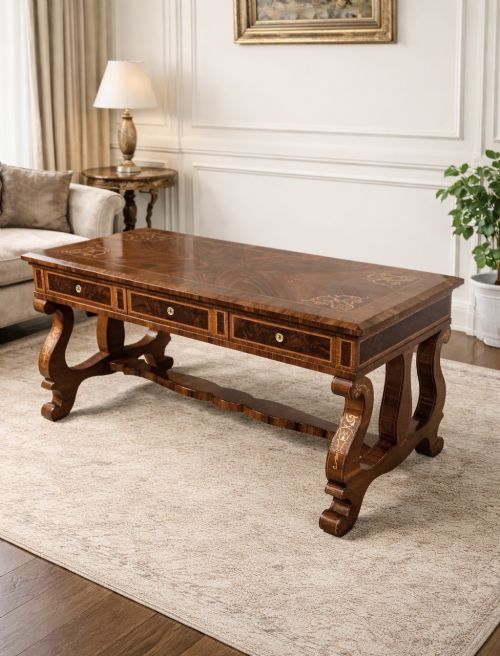
Traditional Walnut Desk
A traditional walnut desk brings rich grain and classic form to a room, offering a sturdy workspace built from enduring timber.
What these desks are
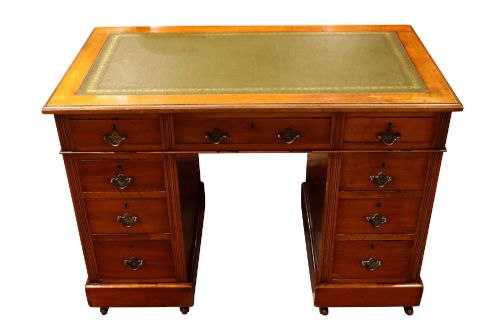
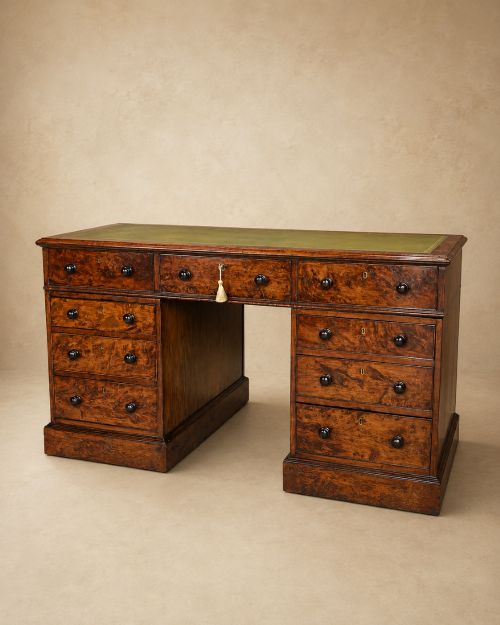
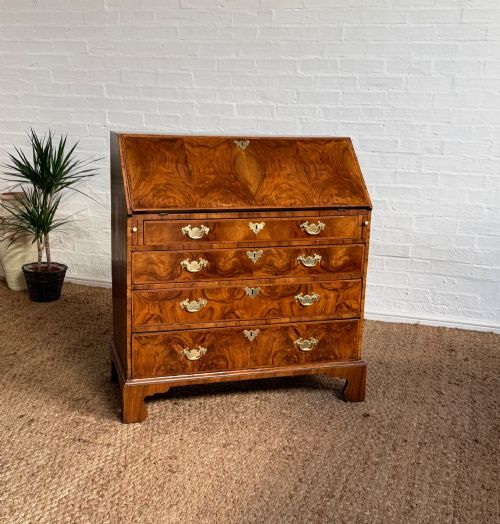
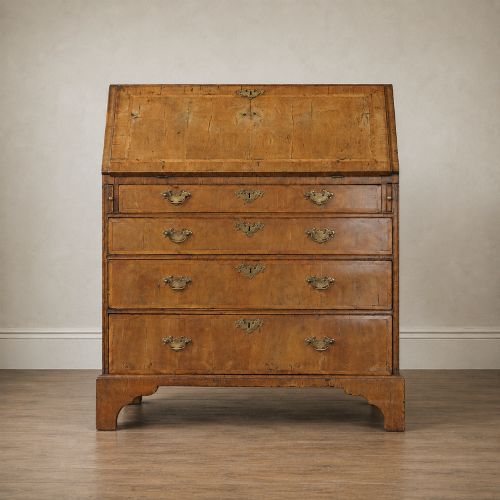
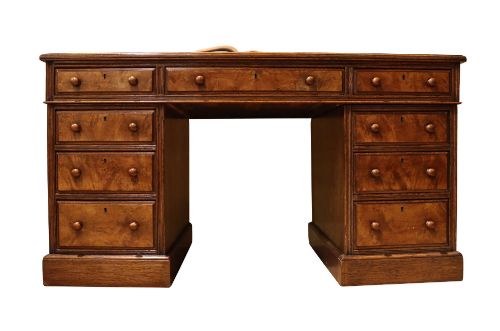
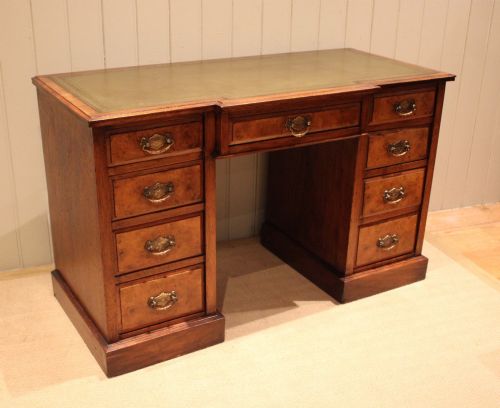
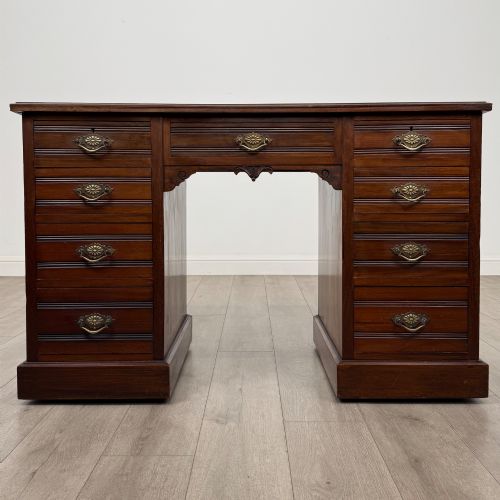
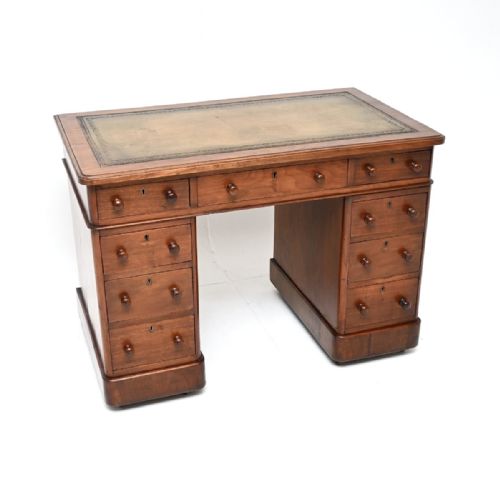
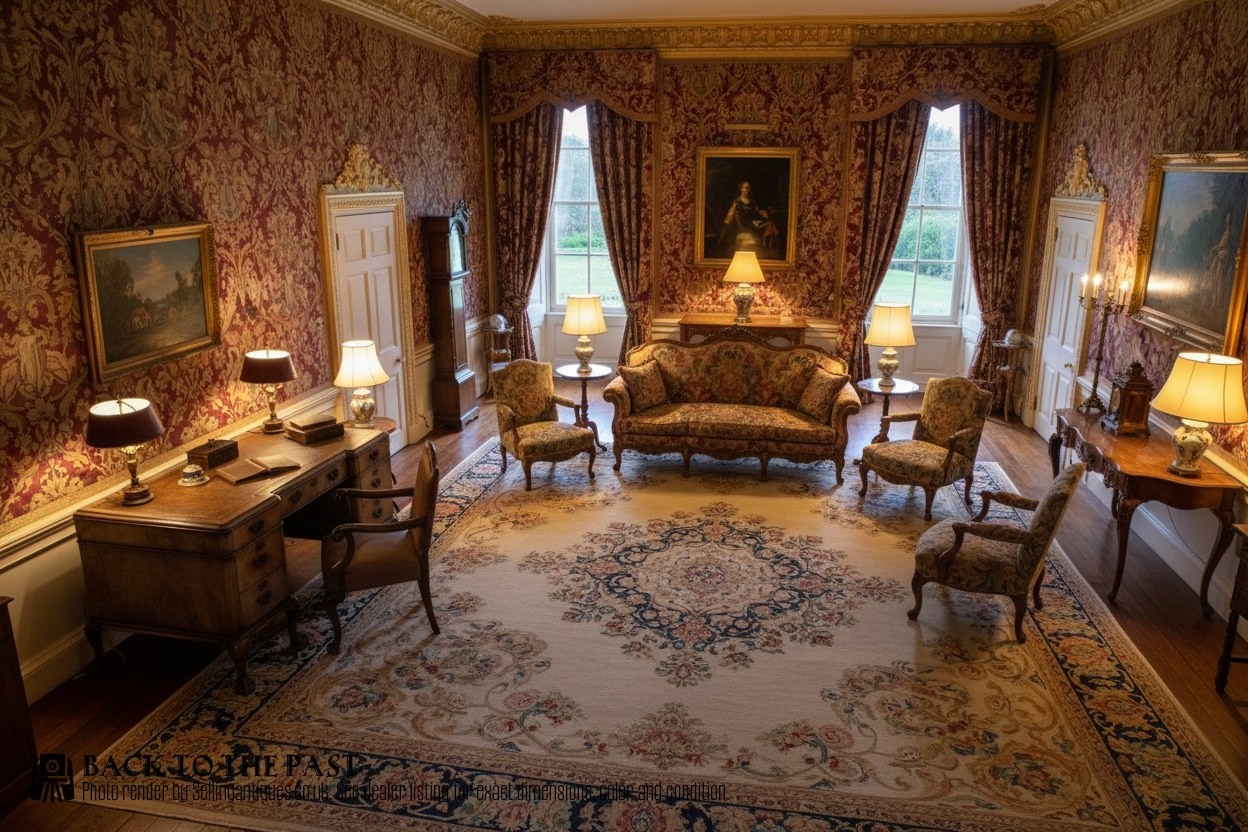
A traditional walnut desk covers a range of practical writing furniture originating from the Georgian period through to the early twentieth century. Buyers seeking a traditional walnut desk encounter twin pedestal formats, slope-front bureaux, and bureau bookcases that showcase the timber's natural warmth.
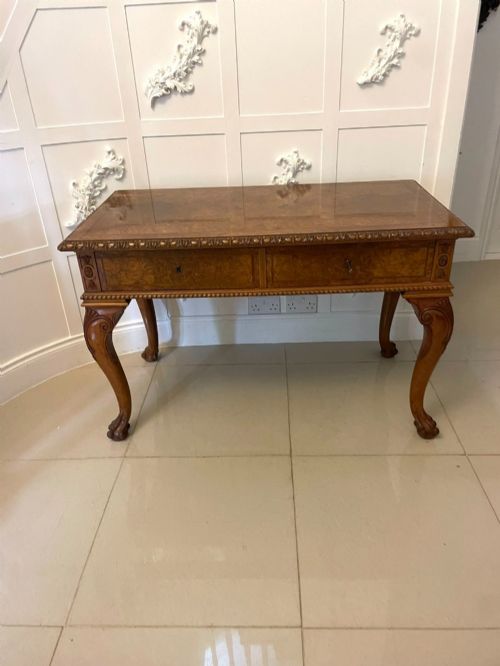
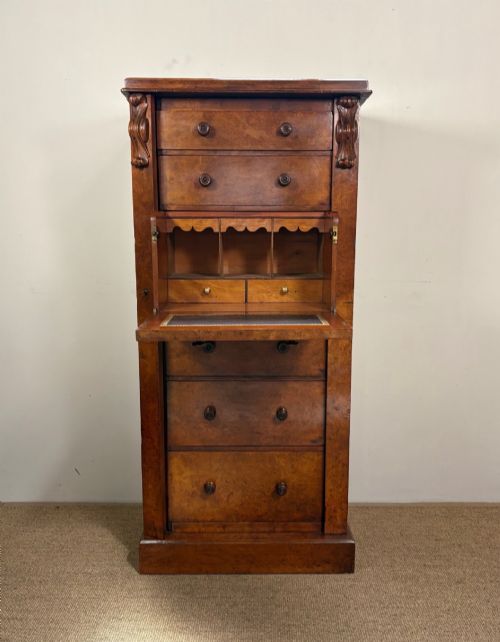
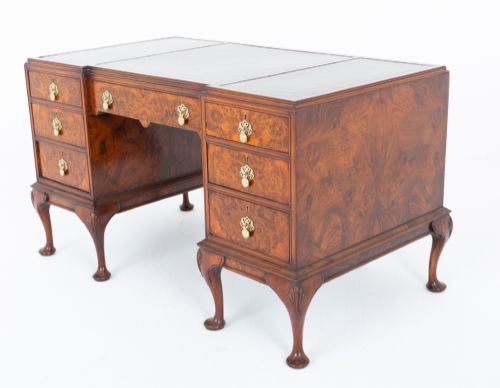
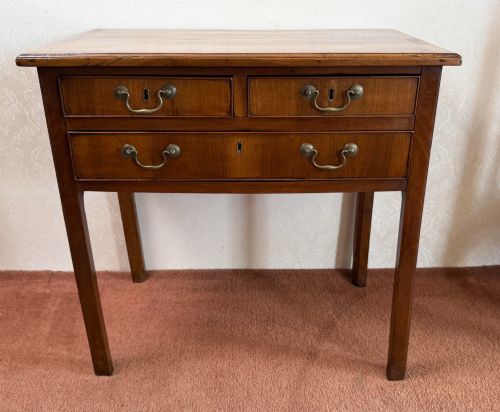
The selection on this page spans Victorian writing tables, Queen Anne style pieces, and early twentieth-century interpretations. These forms provide deep writing surfaces and integrated storage drawers designed for daily correspondence and administration.
How they were made
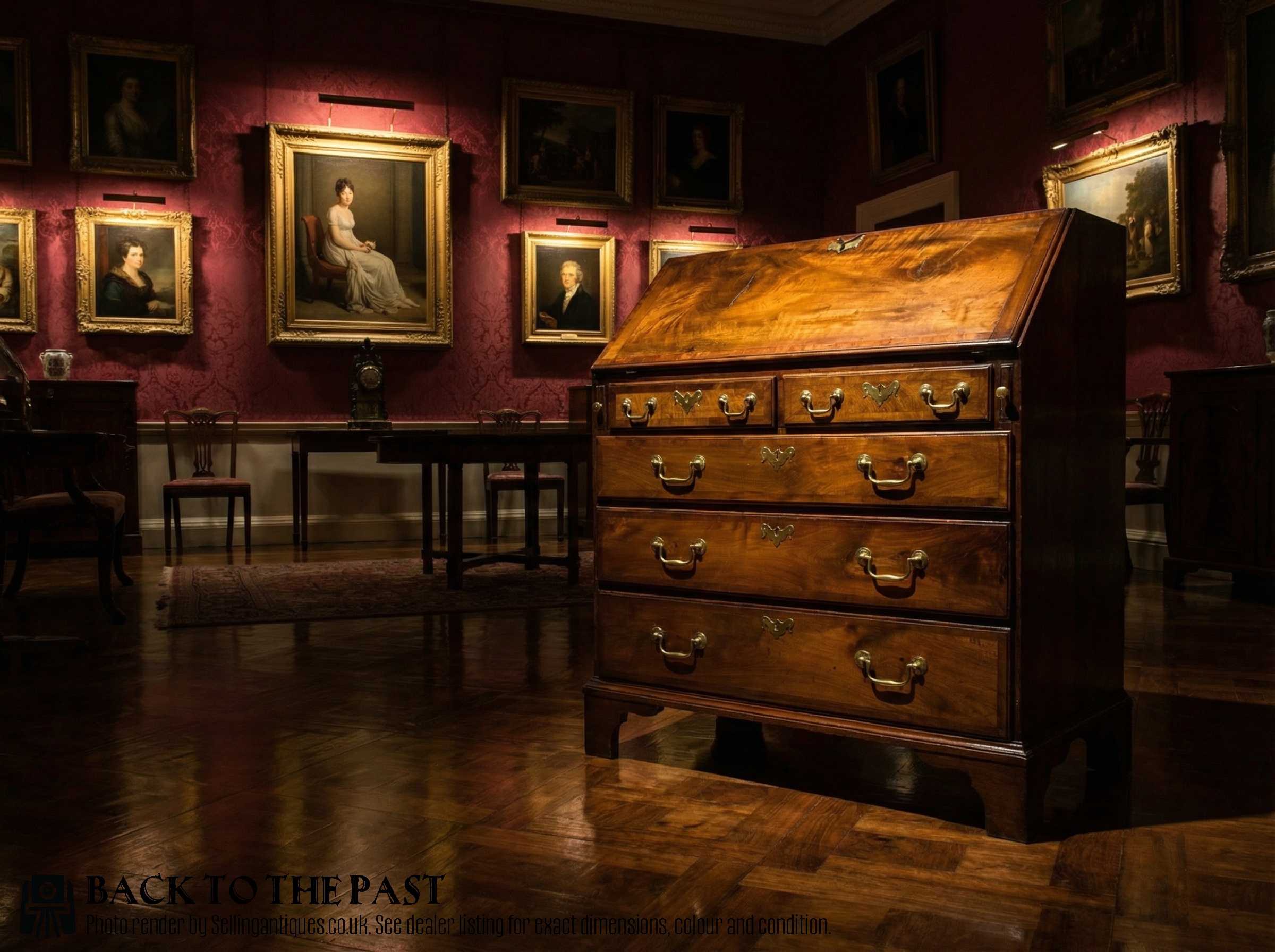
Joiners construct these pieces primarily from solid walnut and burr walnut veneers, selecting cuts that display complex, swirling grain patterns. Structural components utilise sturdy timber frames, while writing surfaces often incorporate inset panels of leather for a durable working area.
Metalwork details include cast brass handles and drawer pulls secured to the cabinetry. Glazing appears in the upper sections of bookcase variants, and multi-part constructions allow large bureau bookcases to be separated for transport.
Retail Price Guide 2026
Typical UK retail prices for traditional walnut desk, calculated from the Sellingantiques database of over a million retail prices indexed since 2003. This retail price guide relies exclusively on Sellingantiques data; no external sources or auction records are used, so the figures do not describe the wider market.
Listings feature walnut and burr walnut timber across Victorian, Georgian, and early twentieth-century periods.
What varies in quality
The visual hierarchy of these pieces rests on the choice of wood veneer, where highly figured burr walnut commands greater visual presence than plain timber boards. Master cabinetmakers arrange these grain patterns symmetrically across drawer fronts and fall-fronts to create striking decorative effects.
Refinement in the carving and proportions distinguishes standard production from finer examples. Subtle details in the shaping of Queen Anne style cabriole legs and the precision of the dovetail joinery in the drawers reflect the skill invested in the construction.
The Traditional Walnut Desk Glossary
- Burr walnut
- A specialised wood veneer taken from the wart-like growths on walnut trees, prized for its swirling, highly decorative grain patterns. Cabinetmakers reserve this material for prominent surfaces such as drawer fronts and desk lids.
- Pedestal desk
- A freestanding office table supported by two vertical banks of drawers rather than conventional legs. This configuration provides substantial storage space beneath the main writing surface.
- Bureau
- A writing cabinet featuring an angled hinged flap that drops down to form a writing slope, revealing small interior drawers and pigeonholes. It combines enclosed storage with a compact working area.
- Dovetail
- A traditional interlocking woodworking joint used to secure drawer corners together. Fine, tightly spaced pins and tails indicate careful hand construction.
Frequently Asked Questions
How do I care for a walnut surface?
Keep wooden surfaces away from direct sunlight and strong heat sources to prevent the timber from drying out or fading over time. Regular dusting with a soft cloth maintains the finish without requiring heavy polishes.
Apply a traditional wax sparingly when the wood appears dry, buffing gently to preserve the natural sheen of the grain.
What is a bureau bookcase?
A bureau bookcase combines a lower writing desk featuring a sloping fall-front with an upper glazed cabinet for storing and displaying books. This tall furniture piece maximises vertical storage space in a study or library.
Many examples feature a multi-part construction, allowing the upper bookcase section to lift off the desk base for easier moving.
Are these desks suitable for daily use?
These historical writing furniture pieces provide practical surfaces for reading, writing, and modern correspondence. The sturdy timber construction and built-in drawers accommodate everyday stationery and administrative tasks.
Using a desk pad or blotter protects the fitted leather writing inserts from ink marks and daily wear.
How do I identify the period of a desk?
Examine the overall silhouette, hardware style, and secondary woods to determine the era of manufacture. Georgian and Victorian pieces show distinct construction methods and decorative motifs characteristic of their respective decades.
Stylistic revivals, such as Queen Anne style pieces made in the early twentieth century, borrow earlier design elements while utilising contemporary manufacturing techniques.