
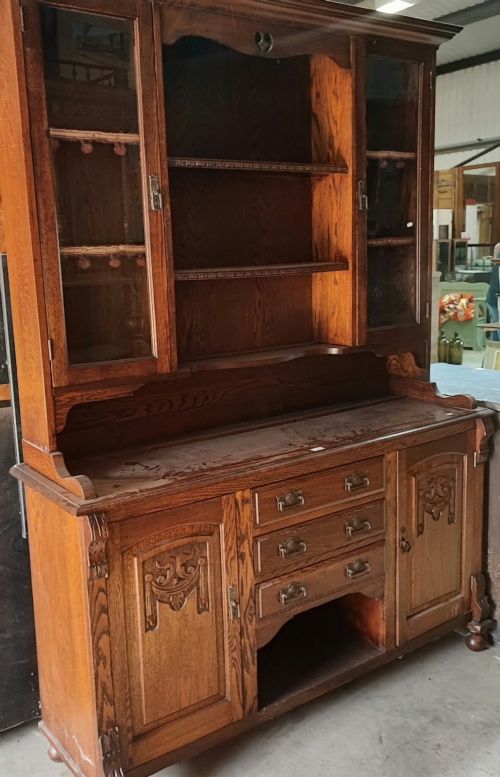
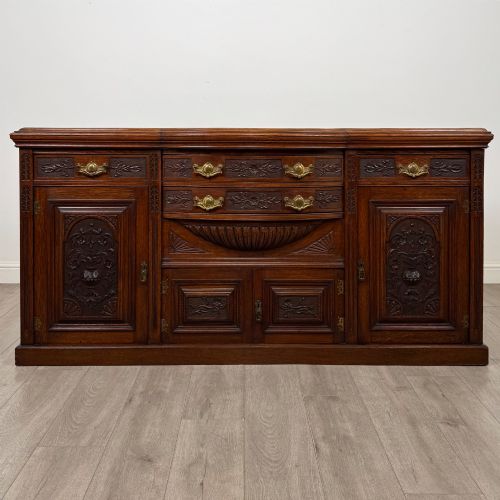
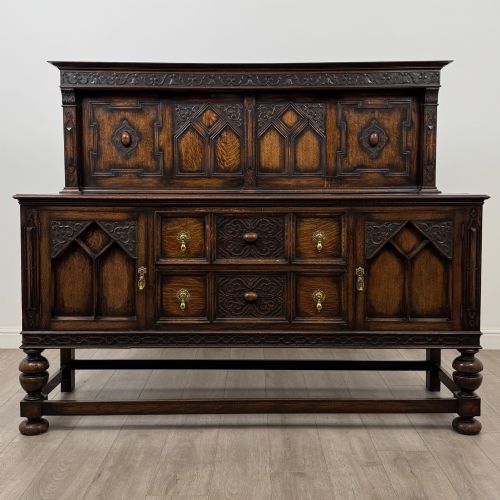
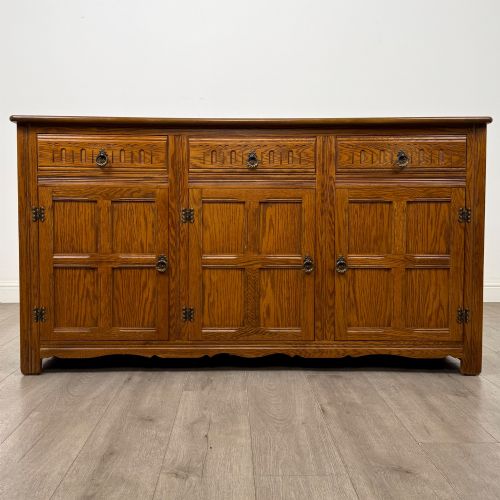
Antique Carved Oak Buffet
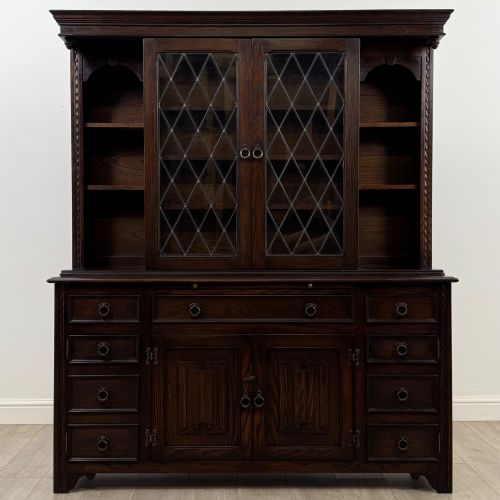
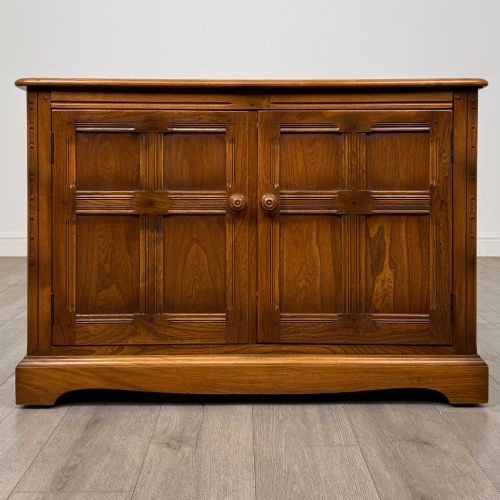
When you search for an antique carved oak buffet, you are looking for heavy timber storage furniture built to hold food and display silver.
What an antique carved oak buffet is
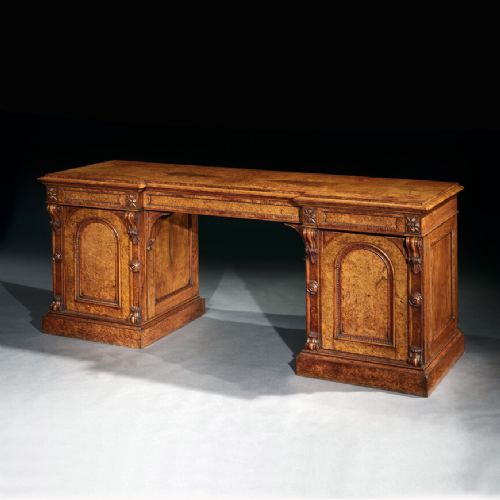
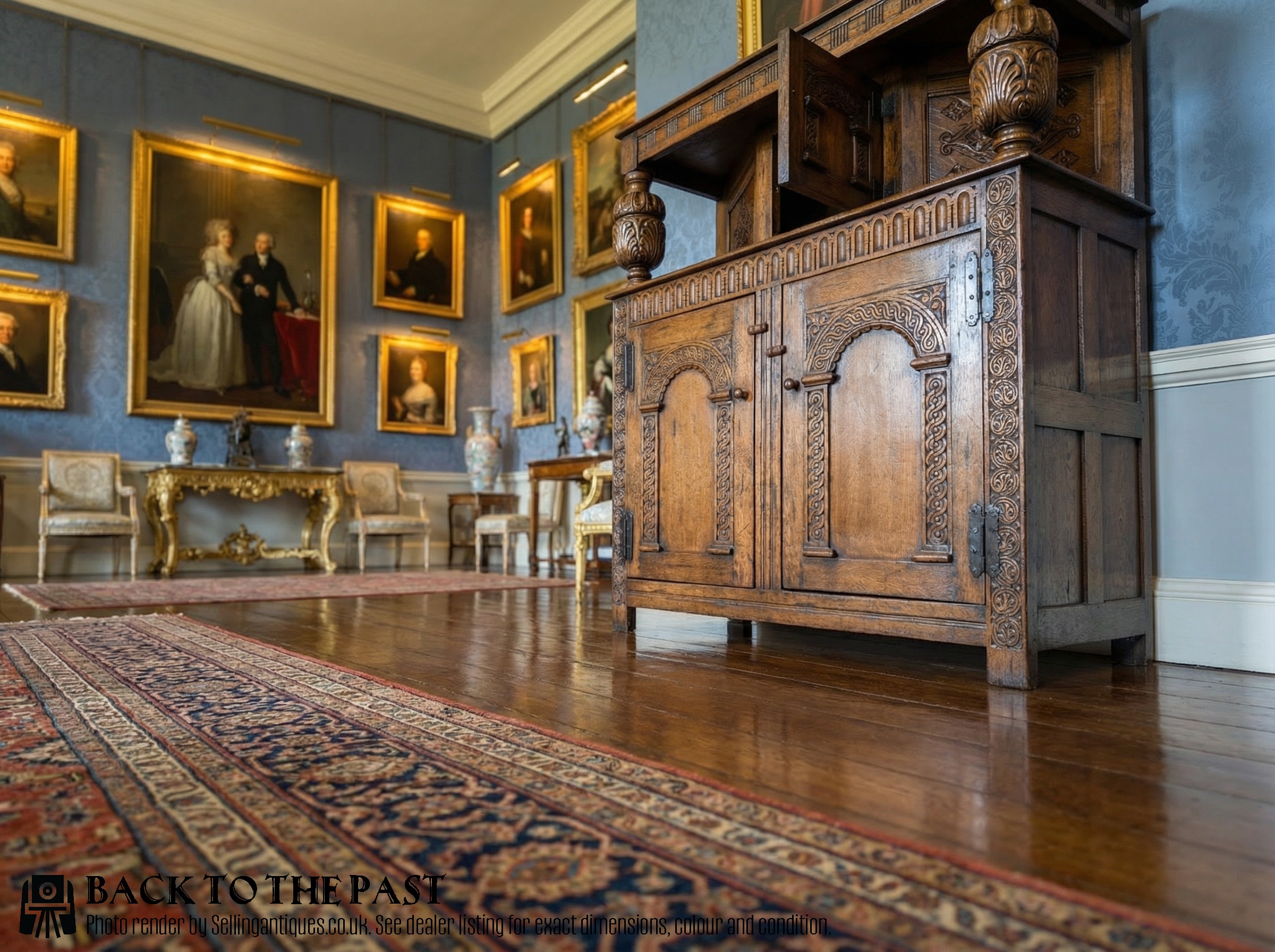
An antique carved oak buffet is a heavy timber storage piece designed for dining rooms and halls, functioning as a serving surface and a cabinet for tableware. You will find forms ranging from seventeenth-century cupboards and court cupboards to Victorian revivals and twentieth-century dressers.
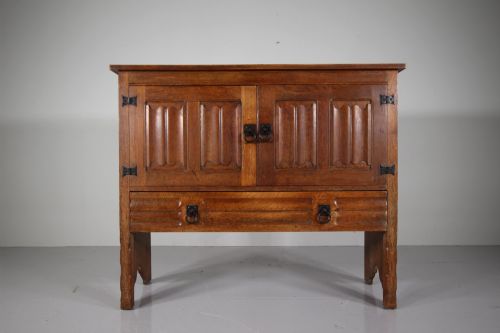
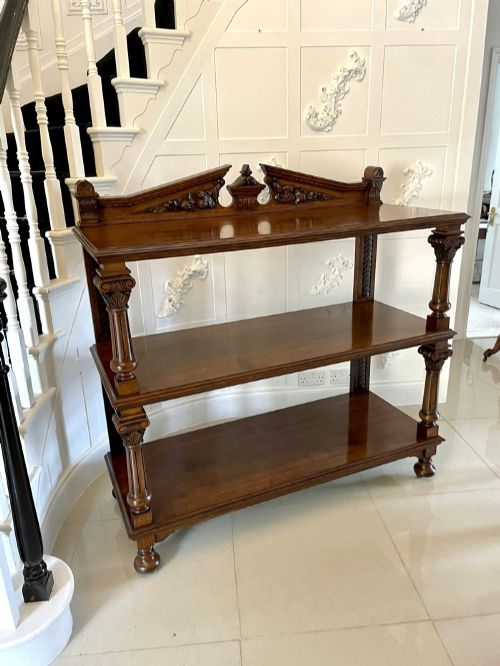
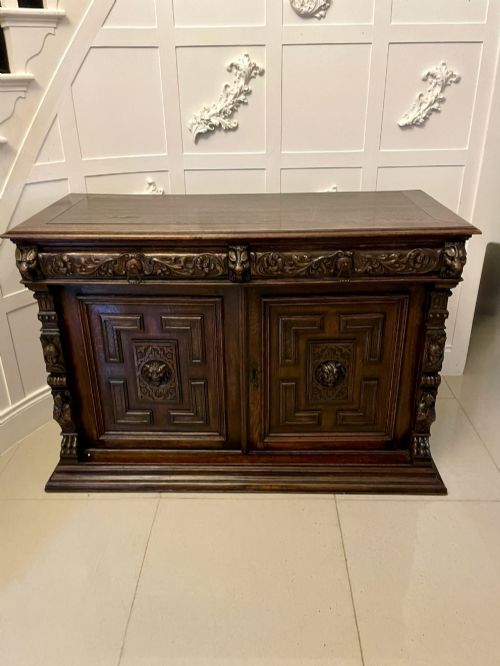
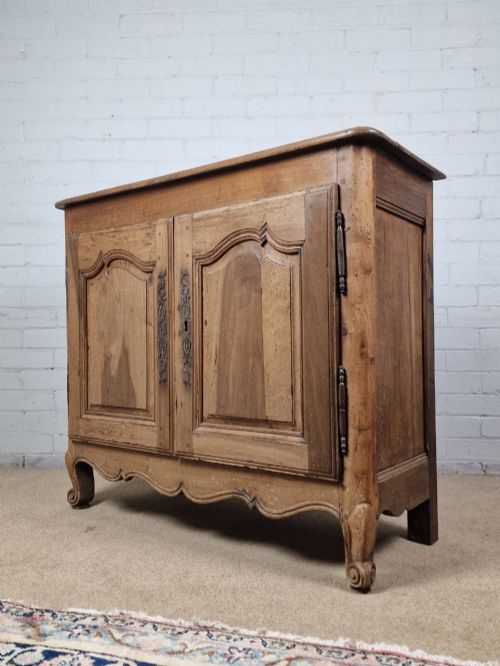
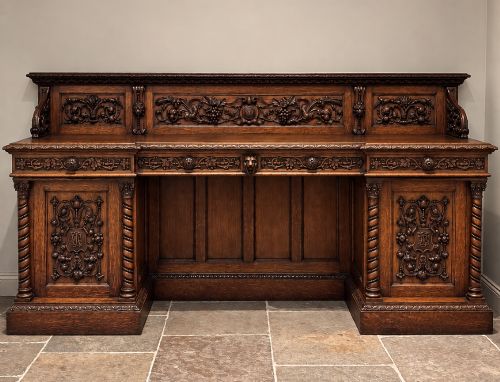
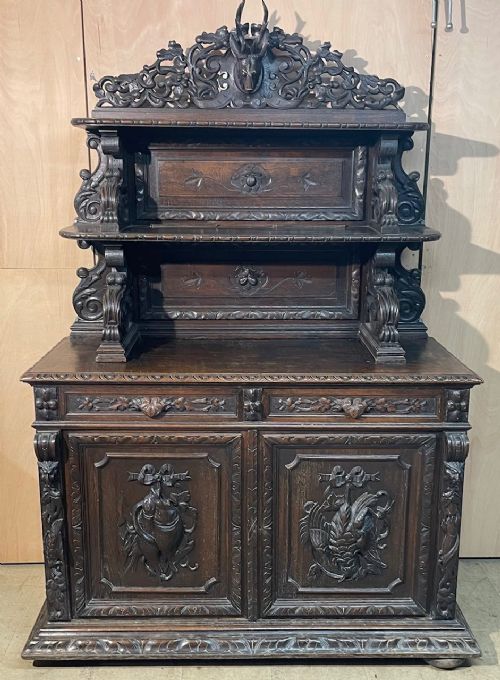
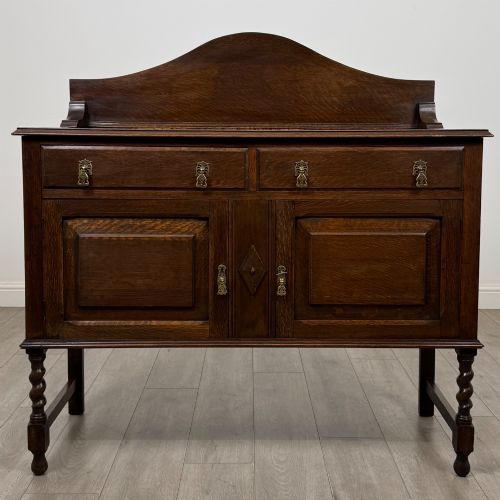
The pieces on this page span from the seventeenth century through the Victorian era and up to nineteen-ten, taking shapes such as court cupboards, livery cupboards, sideboards, and tiered servers. Seventeenth-century examples sit alongside nineteenth-century Renaissance Revival and Gothic Revival interpretations.
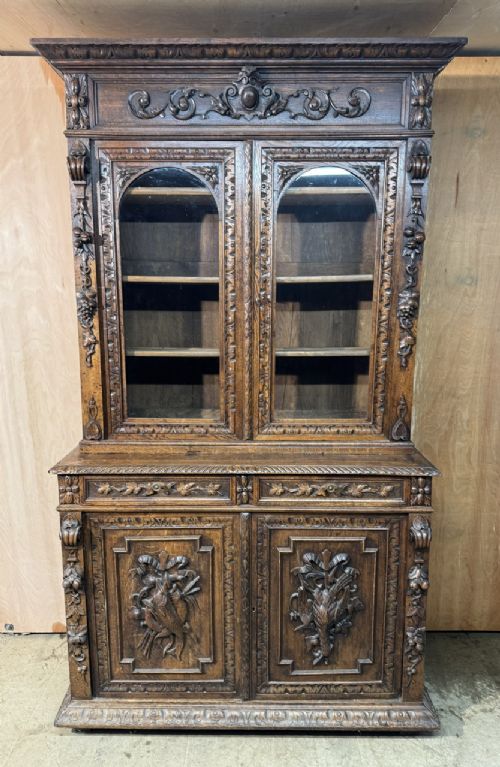
Most items you meet here are nineteenth-century revivals of earlier seventeenth-century Jacobean or Gothic styles, featuring deep hand carving, panels, and heavy proportions. Alongside these sit genuine seventeenth-century standing cupboards and eighteenth-century joined buffets.
How they were made
Carpenters built these pieces using solid oak, often incorporating iron hinges, brass handles, and occasionally glass panels or inlaid wood details. They relied on traditional joinery methods, including frame and panel construction and pegged joints, to support the heavy timber structure.
Decoration relied on hand carving, utilising chisels and gouges to create geometric patterns, green man motifs, and lion masks across the oak surfaces. Surfaces were finished by hand, bringing out the natural grain of the timber.
Retail Price Guide 2026
Typical UK retail prices for carved oak buffet, calculated from the Sellingantiques database of over a million retail prices indexed since 2003. This retail price guide relies exclusively on Sellingantiques data; no external sources or auction records are used, so the figures do not describe the wider market.
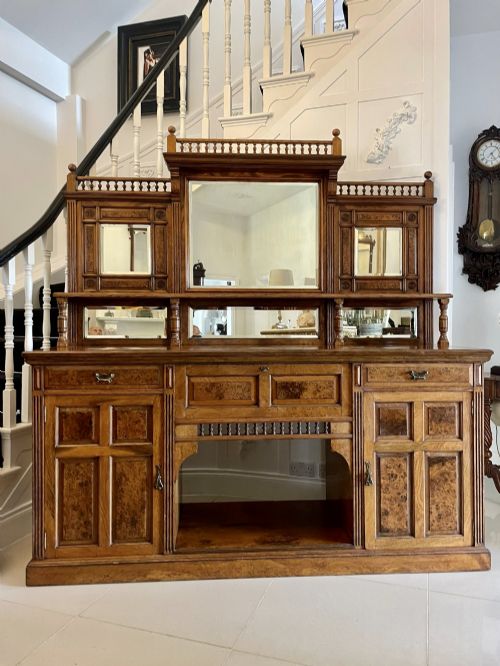
The furniture spans from seventeenth-century cupboards to Victorian mirror-back sideboards and nineteen-ten court cupboards.
What varies in quality
The distinction between tiers of quality rests on the depth and crispness of the hand carving, the selection of figured oak boards, and the integrity of the original construction. Superior pieces display deeply undercut relief work and careful matching of timber grain across doors and panels.
Hardware contributes to the overall standard, with original brass drop handles, iron hinges, and functional locks marking out better examples. The balance of proportions and the weight of the timber separate master joinery from simpler production.
The Antique Carved Oak Buffet Glossary
- Green man
- A sculptural face carved from foliage or branches, frequently appearing on Victorian Gothic revival buffets and sideboards. This motif symbolizes rebirth and spring.
- Livery cupboard
- A standing cupboard used historically for storing food and candles before nightfall. These pieces often feature ventilated doors constructed with turned spindles.
- Jacobean style
- The decorative style popular during the early seventeenth-century reign of James the First, characterised by rectilinear forms and geometric strapwork. Revival versions appeared frequently during the Victorian period.
- Renaissance revival
- A nineteenth-century architectural and furniture style that drew upon sixteenth-century classical motifs, heavy cornices, and sculptural figures. Buffets in this style often incorporate bold carved panels and pilasters.
Frequently Asked Questions
What is the difference between a buffet and a court cupboard?
A buffet functions primarily as a low sideboard or server for food and drink during meals. A court cupboard incorporates stacked tiers, often with an enclosed upper cabinet supported by heavy columns.
Court cupboards originate earlier in the seventeenth century, while the buffet label applies more broadly to nineteenth-century servers and sideboards. Both pieces utilise heavy oak construction and extensive hand carving.
How do I care for an oak buffet?
Keep your oak buffet away from direct heat sources and sudden temperature changes to prevent the timber from splitting. Apply a traditional beeswax polish occasionally to nourish the wood and maintain a soft sheen.
Avoid modern liquid cleaners and silicone sprays, which can damage the antique finish. Dust the carved recesses regularly with a soft brush.
Are Victorian revivals as good as seventeenth-century pieces?
Victorian revival buffets often display heavier, more exuberant carving and utilise larger timbers than their seventeenth-century predecessors. They reflect nineteenth-century romanticism rather than the domestic practicalities of the Jacobean era.
While seventeenth-century originals carry greater historical age, Victorian pieces offer robust construction and dramatic architectural forms that suit modern dining rooms.
What are green man carvings?
Green man carvings depict a human face sprouting leaves, vines, or branches from the mouth and cheeks. They appear frequently on Victorian Gothic revival furniture, adding a folkloric element to sideboard doors and cornices.
This motif draws on ancient pagan imagery adopted into medieval church architecture and revived by nineteenth-century carvers.