

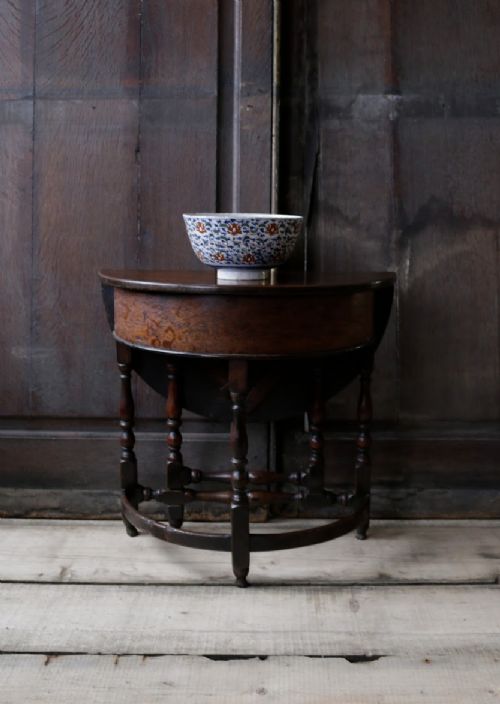


Charles II Oak Table
A charles ii oak table brings heavy seventeenth-century timber and honest construction into a room, offering practical surface space rooted in history.
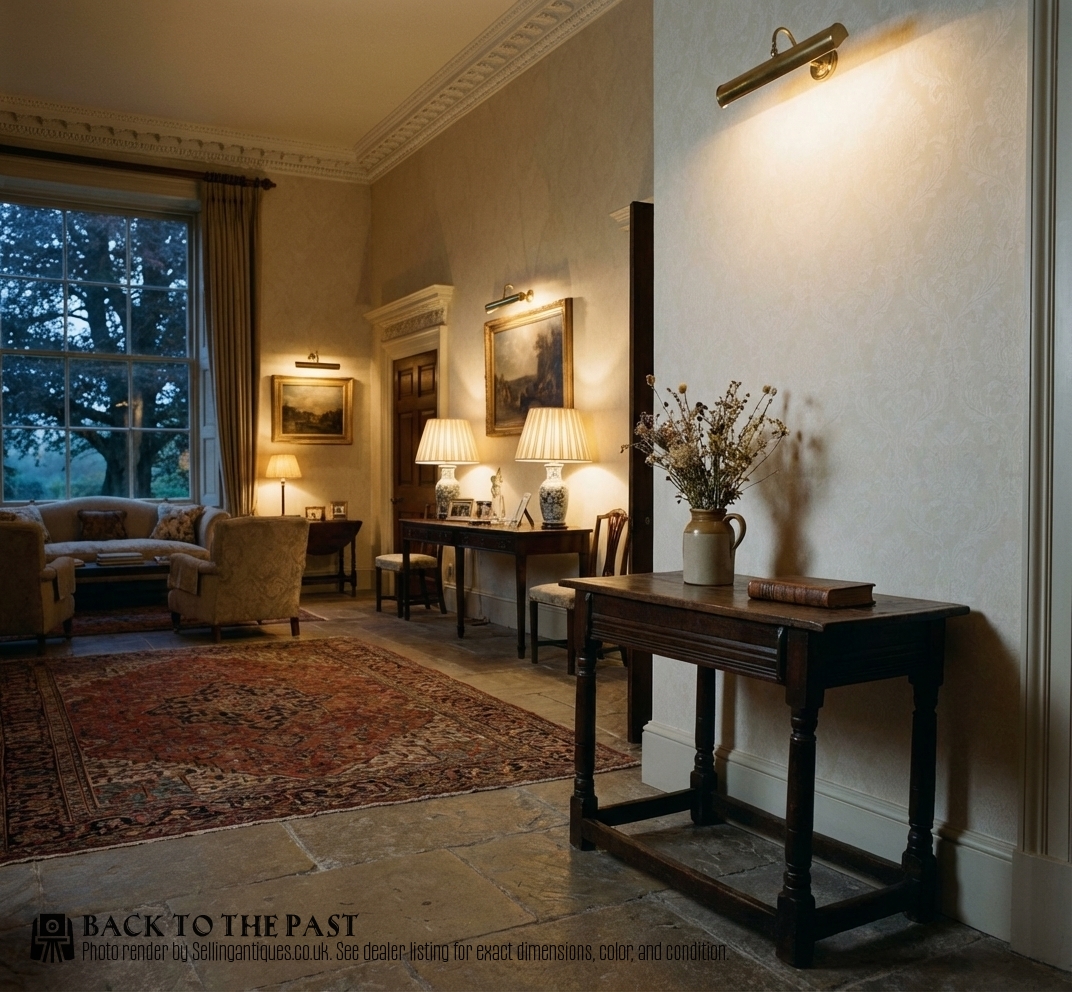
What a Charles II Oak Table Is
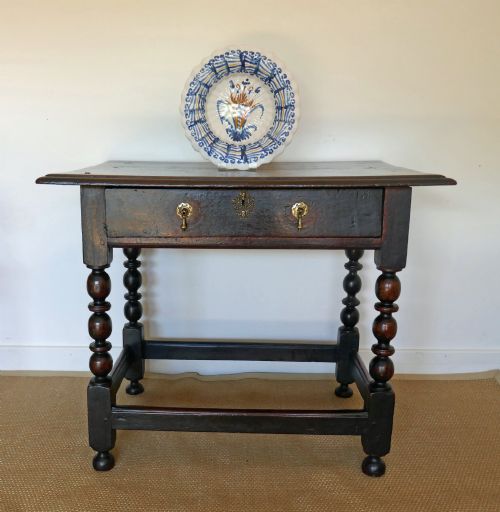
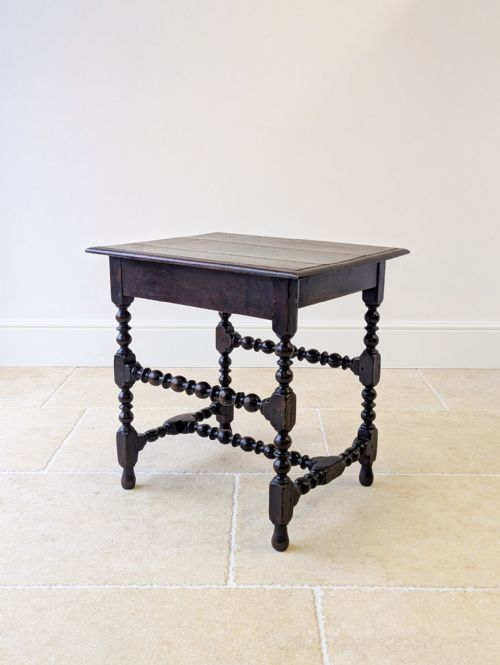
When searching for a charles ii oak table, you encounter substantial seventeenth-century furniture built for domestic utility. Side tables, gatelegs and refectory forms dominate the historical record and current selection.
Side tables and smaller occasional pieces appear most frequently among the current items. These versatile tables served various everyday household functions in seventeenth-century interiors.
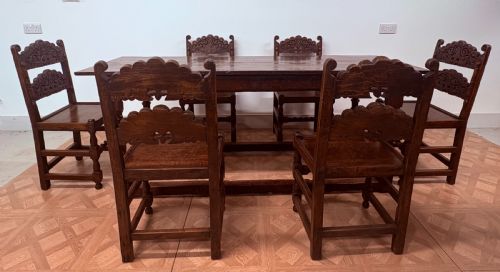
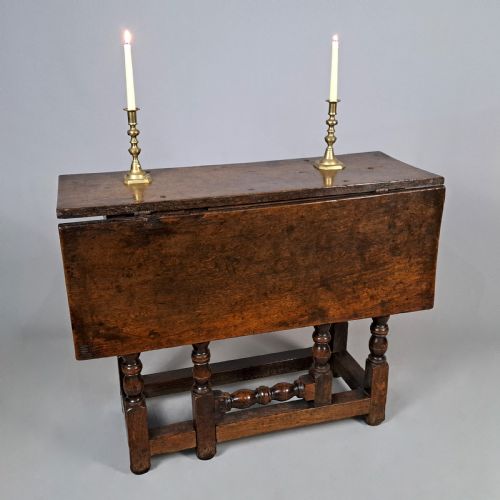
Larger dining formats, including refectory and gateleg tables seating multiple people, form a substantial part of the archive. Country dining examples sometimes incorporate elm alongside the primary timber.
What Separates Examples in Quality
The degree of original timber preservation and surface depth distinguishes different examples. Tables retaining a rich surface colour and honest patination stand apart from heavily restored or later nineteenth-century interpretations.
Proportion and structural complexity influence the character of each piece. Elaborate turnery and integrated drawers represent higher levels of period craftsmanship compared to plain utility formats.
Retail Price Guide 2026
Typical UK retail prices for charles ii oak table, calculated from the Sellingantiques database of over a million retail prices indexed since 2003. This retail price guide relies exclusively on Sellingantiques data; no external sources or auction records are used, so the figures do not describe the wider market.
Some country gatelegs doubled as dining hubs and secret workspace companions for busy seventeenth-century households.
The Charles II Oak Table Glossary
- Gateleg table
- A drop-leaf table with hinged flaps supported by swing legs that pivot out from the frame. This design allowed surfaces to expand for dining and fold down against walls when not in use.
- Refectory table
- A long, narrow dining table built with sturdy stretcher rails connecting the legs. Originally designed for communal dining halls, these heavy tables became staples of seventeenth-century domestic life.
- Bobbin-turned
- A style of decorative lathe work featuring repeated spherical or spool-shaped turnings along the length of a leg. This technique provides distinct texture and visual rhythm on seventeenth-century supports.
- Lowboy
- A small low table featuring one or more drawers beneath the surface. Seventeenth-century versions functioned as side or dressing tables in domestic chambers.
- Carolean
- An alternative term for the reign of Charles II, spanning the mid to late seventeenth century. Furniture from this period shares stylistic traits associated with the restoration era.
Frequently Asked Questions
What is a Charles II oak table?
A charles ii oak table is a seventeenth-century wooden furnishing produced during the reign of Charles II. These pieces utilise solid oak and occasional elm timbers.
Common forms include side tables, gatelegs and large refectory dining tables. They reflect the joinery and turning techniques of the period.
How were these tables used originally?
Original uses varied by form, ranging from serving food to providing surfaces for writing or holding objects in halls and chambers. Gateleg variants accommodated flexible dining arrangements.
Smaller side tables stood against walls or served as occasional furniture in rooms throughout the house.
How do I distinguish period tables from later copies?
Period seventeenth-century examples display construction methods, wear patterns and timber characteristics consistent with age. Nineteenth-century revival pieces often reveal different tool marks and assembly details.
Examining the underside, joinery and hardware helps clarify the date of manufacture.
Where should I place a seventeenth-century table?
These tables suit hallways, living spaces or dining rooms depending on their scale. Side tables function well against walls beneath mirrors or artwork.
Refectory and gateleg forms provide functional surfaces for dining areas while displaying historical character.