
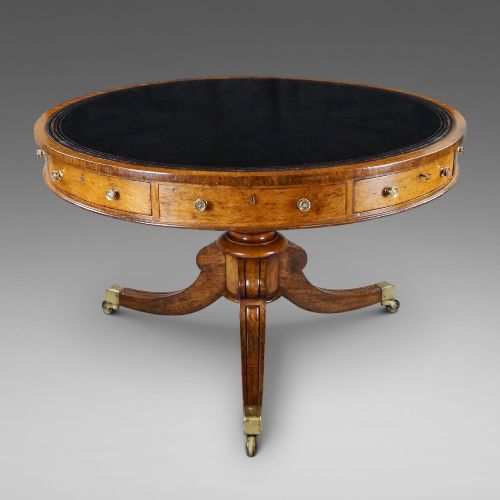
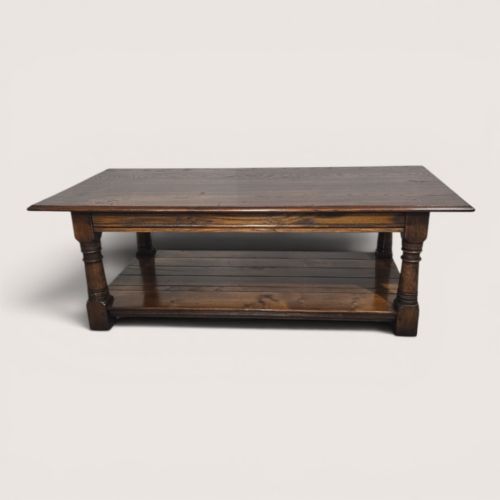
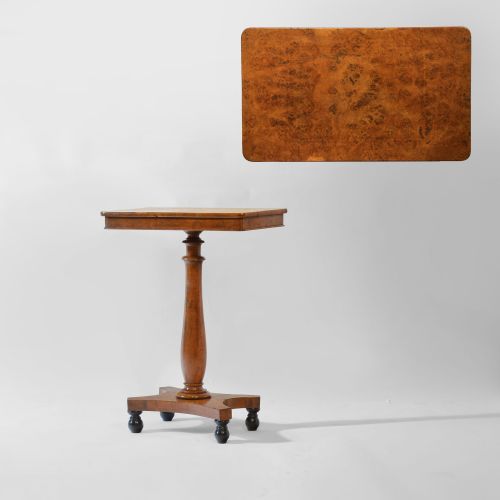


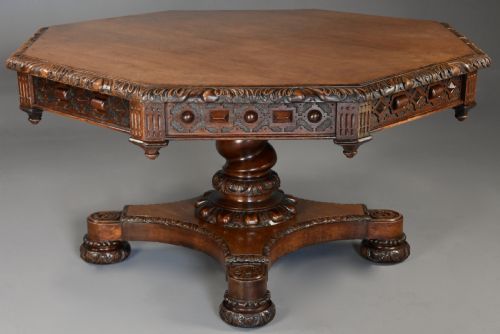
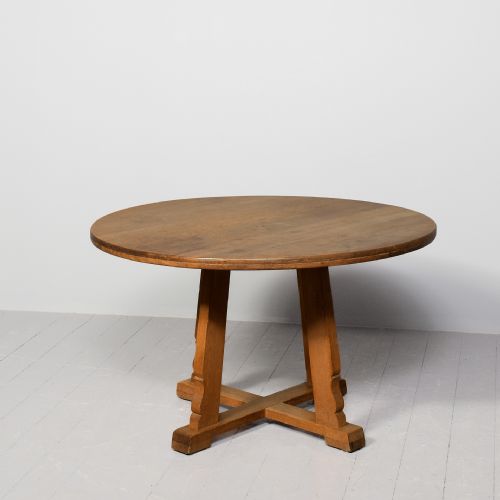


Brown Oak Centre Table
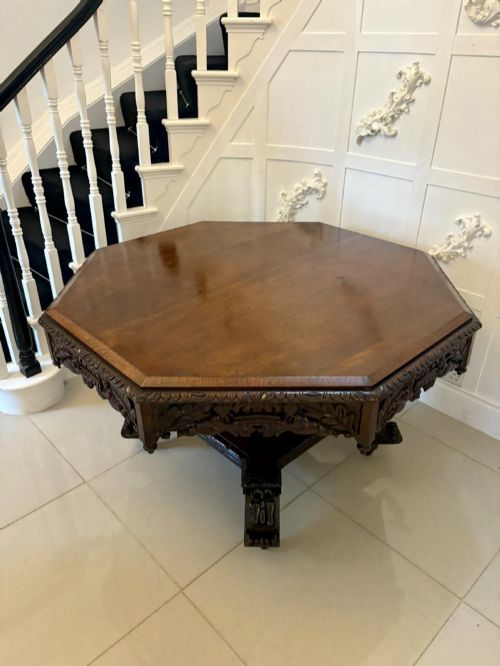
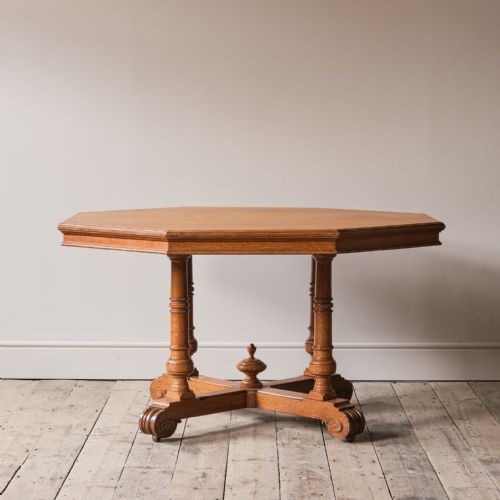
A brown oak centre table brings deep, figured grain and heavy timber presence into a room, serving as a striking focal point.
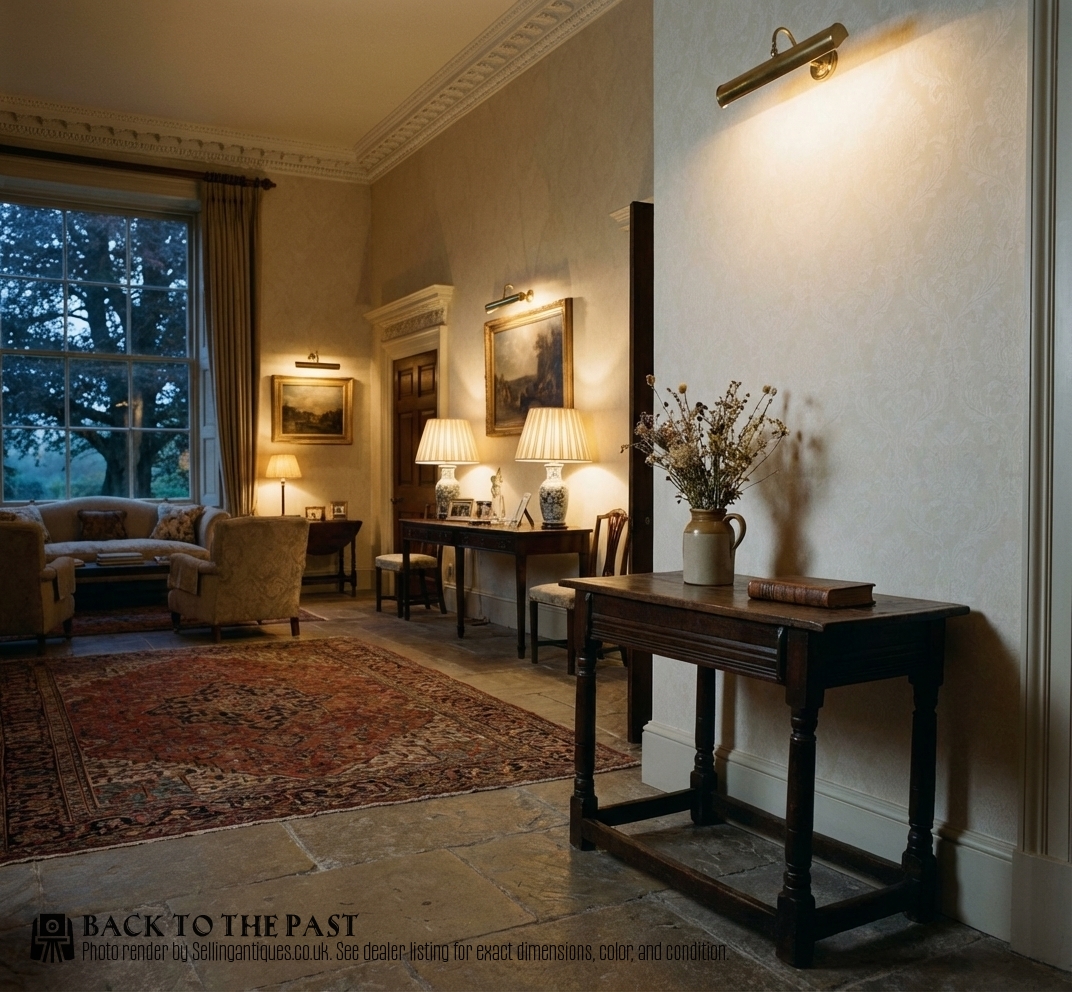
Brown Oak Centre Table
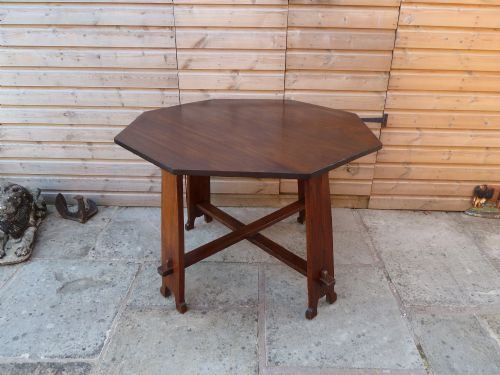
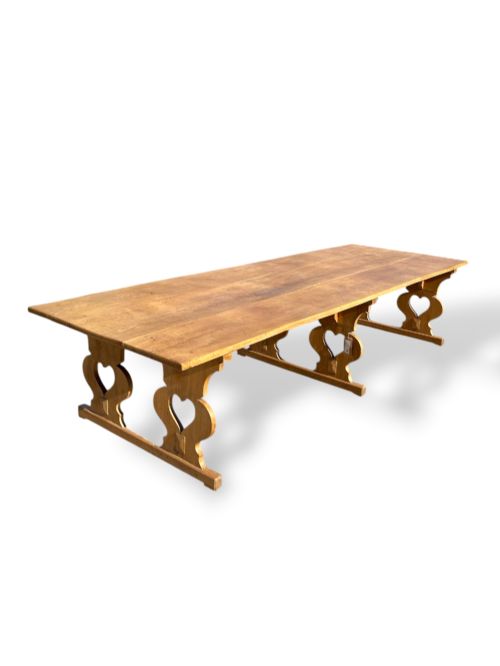
A brown oak centre table is a freestanding piece designed to sit in the middle of a room, drawing the eye with its rich timber and substantial build. You will frequently encounter nineteenth-century Victorian examples, alongside earlier seventeenth and eighteenth-century forms that showcase deep patination.
The selection ranges from large library drum tables and octagonal occasional pieces to versatile dining and hall formats. Makers utilised distinctive timbers like pollard and burr oak to create dramatic, varied surfaces that stand apart from standard furniture.
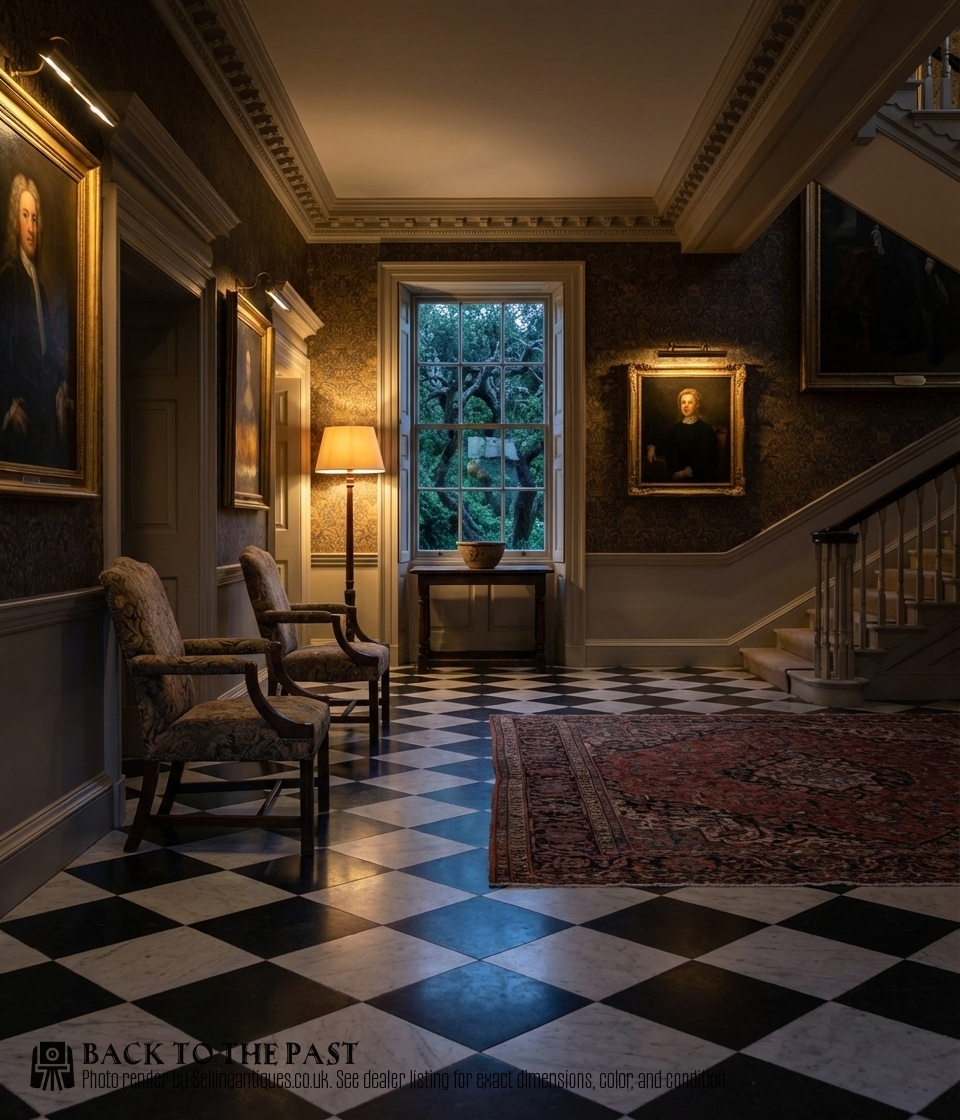
Materials and construction methods
Solid oak forms the structural core of these pieces, often paired with contrasting decorative veneers such as burr or pollard oak to highlight the swirling grain. Craftsmen integrated brass hardware, iron stretchers, and occasionally leather inserts into library and drum formats.
Joinery methods rely on sturdy pegged joints, stretcher bases, and parquet or inlay work for the top surfaces. Carving appears frequently on nineteenth-century and revival pieces, displaying relief work influenced by Jacobean and Gothic styles.
Brown Oak Centre Table Retail Price Guide 2026
Typical asking prices for brown oak centre table among the pieces listed under this phrase on Sellingantiques today, from the lower quarter to the upper quarter. They describe what is for sale here now, not the wider market.
Materials appearing across the inventory include solid oak, burr oak, pollard oak, walnut, fruitwood, brass, iron, and leather.
Distinctions in craftsmanship and materials
The grade of timber heavily dictates the character of the piece, with select burr and pollard oak veneers offering far more visual depth than plain-sawn boards. Superior examples display meticulous attention to the grain alignment across octagonal, circular, or drum tops.
Construction crispness marks the difference between standard production and workshop masterpieces by noted makers. Deep, hand-carved detailing and well-balanced proportions demonstrate a higher level of cabinet-making skill.
James Winter and Sons·Gillows
The Brown Oak Centre Table Glossary
- Pollard oak
- Timber taken from trees that have been pollarded, producing a dense, speckled grain pattern highly prized for cabinet fronts and table tops.
- Drum table
- A round library table with a deep frieze containing drawers, typically supported by a central pillar and tripod base.
- Parquetry
- Geometric mosaic woodwork used for decorative surface patterns, often seen on nineteenth-century table tops.
- Stretcher table
- A table featuring horizontal wooden braces connecting the legs for added structural support.
- Burr oak
- Wood taken from a tree growth or burl, yielding a swirling, highly figured grain configuration.
Brown Oak Centre Table: Frequently Asked Questions
Where should I place a centre table?
These tables are built to be viewed from all sides, making them ideal for the middle of a spacious room or a large hallway.
Ensure there is enough clearance around the perimeter for movement and seating access.
How do I care for an antique oak table top?
Dust the timber regularly with a dry cloth and avoid placing the table in direct sunlight or near heat sources.
Apply high-quality beeswax sparingly to nourish the grain and maintain the natural lustre.
What is the difference between a drum table and a standard centre table?
A drum table incorporates a deep frieze fitted with drawers beneath the circular top, originally designed for sorting papers.
Standard centre tables focus purely on a display surface supported by legs, pedestals, or stretchers.
How do I identify a Victorian oak piece?
Victorian examples often feature heavy carved ornamentation, revival motifs such as Gothic or Jacobean influences, and solid proportions.
They frequently utilise quarter-sawn oak or applied burr veneers to achieve a rich texture.