



Victorian Coal Box
When you search for a Victorian coal box, you are looking at functional hearth storage turned into decorative domestic metalwork and cabinetry.
Victorian Coal Box
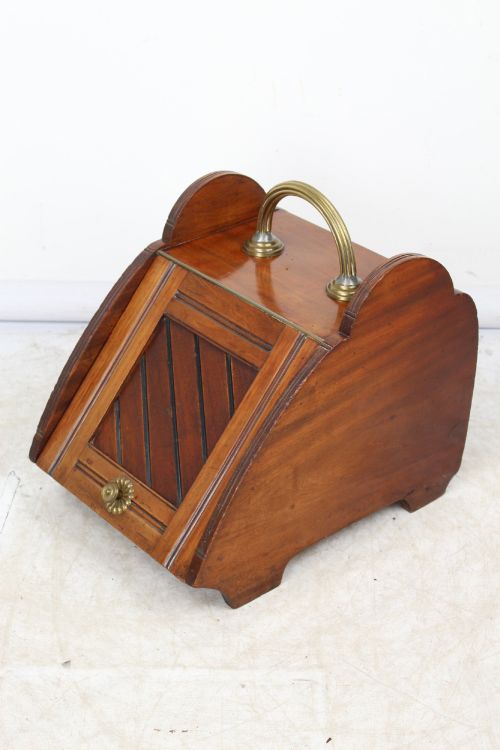
A victorian coal box encompasses various fireside accessories designed to hold solid fuel neatly beside the fireplace.
These items span periods from the mid-nineteenth century through the Edwardian era, reflecting shifting domestic habits in British homes.
Materials and Technique
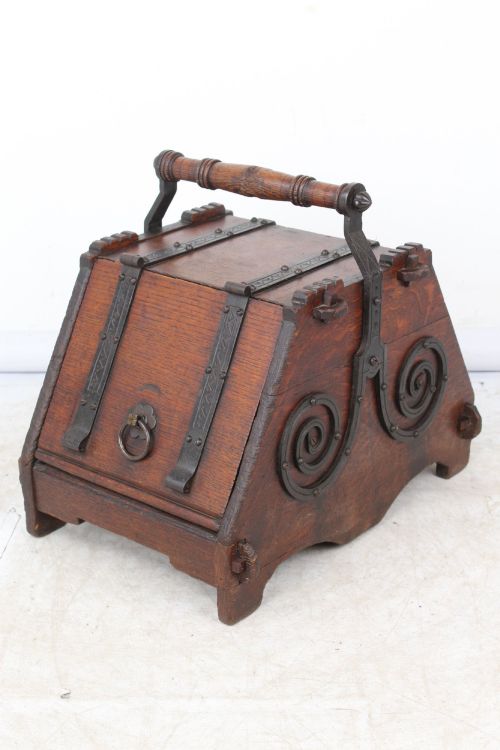
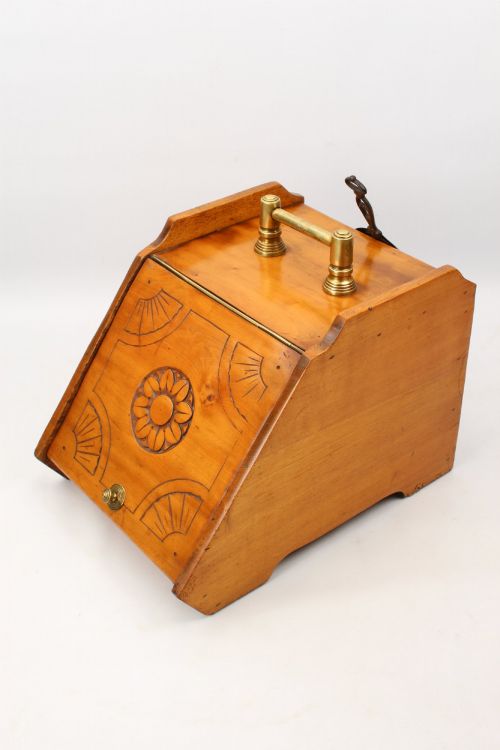
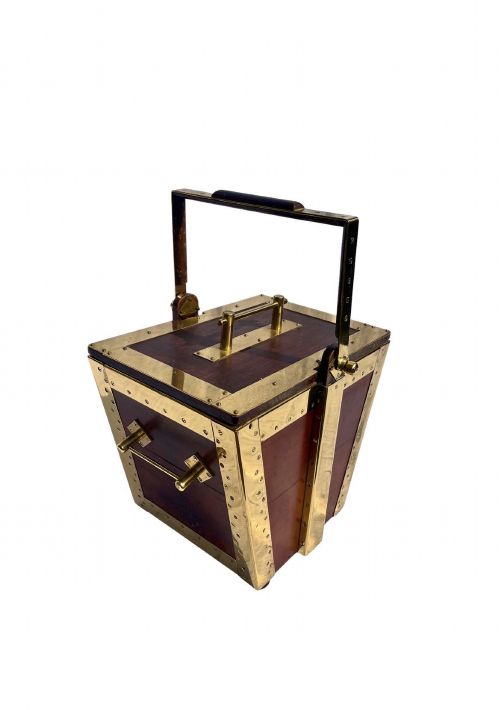
Cabinetmakers utilised hardwoods such as oak, walnut, mahogany, and rosewood, frequently incorporating carved details, marquetry inlay, and brass mountings.
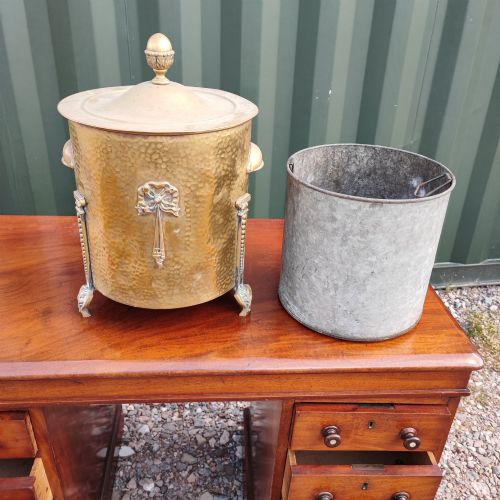
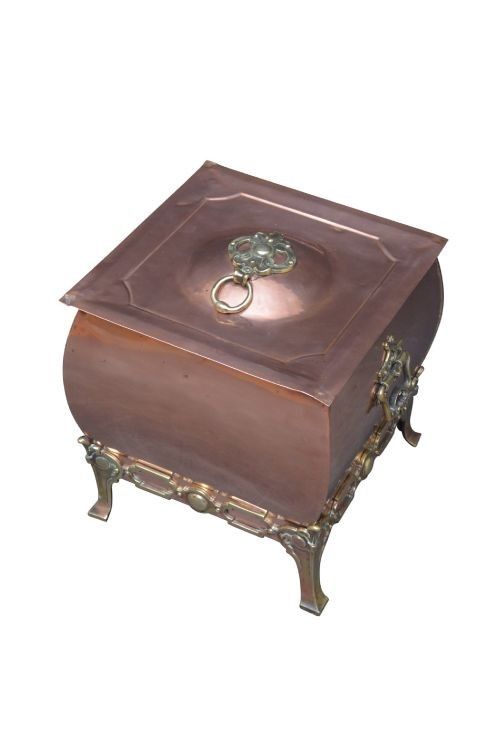
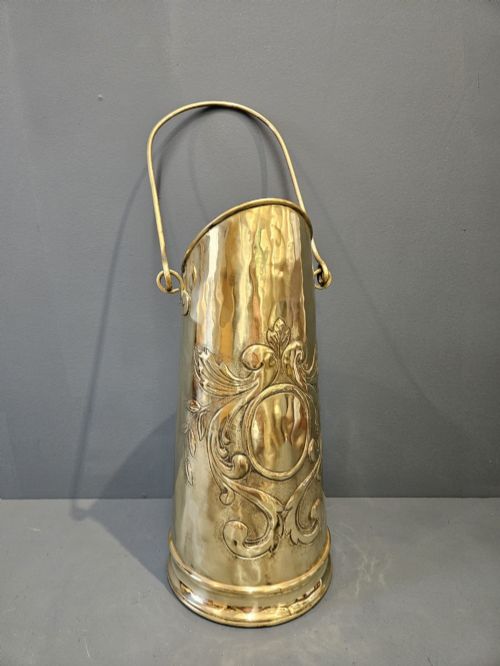
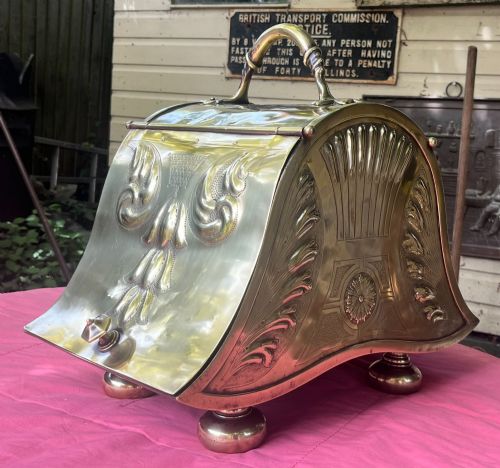
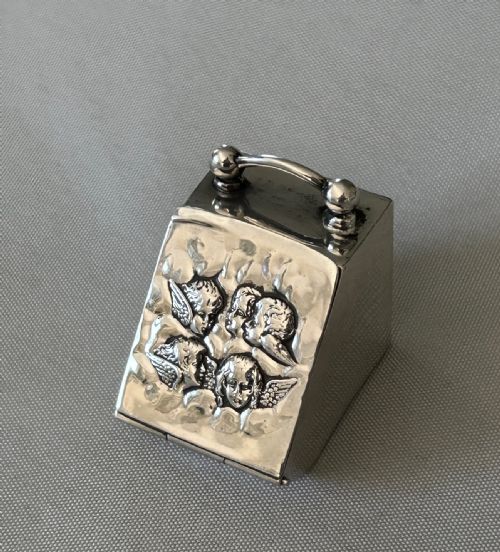
Metalworkers hammered, riveted, and embossed sheet brass and copper into coal helmets, buckets, and scuttles, often pairing them with iron or tin liners.
Design influences ranged from Gothic Revival and Arts and Crafts to Art Nouveau, showing both industrial production and individual workshop craftsmanship.
Victorian Coal Box Retail Price Guide 2026
Typical asking prices for victorian coal box among the pieces listed under this phrase on Sellingantiques today, from the lower quarter to the upper quarter. They describe what is for sale here now, not the wider market.
Some Victorian households disguised their coal storage so completely that visitors might mistake a fuel bin for a music cabinet or a small side table.
Craftsmanship and Proportion
Superior examples display robust internal metal liners, complete original shovels, and tight joinery that withstands heavy fuel use.
Subtlety of decorative carving, quality of brass mounts, and the integration of functional elements like tilt mechanisms separate standard utility boxes from exceptional decorative pieces.
Christopher Dresser·Benham and Froud
The Victorian Coal Box Glossary
- Purdonium
- A box-like cabinet with a sloping front drop-door designed specifically for domestic coal storage beside a hearth. It frequently incorporates an internal metal liner and matching shovel.
- Coal Scuttle
- A bucket or pail-shaped container fitted with a swing handle and a tapered lip for pouring fuel. These are commonly formed from brass or copper.
- Tole Ware
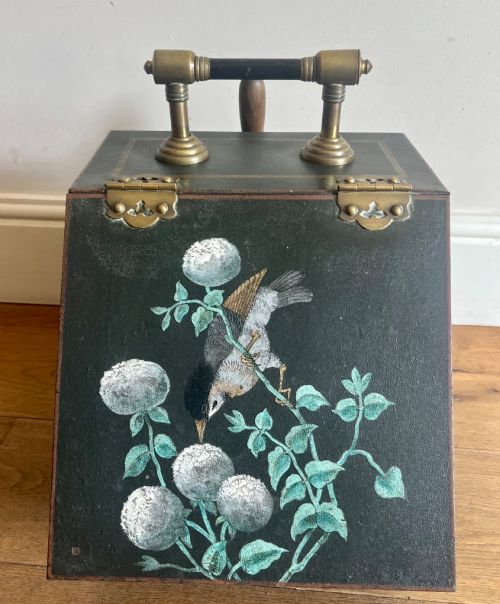
- Lacquered or enamelled sheet metal items decorated with painted designs. They appear here in darker finishes used for utilitarian fireside containers.
- Marquetry
- The art of applying thin veneers of various woods to form decorative patterns on furniture surfaces. It is often seen on the lids of walnut and rosewood boxes.
Victorian Coal Box: Frequently Asked Questions
How do I use a coal box today?
These boxes serve well as distinctive fireside storage for logs, kindling, or peat briquettes. Many collectors also repurpose them as planters, umbrella stands, or discrete general storage bins in living spaces.
Their sturdy construction and decorative fronts allow them to sit openly in a modern room while hiding everyday clutter.
What is a purdonium?
A purdonium is a specific Victorian cabinet design featuring a hinged or sloping front door that tips forward to release fuel. They usually contain a removable metal box to catch coal dust and hold the fuel safely.
This form kept the hearth tidy by enclosing the dirty work of coal handling inside proper domestic furniture.
How do I date these pieces?
Dating relies on identifying stylistic markers, timber choices, and construction methods associated with specific decades. Mid-nineteenth century pieces often feature heavy mahogany and simple brass bindings, while later Victorian and Edwardian examples show lighter oak or applied Art Nouveau motifs.
Checking for original liners and matching shovels also helps place the object within its period of active fireside use.
Were these made from wood or metal?
Makers utilised both materials, often combining them within a single piece. Wooden boxes relied on oak, walnut, or mahogany cabinets fitted with internal brass or tin liners to hold the coal safely.
All-metal versions were hammered from solid brass or copper, sometimes featuring cast iron components for added stability near the hearth.