
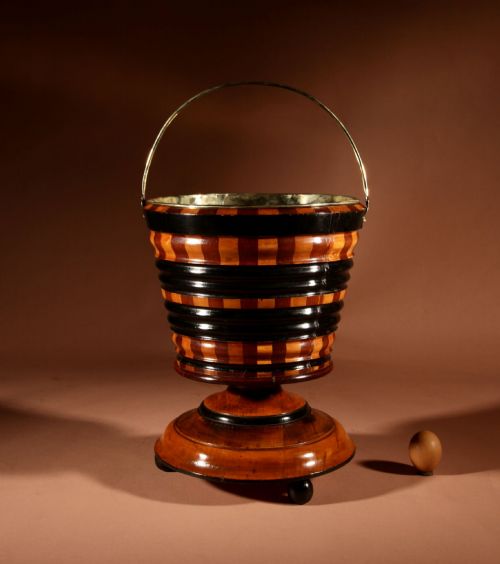
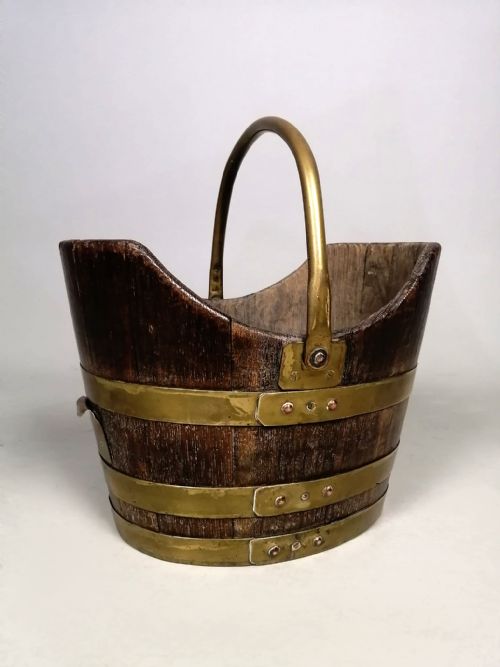
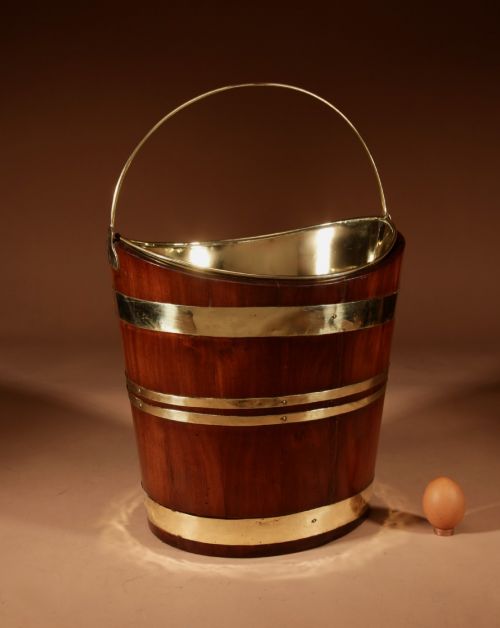
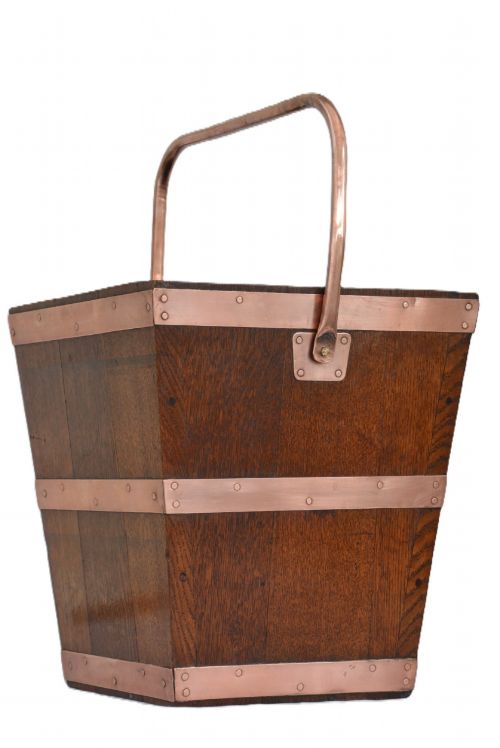
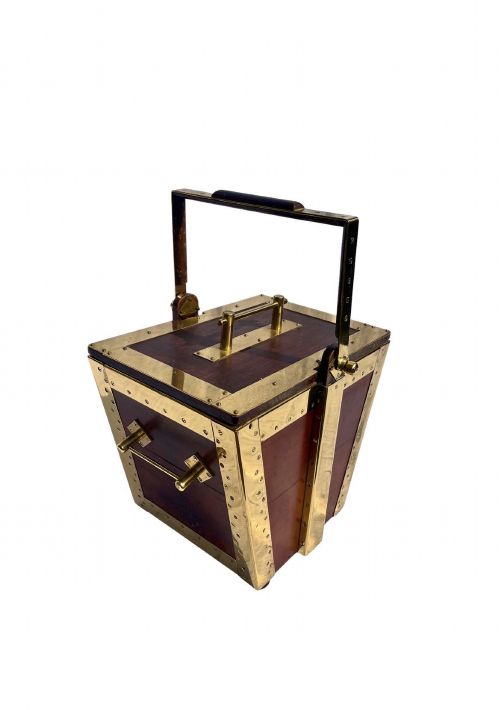
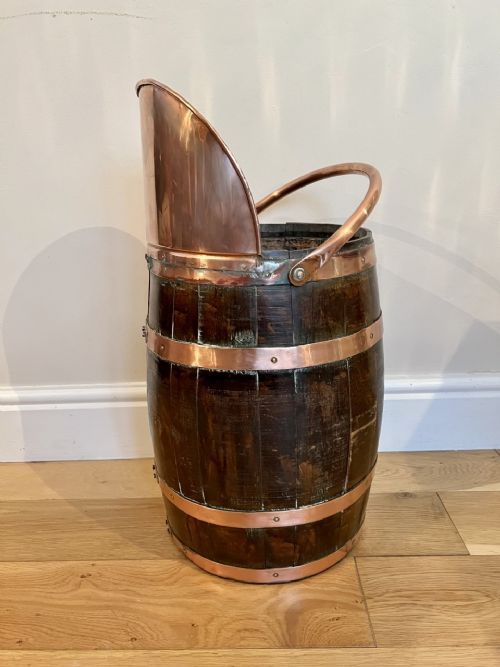

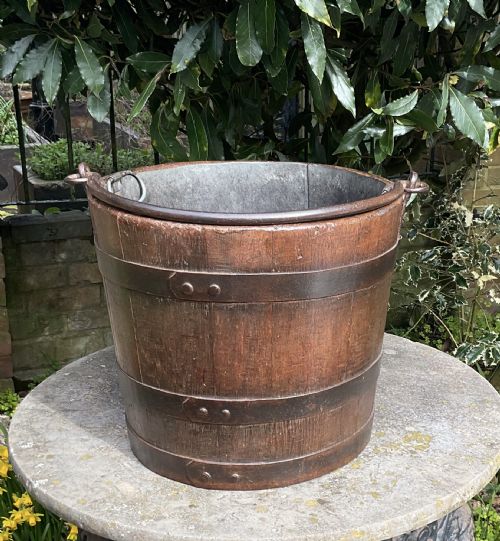


Wooden Coal Bucket
Wooden coal buckets are robust fireside fuel vessels combining natural timber with metal fittings to warm hearths.

What wooden coal buckets are
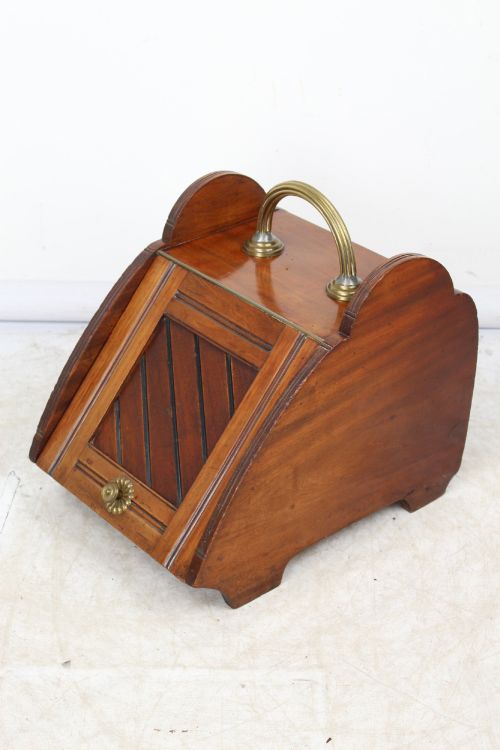
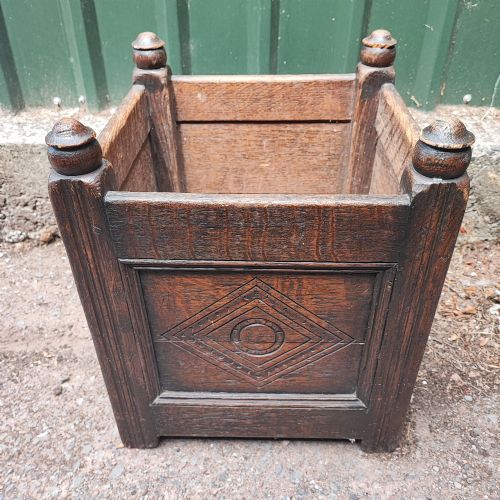
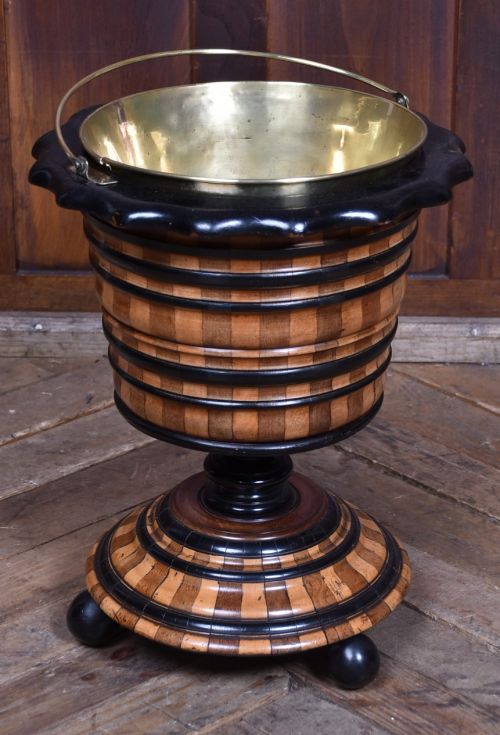
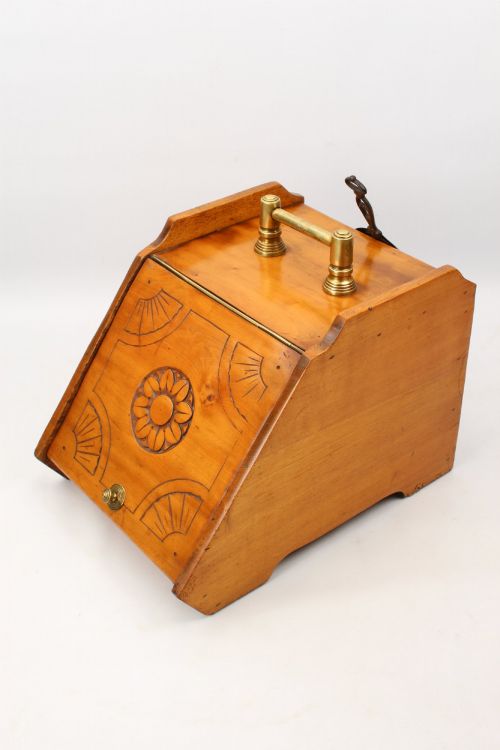
Wooden coal buckets are practical hearth vessels designed to hold solid fuel such as coal, peat, or logs near an open fire. These items appear in formats including coal scuttles, peat buckets, coal boxes, purdoniums, and log bins.
The pieces available originate from the Victorian period, spanning specific dates around eighteen sixty and eighteen eighty. They function as both functional storage and traditional fireside accessories within domestic interiors.
How they were made
Craftsmen built these vessels using timber species such as oak, mahogany, and walnut. Some examples feature carved wooden surfaces that showcase period woodworking skills.
Makers reinforced the wooden bodies with metal components including brass, copper, and iron. These durable fixings provided structural strength and functional handles for carrying heavy fuel.
Retail Price Guide 2026
Typical UK retail prices for wooden coal bucket, calculated from the Sellingantiques database of over a million retail prices indexed since 2003. This retail price guide relies exclusively on Sellingantiques data; no external sources or auction records are used, so the figures do not describe the wider market.
Materials recorded across the selection include oak, mahogany, walnut, brass, copper, and iron.
What varies in quality
Quality rests in the selection of cabinet timbers and the integration of metal hardware. Superior examples display refined carving work and substantial brass or iron fittings.
Construction methods determine durability, separating robustly joined containers from simpler utilitarian boxes. The harmony between the timber grain and the metal polish defines the visual standard.
The Wooden Coal Bucket Glossary
- Coal scuttle
- A container with a sloped opening and a handle, designed for carrying and pouring solid fuel onto a fire. These shapes facilitate easy transfer of coal.
- Purdonium
- A specialised Victorian cabinet or box for holding coal, usually featuring a drop-front and an internal metal liner. This form kept fuel neatly contained beside the hearth.
- Log bin
- A large container intended specifically for storing firewood logs rather than smaller coal pieces. These items utilise sturdy timber and iron construction.
- Peat bucket
- A traditional vessel shaped to hold cut peat blocks used for hearth burning. They reflect regional fuel habits in British homes.
Frequently Asked Questions
What is a wooden coal bucket?
A wooden coal bucket is a traditional fireside container made from timber and metal, designed to store and transport solid fuel.
These pieces range from simple open buckets to enclosed boxes and scuttles created during the Victorian era.
How were these buckets used?
They sat beside the fireplace to keep coal, peat, or logs close at hand for tending the fire.
Handles and metal liners allowed users to carry fuel safely from outdoor stores to the hearth.
What woods were used?
Maker workshops utilised durable hardwoods including oak, mahogany, and walnut for their construction.
These timbers offered both structural strength and attractive grain patterns suitable for domestic display.
How do I date a piece?
Dating relies on stylistic clues and construction methods associated with the Victorian period and specific years like eighteen sixty and eighteen eighty.
Hardware materials like brass, copper, and iron also help place the object in its nineteenth-century context.