
Vintage Log Basket
A vintage log basket brings practical hearthside utility and enduring texture to a room, drawing on centuries of metalworking and basketry traditions.
Vintage Log Basket
A vintage log basket serves as a robust container for hearth fuel, drawing on domestic and industrial forms spanning the eighteenth century through to the interwar years. Buyers exploring this category encounter varied vessels designed for utility, ranging from hand-woven Scandinavian pine and wicker containers to heavy metal bins.
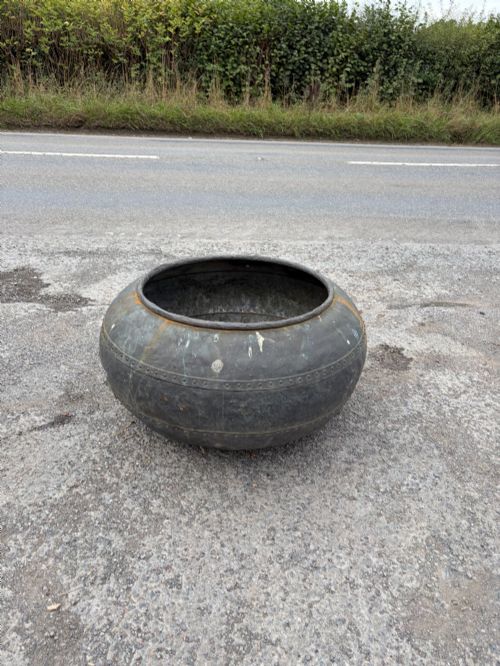
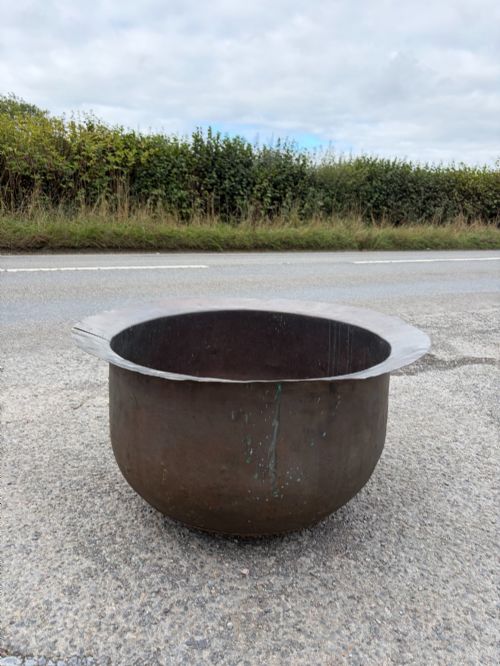
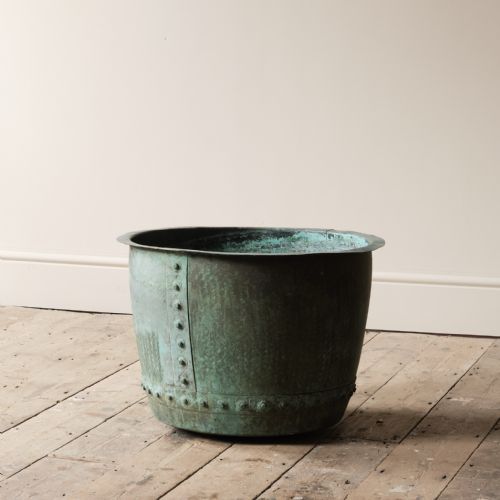
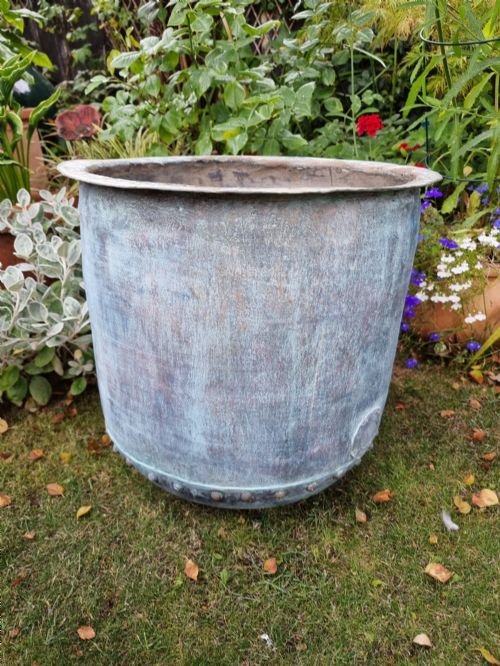
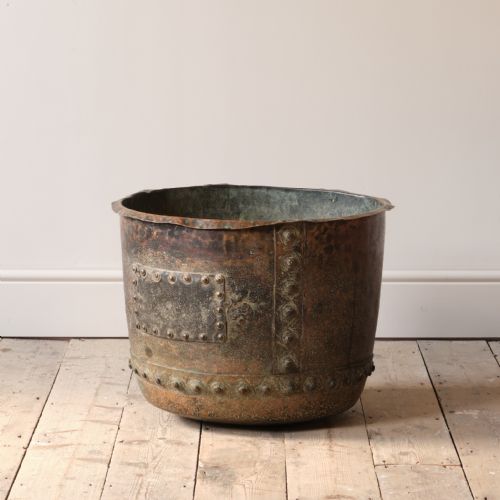
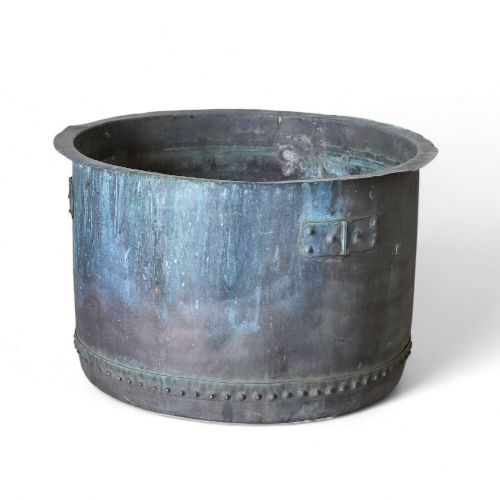
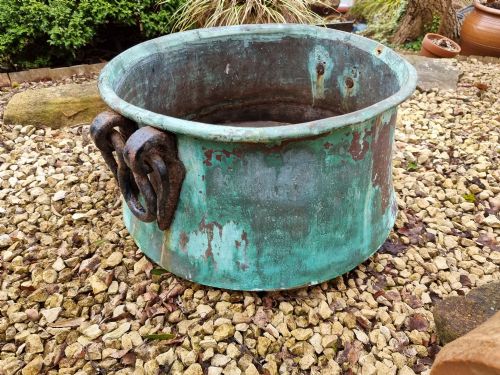
The most frequent examples appearing here are nineteenth-century copper pots and riveted planters repurposed for fireside storage alongside traditional woven storage baskets. These pieces bridge utilitarian function and decorative presence, reflecting regional styles from English country houses to French agricultural holdings.
Makers utilised durable materials suited to holding heavy timber and coal, resulting in surviving objects that transition naturally from agricultural or industrial origins into domestic living spaces.
Materials and construction
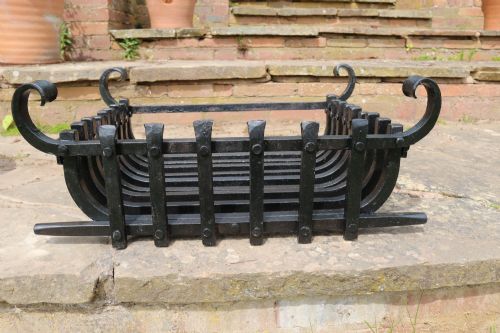
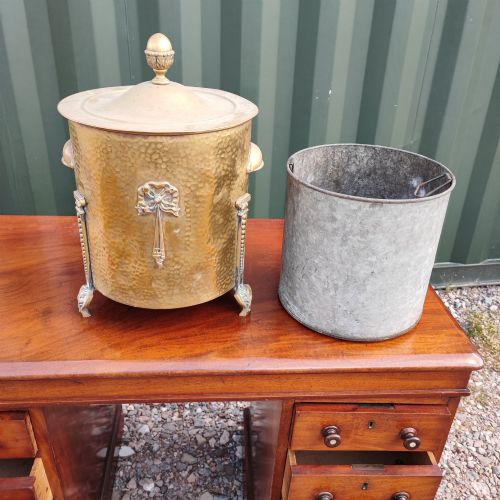
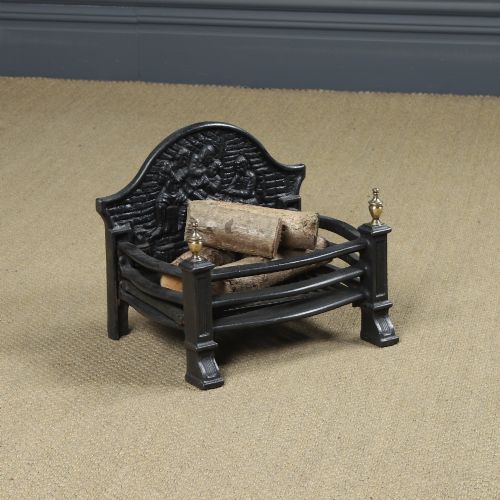
Metal vessels rely on hand-beaten copper, brass, and cast iron, often joined with visible rivets and supported by wrought iron frames. Artisans shaped these heavy sheets to withstand daily exposure to heat and moisture, producing durable containers with natural patinas.
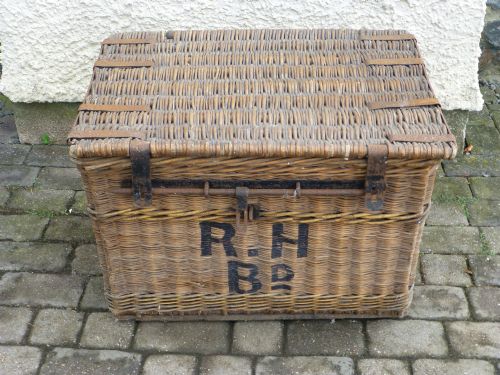
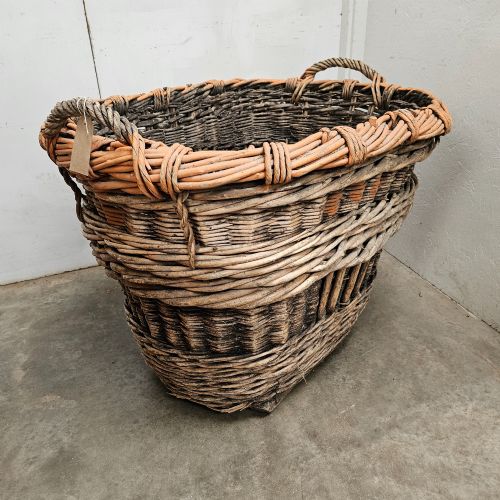
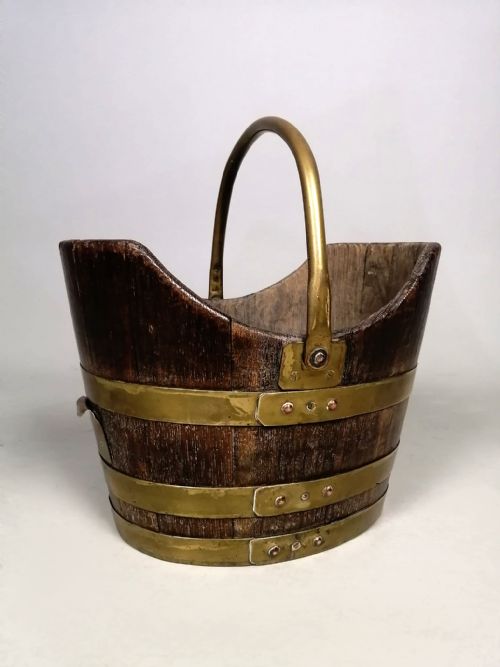
Woven examples employ natural fibres including cane, wicker, linen, and pine, utilising traditional hand-weaving techniques to build flexible yet resilient structures. Coopered wooden barrels utilise tight staves held by metal banding, providing robust storage for fuel.
Grape-picking baskets once hauled French harvests before retiring indoors to hold firewood.
Distinctions in quality
Quality rests in the integrity of the original construction, seen in hand-riveted copper seams, solid wrought iron mountings, and tightly bound plant fibres. Superior examples retain their structural stability under the weight of logs without compromising the integrity of the material.
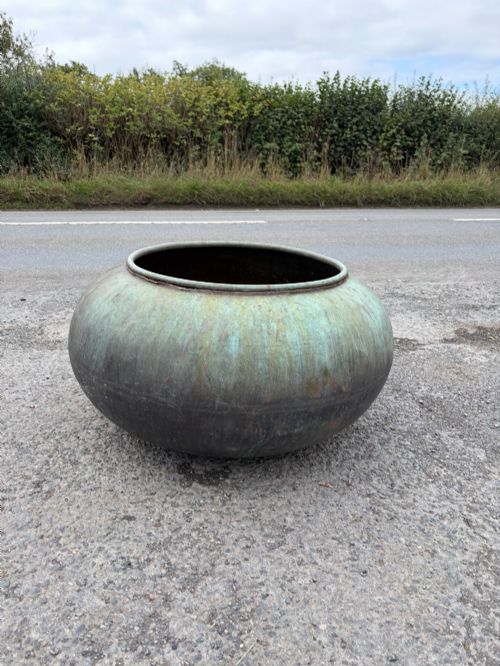
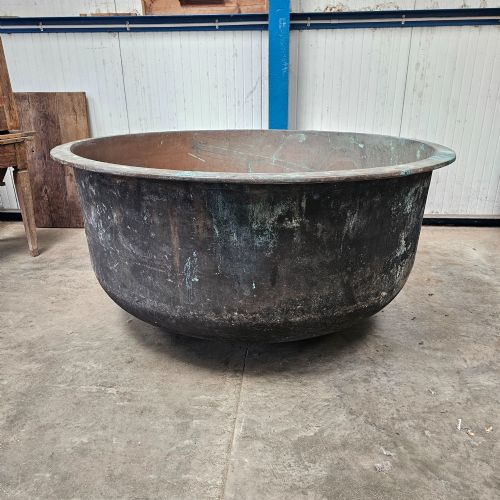
The character of the surface finish plays a central role, distinguishing pieces with honest weathering, verdigris, and genuine patination from later alterations. Depth of material and traditional craftsmanship separate standard utilitarian vessels from exceptional surviving examples.
The Vintage Log Basket Glossary
- Verdigris
- A green patina formed naturally on copper or brass through atmospheric oxidation. This surface layer develops over long periods of exposure.
- Coopered
- Built from wooden staves bound together with metal hoops, following traditional barrel-making techniques. This method provides immense structural strength for storage.
- Arts and Crafts
- A design movement prioritising handcraftsmanship and traditional materials over industrial mass production. Objects from this period display honest construction and medieval influences.
- Riveted
- Joined together using metal pins hammered flat to secure overlapping sheets. This technique ensures durable joints on heavy copper and iron vessels.
Vintage Log Basket: Frequently Asked Questions
How were these baskets originally used?
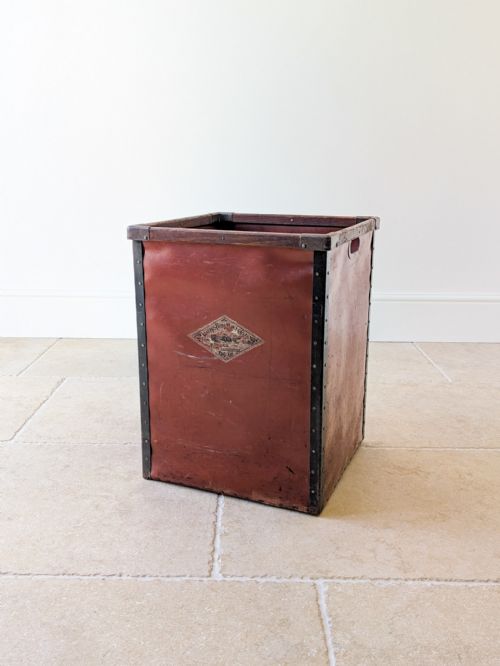
These vessels served diverse utilitarian purposes in agricultural, industrial, and domestic settings before finding modern homes by the hearth. Many began as harvest carriers, cheese vats, industrial mill bins, or coal scuttles.
Over decades, their durable construction made them ideal for gathering and storing heavy firewood near open grates.
Can I use a metal pot as a log holder?
Heavy metal vessels, particularly riveted copper pots and brass-banded buckets, suit the weight of logs and coal. Their sturdy bases withstand the impact of heavy timber.
Industrial bins and copper planters provide stable containment while adding contrasting metallic texture to a fireplace setting.
How do I care for a copper log bin?
Copper surfaces develop natural patinas and verdigris over time through handling and exposure. Preservation requires minimal intervention, keeping the metal dry and free from abrasive cleaners.
Allowing the natural ageing process to continue protects the historical surface character.
What is the difference between woven and metal log baskets?
Woven baskets utilise natural fibres like pine, cane, and wicker, offering flexible structure and traditional country texture. Metal baskets rely on copper, iron, and brass to provide rigid, heavy-duty containment.
Both materials originate from functional domestic or agricultural roles spanning the eighteenth to twentieth centuries.