
19th Century Basket
A 19th century basket brings tactile warmth and historical utility to modern interiors through varied artisan forms.
19th Century Basket
When you search for a 19th century basket, you encounter a diverse array of utilitarian and decorative objects spanning utilitarian wicker carriers, woven willow laundry hampers, and intricate ceramic fruit baskets. These items reflect the domestic and industrial needs of the Georgian, Victorian, and Regency periods, originating from English country houses, continental workshops, and Chinese export trade.
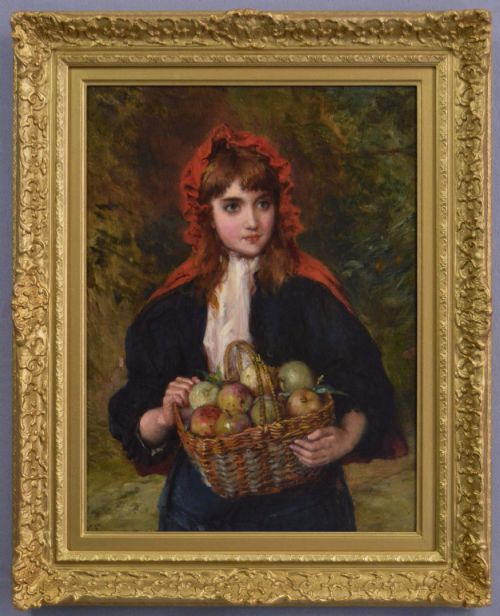
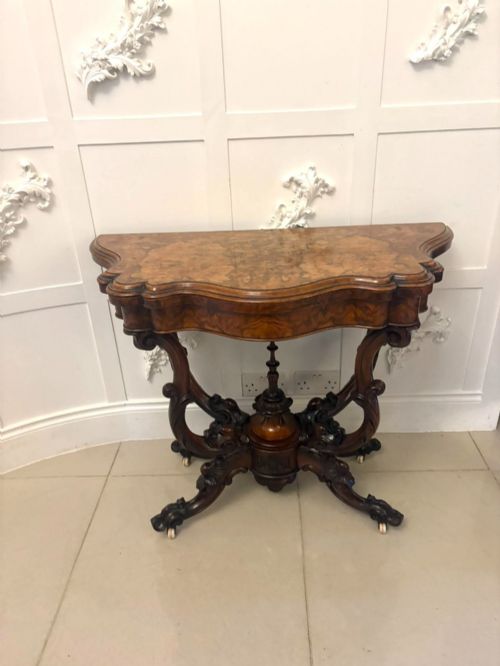
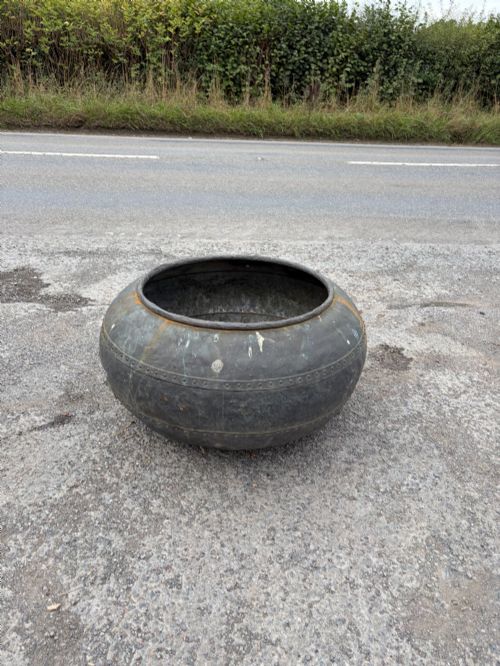
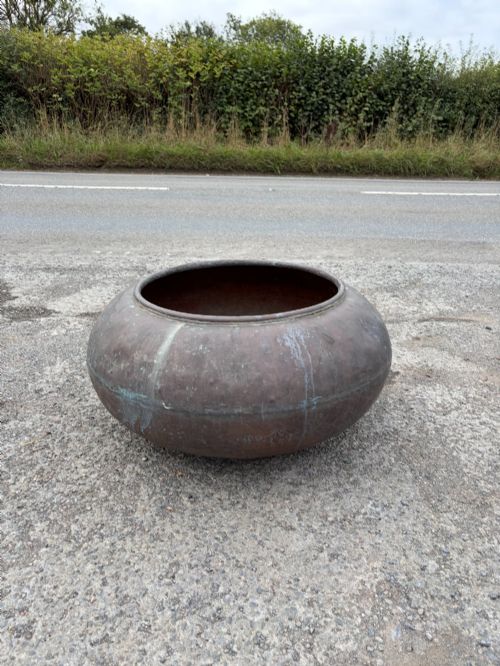
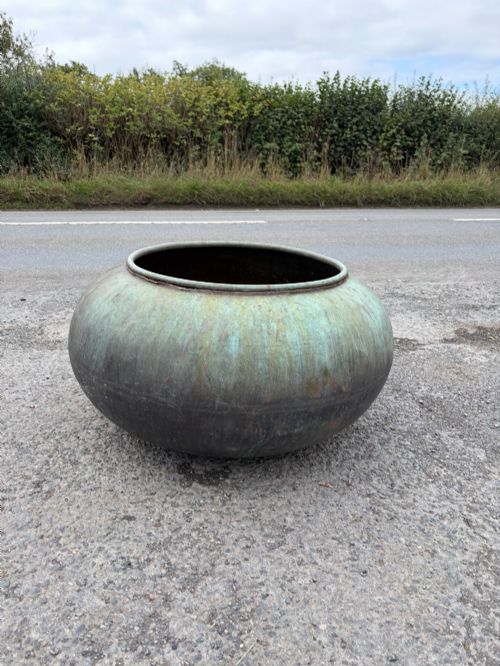
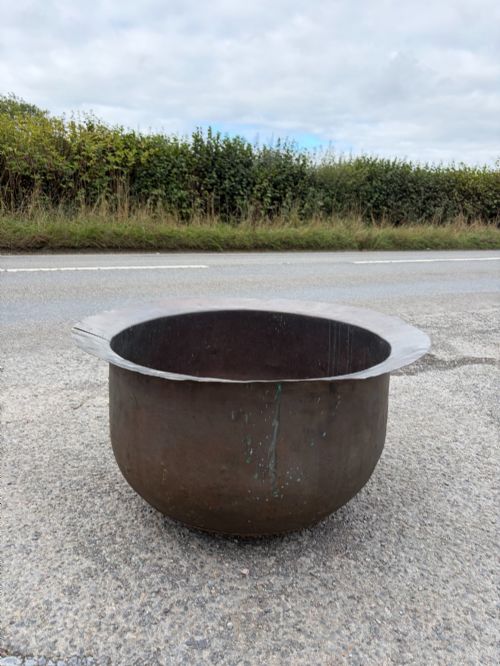
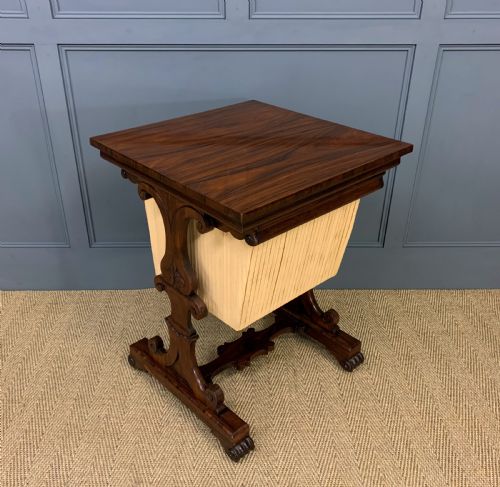
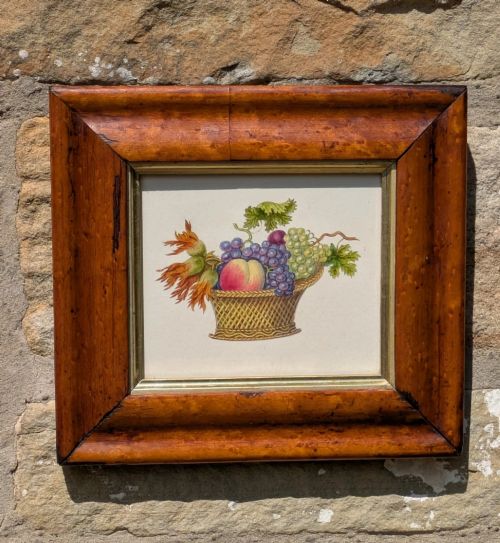
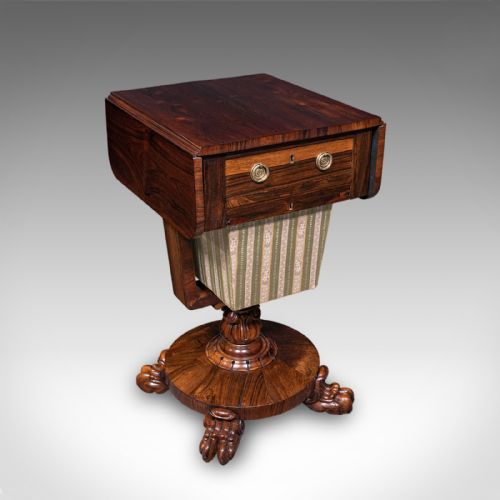
The selection frequently includes specialised domestic forms such as copper log bins, silver-plated fruit centerpieces, sewing work tables featuring basket compartments, and heavy iron fire grates. Alongside these functional containers, the inventory embraces artistic depictions in oil paintings and watercolours showing still life studies or market scenes involving wicker vessels.
Materials and construction methods
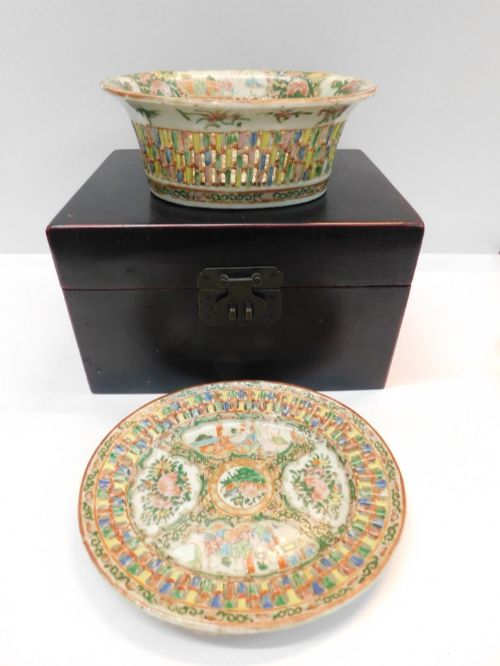
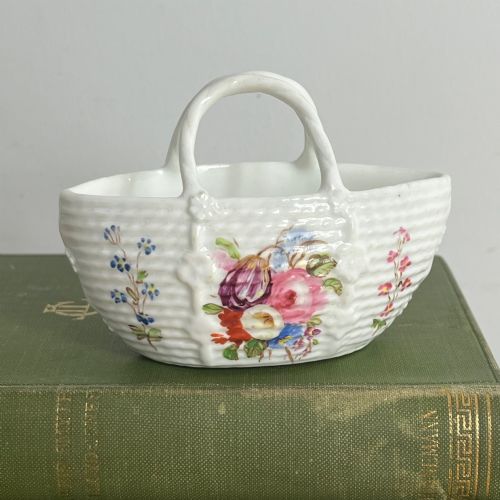
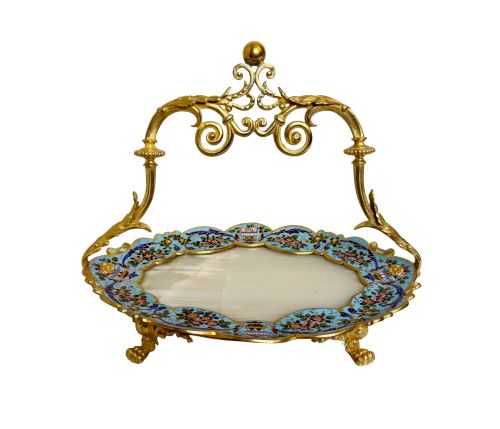
Ceramic and glass examples rely on moulded earthenware, creamware, porcelain, and majolica techniques, frequently incorporating pierced reticulation or hand-painted floral motifs. Artisans also employed specialised mediums like boiled leather, papier-mâché, and champlevé enamel to create decorative caskets and trays.
Certain Victorian ladies enjoyed sewing beside a miniature carved wooden basket base while their Staffordshire dogs watched silently from the hearth.
Distinctions in construction and artistry
Quality rests upon the integrity of the weave, the thickness and purity of the metals used in hand-riveted copper or silver plating, and the precision of pierced ceramic reticulation. Superior examples maintain structural soundness alongside crisp detailing in carved wooden work tables or hand-painted porcelain glazes.
The distinction between utilitarian workshop pieces and high-status drawing-room items determines value, where refined decorative finish, maker provenance, and undamaged structural fibre separate everyday domestic survivals from exhibition-grade works.
Flight Barr & Barr·Royal Worcester·George W Scott & Sons Ltd·George Jones·Minton·Davenport·Walker & Hall·White Brothers
The 19th Century Basket Glossary
- Reticulation
- An openwork pattern formed by piercing clay before firing to create a net-like decorative design. This technique appears frequently on porcelain orange and chestnut baskets.
- Majolica
- A type of colourful lead-glazed earthenware popularized during the Victorian era. It often depicts naturalistic fruit and flower motifs in high relief.
- Trug
- A traditional shallow horticultural container traditionally made from strips of wood. Welsh artisans and costermongers utilised these robust carriers for gathering produce.
- Champlevé
- An enamelling technique where troughs are carved into a metal surface and filled with vitreous paste before firing. This method decorates bronze and brass centrepiece trays.
- Drabware
- A ceramic body characterised by dull brownish-grey or olive earthenware tones. It gained popularity during the mid-nineteenth century for utilitarian kitchen items like cheesedomes.
19th Century Basket: Frequently Asked Questions
How were 19th century baskets used originally?
These items served a multitude of domestic and commercial roles, ranging from agricultural harvesting and laundry transport to fireside log storage and formal dining room presentation. Wealthy households employed silver-plated baskets for serving fruit or bread, while country houses relied on sturdy willow hampers and copper bins for daily chores.
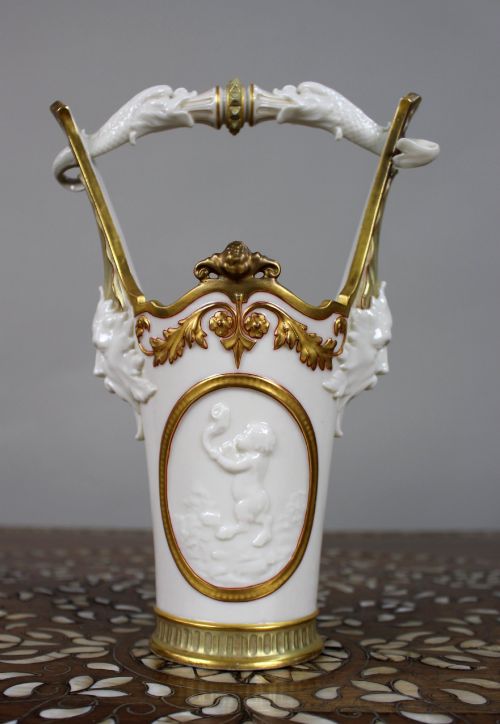
Finer ceramic and porcelain versions functioned as decorative centrepieces on dining tables or as specialised receptacles for chestnuts and oranges during formal meals. Smaller papier-mâché and wooden variations supported needlework and writing tasks in the parlour.
How do I clean an antique wicker basket?
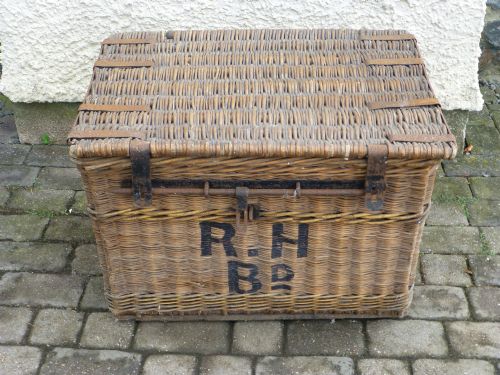
Maintenance requires gentle dusting with a soft-bristled brush or a low-suction vacuum attachment to remove particulate matter lodged between the woven fibres. Avoid using excess water or harsh chemical detergents, as moisture causes natural plant materials like willow and wicker to warp or become brittle over time.
If the material requires light cleaning, wipe it down sparingly with a slightly damp cloth and dry it immediately in a well-ventilated space. Keeping the object away from direct sunlight and excessive humidity preserves the natural patina and structural integrity of the cane.
What is the difference between iron and copper log bins?
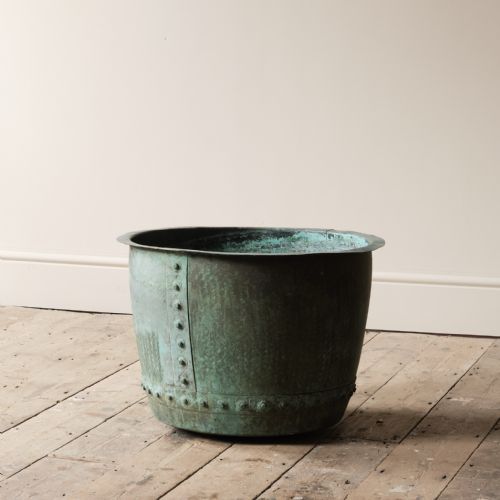
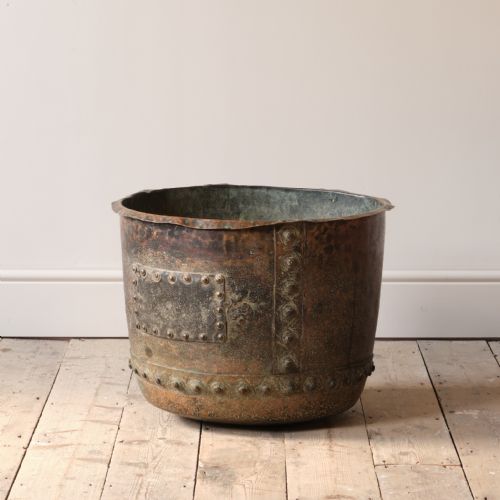
Copper log bins and buckets were typically constructed from hand-riveted sheets of metal, often featuring wrought iron handles and warm patinated surfaces designed to sit prominently beside the hearth. Their metallic construction allowed them to withstand heavy loads of firewood while providing a decorative reflective surface in nineteenth-century interiors.
Wrought iron fire baskets and grates, by contrast, functioned as structural hearth fixtures built to hold burning coal or wood directly within the fireplace opening. These iron pieces frequently incorporated decorative scrollwork and lattice designs rather than serving as moveable floor containers.
How can I date a silver-plated fruit basket?
Dating relies heavily upon maker marks, stamped registry numbers, and stylistic cues characteristic of the period, such as Regency neoclassical symmetry or ornate Victorian revival motifs. Manufacturers often stamped their corporate names and specific plating marks onto the base or rim of the metalwork.
The weight of the piece, the thickness of the plating, and the method of construction also provide chronological clues. Examining the wear patterns on the underside helps confirm whether the item dates to the early nineteenth-century Georgian era or the later Victorian decades.