
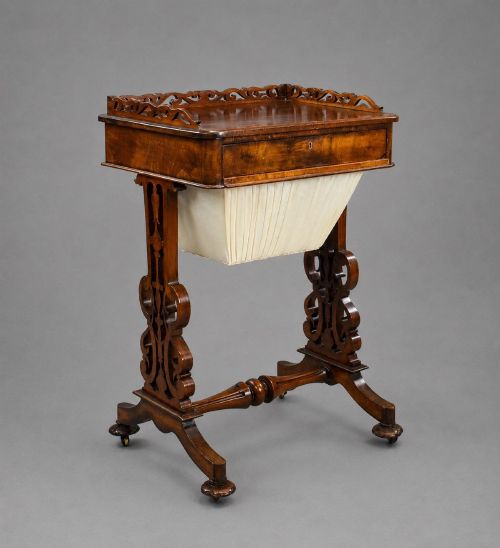
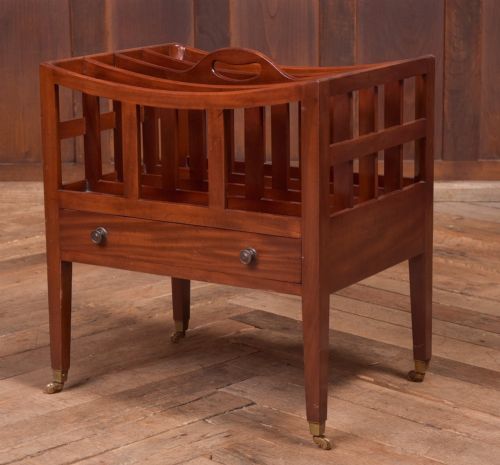
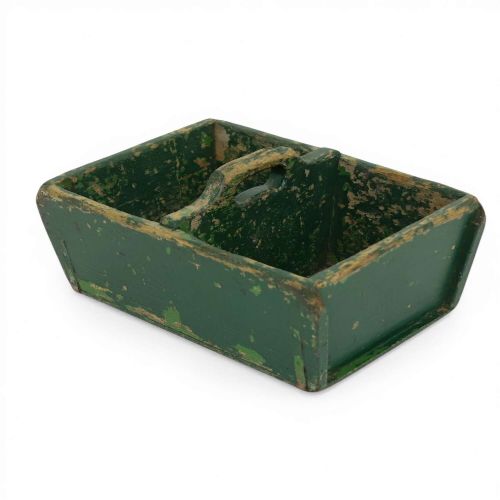
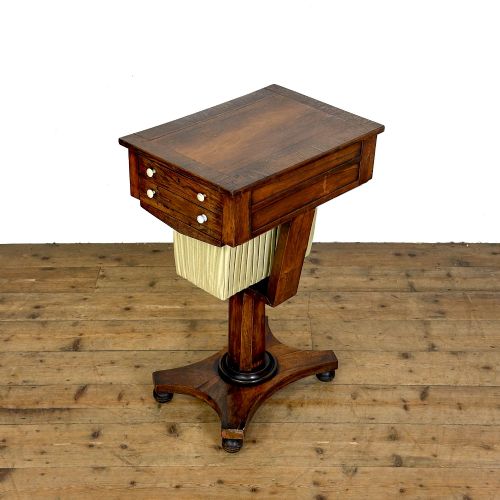


Antique Wooden Basket
An antique wooden basket brings texture and utility into a room, spanning rustic country containers and refined mahogany work tables.
Antique Wooden Basket
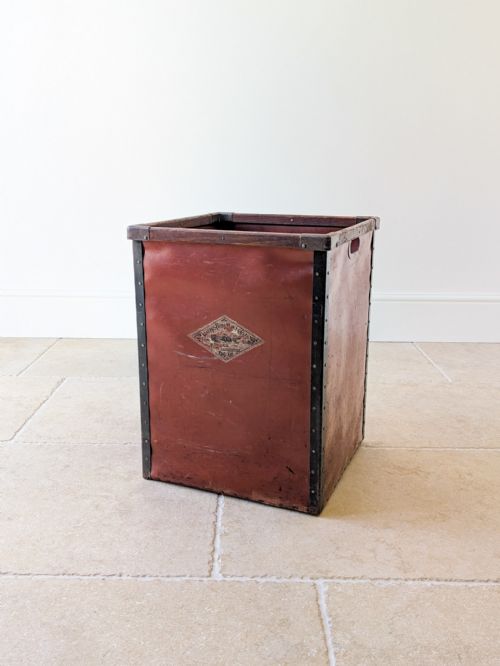
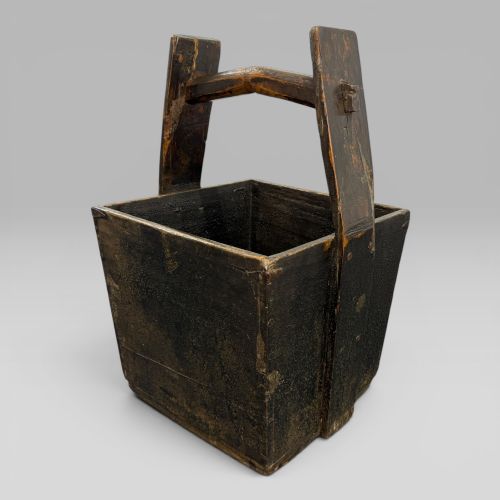
When searching for an antique wooden basket, buyers encounter diverse forms ranging from rustic pine log bins and harvest carriers to formal Victorian and Georgian sewing tables with integrated storage. These pieces bridge utilitarian domestic work and refined interior display across the nineteenth and early twentieth centuries.
Scandinavian country hand-woven vessels and British garden trugs sit alongside mahogany work boxes and coopered barrels, showing how different regions adapted timber for daily labour and household storage. The selection spans various styles including Edwardian, Regency, and rustic farmhouse aesthetics.
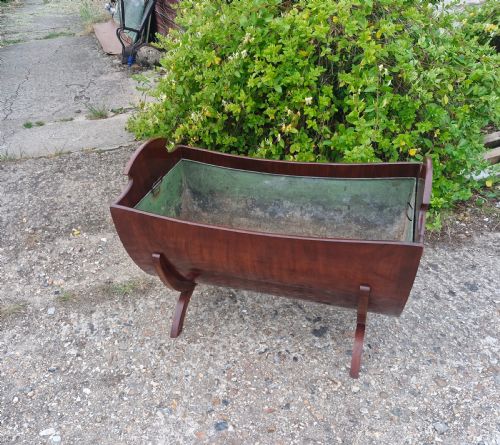
Such objects functioned variously as sewing repositories, magazine holders, coal stores, and harvest containers. Each form reflects the specific material demands of its period, utilising local timbers to serve practical domestic and agricultural roles.
Materials and Construction
Construction relies heavily on traditional timber selection, employing durable woods such as pine, oak, mahogany, fruitwood, and rosewood. Artisans shaped these materials using cooperative techniques for barrels and bins, alongside hand-weaving methods for flexible storage baskets.
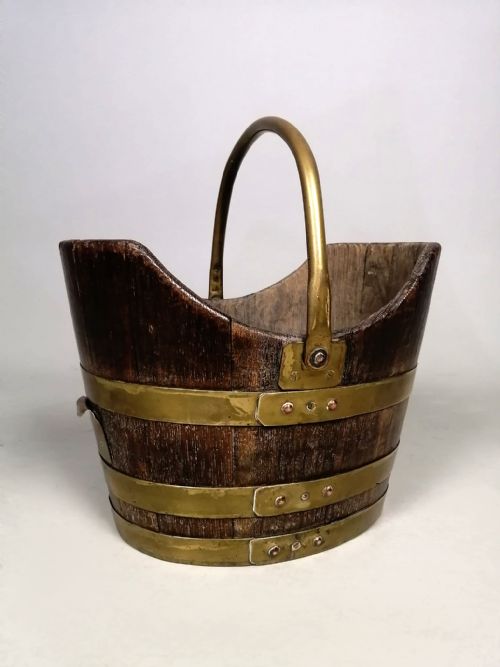
Metal reinforcement frequently appears through iron bands and brass fittings that secure staves and add structural integrity to heavy items like coal buckets and industrial bins. Joinery methods range from pegged joints in country pieces to fine cabinetmaking in work tables.
Craftsmanship and Proportion
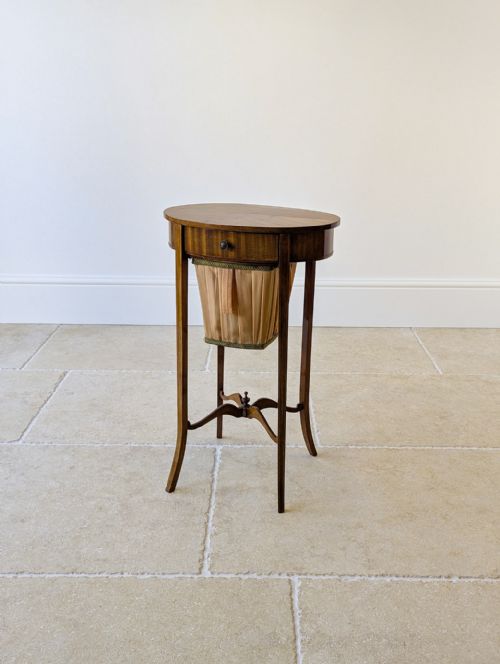
Quality separates through the integrity of the timber selection and the precision of the joinery, distinguishing sturdy working items from finer parlour pieces. Grain patterns in burr walnut, mahogany, and rosewood elevate formal sewing tables above utilitarian storage.
Proportion and the retention of original hardware, such as brass banding and drop handles, dictate the distinction between standard vessels and exceptional examples. The harmony between the basket body and any fitted base or stand determines the overall success of the piece.
The Antique Wooden Basket Glossary
- Trug
- A shallow horticultural container traditionally made from split wood or woven strips. These items served garden and harvest duties.
- Canterbury
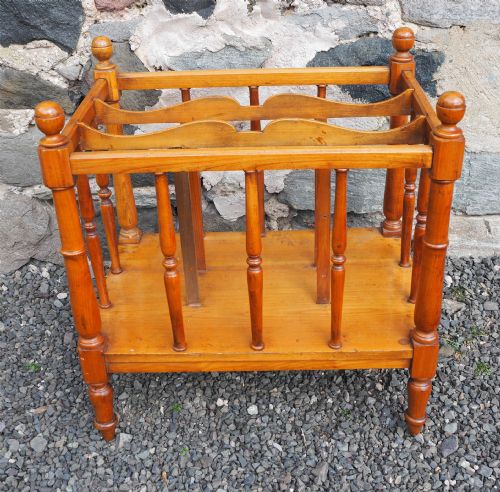
- A partitioned stand designed to hold sheet music or books, often incorporating a drawer beneath. This form emerged during the Regency and Edwardian periods.
- Coopered
- Constructed from wooden staves fitted together and bound by metal or wooden hoops. This technique created liquid-tight vessels like barrels and log bins.
- Work Table
- A small occasional table fitted with a drawer, bag, or basket for sewing and needlework. These domestic pieces often featured finely figured mahogany or rosewood.
- Tunbridge Ware
- Small wooden items decorated with intricate mosaic patterns made from tiny wood blocks of different natural colours. This technique created pictorial and geometric surface designs.
Antique Wooden Basket: Frequently Asked Questions
How were antique wooden baskets used?
These pieces served multiple domestic and agricultural duties, functioning as garden trugs for harvesting produce, fireside bins for holding logs and coal, and storage vessels for textiles.
Formal variations incorporated compartments for sewing implements and needlework, while larger coopered barrels managed heavy household supplies.
What woods were commonly used?
Utilitarian vessels and harvest carriers relied on sturdy timbers like pine, fruitwood, and oak for everyday durability.
More formal parlour pieces utilised decorative hardwoods including mahogany, rosewood, and burr walnut to match refined interior furnishings.
How do I date an antique wooden basket?
Dating depends on observing construction techniques, tool marks, and the prevailing style of the period, such as Regency or Edwardian design traits.
Hardware elements like brass banding, iron fixings, and internal fittings also offer chronological clues relative to manufacturing shifts.
How do I care for wooden baskets?
Keep these items away from direct heat sources and dramatic humidity fluctuations to prevent timber shrinkage and splitting.
Gentle dusting and occasional application of appropriate wood wax help maintain the dry surface finish without harming the historic patina.