






Timber Storage Basket
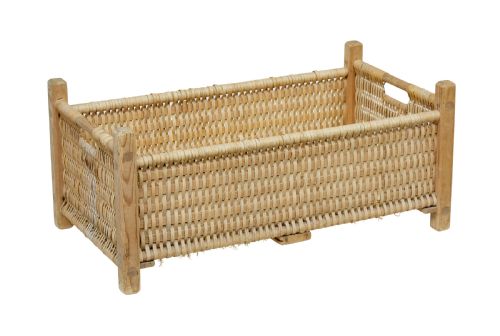
These timber storage basket examples are sturdy vessels for hearths and halls, shaped from pine and woven splints for practical everyday service.
Timber Storage Basket
When you search for timber storage basket, you encounter practical utility items designed for holding logs, kindling and household goods. The selection includes log bins, storage barrels, trugs and French grape bins intended for heavy domestic work.
Most pieces seen here originate from the nineteenth century or date to nineteen twenty. You find Scandinavian country and rustic farmhouse forms alongside industrial and utilitarian examples.
The dominant material is pine, often worked as hand-woven splints or solid staves bound with iron and steel. These vessels combine wood and metal to withstand heavy loads.
How they were made
Maker construction relies on pine and timber, shaped into woven splints or solid wooden barrels and bins. Hand-weaving techniques create flexible yet resilient walls for containers.
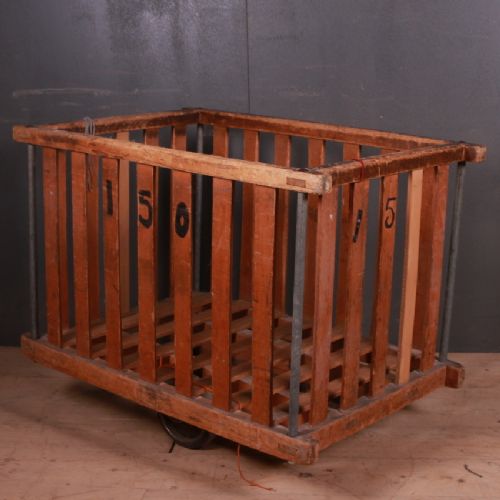
Metal reinforcement is common, utilising iron and steel bands, trug handles and trolley mountings to strengthen the wooden bodies. These additions support the weight of logs and heavy contents during daily use.
Timber Storage Basket Retail Price Guide 2026
Typical asking prices for timber storage basket among the pieces listed under this phrase on Sellingantiques today, from the lower quarter to the upper quarter. They describe what is for sale here now, not the wider market.
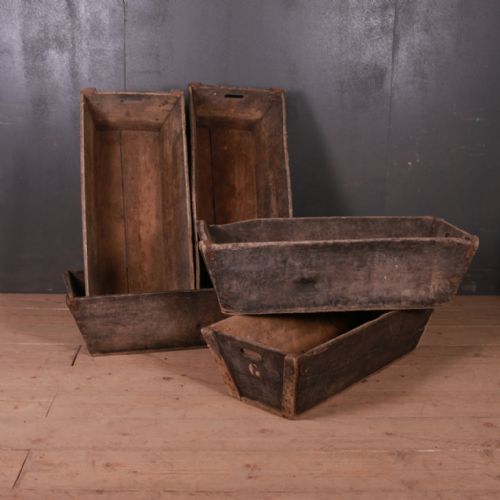
French grape bins traded vineyard mud for hearthside service, holding logs instead of harvest.
What varies in quality
Construction robustness separates utilitarian workhorses from lighter decorative examples, seen in the thickness of the pine splints and the weight of the iron binding. Stronger pieces feature tight hand-weaving and secure metal fastenings.
Integrity of the materials determines longevity, particularly where wood meets metal. Tightly fitted iron hoops and sound timber staves indicate superior craftsmanship in nineteenth-century and early twentieth-century workshops.
The Timber Storage Basket Glossary
- Pine
- A softwood commonly used across nineteenth-century Scandinavian and European country baskets for its combination of lightness and strength. It takes on a rich patina through handling and age.
- Woven Splint
- Thin strips of wood interwoven to form the flexible body of a basket. This technique distributes weight evenly across the container walls.
- Iron-Bound
- A method of securing wooden staves or basket rims with metal bands. This reinforcement prevents splitting under heavy pressure from logs or bulk storage.
- Trug
- A shallow garden or utility basket traditionally made with a solid base board and a bentwood rim. Nineteenth-century examples often incorporate iron fittings for extra durability.
Timber Storage Basket: Frequently Asked Questions
How were these timber baskets used?
These vessels served primarily as log baskets by the hearth, holding firewood for daily heating in country homes and farmhouses. They also functioned as general storage bins and agricultural containers.
Industrial and utilitarian examples, such as wheeled trolleys, moved heavy loads across workspace floors. French grape bins collected harvests in vineyards before finding domestic use.
What periods do these pieces date from?
The available selection spans the nineteenth century through to nineteen twenty. Nineteenth-century examples frequently originate from Scandinavian country makers.
Pieces from nineteen twenty include utilitarian log bins and trolleys. Both periods emphasise robust construction using pine and iron.
How do I care for a wooden storage basket?
Keep wooden and woven baskets in stable indoor environments away from excessive dampness or direct heat sources. This prevents the pine splints and staves from drying out or splitting.
Dust the woven surfaces regularly with a dry cloth. Avoid harsh chemical cleaners that can strip the historic patina from the timber.