




Oak Fireplace Bucket
An oak fireplace bucket brings honest warmth to a hearth, holding fuel within solid staves built to endure years of fireside service.
Oak Fireplace Bucket
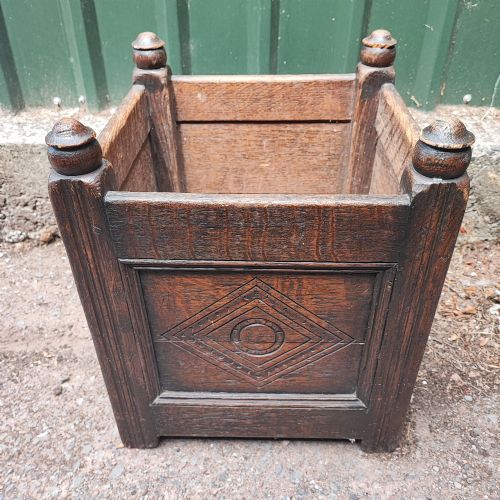
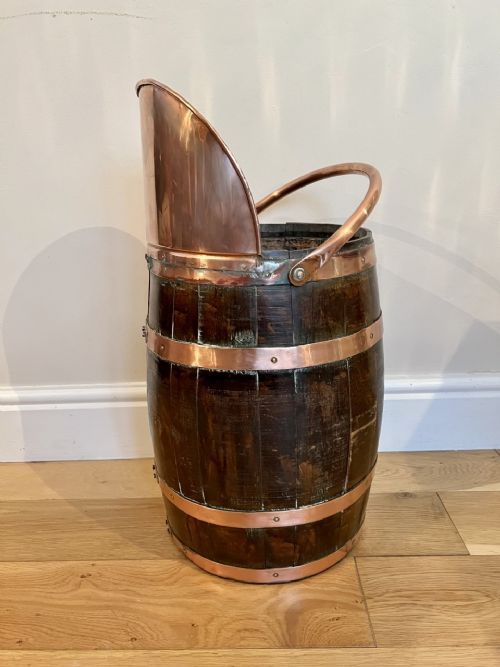
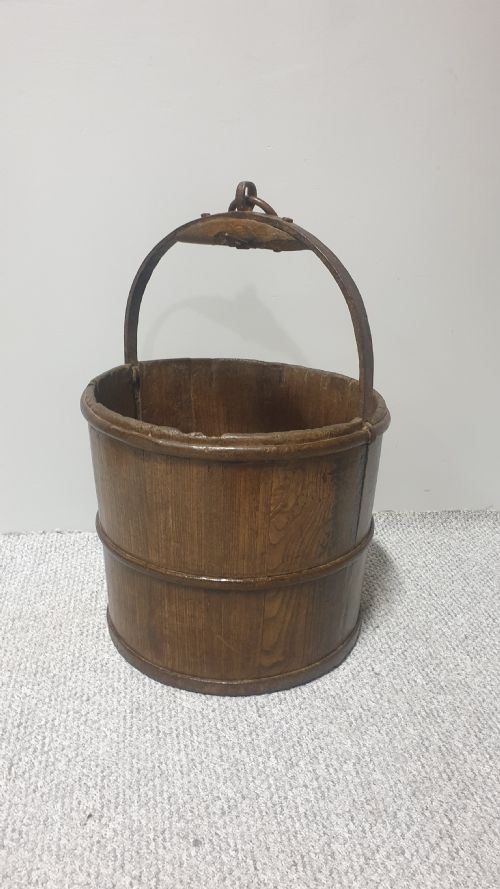
When you search for an oak fireplace bucket, you enter a practical category of timber fireside vessels designed to hold coal, logs, or peat beside the hearth. These pieces range from coopered barrels and log bins to carved coal boxes and purdoniums.
You are most likely to meet Victorian and Edwardian examples on this page, alongside earlier Georgian forms and rustic country pieces. They function as robust storage containers that double as decorative furnishings for traditional and modern chimneys alike.
The objects take various shapes, including cylindrical coopered buckets, rectangular coal hods, and lidded boxes. Each serves the fundamental domestic duty of keeping fuel close at hand while maintaining the tidy appearance of a well-kept room.
How they were made
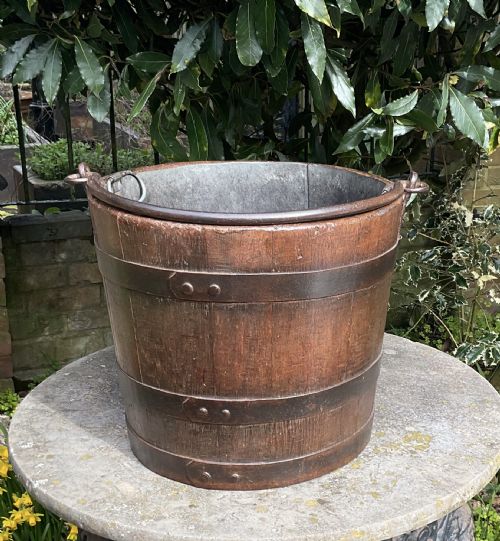
Construction relies heavily on traditional coopering techniques, where narrow wooden staves of oak are shaped and bound together with metal hoops to form a watertight or sturdy cylindrical vessel. Coopered barrels and buckets utilise this method to ensure the timber joints stay tight under the weight of heavy fuel.
Metalwork plays a vital structural role, with brass and iron bands, swing handles, and hinges reinforcing the wooden bodies. Many pieces incorporate interior liners made of copper or zinc to protect the surrounding oak from dampness and coal dust.
Cabinetmaking and carving skills appear on the more formal coal boxes and purdoniums from the Victorian and Edwardian periods. Panel construction, mouldings, and carved fronts elevate simple utility into domestic furniture.
A Scottish peat bucket brings the earthy scent of highland hearths directly to your modern living room.
What varies in quality
The calibre of an oak fireplace bucket depends on the weight and selection of the timber used for the staves or panels. Denser grain and tight construction separate substantial vessels from lighter, purely decorative items.
The quality of the metal mounts, whether brass handles or iron bands, dictates the overall integrity of the piece. Superior examples feature thick gauge metalwork securely fastened without loose joints or replacement hardware.
Internal condition marks a clear distinction, particularly where removable metal liners survive intact. Pieces retaining their original zinc or copper linings show better preservation of the internal timber base.
The Oak Fireplace Bucket Glossary
- Coopered
- Built by a cooper using curved wooden staves bound together with metal hoops. This method forms traditional barrels and buckets.
- Purdonium
- A specialised coal box or container designed for domestic firesides, often featuring a sloping front or drop-down lid. They frequently house a metal shovel.
- Coal hod
- A bucket or container specifically shaped for carrying and storing coal near the fireplace. They usually include a strong swing handle for transport.
- Stave
- One of the narrow vertical strips of oak fitted together to form the sides of a coopered bucket or barrel. The tight fit provides structural strength.
Oak Fireplace Bucket: Frequently Asked Questions
What is an oak fireplace bucket?
An oak fireplace bucket is a sturdy timber container used to hold fuel such as logs, coal, or peat beside a hearth. These vessels combine practical storage with traditional fireside decoration.
They appear in various forms, from coopered stave construction to panelled boxes with metal mounts and liners.
How were these buckets used?
They sat beside the fireplace to keep fuel organised and readily available for tending the fire. The sturdy handles allowed homeowners to carry fresh supplies from outdoor stores.
Metal liners inside the wooden bodies protected the timber from moisture and dirt associated with coal and logs.
How do I care for an oak bucket?
Keep the timber away from extreme heat sources like direct radiator contact to prevent the oak staves from drying out and shrinking. Regular dusting and occasional application of appropriate wood wax maintain the finish.
Empty any damp fuel or ash regularly to protect the interior lining and prevent staining on the wooden base.
Are liners original?
Many surviving pieces retain their original copper or zinc liners, which protected the oak from coal dust and moisture. Replacement liners are common due to the heavy wear these working items experienced.
Checking the fit and material of the liner helps determine its period and authenticity.
How do I date a bucket?
Dating relies on construction methods, hardware types, and stylistic details typical of periods like the Victorian or Edwardian eras. Hand-forged ironwork often points to earlier Georgian or rustic country origins.
Machine-cut screws and standardised brass fittings generally indicate later nineteenth or early twentieth-century manufacture.