



Wrought Iron Handle Bucket
These wrought iron handle bucket pieces combine utilitarian metalwork with domestic warmth, bringing robust historical character to any fireside or hearth.
Wrought Iron Handle Bucket
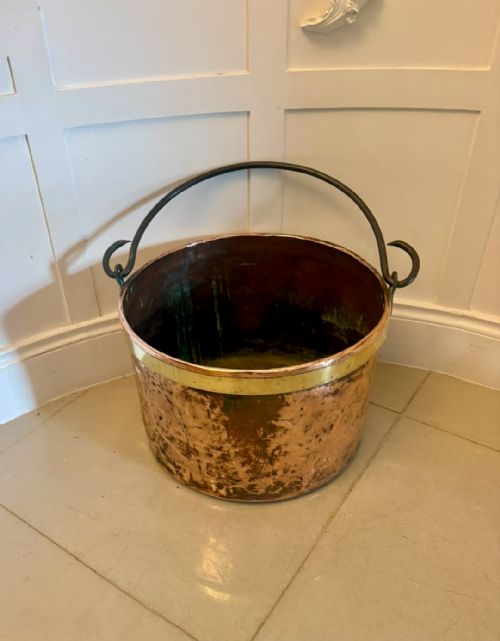
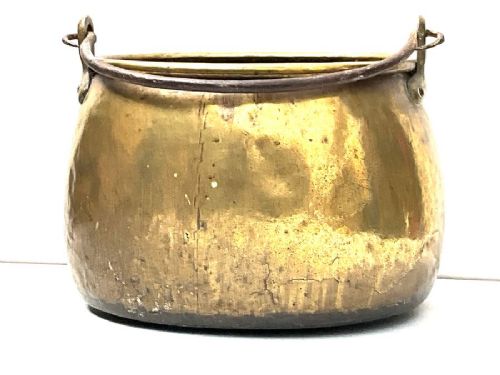
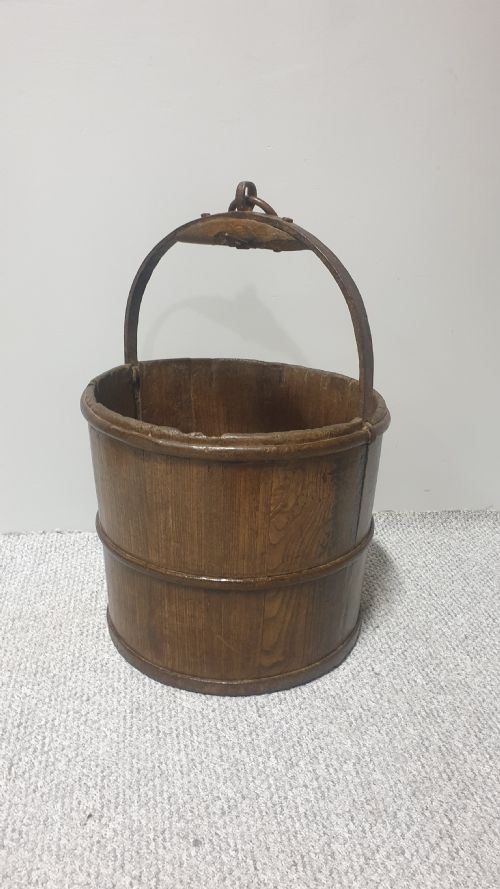
A wrought iron handle bucket serves primarily as a fireside accessory, taking the form of coal buckets, log bins, and fireside baskets designed to hold fuel near the hearth. These sturdy vessels also appear as copper cauldrons, cooking pots, and occasional oak well buckets banded in metal.
Buyers encounter forms spanning the Georgian and Victorian eras, alongside specific stylistic movements such as Art Nouveau and Arts and Crafts. Country variations, including French country and rustic farmhouse designs, also feature among these functional domestic objects.
The dominant material combination pairs hammered metal bodies, chiefly copper or brass, with heavy wrought iron handles meant for lifting substantial loads. Wooden examples utilise oak banded with iron, bridging the gap between utilitarian farm tools and decorative interior containers.
How they were made
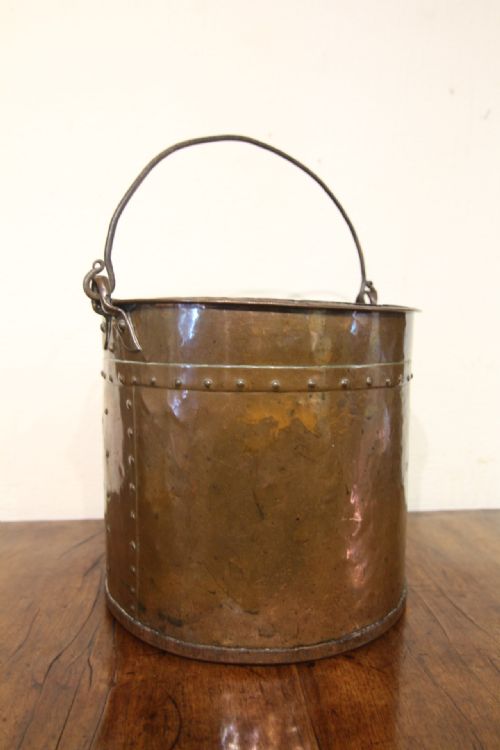
Makers shaped sheet copper and brass into deep cylindrical or cauldron forms, frequently joining seams with visible metal rivets that reinforced the structure for heavy daily use. Wrought iron swing handles were hand-forged by blacksmiths and secured to the main body via robust side attachments or looped mounts.
Wooden vessels relied on cooperage techniques, joining staves of oak with tight metal banding to hold liquids or dry materials securely without leaking. The combination of beaten metal and forged iron reflects traditional blacksmithing and sheet metal practices suited to utilitarian workshop production.
Materials recorded across current inventory include wrought iron, copper, brass, oak, and iron.
What varies in quality
The thickness of the metal body and the weight of the wrought iron handle separate substantial utility vessels from lighter decorative items. Heavier gauge copper and solid oak staves indicate a higher grade of original construction intended for demanding domestic labour.
Hand-hammered surface textures and carefully formed rivet work demonstrate superior craftsmanship compared to simpler mechanical production. The proportion between the container and its iron handle affects both visual balance and practical durability.
The Wrought Iron Handle Bucket Glossary
- Cauldron
- A large metal pot with a rounded base and a swing handle, traditionally used over an open fire for cooking or heating water. These heavy vessels often feature hand-forged wrought iron attachments.
- Coal Bin
- A container designed specifically to store solid fuel near a fireplace. They frequently utilise copper bodies paired with iron handles for everyday fireside utility.
- Cooperage
- The craft of making wooden staved vessels bound with metal hoops, such as buckets and casks. Oak finds common use in these robust containers.
- Riveted
- A method of joining sheet metal by inserting metal pins and hammering the ends flat. This technique provides structural strength along the seams of copper buckets.
- Swing Handle
- A movable arched handle attached to the sides of a bucket or pot, allowing the vessel to tilt and carry easily. Forged iron forms the standard material for these structural elements.
Wrought Iron Handle Bucket: Frequently Asked Questions
What were wrought iron handle buckets used for originally?
These vessels served practical domestic roles around the home, primarily holding coal, logs, and peat for open fires. Large cauldrons and pots also functioned in food preparation and heating water.
Over time, many of these utilitarian containers transitioned into decorative interior pieces used as planters or fireside storage.
How do I identify a Georgian piece?
Georgian items typically date from the eighteenth and early nineteenth centuries, displaying simpler, robust proportions associated with the period. Makers relied heavily on thick copper and heavy brass construction.
Detailing remains functional and restrained, reflecting the domestic requirements of the era before later Victorian and Arts and Crafts ornamentation.
Are these buckets suitable for holding logs today?
Most copper, brass, and oak examples retain the structural strength needed to hold firewood by the hearth. The sturdy wrought iron handles support the weight of logs and coal.
Checking the interior condition and handle security ensures the vessel can handle daily domestic use safely.
What is the difference between Art Nouveau and Arts and Crafts examples?
Art Nouveau pieces often display fluid, organic lines and stylized floral motifs hammered into the copper body. These designs emerged around the turn of the twentieth century.
Arts and Crafts items emphasise honest construction, visible hand craftsmanship, and simpler geometric forms rather than ornate surface decoration.