


Vintage Copper Ash Bucket
These vintage copper ash bucket examples bring warmth and robust utility to the hearth, offering functional display for fuel.

Vintage Copper Ash Bucket
When you search for a vintage copper ash bucket, you find vessels designed to hold coal, logs, or ash beside the fireplace. The listings include helmet-shaped coal scuttles, cylindrical buckets, and cauldrons spanning the Georgian, Victorian, Edwardian, and Arts and Crafts periods.
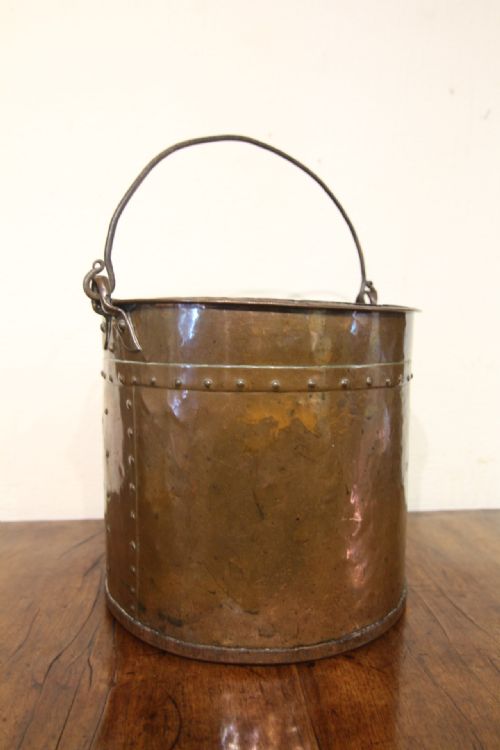
You are most likely to meet Victorian and 19th-century copper buckets featuring brass swing handles and riveted seams. Pieces range from plain cylindrical coal bins to decorative Art Nouveau and Arts and Crafts designs.
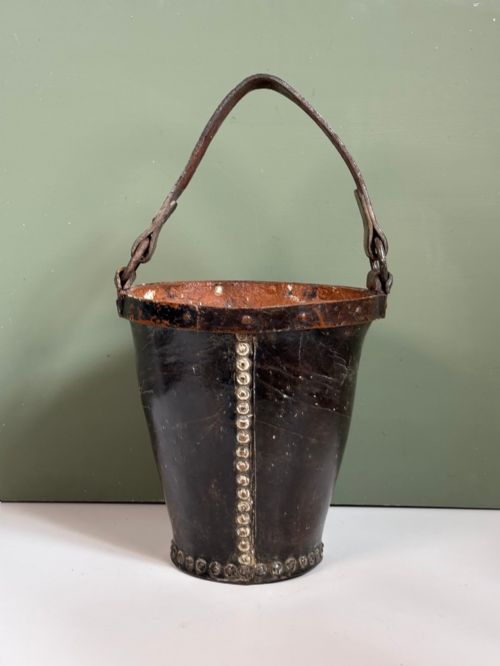
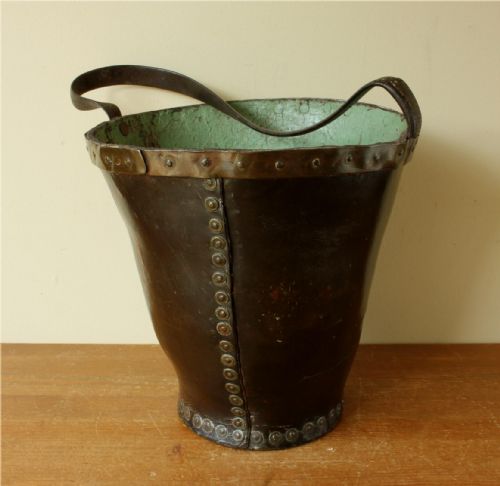
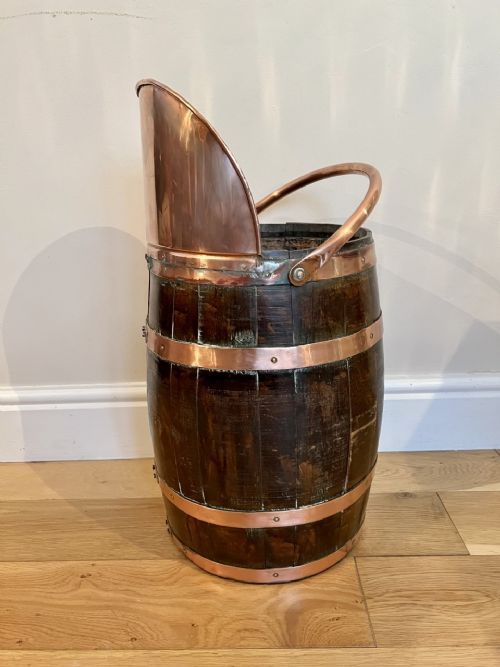
The selection also encompasses leather fire buckets with copper studs and oak buckets bounded in copper bands. These functional hearth accessories served daily domestic use in British homes over past centuries.
How they were made
Artisans hammered and shaped sheet copper, joining seams with visible rivets or soldering. Wrought iron and brass formed the sturdy swing handles and feet attached to the bodies.
Some items combined materials, pairing copper bodies with oak staves, brass mountings, or boiled leather. Hand-beated surfaces and dinanderie finishes appeared on Arts and Crafts and Art Deco examples.
Vintage Copper Ash Bucket Retail Price Guide 2026
Typical asking prices for vintage copper ash bucket among the pieces listed under this phrase on Sellingantiques today, from the lower quarter to the upper quarter. They describe what is for sale here now, not the wider market.
Listings feature copper combined with oak, brass, wrought iron, and boiled leather across Victorian and Georgian periods.
What varies in quality
Thickness of the metal gauge and the integrity of the riveted joints distinguish sturdier vessels from lighter wares. Heavier copper withstands dents better and maintains structural form under the weight of coal or logs.
The refinement of handle attachments, foot castings, and decorative hand-beating separates standard utilitarian containers from finer stylistic pieces. Original brass fittings and matching components elevate the integrity of a piece.
The Vintage Copper Ash Bucket Glossary
- Helmet scuttle
- A coal container featuring a high back and a sloping front lip resembling a helmet, designed for pouring fuel cleanly onto a fire.
- Riveted
- A method of joining sheet metal using metal pins hammered flat at the ends, creating visible structural seams along the side of a bucket.
- Dinanderie
- An ornamental technique of beaten and etched brass, copper, or bronze objects, associated with Art Deco production.
- Boiled leather
- Heavy leather treated in hot water or wax to harden it into rigid shapes, seen in historical fire buckets.
- Coal hod
- A portable container for carrying coal to a fireplace, often featuring a shovel rest or dual handles.
Vintage Copper Ash Bucket: Frequently Asked Questions
How were copper buckets used originally?
Households utilised these metal vessels to transport coal from outdoor bunkers to indoor fireplaces. They kept fuel close at hand and ready for burning throughout the day.
Some variations served specifically as fire buckets filled with water for safety, while others held ash cleared from the grate. Over time, their role shifted toward decorative storage for logs and kindling.
How do I clean a copper bucket?
Cleaning depends on whether you prefer to maintain a dark historical patina or achieve a bright metallic shine. Gentle washing with warm soapy water removes accumulated dust and grime without damaging the surface.
Avoid harsh chemical abrasives that strip the aged character from older pieces. A soft cloth and mild metal cleaner suffice if you wish to highlight the hand-beaten texture.
Are these buckets still functional?
Many surviving examples retain the structural integrity required to hold logs, kindling, or magazines today. Their sturdy copper bodies and riveted joints handle dry weight well.
Buyers should inspect the base and seams for historical wear or repairs before using them to hold heavy materials. Most people prefer them as decorative interior accents rather than for carrying loose ash.
How do I identify Victorian pieces?
Victorian examples often display heavy copper construction with prominent riveted side seams and cast brass swing handles. They frequently take the form of helmet scuttles or cylindrical coal bins.
Stylistic cues draw upon Gothic, Classical, or early industrial designs popular during the nineteenth century. Makers focused on durability and practical domestic utility.