


Traditional Wood Log Bin
These traditional wood log bin pieces combine timber and metal to store hearth fuel beside the fireplace, offering a practical way to keep wood tidy.
Traditional Wood Log Bin
When you search for a traditional wood log bin, you find sturdy vessels designed to hold fuel by the hearth. These pieces serve fireside storage needs in various domestic settings, keeping logs and coal contained neatly.
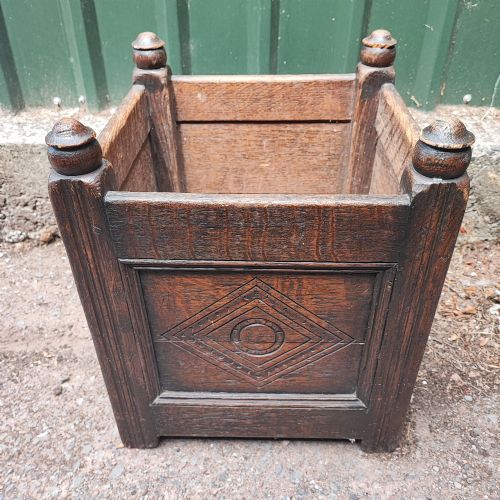
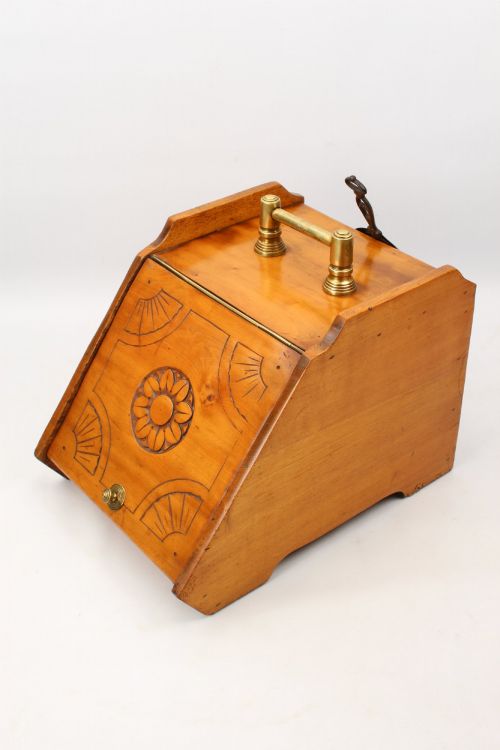
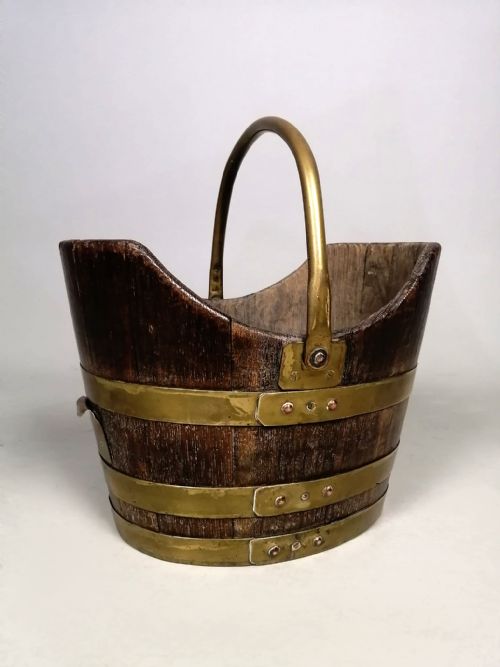
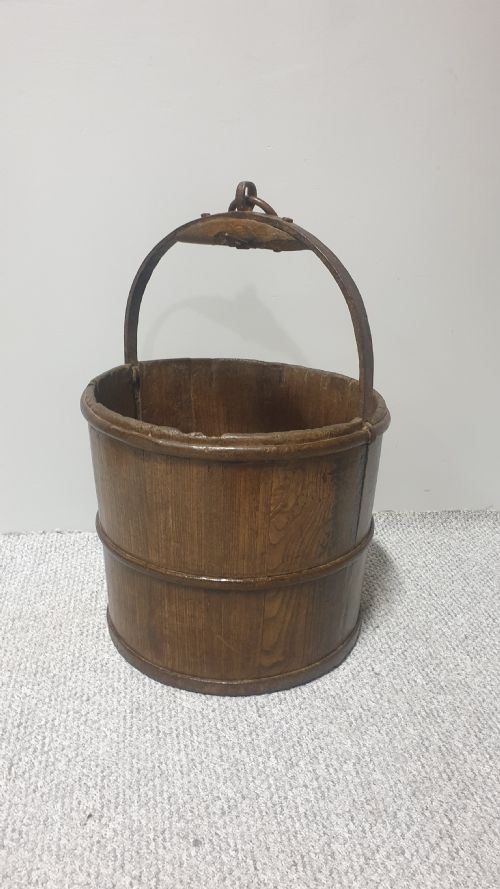
The selection on this page includes items shaped as buckets, bins, chests, and purdonium cabinets. Forms range from coopered fire buckets to lidded boxes and open baskets.
Origins span several eras and regions, featuring English, French, Dutch, and Scandinavian examples. Materials encompass solid timbers fitted with metal hardware.
How they were made
Maker construction relies heavily on solid hardwoods like oak, pine, fruitwood, walnut, and mahogany. Carpenters shaped these timbers using traditional joinery and cooperage techniques suitable for heavy daily use.
Metal components in brass and iron provide structural reinforcement and functional handles. Bands, hinges, and carrying loops secure the wooden staves and panels against the weight of heavy fuel loads.
Listings feature pieces spanning from the eighteenth century through the Edwardian era, constructed in oak, pine, walnut, and mahogany.
What varies in quality
Quality differences stem from the choice of timber and the precision of the joinery. Finely fitted coopered staves and solid board construction distinguish robust examples from simpler utilitarian items.
The integration of metalwork also marks distinction, where hand-beaten brass bands and forged iron fittings show superior craftsmanship. Intricate mahogany inlay or polished walnut surfaces elevate the decorative finish of formal household pieces.
The Traditional Wood Log Bin Glossary
- Coopered
- Built from wooden staves bound with metal hoops, much like a barrel. This method ensures sturdy containment for heavy logs.
- Purdonium
- A specialised coal or log cabinet featuring a sloping drop-front door. These items often incorporate an internal metal liner for cleanliness.
- Fruitwood
- Dense timber gathered from fruit-bearing trees, valued for its fine grain. Cabinet makers utilised this material for smaller decorative containers.
- Scuttle
- A vessel equipped with a handle and mouth designed for carrying fuel. Metal shovels frequently accompanied these pieces for hearth maintenance.
Traditional Wood Log Bin: Frequently Asked Questions
What is a traditional wood log bin used for?
These pieces hold firewood and coal conveniently close to the fireplace for daily hearth tending. They keep living areas tidy by containing bark and debris.
Beyond functional storage, their timber and metal construction adds a decorative element to the fireside. Different styles suit various room layouts, from rustic baskets to formal cabinets.
How do I date a wooden log bin?
Dating relies on observing construction methods, timber species, and overall stylistic characteristics. Georgian pieces often display brass banding and coopered staves.
Later Victorian and Edwardian examples might feature inlaid mahogany panels or drop-front cabinet mechanisms. Comparing hardware fixings helps confirm the period of manufacture.
Are these bins suitable for coal as well as wood?
Many of these vessels served historically for both coal and logs depending on their internal lining. Metal liners protected the outer timber from moisture and dust.
When selecting a piece, checking the interior helps determine its original fuel capacity. Bins equipped with removable metal inserts handled smaller coal pieces effectively.
What woods were commonly used for fireside storage?
Oak remains the predominant timber found in these hearth accessories due to its natural strength and durability. Pine and fruitwood also appear frequently in regional variations.
Finer examples incorporate decorative veneers like walnut and mahogany with contrasting inlay work. These harder timbers resisted the daily knocks associated with heavy fuel storage.