


Antique Hearth Scuttle
An antique hearth scuttle brings practical fireside fuel storage into the room through traditional metalwork and timber.
Antique Hearth Scuttle
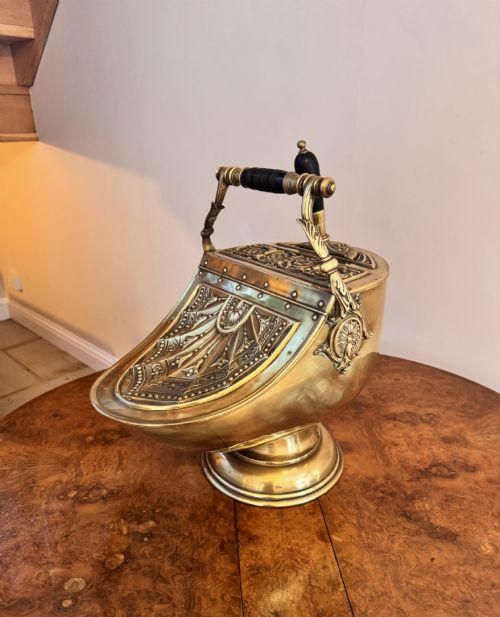
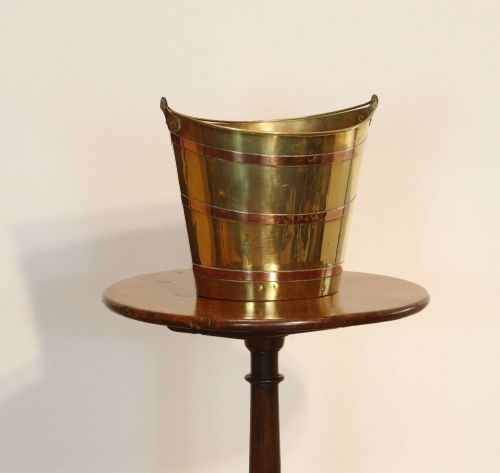
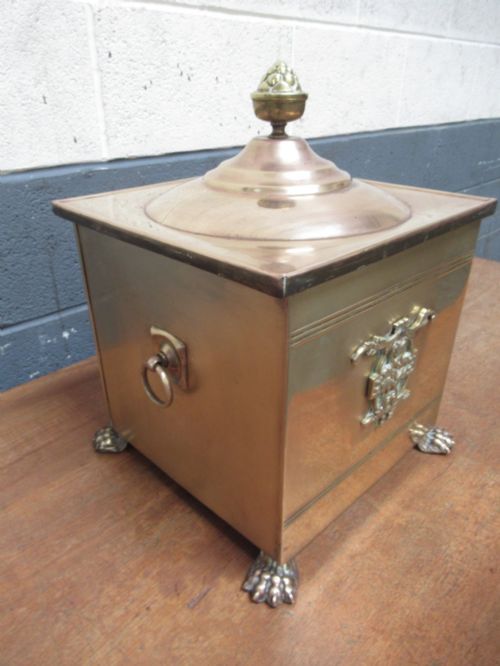
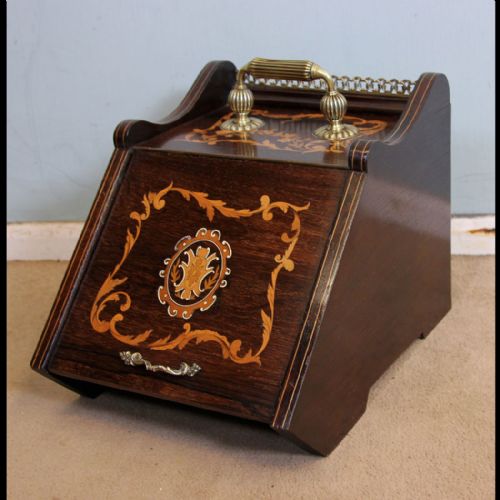
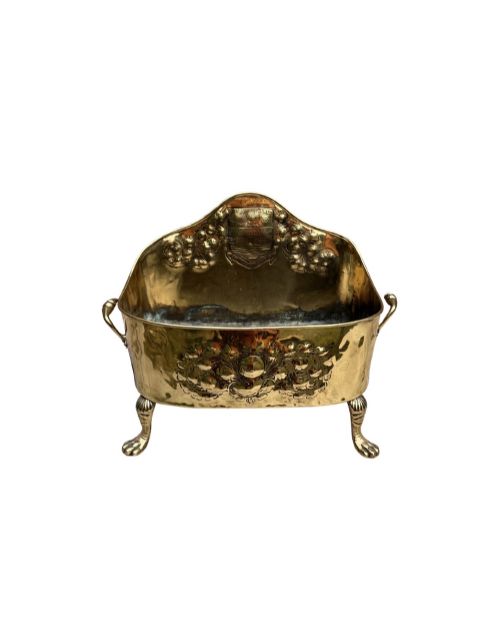
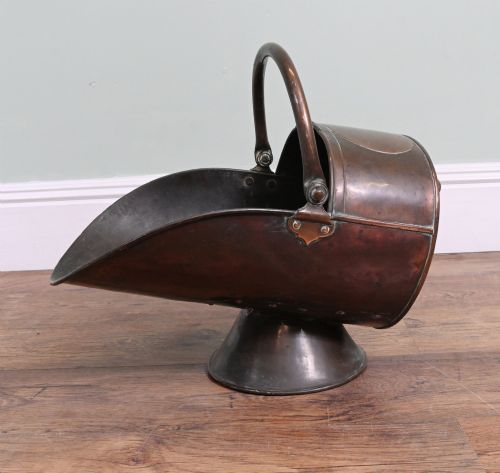
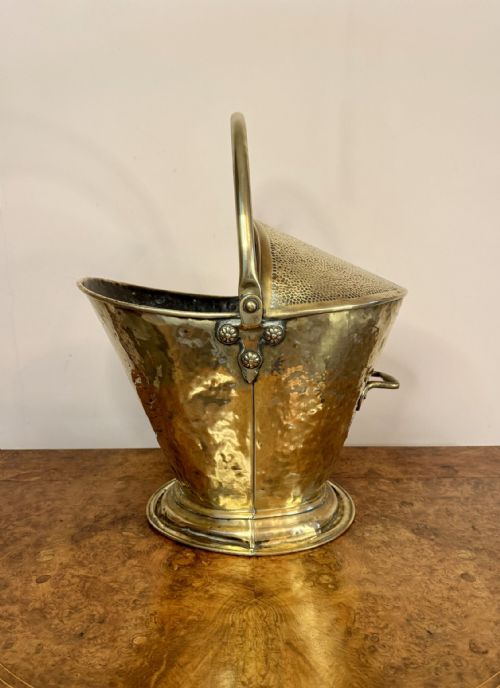
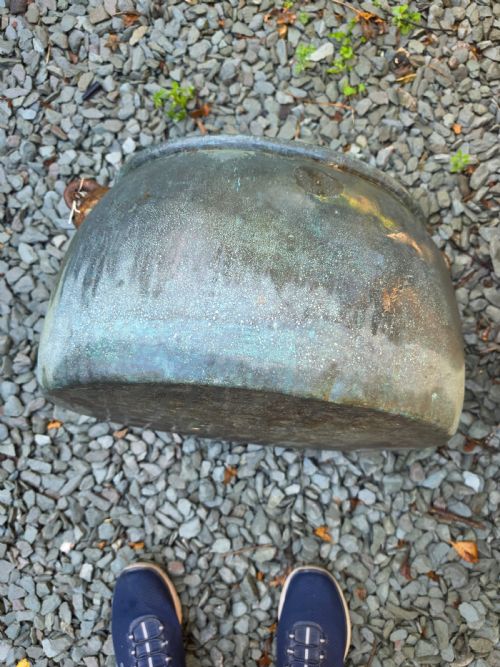
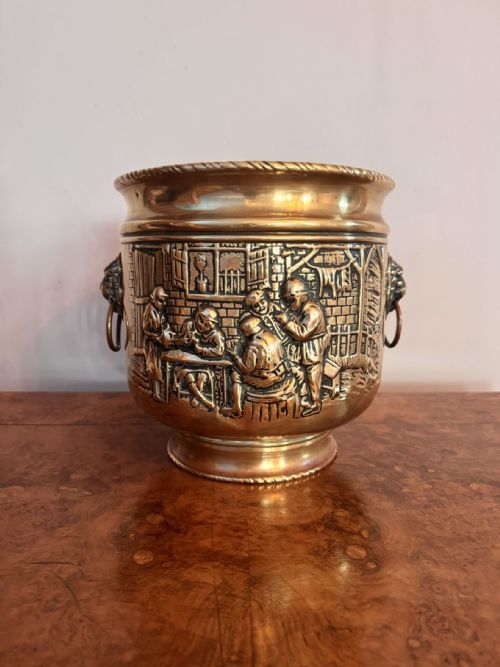
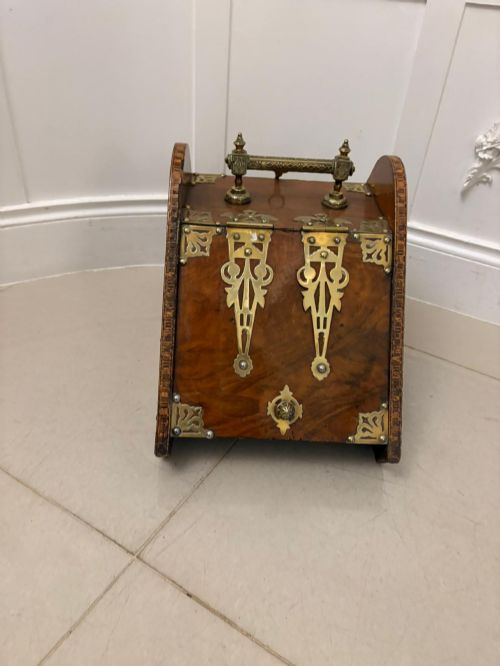
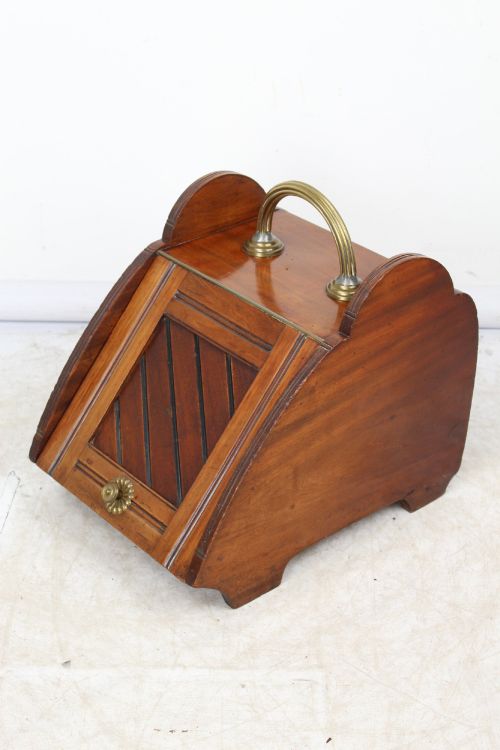
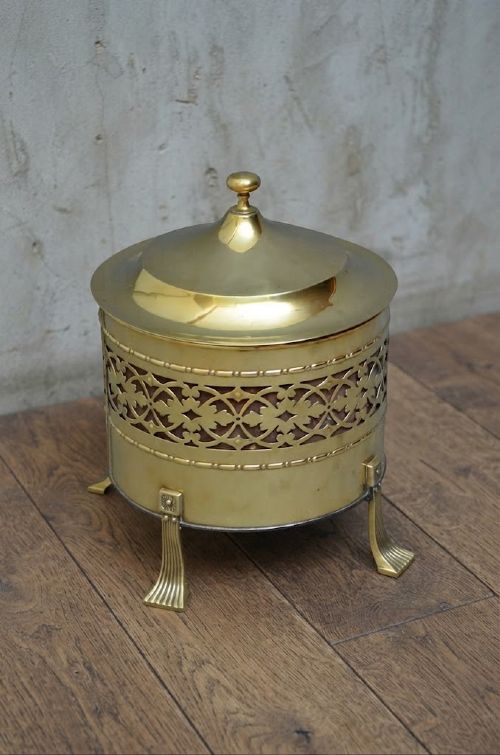
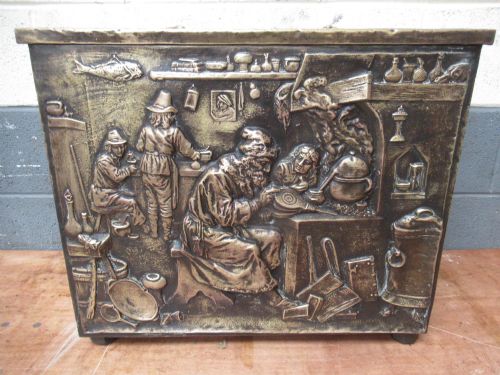
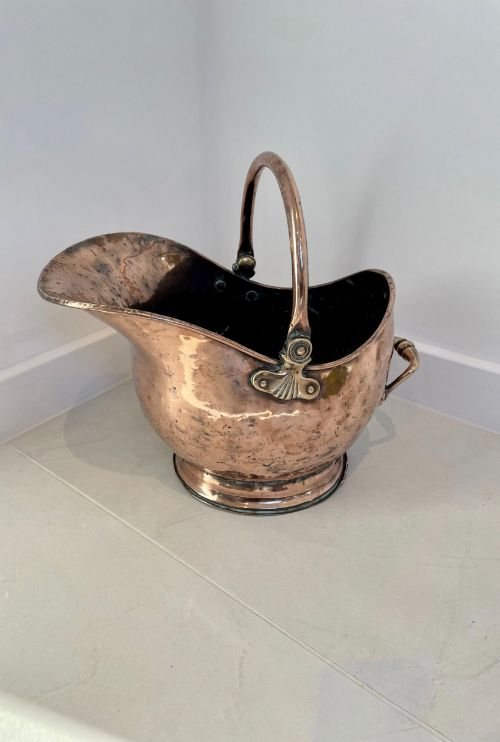
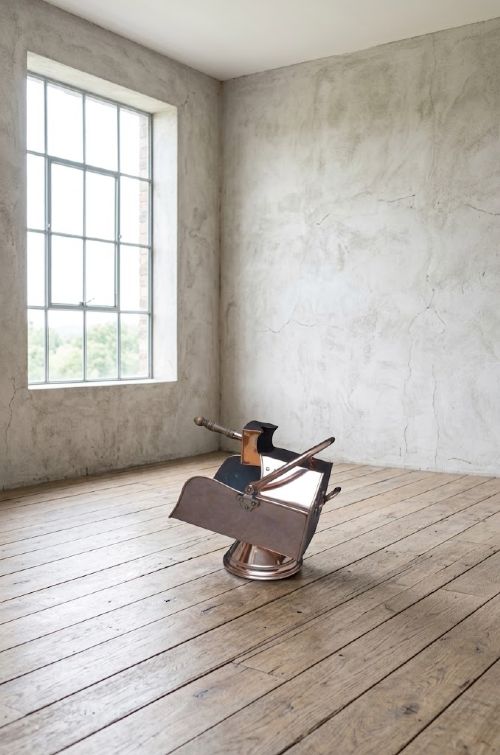
When you search for an antique hearth scuttle, you are looking at functional fireside containers designed to hold coal, logs, or peat beside the fireplace. These pieces appear as coal helmets, buckets, bins, and boxes spanning the Georgian, Victorian, and Edwardian periods.
You are most likely to meet Victorian and Edwardian copper or brass examples on this page, alongside earlier Georgian items in leather or copper. Forms range from simple riveted cylindrical buckets to elaborate Arts and Crafts and Art Nouveau designs.
Regional variations include coopered oak peat buckets from Scotland and studded leather fire buckets bearing coats of arms. Many of these items served dual purposes, doubling as planters or log stores when coal fires went out of fashion.
Materials and Construction
Makers utilised sheet copper and brass, frequently joined with visible rivets or reinforced with brass banding along the rim and base. Iron frames, wrought iron handles, and turned wood grips provided the structural support needed for heavy loads of fuel.
Wooden vessels relied on traditional cooperage techniques with staves and hoops, or cabinetmaking methods using oak and mahogany. Leather fire buckets involved heavy hide construction decorated with studs and painted armorial bearings.
Antique Hearth Scuttle Retail Price Guide 2026
Typical asking prices for hearth scuttle among the pieces listed under this phrase on Sellingantiques today, from the lower quarter to the upper quarter. They describe what is for sale here now, not the wider market.
Some Georgian leather fire buckets proudly display lions and unicorns beneath hand-painted coats of arms, having spent centuries hanging ready in great halls.
Standards of Craftsmanship
Quality rests upon the weight of the metal and the integrity of the construction, such as hand-hammered detailing and secure riveting rather than thin machine-pressed sheet metal. Heavier gauge copper and substantial brass mountings indicate superior workshop production.
Design ambition separates standard coal containers from exceptional pieces, particularly where firms applied Art Nouveau or Arts and Crafts ornamentation with specific repoussé work. Original matching shovels and fitted interiors elevate the standing of a piece.
Henry Loveridge·Benham and Froud·Petrus Ramus
The Antique Hearth Scuttle Glossary
- Coal helmet
- A shaped metal coal scuttle featuring a flared, cowl-like opening reminiscent of a traditional helmet. This form made pouring fuel onto the fire clean and direct.
- Purdonium
- A dedicated wooden coal box, usually made of oak or mahogany, containing a metal liner and a hinged drop-front. They frequently housed a matching coal shovel inside.
- Coopered
- Built using wooden staves bound together with metal or wooden hoops, following the traditional method of barrel and bucket making.
- Repoussé
- A metalworking technique where the artisan hammers the design from the reverse side to create a raised relief pattern on the surface.
- Log bin
- A deep cylindrical or square container designed to store firewood beside the hearth rather than smaller pieces of coal.
Antique Hearth Scuttle: Frequently Asked Questions
How do I clean a copper coal scuttle?
Traditional copper items benefit from gentle washing with warm soapy water and a soft cloth to remove soot and dust.
Ain a natural patina rather than a bright polish preserves the historic character of older fireside metalwork.
Can I use an antique coal scuttle today?
Most metal and wooden coal containers remain entirely sturdy enough to hold logs, kindling, or magazines beside a working fireplace.
Metal liners inside wooden boxes prevent damp fuel from damaging the historic timber structure.
How do I date an antique coal bucket?
Dating relies on material combinations, manufacturing techniques like hand-riveting, and stylistic markers such as Arts and Crafts or Georgian proportions.
Earlier pieces from the eighteenth century tend to use heavier gauge copper with distinctive hand-finished seams.