


Maritime Storage Box
These maritime storage boxes are practical trunks and chests built to travel, offering robust storage with centuries of seafaring history.

What a maritime storage box is
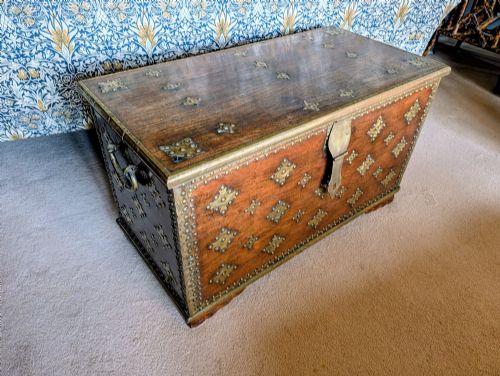
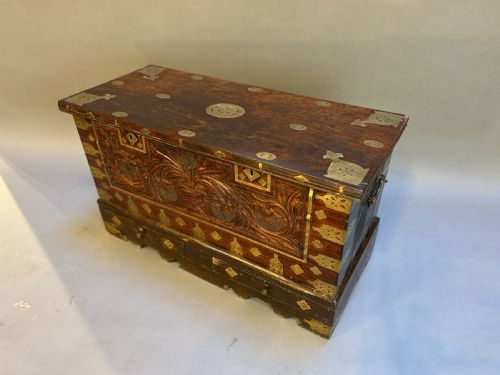
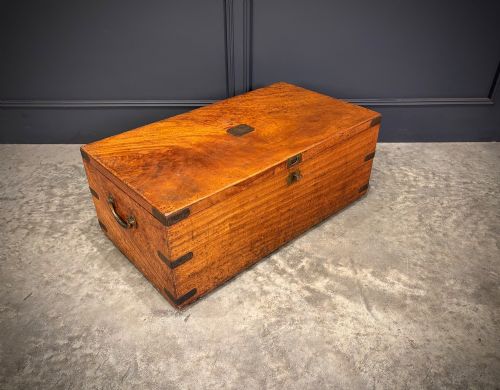
A maritime storage box encompasses heavy-duty trunks and chests designed for life on the move, ranging from military campaign pieces to shipwrights' tool chests. When searching for a maritime storage box, buyers encounter items built to withstand the rigours of sea travel and expedition life.
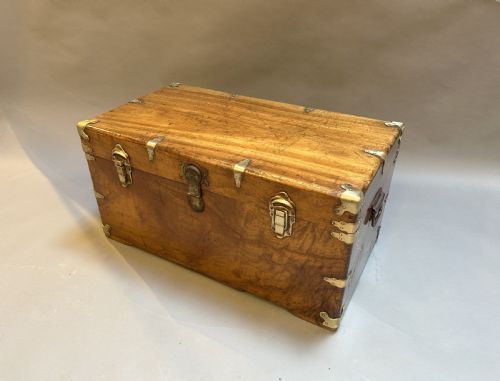
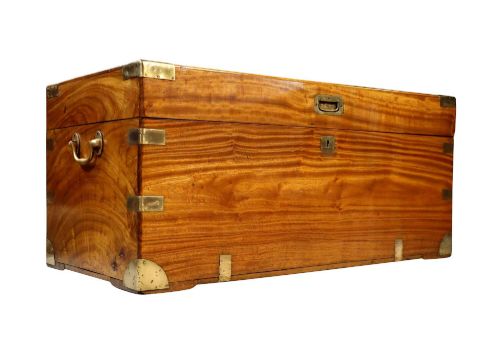
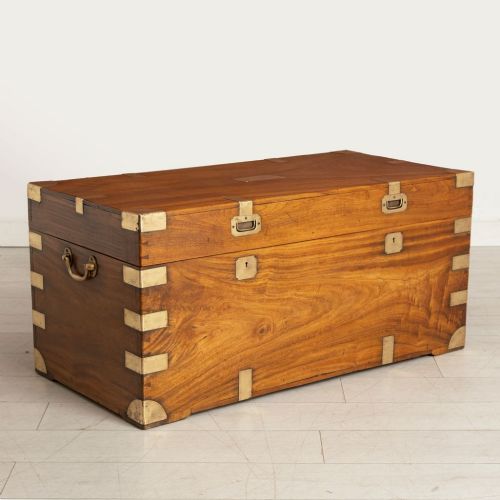
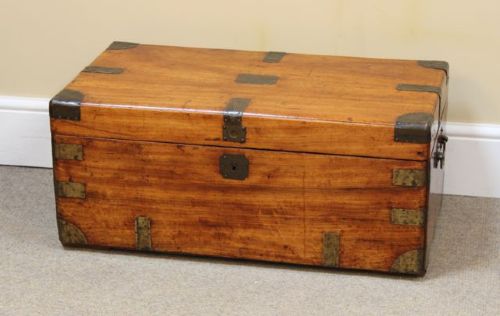
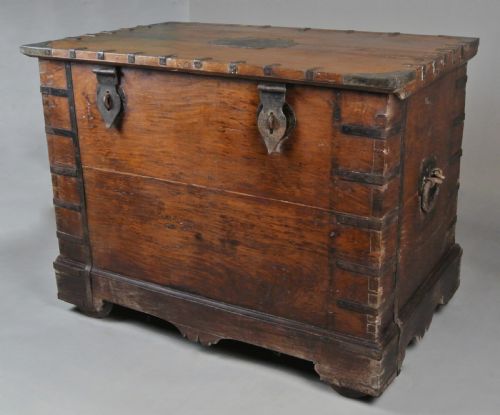
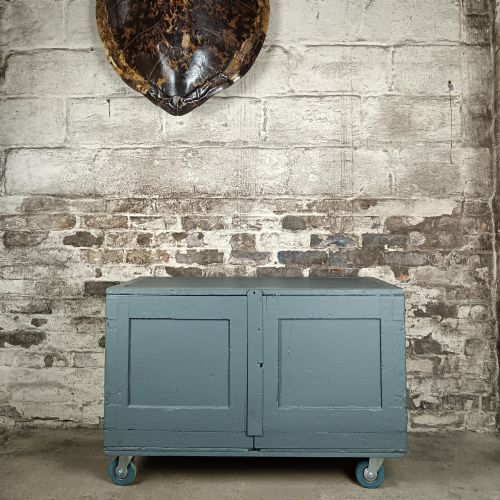
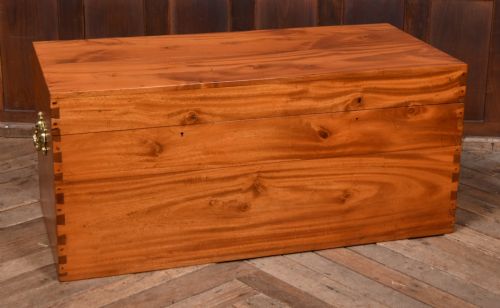
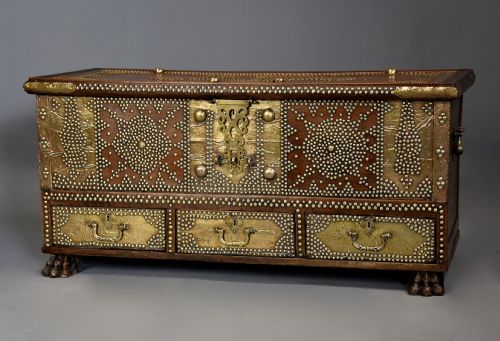
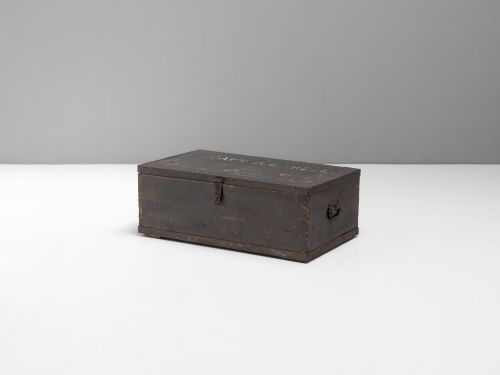
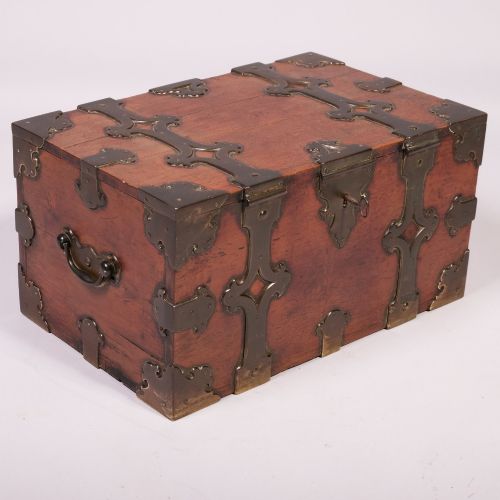
The selections on this page feature pieces primarily from the nineteenth century and the Victorian era, alongside a twentieth-century captain's trunk. Forms include storage trunks, fireside bins, and painted pine seaman's chests carrying distinct maritime folk art character.
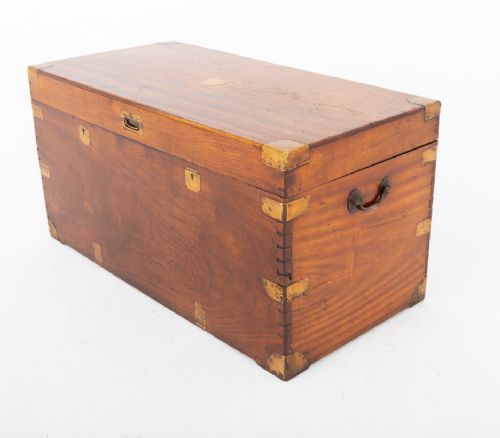
Camphor wood, pine, walnut, and ebonised finishes define the primary construction materials of these items. Buyers frequently find dual-purpose pieces such as trunks that double as seats, alongside specialised tool chests bearing the marks of active trades.
How they were made
Construction relies heavily on durable timbers like camphor wood, pine, and walnut, chosen for their resilience against sea air and heavy handling. These woods are joined into sturdy trunks and coffers designed to protect contents from moisture and impact during transport.
Metal reinforcement is integral, utilising brass fittings and iron hardware to secure corners and lids against the strains of travel. Rope handles often feature on seaman's chests to allow secure gripping by crew members.
Retail Price Guide 2026
Typical UK retail prices for maritime storage box, calculated from the Sellingantiques database of over a million retail prices indexed since 2003. This retail price guide relies exclusively on Sellingantiques data; no external sources or auction records are used, so the figures do not describe the wider market.
An eighteenth-century seaman might carve a jaunty emblem onto his pine chest lid just to remind the Atlantic he had a sense of humour.
What varies in quality
Quality separates mass-produced utility boxes from pieces retaining original paint, specialised hardware, and authentic trade provenance. The presence of hand-painted details, such as the Emblem of Liberty, elevates a seaman's chest beyond simple utilitarian storage.
The integrity of original brass and iron mounts, alongside the preservation of aromatic camphor wood interiors, dictates the standing of each piece. Finer examples display meticulous dovetail joinery and sound structural timber without extensive later replacement.
The Maritime Storage Box Glossary
- Camphor wood
- An aromatic timber traditionally utilised for maritime storage because its natural scent deters insects. It remains stable in fluctuating climates.
- Campaign furniture
- Portable furnishings designed for military officers and travellers, featuring recessed brass handles and knock-down capabilities for easy transport.
- Seaman's chest
- A personal trunk used by sailors aboard ship to store clothing and possessions. These often feature rope beckets for lifting.
- Ebonised
- Wood finished with a dark stain or polish to imitate the appearance of ebony. This treatment was popular in Victorian joinery for formal effect.
Frequently Asked Questions
What is a maritime storage box?
A maritime storage box is a sturdy trunk or chest originally built for use at sea or during military campaigns.
These pieces use durable timbers like camphor wood and pine, reinforced with brass and iron to protect belongings during travel.
How were seaman's chests used?
Seaman's chests served as personal lockers for sailors living aboard ship for months at a time.
They held clothing, navigational tools, and personal effects, often doubling as seating in cramped quarters.
Why use camphor wood for trunks?
Camphor wood was chosen for maritime boxes because its natural oils repel moths and insects.
The timber also resists moisture damage, keeping contents safe in humid sea air.
How to date a Victorian trunk?
Dating a Victorian trunk involves examining the timber, construction methods, and hardware styles.
Nineteenth-century pieces often display hand-cut dovetails, brass campaign mounts, and specific period finishes like ebonised wood.