


Vintage Travel Coffer
A vintage travel coffer is a portable storage chest built for journeys, offering robust construction and enduring character for modern interiors.
Vintage Travel Coffer
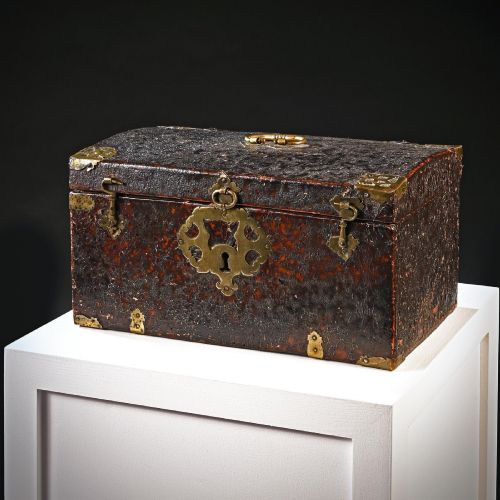
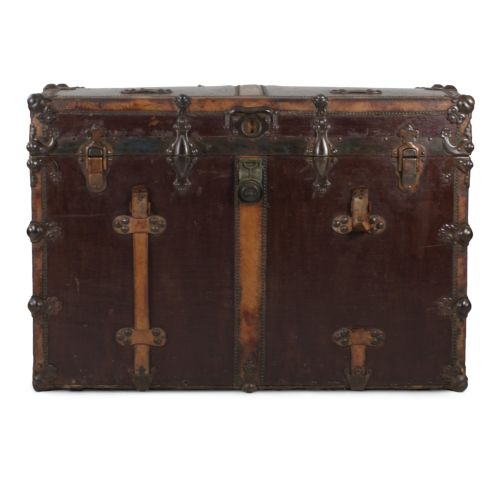
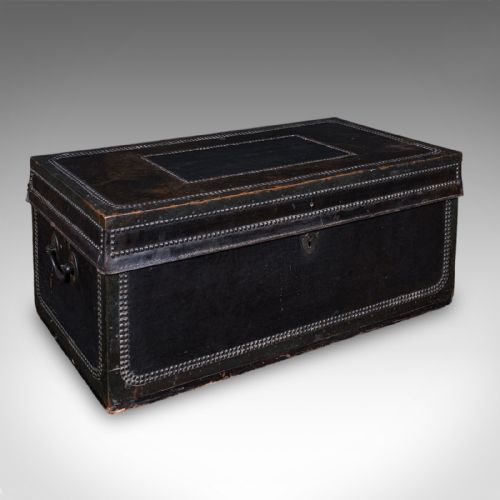
A vintage travel coffer is a practical storage trunk designed to withstand the rigours of transit during the nineteenth and early twentieth centuries. These pieces encompass campaign chests, steamer trunks, and leather-bound travelling cases originating from Victorian and Edwardian periods.
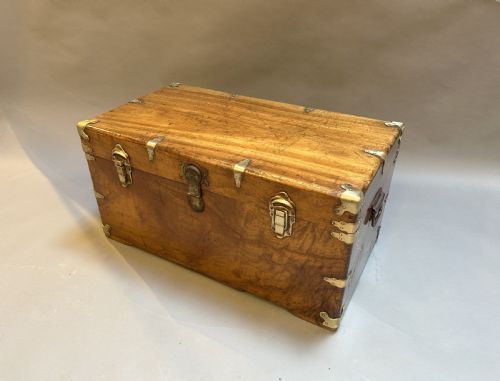
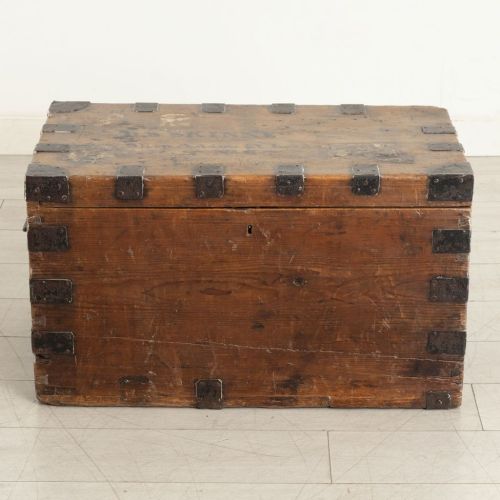
Buyers browsing this selection encounter various timber and metal builds, from camphor wood and pine to brass-bound mahogany. Many examples retain functional interior compartments or historical travel labels that evidence their past journeys.
Materials and Construction
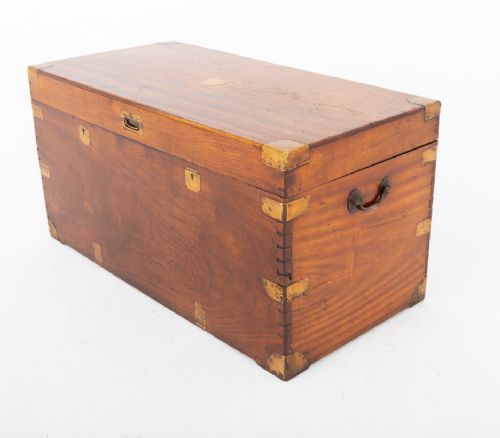
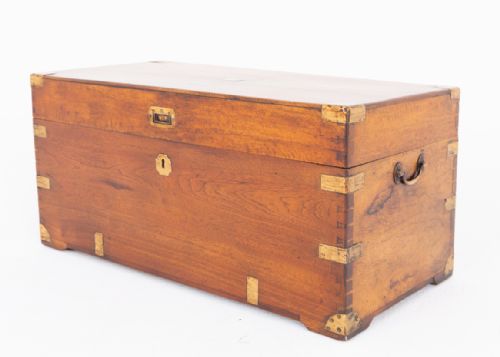
Makers utilised durable domestic and exotic timbers such as pine, teak, oak, and camphor wood to construct the core carcases of these travel coffers. Camphor wood was particularly favoured for campaign trunks due to its natural insect-repellent properties.
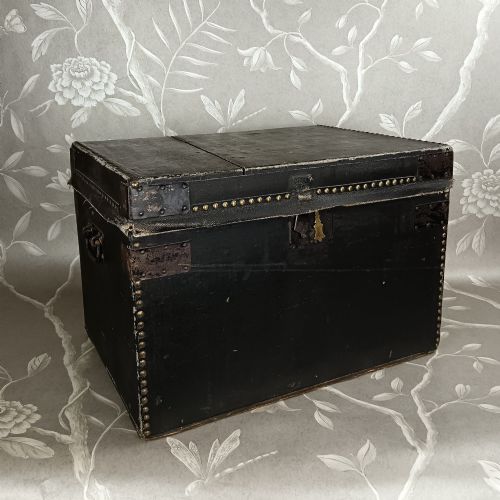
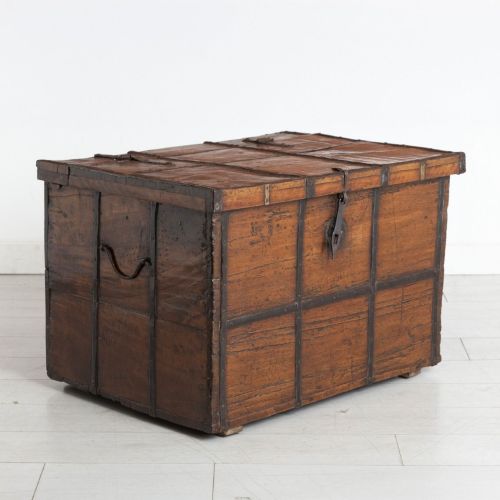
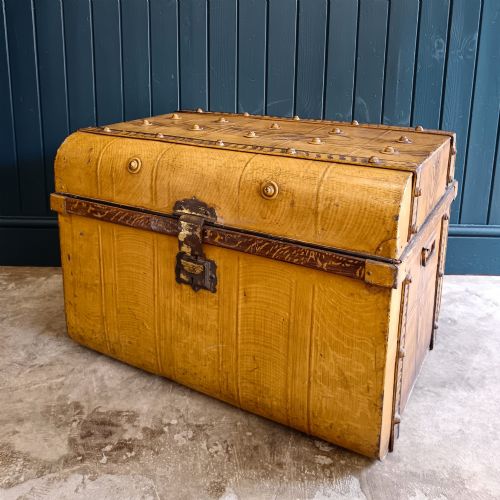
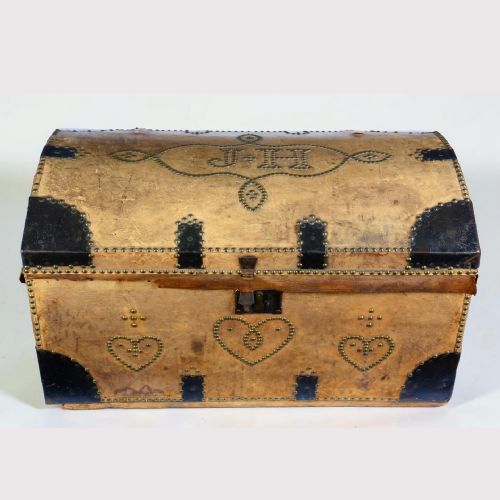
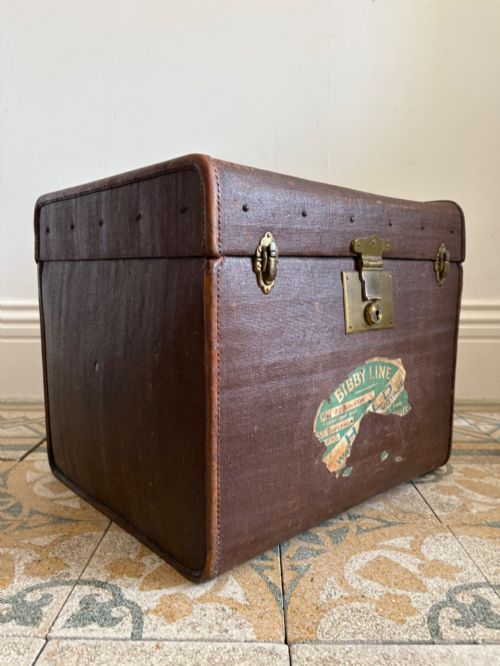
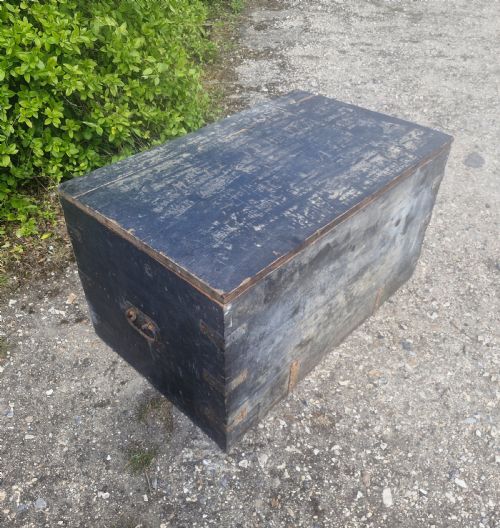
Protection and structural rigidity were achieved by reinforcing edges and corners with brass, iron, or steel bands, secured by studwork and heavy-duty leather handles. Canvassing and painted finishes were frequently applied externally to guard against moisture during transit.
Many travel coffers retain faded shipping labels and transit stickers from long-forgotten railway journeys and grand steamship lines.
Distinguishing Quality in Travel Coffers
Quality rests upon the integrity of the original construction, the sophistication of internal fittings, and the survival of maker details or institutional stamps. Finer examples display precise dovetail joinery, robust metal binding, and high-grade locking mechanisms.
The preservation of original surface finishes - whether polished leather, painted pine, or aged brass - significantly influences the standing of a piece. Retained interior trays, compartmentalisation, and documented provenance elevate certain trunks above standard utility items.
Samuel Pratt·Wm. Insall of Bristol·Arthur Wannop
The Vintage Travel Coffer Glossary
- Campaign trunk
- A portable chest constructed in sections or fitted for military officers on active service. These pieces typically feature recessed brass handles and reinforced corners for frequent transport.
- Steamer trunk
- A lower-profile luggage chest designed to fit beneath the berth on a steamship. They gained popularity in the late nineteenth and early twentieth centuries.
- Camphor wood
- An aromatic timber native to Asia utilised for military and China trade trunks. Its distinct scent protects stored garments from moths and dampness.
- Brass bound
- A construction method where edges, corners, and seams are protected with strips of brass. This technique provides structural reinforcement and adds decorative contrast to the timber carcase.
- Portmanteau
- A large travelling case or suitcase that opens into two equal compartments. These leather cases were standard luggage for Edwardian journeys.
Vintage Travel Coffer: Frequently Asked Questions
How do I use a travel coffer at home?
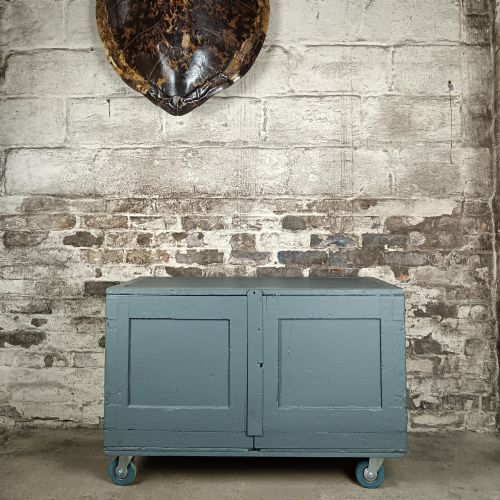
These chests function effectively as coffee tables, blanket boxes, or bedroom storage units. Their substantial internal capacity accommodates bulky items while maintaining floor presence.
Positioning a coffer in a hallway or living room provides accessible storage that conceals everyday clutter whilst introducing period texture to the interior scheme.
Were all travel coffers used by the military?
Military campaign pieces formed a distinct category designed for officers relocating across the empire, often incorporating specialised internal compartments for stationery or uniforms. Other trunks served civilian travellers on coaching routes, railways, or ocean liners.
Civilian luggage pieces prioritised different dimensions and external materials such as canvas or painted metal compared to standard teak and brass military outfits.
How do I date a vintage travel coffer?
Dating relies upon examining construction methods, hardware styles, and materials used within the carcase. The presence of specific lock types, railway or steamship labels, and manufacturing stamps helps narrow the period.
Victorian and Edwardian examples often display distinct design shifts, moving from heavy iron-bound pine towards lighter canvas-covered steamer trunks by the early twentieth century.
Why are some trunks lined with camphor wood?
Camphor wood was selected for travel chests destined for tropical climates because the natural resin repels insects and resists humidity. This kept uniforms and personal papers secure during long sea voyages.
The distinct fragrance often lingers in these pieces decades later, serving as an indicator of the timber's origin.