





Antique Hearth Decor
Antique hearth decor brings together functional metalwork and decorative accessories from Georgian, Victorian and Edwardian periods to anchor a room.
Antique Hearth Decor
Antique hearth decor covers a wide array of practical and ornamental objects designed for the fireplace, ranging from coal scuttles and fenders to fire dogs and screens. When you search for antique hearth decor, you encounter metal accessories forged to manage coal, wood, and ash while adding character to a room.
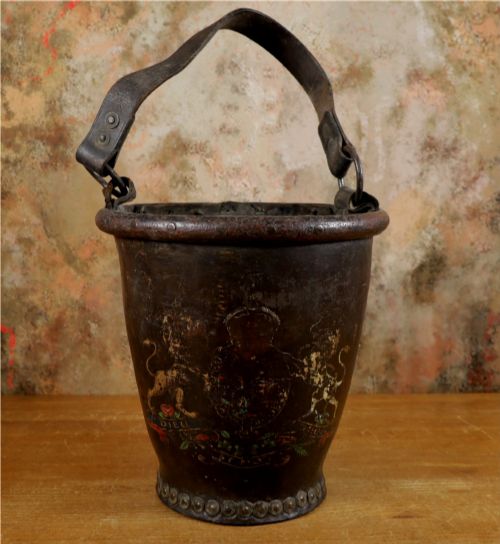
Brass, copper and iron dominate the selections, appearing in forms such as warming pans, kettles, bellows and fire buckets. Pieces date from the Georgian era through the Victorian period and into the early twentieth century, showing English and French influences.
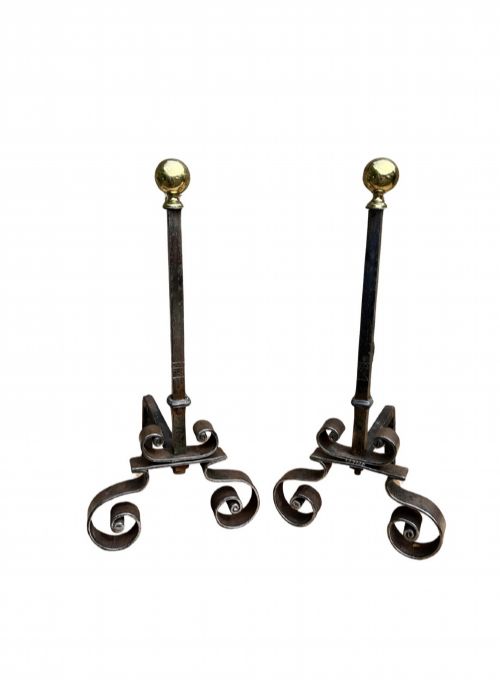
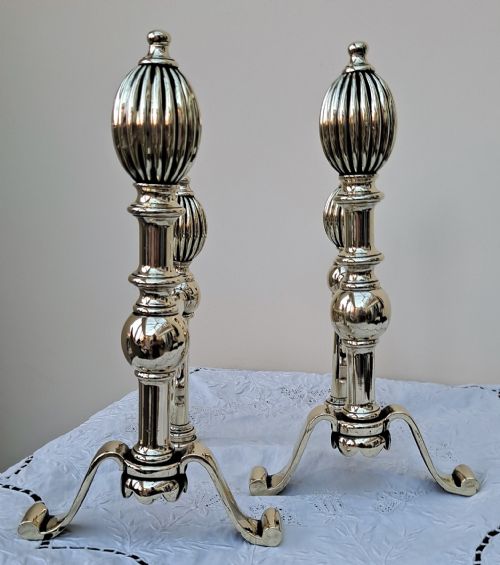
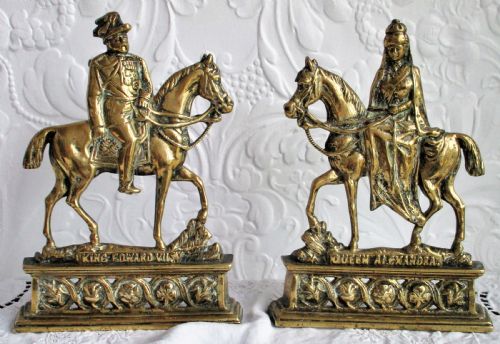
The items you meet most frequently on this page include brass fire dogs, copper coal helmets, and fireside ornaments in Victorian and Edwardian styles. These objects reflect domestic routines of past centuries, repurposed today as decorative focal points for living spaces.
Materials and construction methods
Metalworking techniques define these pieces, utilising cast brass, beaten copper and wrought iron to build durable hearth items. Makers shaped copper into coal buckets and kettles through hand-beating and riveting, while brass was cast into heavy fire dogs and chenets.
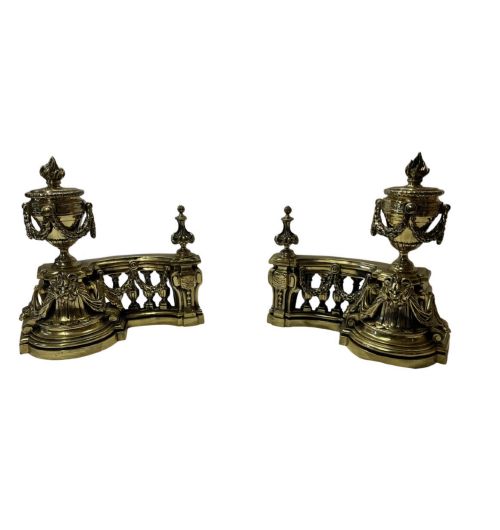
Finishes such as ormolu, gilt bronze and patinated bronze elevate decorative French chenets and fireplace ornaments. Wood, ebony and leather appear in composite items like fireside bins, bellows and studded baskets, combining utilitarian needs with ornamental detail.
Antique Hearth Decor Retail Price Guide 2026
Typical asking prices for hearth decor among the pieces listed under this phrase on Sellingantiques today, from the lower quarter to the upper quarter. They describe what is for sale here now, not the wider market.
Listings feature items spanning the 18th, 19th, and early 20th centuries, created in brass, copper, iron, bronze, and wood.
Factors that distinguish quality
The weight of the metal and the crispness of the casting separate standard items from finer examples. Heavy gauge copper in coal helmets and substantial bronze or brass in chenets indicate superior durability and substance.
Detailing in ornamentation dictates distinction, such as finely chased motifs on ormolu fire dogs or intricate studwork on leather fire buckets. Maker attribution, visible in brass coal scuttles bearing stamps, also separates mass production from notable workshops.
E F Caldwell New York·Benham & Froud·Henry Loveridge
The Antique Hearth Decor Glossary
- Chenet
- An alternative term for a fire dog, used to support logs in an open fireplace. These ornamental metal supports often feature French Rococo or Neoclassical styling.
- Coal scuttle
- A container designed to hold coal for the fire. Examples range from copper helmet buckets to lidded brass boxes.
- Fire screen
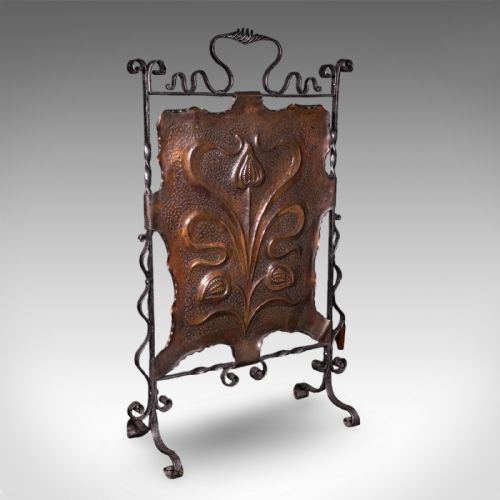
- A decorative barrier placed in front of the fireplace when not in use. Copper and embossed brass versions often double as reflectors.
- Fender
- A low metal guard placed around the hearth to contain ash and embers. They appear in brass and iron configurations.
- Warming pan
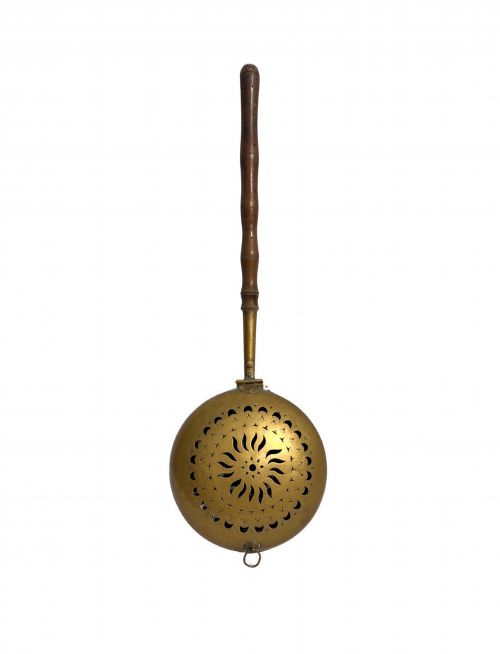
- A long-handled metal pan filled with hot coals to warm bed sheets. Brass and copper examples frequently double as wall hangings.
Antique Hearth Decor: Frequently Asked Questions
How do I clean antique brass hearth items?
Antique brass relies on gentle dusting and occasional cleaning with a non-abrasive cloth to preserve its historic surface.
Aggressive polishing removes the aged patina that collectors value, so preservation of the original metal finish is preferred.
What is the difference between a coal scuttle and a coal helmet?
A coal scuttle is a general term for a bucket or box that stores fuel near the hearth. A coal helmet specifically describes a scuttle shaped with a flared rim resembling a traditional helmet.
Both forms were manufactured extensively in copper and brass during the Victorian period.
How do I date a brass warming pan?
Eighteenth and nineteenth-century warming pans are dated by the shape of the handle, the method of fastening the lid, and the engraved motifs on the brass cover.
Georgian examples typically feature hand-beaten copper bowls paired with turned iron or wooden handles.