

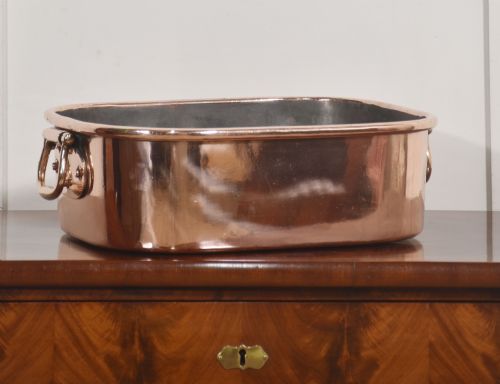


Vintage Copper Pan
A vintage copper pan brings warmth and working history to a kitchen, whether you choose a heavy preserving vessel or a Georgian saucepan.
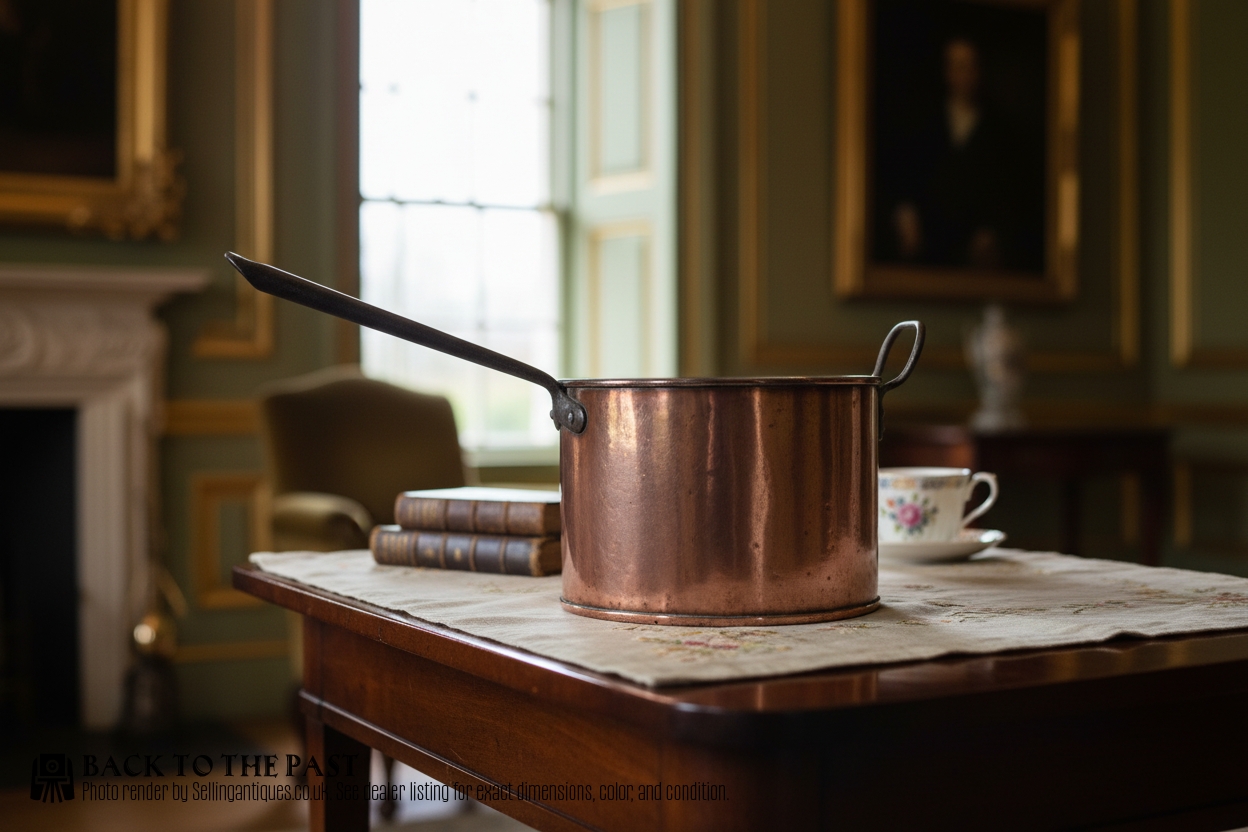
Vintage Copper Pan
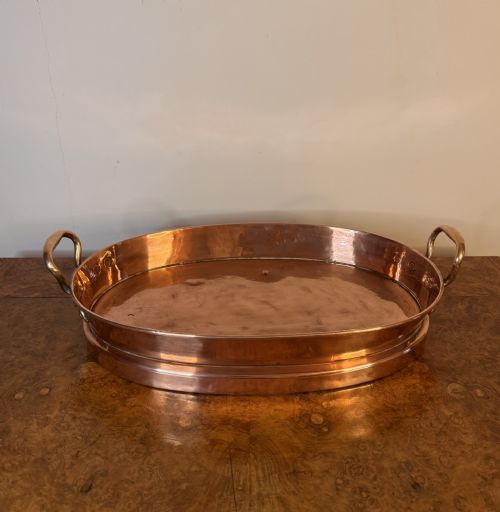
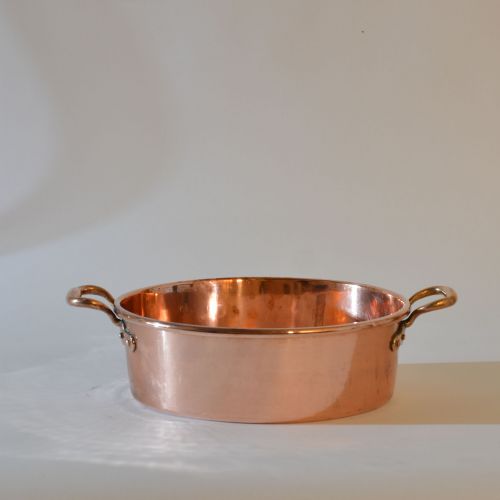
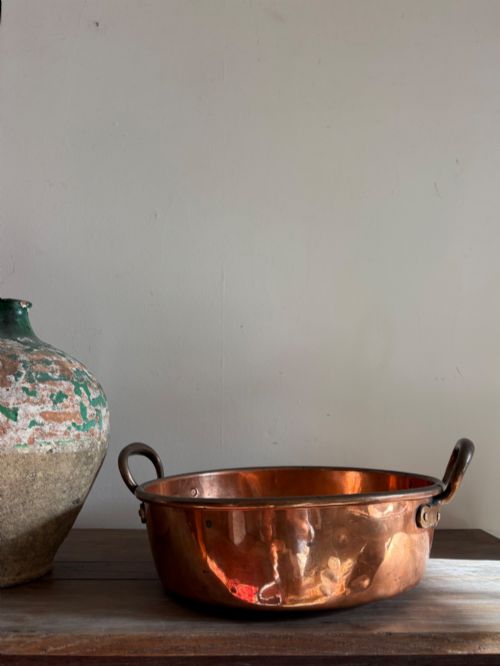
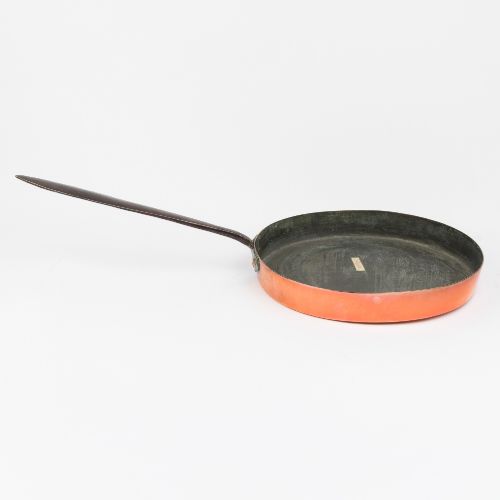
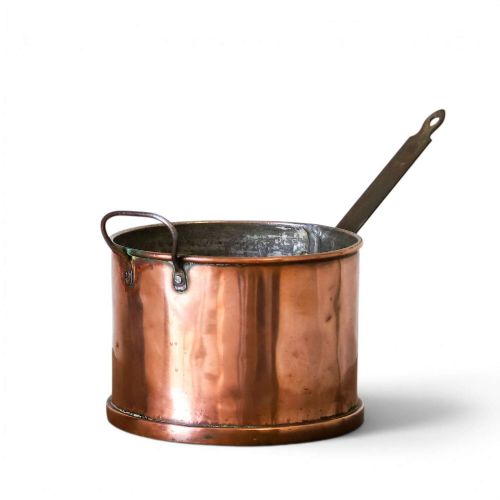
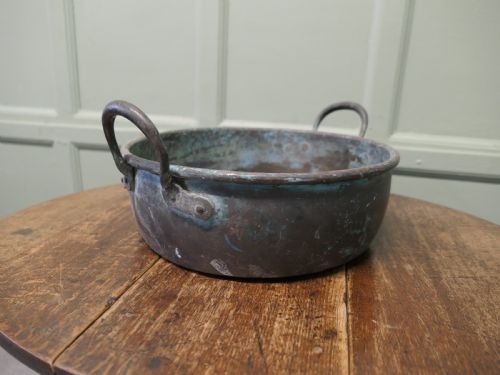
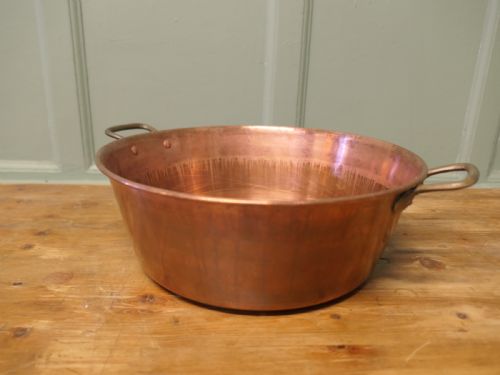
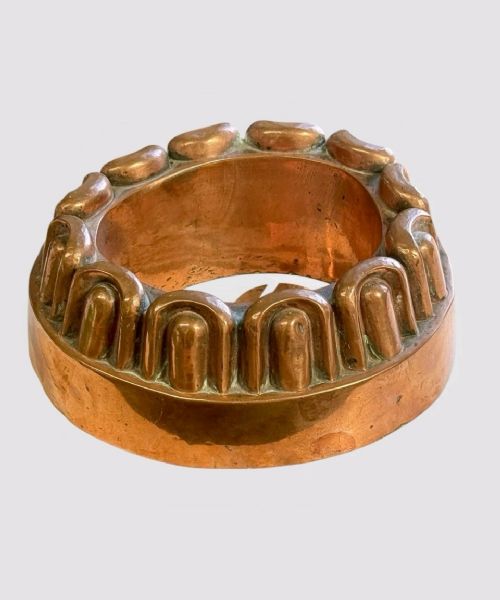
When you search for vintage copper pan, you encounter utilitarian kitchenware and cookware spanning the Georgian, Victorian, and Edwardian periods. These domestic and culinary items include saucepans, preserving pans, jam pans, fish kettles, and jelly moulds alongside warming pans, cauldrons, and balance scales.
The pieces on this page originate from English and French workshops, encompassing styles such as Victorian Country, Rustic Farmhouse, and French Country. You meet individual saucepans as well as matching sets of graduated pans intended for the hearth or stove.
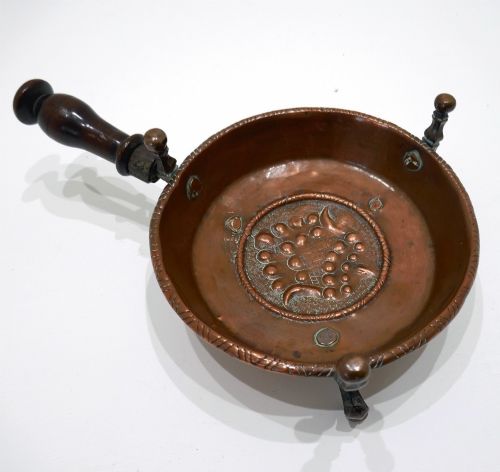
Utility defines the selection, ranging from small brandy warmers and milk pans to exceptionally large heavy-gauge preserving vessels. Many incorporate contrasting handles and mounts in brass, iron, wrought iron, wood, and oak.
What varies in quality
Weight and gauge thickness separate standard utility kitchenware from high-quality surviving examples. Heavy-gauge metal maintains structural integrity under sustained heat and rigorous daily kitchen use.
Construction details distinguish the output of specialised makers from anonymous production. Dovetailed seams, hand-beaten surfaces, robust riveting, and original iron or brass mounts indicate superior workmanship across Georgian and Victorian pieces.
Vintage Copper Pan Retail Price Guide 2026
Typical asking prices for vintage copper pan among the pieces listed under this phrase on Sellingantiques today, from the lower quarter to the upper quarter. They describe what is for sale here now, not the wider market.
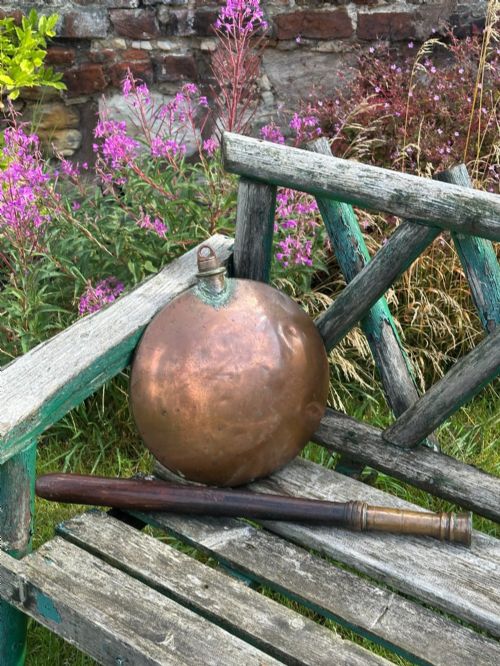
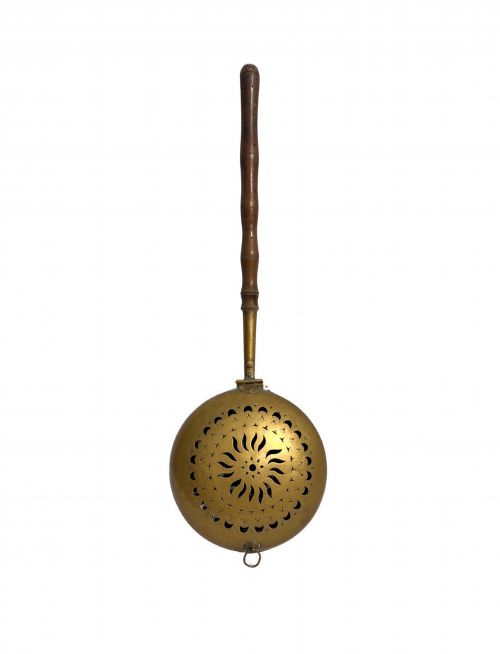
Some warming flasks were shaped like moons to tuck comfortably beneath bedclothes on freezing Georgian winter nights.
Hodges and Sons·Nader
The Vintage Copper Pan Glossary
- Tin lined
- Coated on the interior surface with a thin layer of tin to provide a safe barrier between acidic foods and the copper body. This traditional lining requires periodic renewal on working cookware.
- Preserving pan
- A wide, open vessel designed for boiling fruit and sugar to make jams and preserves. The broad surface area allows rapid evaporation during heavy boiling.
- Fish kettle
- An elongated, oblong cooking vessel equipped with a removable internal draining rack for poaching whole fish. These pieces often feature secured handles at either end.
- Brandy warmer
- A small pouring vessel with a long handle used for heating spirits. Georgian examples frequently combine copper bodies with turned wooden grips.
- Gauge
- The thickness of the metal sheet used to form the pan. Heavy gauge indicates substantial metal weight suited to professional or prolonged culinary use.
- Cauldron
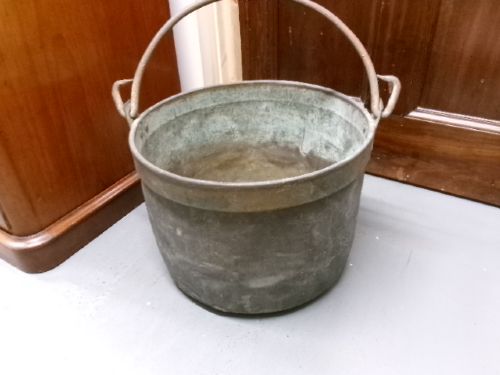
- A deep, round vessel with a swing handle designed for suspension over an open hearth. These heavy pieces combine copper or brass bodies with wrought iron handles.
Vintage Copper Pan: Frequently Asked Questions
How do I clean a vintage copper pan?
Maintenance involves applying a proprietary copper cleaner or a paste of salt and acid to lift oxidation and restore the metal glow. Avoid abrasive scouring pads that thin the historical surface.
Preserve the interior tin lining by washing gently with warm soapy water rather than harsh chemical agents. Regular care keeps the metal bright without removing the character accumulated over decades of use.
Can I cook with a vintage copper pan?
Many surviving pans remain entirely suitable for modern culinary use provided the interior tin lining is intact and healthy. Preserving pans and saucepans made from heavy-gauge metal distribute heat evenly across gas and electric stovetops.
Inspect the interior coating before cooking to ensure the underlying copper remains fully covered by the protective tin layer. Pieces with worn linings require re-tinned surfaces prior to food preparation.
How do I date a copper pan?
Dating relies on construction methods, handle materials, and maker marks where present. Georgian and early 19th-century pieces often feature hand-beaten surfaces, dovetailed base seams, and wrought iron or oak attachments.
Later Victorian and Edwardian examples transition toward more standardised machine rolling and refined brass fittings. Matching sets of graduated pans frequently point toward mid-to-late 19th-century French and English domestic production.
Why are some copper pans lined with tin?
Tin lining prevents copper from reacting chemically with acidic ingredients during cooking. Unlined copper can leach metallic tastes or harmful compounds into foods like fruit preserves, jams, and sauces.
Traditional kitchenware required a stable barrier between the reactive copper body and the ingredients. The tin layer provided a safe, non-reactive cooking surface inside the heavy metal vessel.