


Georgian Copper Pot
A georgian copper pot brings heavy metal and warmth to a room, valued for its rich tone and domestic history.
What They Are
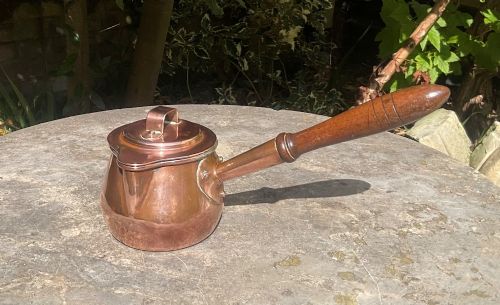
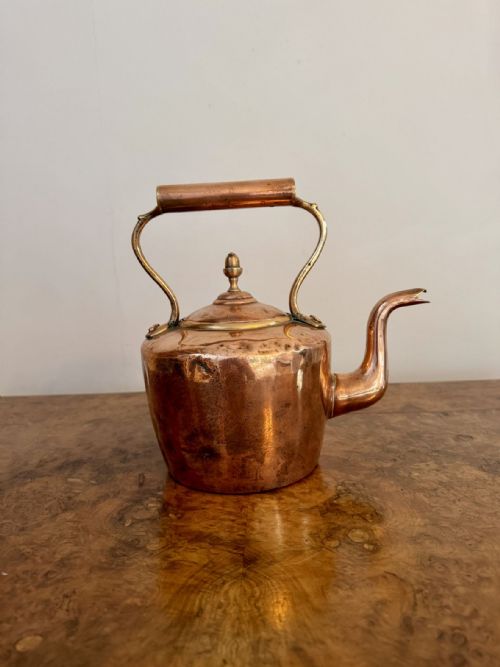
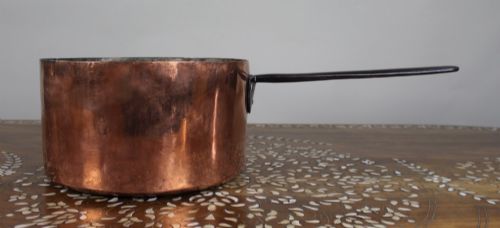
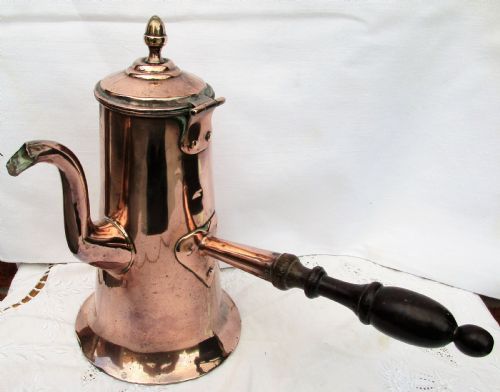
A georgian copper pot encompasses heavy cookware, tall coffee vessels, and deep hearth cauldrons from the Georgian era and nineteenth century. These kitchen and fireside objects span large stockpots, saucepans, and roasting pans fashioned for practical service.
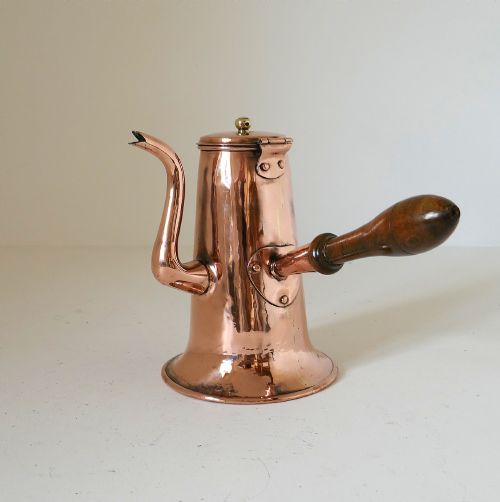
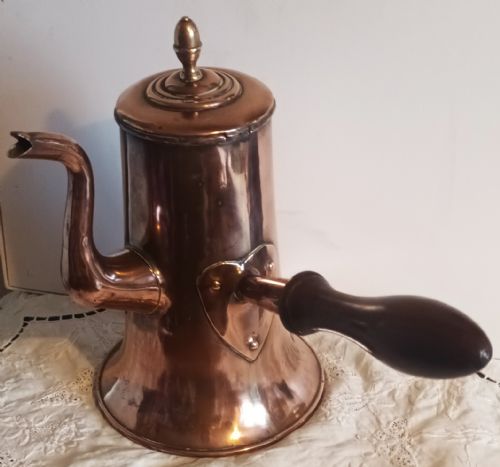
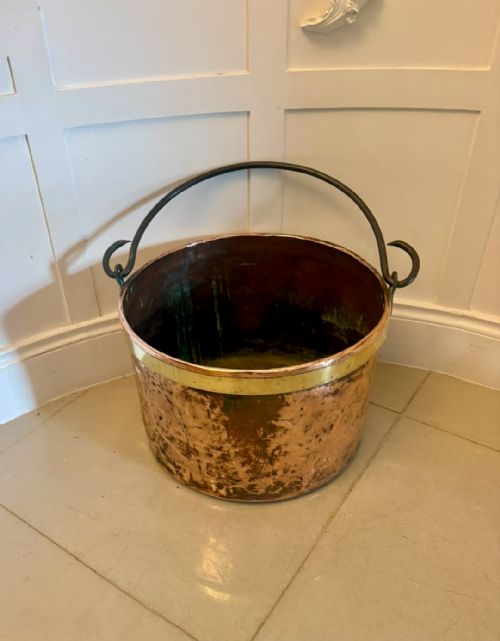
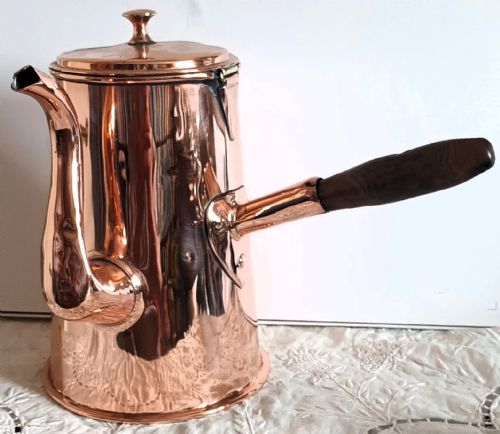
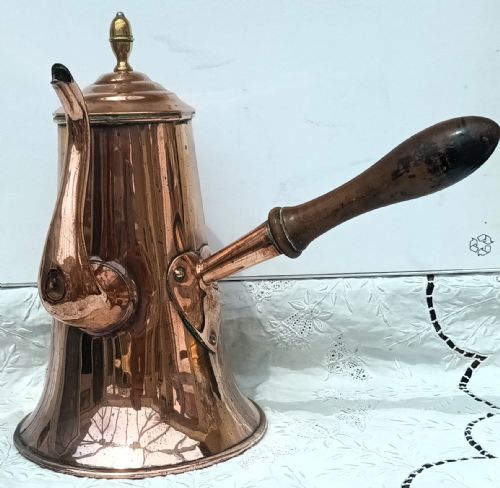
Tall coffee pots and chocolate pots dominate the surviving items, shaped with slender spouts and turned handles. Larger cooking pots and cauldrons appear frequently, offering deep vessels intended for hearth use.
English origins prevail across the pieces, pairing metal bodies with iron, brass, or wooden fittings. The forms range from mansion size stockpots to domestic saucepans, reflecting the scale of period kitchens.

How They Were Made
Metalsmiths constructed these vessels using hand beaten copper sheets joined through brazed and dovetailed seams. Iron, brass, and wrought iron provided durable handles, mounts, and fittings to withstand intense hearth heat.
Lids matched the bodies closely, often secured with small knobs or seating tightly within raised rims. Interiors frequently retained tin linings to prevent copper interaction with food during cooking.
Retail Price Guide 2026
Typical UK retail prices for georgian copper pot, calculated from the Sellingantiques database of over a million retail prices indexed since 2003. This retail price guide relies exclusively on Sellingantiques data; no external sources or auction records are used, so the figures do not describe the wider market.
Some chocolate pots retain a small lid aperture specifically designed to let a wooden stirring stick froth the hot drink.
What Varies in Quality
Thickness of the metal plate defines the substantial character of a vessel, distinguishing heavy utilitarian stockpots from lighter domestic items. Surface texture reveals the hand work of the smith through varied hammer marks and joint construction.
Survival of original fittings, including wooden handles and brass attachments, shapes the integrity of each piece. Form and proportion separate standard utility items from refined chocolate and coffee pots with elegant silhouettes.
William Soutter & Sons
The Georgian Copper Pot Glossary
- Brazed construction
- A method of joining metal pieces using a melted filler alloy at high temperatures. This technique ensured strong, watertight seams in heavy cooking vessels.
- Dovetailed seamed
- Interlocking metal edges locked together mechanically before soldering or brazing. This joint provided exceptional strength along the vertical walls of large pots.
- Stockpot
- A deep vessel designed for simmering large quantities of broth or liquid over a fire. Georgian examples often featured substantial handles for lifting heavy contents.
- Cauldron
- A rounded metal pot equipped with handles or suspension points for hearth cooking. These heavy items frequently transitioned to fireside log or coal containers.
- Chocolate pot
- A specialised tall vessel featuring a lid aperture for a stirring stick used to froth chocolate. These pots share the slender profile of contemporary coffee vessels.
Frequently Asked Questions
Were these pots used on open fires?
Heavy copper vessels stood directly on hearth embers or hung from crane arms above the fire. Their thick metal walls distributed intense heat evenly across the base.
Smaller pots and chocolate vessels rested on trivets or stove rings as domestic kitchens modernized during the nineteenth century.
How do I clean an old copper pot?
Traditional cleaning relies on mild acidic solutions like lemon and salt to lift tarnish without scrubbing away the historic surface. Harsh abrasive compounds strip the patina accumulated over centuries.
Keeping the original metal tone requires gentle maintenance rather than aggressive polishing down to bright pink metal.
Can I cook with a Georgian copper pot?
Most antique vessels require a fresh tin lining before food preparation to prevent direct contact with exposed copper. Historic pots often show wear to these internal surfaces from centuries of use.
Many collectors prefer to display these items as decorative objects or fireside storage rather than active kitchenware.
Why do some pots have wooden handles?
Wood prevented heat transfer from the vessel body to the hand during pouring or lifting. Turned timber provided a secure grip on tall coffee and chocolate pots.
Iron and brass handles appeared on heavier cooking pots and cauldrons designed to endure direct hearth flames.