






Copper Cooking Pot
A copper cooking pot brings heavy metal warmth and centuries of kitchen utility straight to your hearth.
Copper Cooking Pot
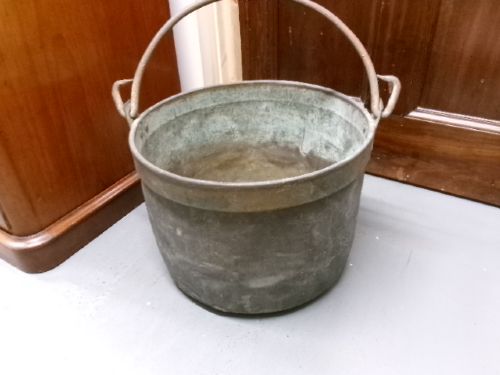
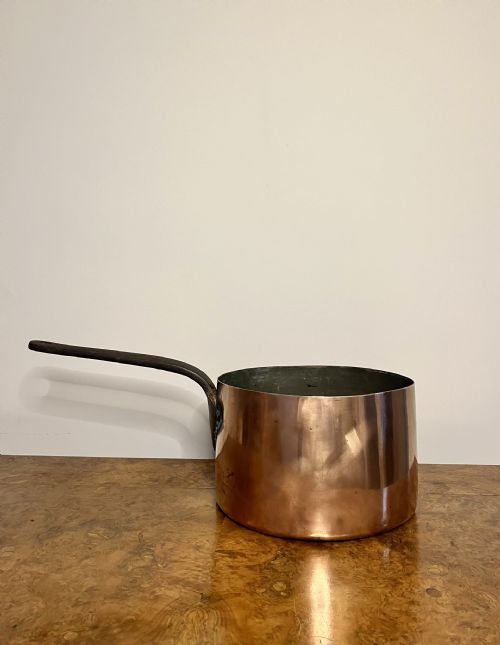
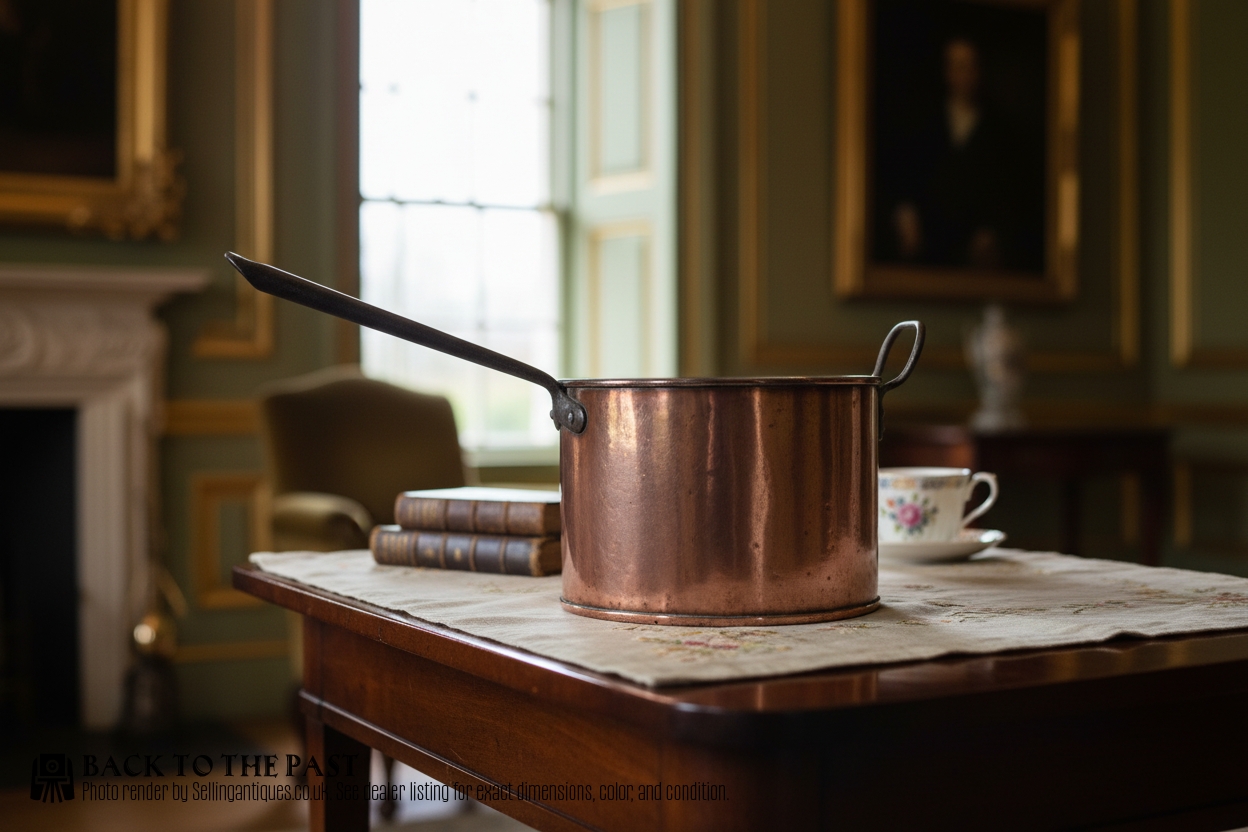
A copper cooking pot is a robust kitchen vessel designed for boiling, preserving, or stewing over an open fire or stove. When you search for a copper cooking pot, you encounter heavy Georgian and Victorian forms shaped for serious culinary work. The pieces appearing here span the nineteenth century, including Georgian and Victorian examples alongside French country designs.
Most entries take the form of large saucepans, preserve pans, cauldrons, or lidded vessels fitted with iron or brass handles. You will frequently find sets of pans and swing-handled cauldrons intended for hearth use or large-scale preparation. These pieces originate from British and French kitchens, reflecting the utilitarian needs of past centuries.
How they were made
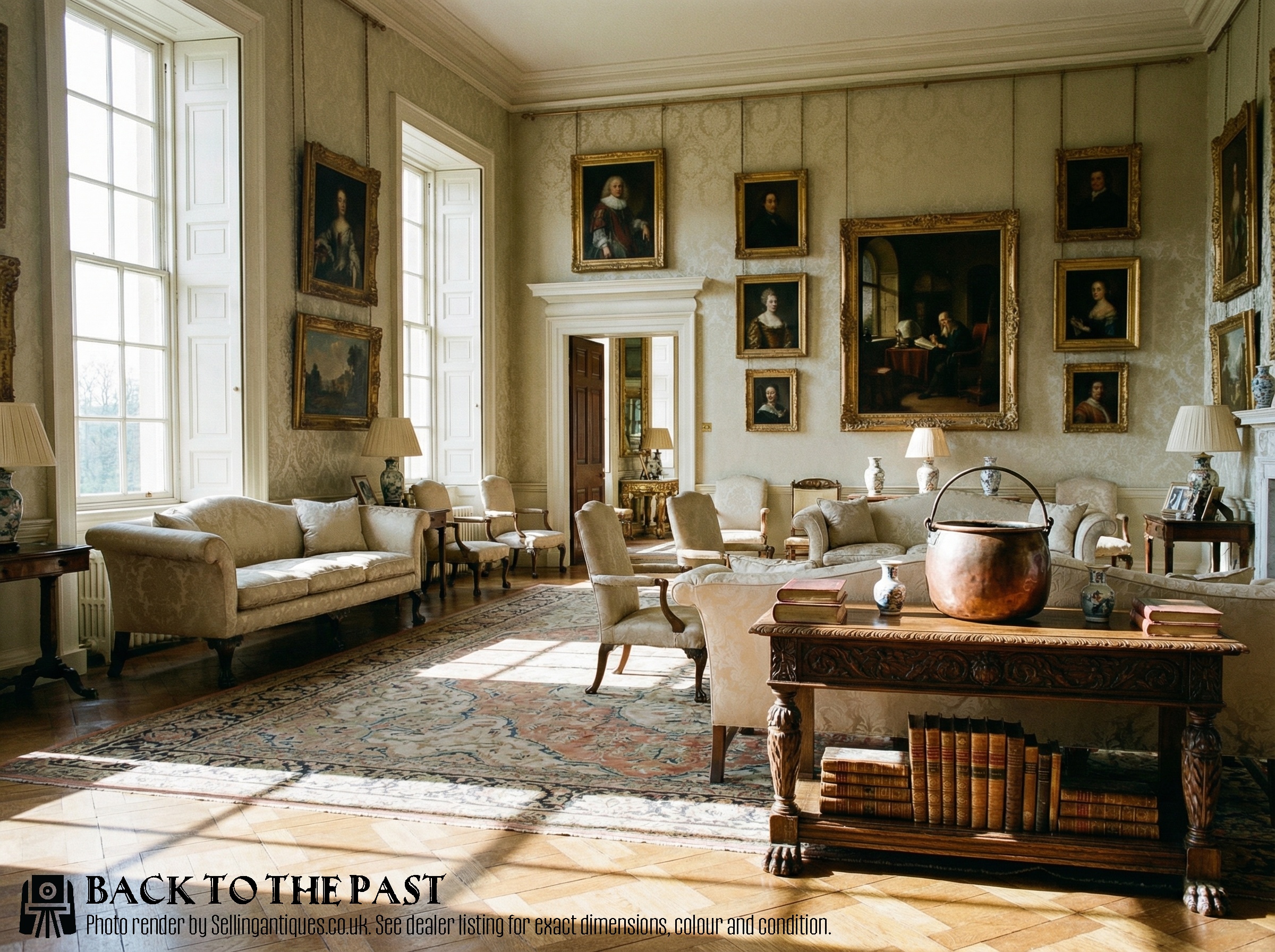
Craftsmen built a copper cooking pot using beaten and riveted sheet metal, joining heavy copper plates with visible rivets. Workshops paired the primary copper body with wrought iron or cast iron handles and brass mounts for structural strength.
Many interiors retain a traditional tin lining applied to protect food from the reactive copper surface. Artisans hammered the metal by hand, leaving authentic tool marks and surface irregularities across the exterior.
Copper Cooking Pot Retail Price Guide 2026
Typical asking prices for copper cooking pot among the pieces listed under this phrase on Sellingantiques today, from the lower quarter to the upper quarter. They describe what is for sale here now, not the wider market.
Some nineteenth-century vessels double splendidly as champagne baths when retirement from hearth duty arrives.
What varies in quality
Quality rests upon the thickness of the metal gauge and the integrity of the original construction. Heavy-gauge vessels with solid riveted handles and intact maker stamps represent the upper tier of production.
The presence of original lids, matching swing handles, and uncompromised surface patina further distinguish exceptional pieces from standard utility wares.
Hodges and Sons·Liptons·Jones Brothers
The Copper Cooking Pot Glossary
- Preserve pan
- A wide, shallow pan designed for boiling fruits and sugar. These vessels feature flat bottoms and sturdy handles for stirring large batches.
- Cauldron
- A round metal cooking pot equipped with a swing handle or legs for suspension over a hearth fire. They are frequently cast in larger dimensions.
- Tin lining
- A protective layer applied to the interior surface of a copper pot. This coating prevents copper from interacting with acidic foods during cooking.
- Patina
- The natural surface oxidation and ageing accumulated over centuries of use. It provides a distinct dark or mellow tone to the exterior metal.
- Wrought iron
- A tough, fibrous iron material beaten into shape by a blacksmith. It provides durable handles and fittings for heavy vessels.
Copper Cooking Pot: Frequently Asked Questions
Can I still cook with a copper cooking pot?
Many historical vessels require professional retinning of the interior surface before they come into contact with food again. Without a secure tin lining, acidic ingredients react directly with the underlying copper.
For practical modern use, ensure the base sits flat and the internal metal coating remains thick and undamaged. Many collectors prefer to use them for display or as decorative hearth accessories rather than daily cooking.
How do I clean a copper cooking pot?
Traditional cleaning involves gentle application of mild polishes designed specifically for copper and brass. Avoid abrasive scourers that remove the historical surface character and original patina.
Preserving the aged appearance means limiting vigorous polishing to the exterior while keeping the interior clean and dry. Regular dusting and occasional wiping maintain the metal without stripping its history.
How do I tell a Georgian pot from a Victorian one?
Georgian pieces often display heavier hand-beaten construction with distinct early riveting techniques. They typically date around the late eighteenth to early nineteenth century.
Victorian examples frequently incorporate factory-stamped maker marks, standardised handle attachments, and occasionally set formats like nested pan groups. Examining the handle fixings and weight provides clear clues to the manufacturing era.
What was a swing-handled cauldron used for?
A swing-handled cauldron hung over an open hearth fire for boiling water or preparing large stews. The arched handle allowed cooks to lift the heavy vessel safely using a hook.
These pieces also served in preservation tasks where steady heat distribution was essential across the rounded base.