


Antique Copper Boiler
When you search for an antique copper boiler, you are looking for heavy domestic vessels forged to heat water or handle washing.

What an antique copper boiler is
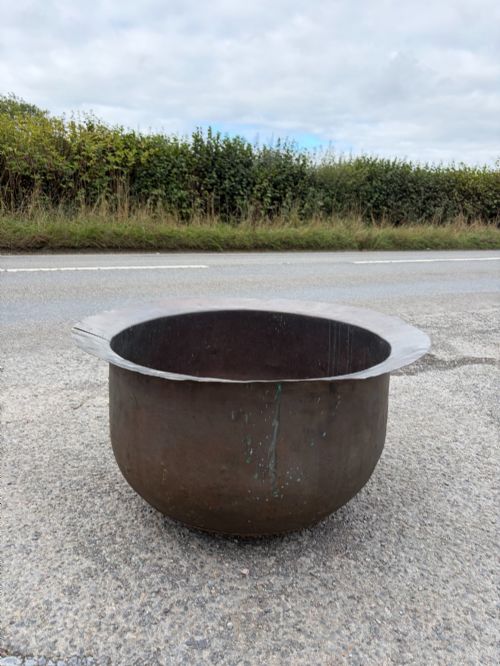
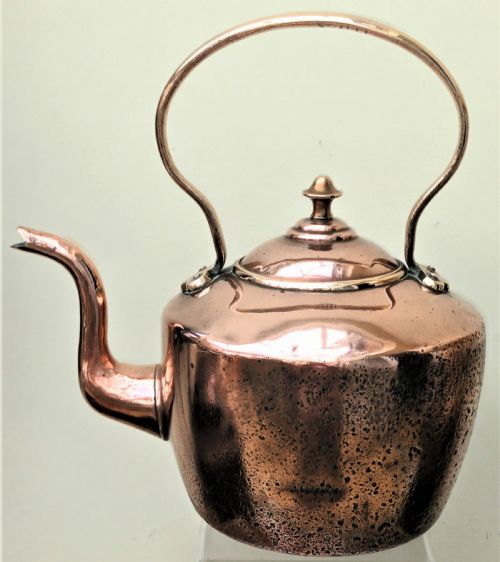
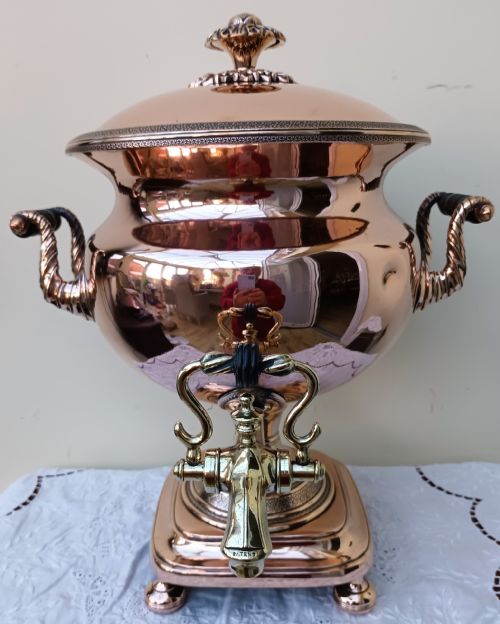
An antique copper boiler is a substantial utility vessel originating from the Georgian and nineteenth-century periods. These pieces include large cooking pots, cauldrons, kettles, and log bins that once served demanding roles in domestic and industrial settings.
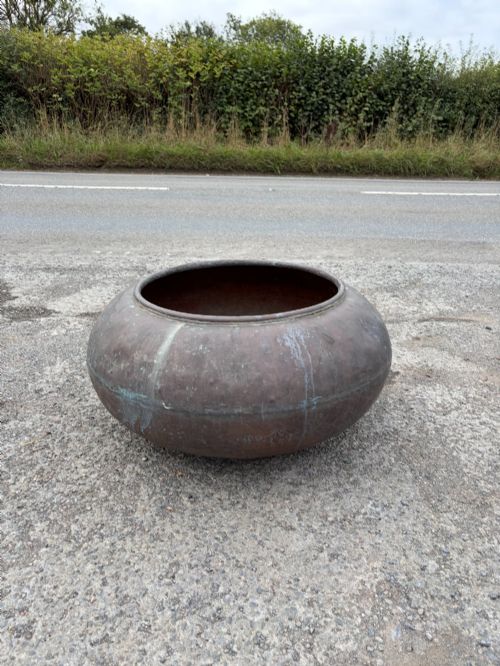
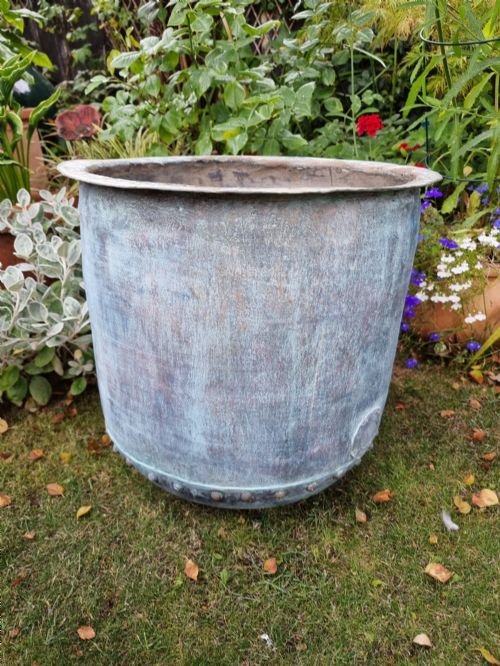
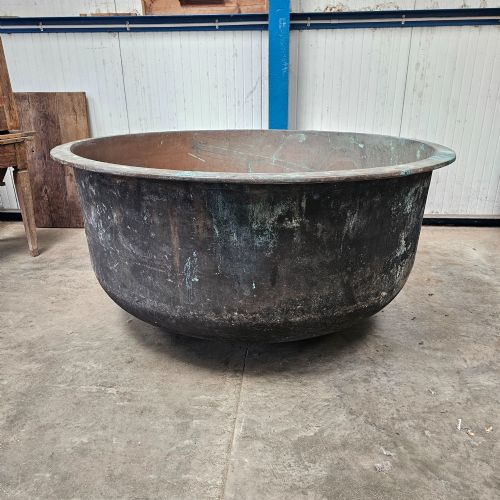
Buyers on this page are most likely to meet nineteenth-century examples, often described as riveted coppers or French cheese vats. They turn up frequently as planters, troughs, and fireside vessels rather than laundry coppers.
How they were made
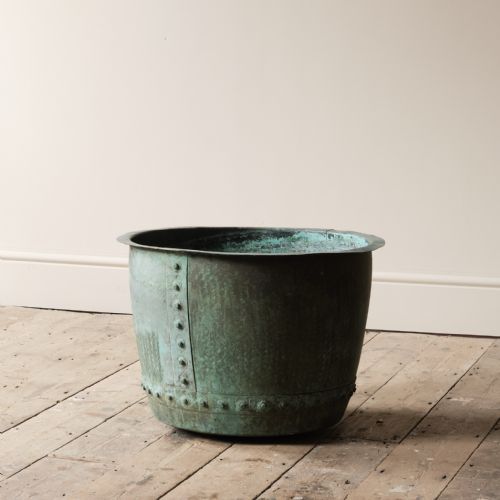
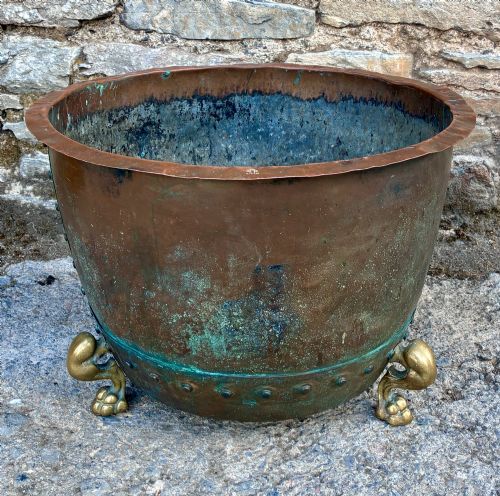
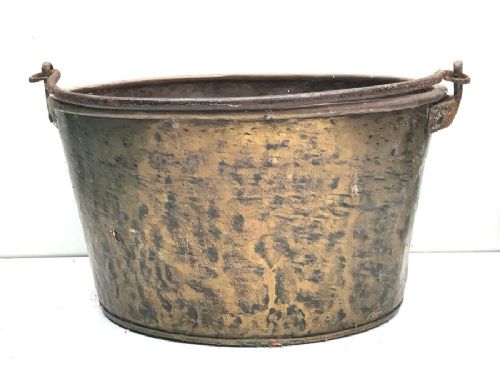
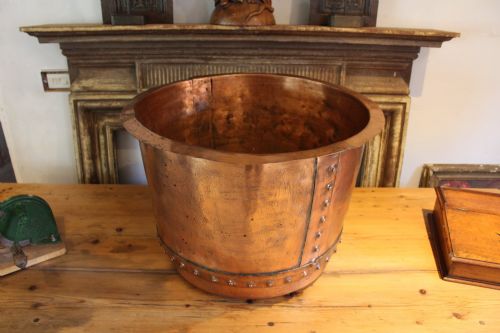
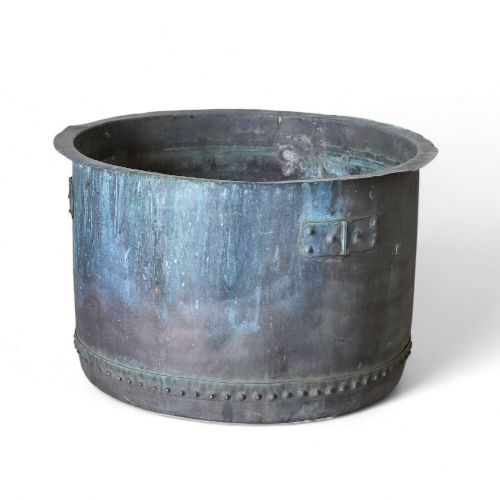
These vessels are forged primarily from heavy sheet copper, joined with visible hand-rivets along seams to ensure structural strength under heat and weight. Craftsmen combined copper bodies with iron handles, brass fittings, and wrought iron stands to create durable working equipment.
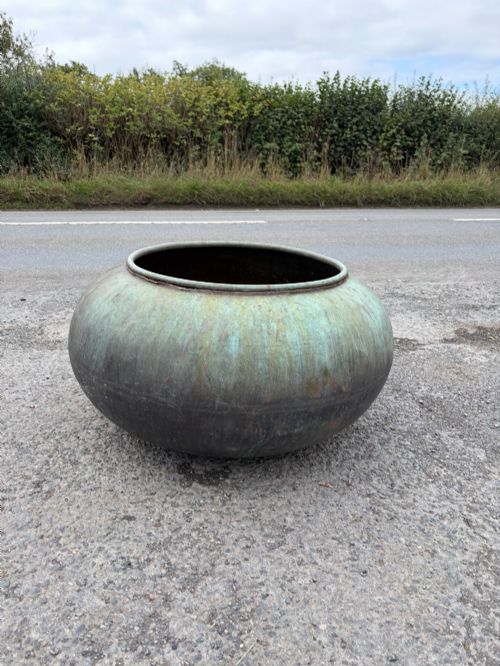
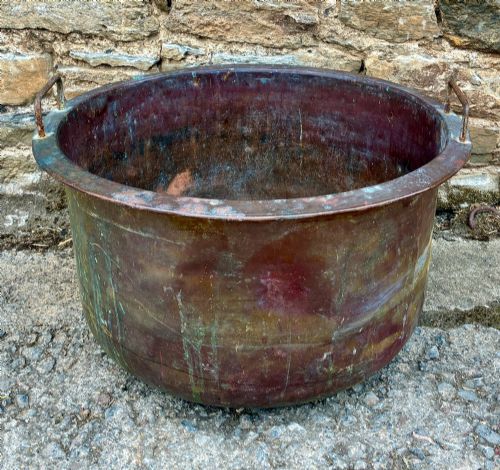
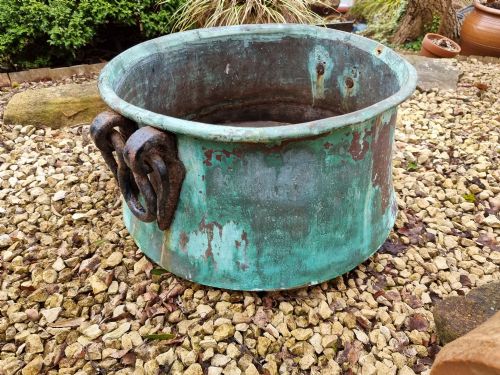
The exterior surfaces develop a natural patina over decades of exposure, sometimes retaining verdigris, while wooden elements appear on carrying handles and lids.
Retail Price Guide 2026
Typical UK retail prices for copper boiler, calculated from the Sellingantiques database of over a million retail prices indexed since 2003. This retail price guide relies exclusively on Sellingantiques data; no external sources or auction records are used, so the figures do not describe the wider market.
The listings here combine nineteenth-century and Georgian pieces fashioned from copper, iron, brass, and wrought iron.
What varies in quality
Quality in an antique copper boiler rests upon the thickness of the metal plate and the integrity of the hand-riveting along the seams. Heavy, uniform gauge copper retains its structural integrity better than thinner sheets that have suffered distortion from hard use.
The character of the surface finish also determines standing; an uncleaned natural patina with deep tonal variation outranks a stripped, polished exterior that has lost its historic depth.
The Antique Copper Boiler Glossary
- Patina
- The surface oxidation and mellowing developed over centuries of exposure to air and handling. This skin of age separates untouched antiques from modern replicas.
- Riveted
- Joined together using metal pins hammered flat to secure overlapping plates of copper. This technique provides both structural strength and visible craftsmanship.
- Cauldron
- A large round-bottomed cooking pot designed for suspension over an open fire or placement on a hearth. These heavy vessels form a core category among early metalware.
- Verdigris
- The green crust or patina formed on copper and brass by atmospheric oxidation. Collectors value this stable coloration as evidence of genuine age.
Frequently Asked Questions
What were antique copper boilers used for?
These vessels originally heated water for washing, brewing, or general domestic chores in large households and commercial settings.
Over time, many of these heavy-duty containers migrated from sculleries and farmhouses to hearths and gardens.
How do I clean an antique copper boiler?
Most collectors prefer to leave the natural dark patina and verdigris intact rather than polishing the metal to a bright shine.
Gentle dusting with a soft cloth is usually sufficient to maintain the surface without removing its historic character.
Can I use an old copper boiler outdoors?
Many buyers repurpose large vessels as garden planters, troughs, and log bins for domestic display.
Copper withstands outdoor conditions well, though prolonged contact with wet soil will continue to alter the exterior patina.
How do I date an antique copper boiler?
Dating relies on observing construction methods, such as the style of hand-riveting and the integration of iron or brass handles.
Georgian and nineteenth-century examples display specific weight characteristics and assembly details typical of their era of production.