


Antique Mahogany Bucket
An antique mahogany bucket is a deeply functional vessel repurposed for modern living, bringing rich timber tones and crisp metalwork to a room.
Antique Mahogany Bucket
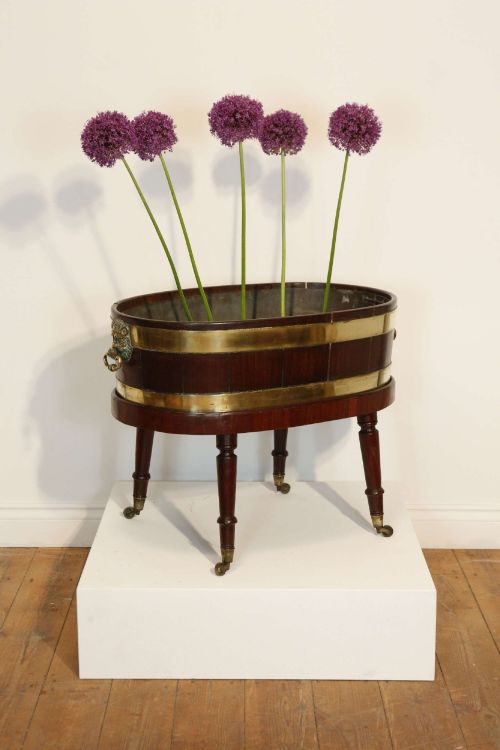
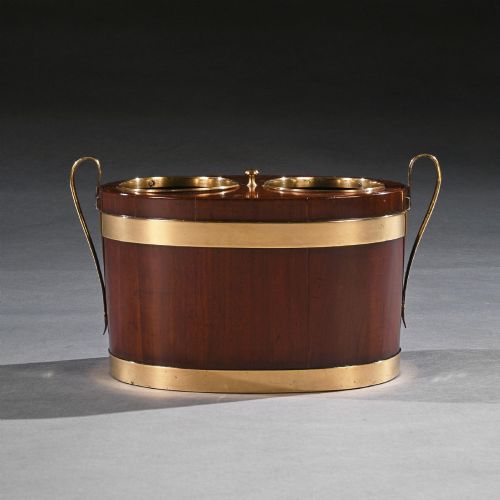
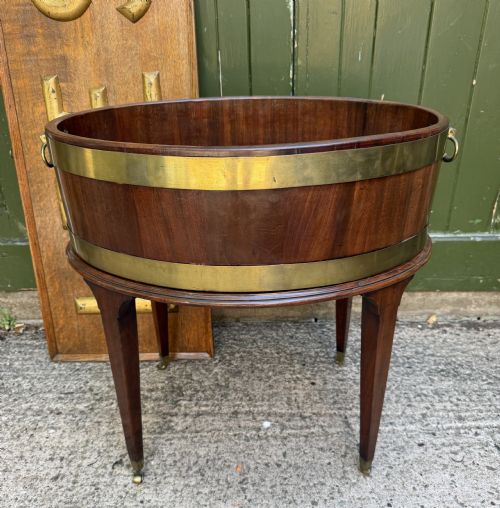
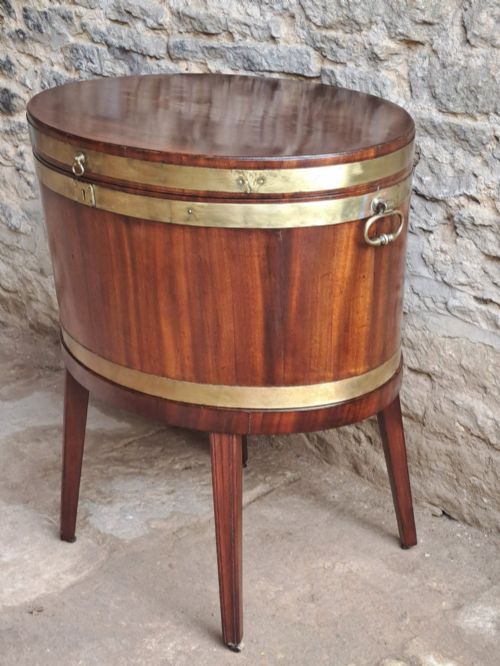
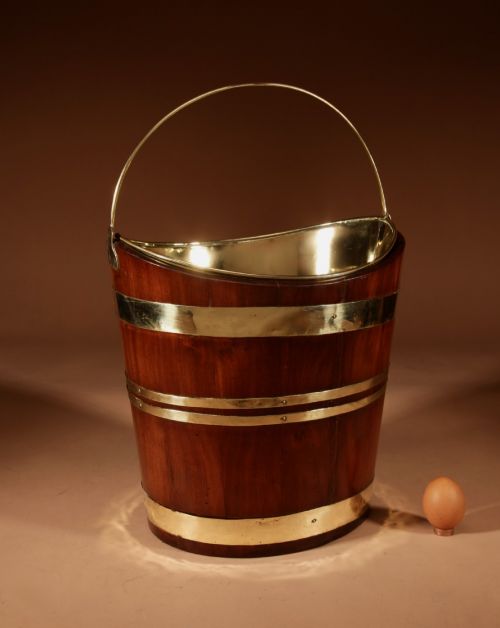
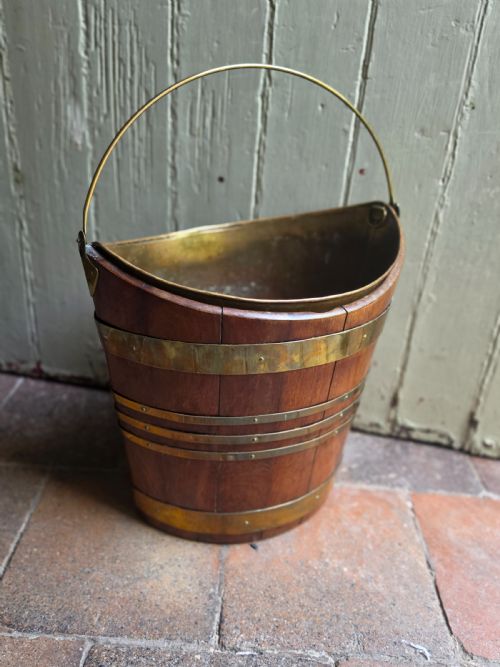
When you search for an antique mahogany bucket, you encounter a surprisingly varied group of heavy timber vessels made for functional service in grand houses. The most common form on this page is the wine cooler or cellarette, frequently oval or boat-shaped and designed to chill bottles for the dining table.
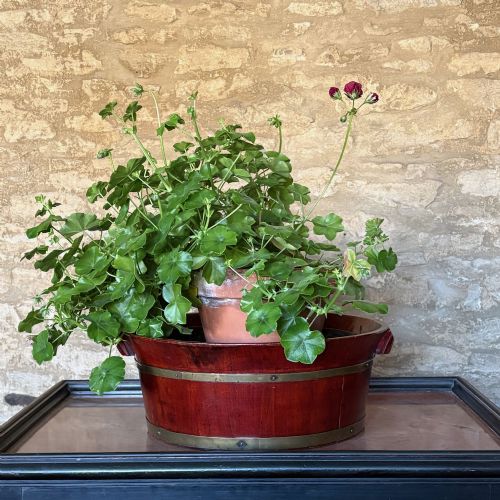
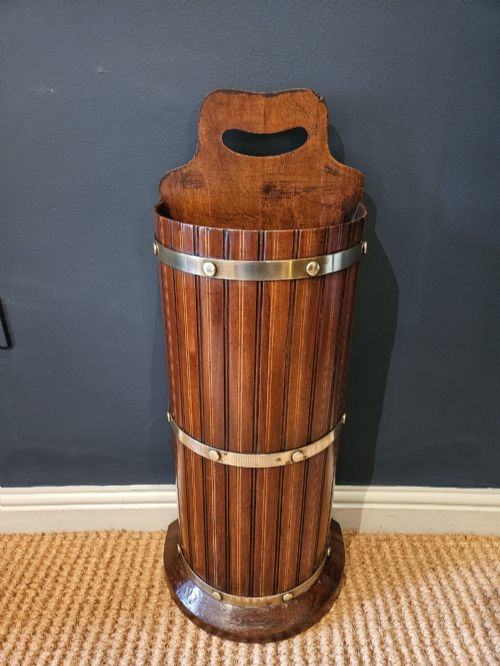
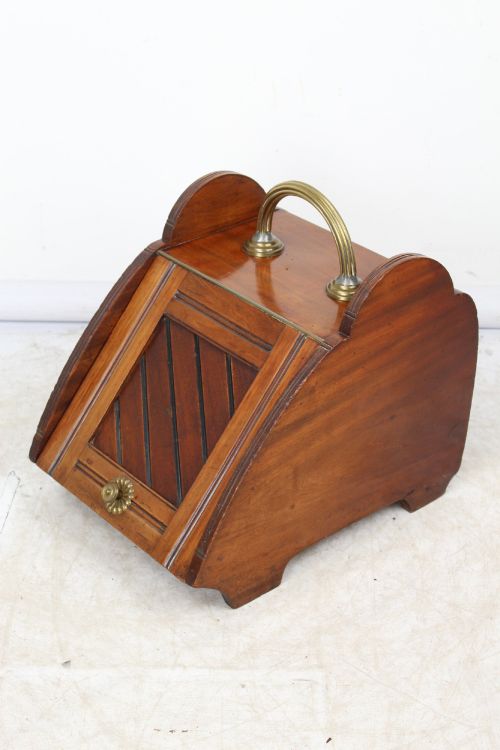
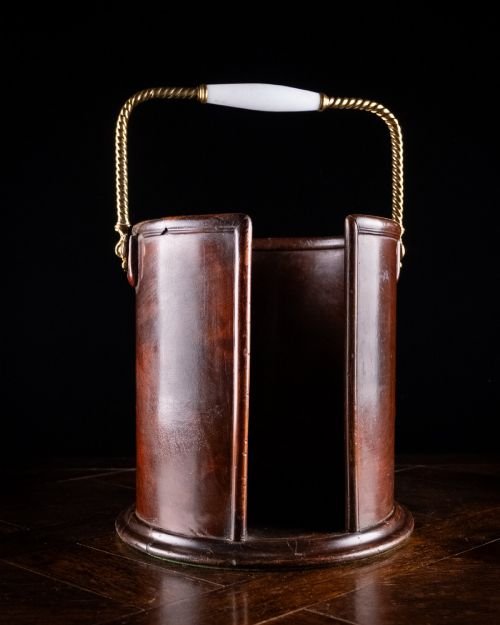
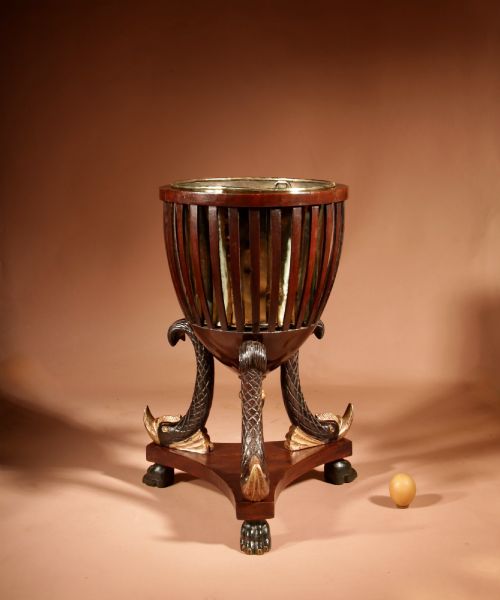
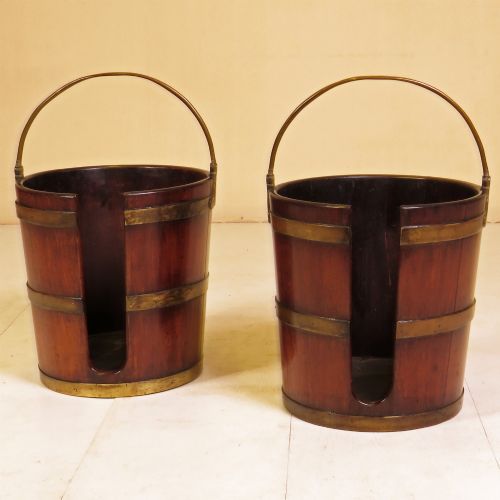
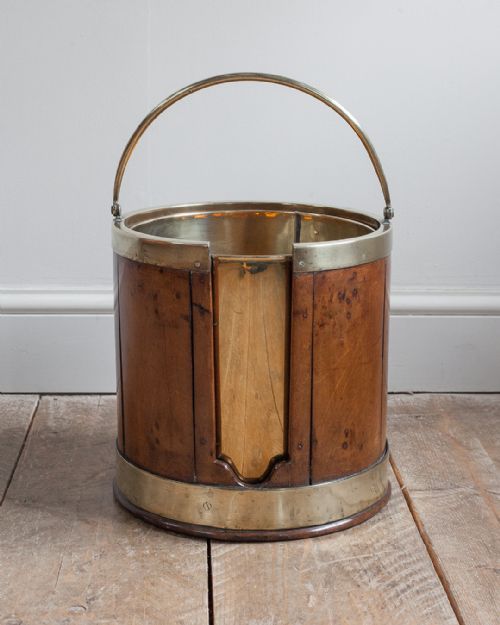
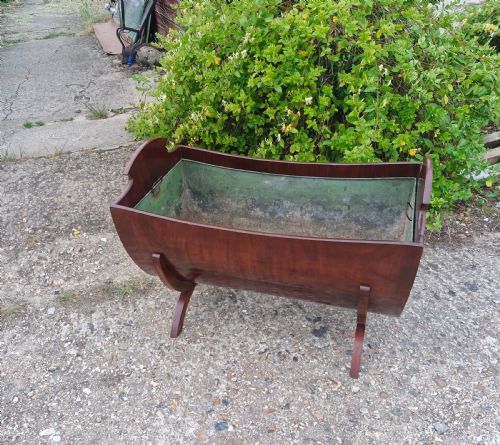
Beyond wine coolers, the listings include plate buckets built with vertical staves to hold porcelain, peat buckets and tea stoves intended for hearth service, and deep jardinieres meant to hold potted plants. These pieces span the eighteenth, nineteenth, and early twentieth centuries, drawing on Georgian, Regency, and Dutch styles.
Many of the finest examples sit upon dedicated stands or retain their original metal liners, connecting their decorative presence directly to their original domestic duties.
How they were made
The construction of these pieces relies heavily on traditional coopering, where skilled artisans fitted vertical mahogany staves together to form a watertight or sturdy round and oval body. This method mirrors the creation of casks and barrels, requiring precise edge-jointing so the timber held its shape under tension.
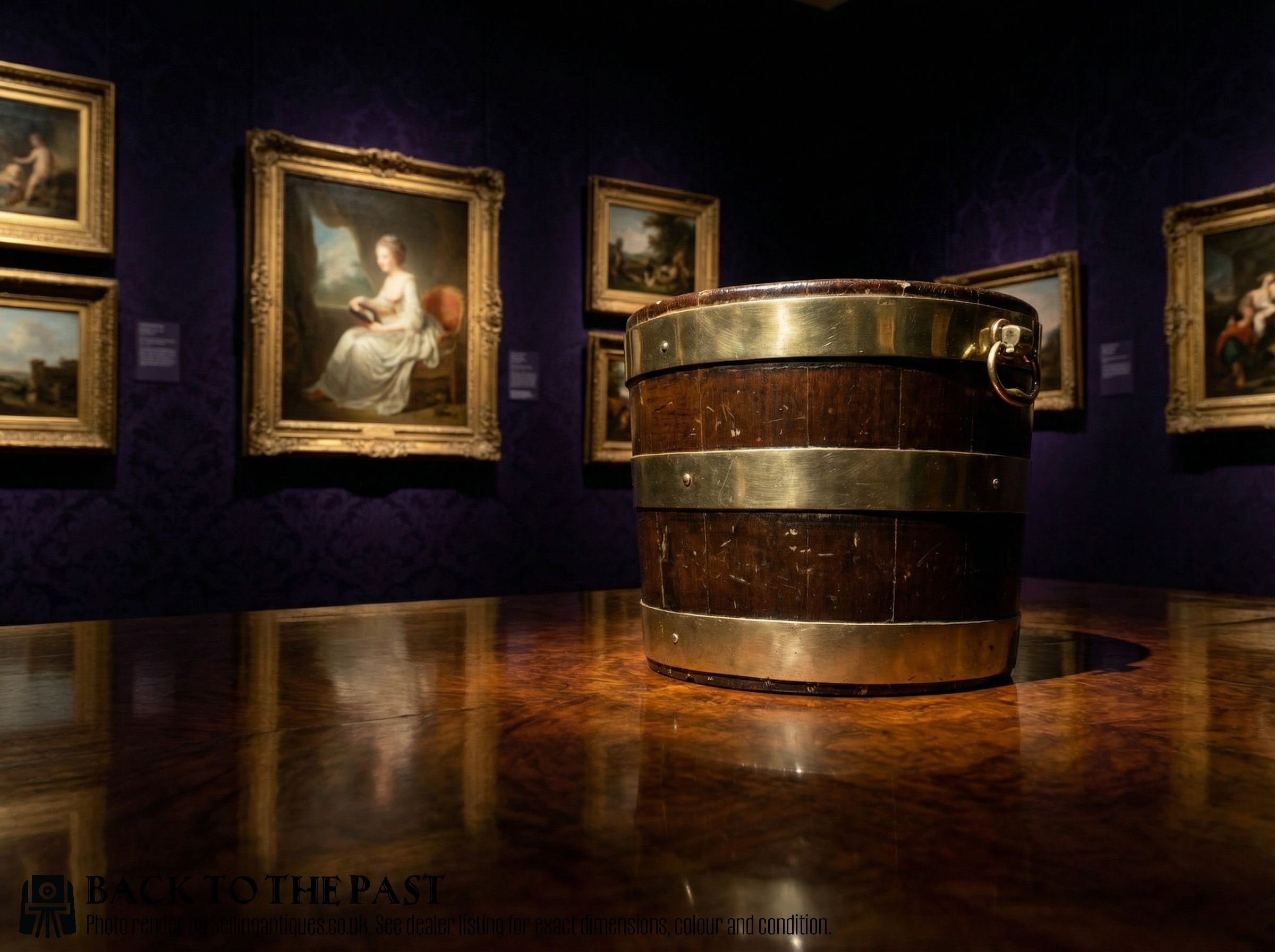
To bind the staves securely, makers applied heavy brass bands around the exterior, often fastened with small brass pins or tacks. These metal hoops provided essential structural support while introducing a bright decorative contrast to the dark grain of the mahogany.
Liners made of zinc or metal were fitted inside to protect the wood from moisture when the vessels were filled with ice, water, or earth for plants.
Antique Mahogany Bucket Retail Price Guide 2026
Typical asking prices for mahogany bucket among the pieces listed under this phrase on Sellingantiques today, from the lower quarter to the upper quarter. They describe what is for sale here now, not the wider market.
Some peat buckets doubled as knitting baskets, proving that domestic multitasking is entirely historical.
What varies in quality
Quality in an antique mahogany bucket rests primarily on the choice of timber and the crispness of the coopering. Superior examples display rich, deeply figured grain and well-matched staves that maintain tight joints along their entire height.
The quality of the metal fittings makes a substantial difference, separating workshop standards from exceptional production. Heavy cast brass bands, well-formed drop handles, and intact original metal liners elevate a piece significantly above simpler domestic utility items.
The Antique Mahogany Bucket Glossary
- Coopered
- Constructed from curved wooden staves bound together with metal hoops, much like a traditional barrel. This technique ensures the vessel remains stable and sturdy.
- Cellarette
- A lockable or open container used historically to store and cool wine bottles near the dining table. They frequently take the form of brass-bound mahogany buckets.
- Jardiniere
- An ornamental pot or stand designed to hold plants or flowers indoors. Many deep wooden buckets were later adapted for this purpose.
- Plate bucket
- A cylindrical or slightly tapered stave-built container used by servants to transport dinner plates safely between the kitchen and dining room.
- Schuitje
- A boat-shaped vessel, often of Dutch origin, utilised as a peat bucket or tea stove. The distinctive hull profile provides generous interior volume.
- Patina
- The deep, lustrous surface sheen developed on old mahogany through decades of handling, polishing, and natural ageing.
Antique Mahogany Bucket: Frequently Asked Questions
What was an antique mahogany bucket used for?
These vessels served various practical domestic functions in prosperous households, most commonly holding ice and water to chill wine bottles during formal dining.
Other variants were built to transport ceramic plates, hold peat fuel by the fireplace, or act as planters and tea stoves within grand rooms.
How do I tell an 18th century bucket from a later copy?
Eighteenth-century examples generally display hand-cut dovetails, thick individually shaped staves, and heavy patination on the timber that reveals decades of gentle use.
Later Victorian or twentieth-century revivals often feature more uniform machine-cut components, brighter unaged brass, and different construction fasteners.
Can I use an antique bucket for plants?
Many of these pieces serve wonderfully as plant holders today, provided you use a protective inner pot to prevent water damage to the historic wood.
Original metal or zinc liners frequently remain inside, making them particularly practical for holding potted greenery without risking the structure.
Why do some mahogany buckets have stands?
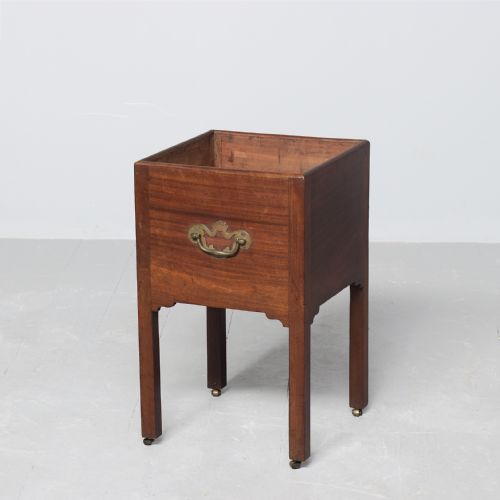
Stands elevated the vessels off cold stone or timber floors, making them easier to reach during dining service and protecting the base from dampness.
These matching or associated stands range from simple low frames to elegant tapering legs with inlaid details.