



Antique Log Bucket
When searching for an antique log bucket, you encounter heavy hearth vessels built from brass, copper, oak, and iron to store firewood beside period fireplaces.
Antique Log Bucket
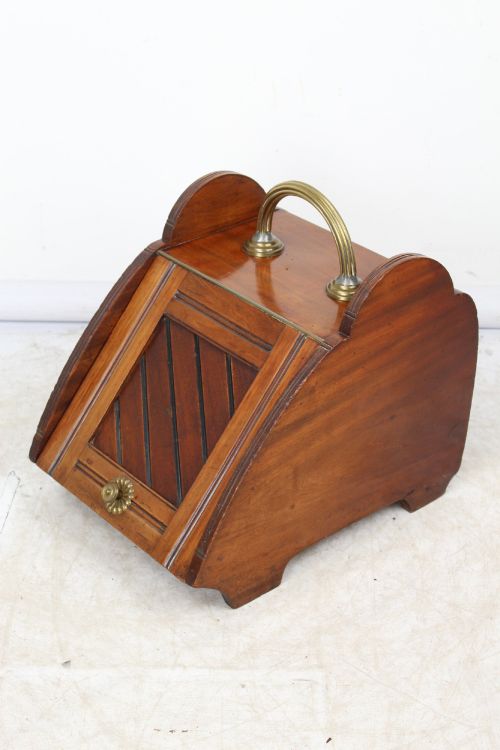
An antique log bucket serves as a sturdy hearth receptacle for holding firewood, kindling, and coal beside the fireplace. These pieces originate across the Georgian, Victorian, and Edwardian periods, reflecting changing domestic habits of country houses and urban parlours.
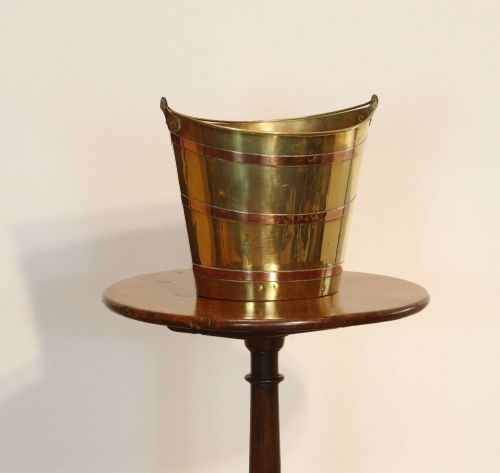
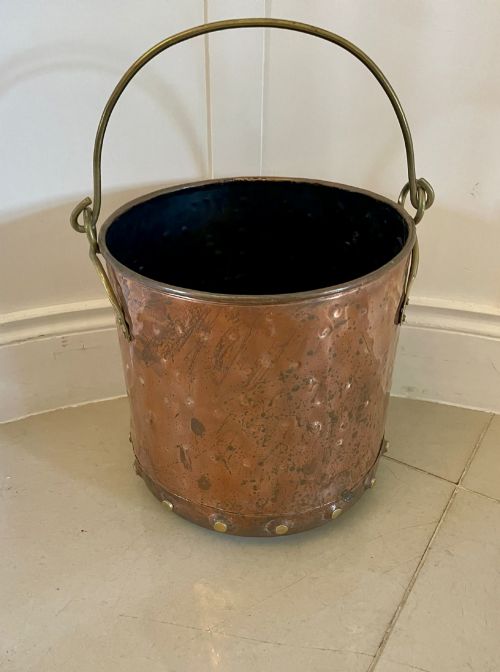
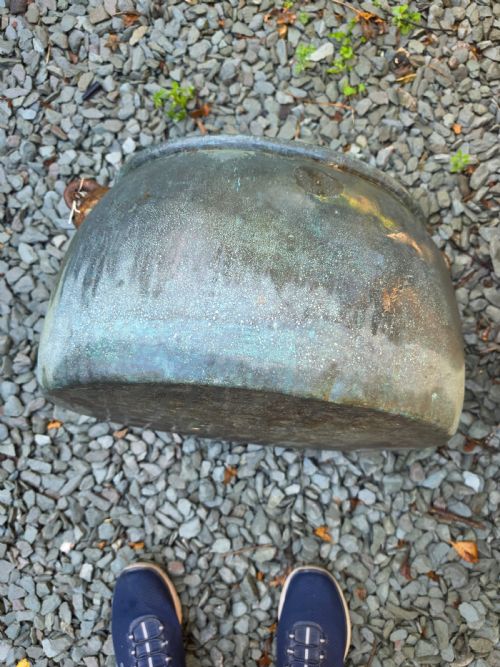
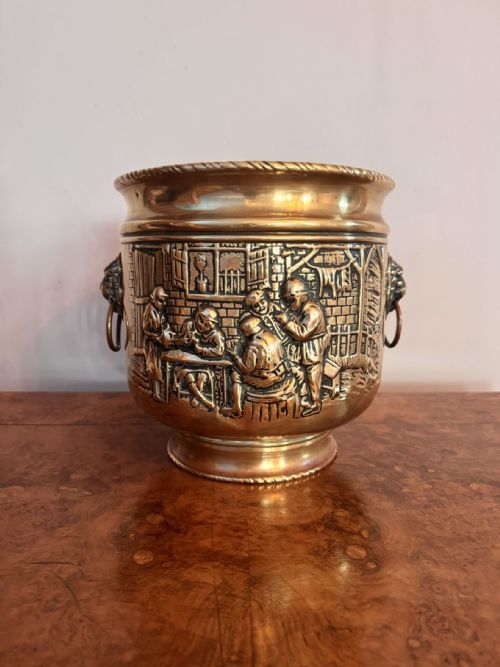
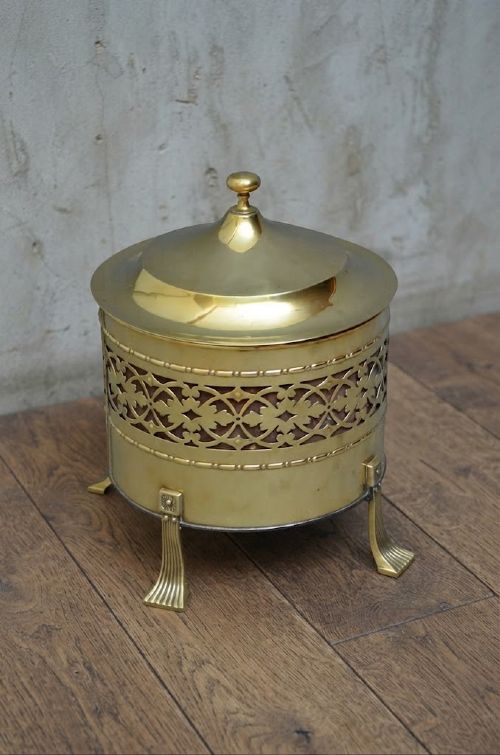
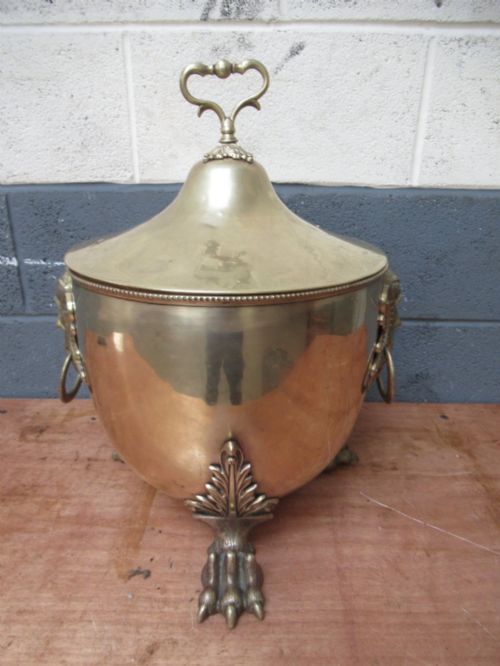
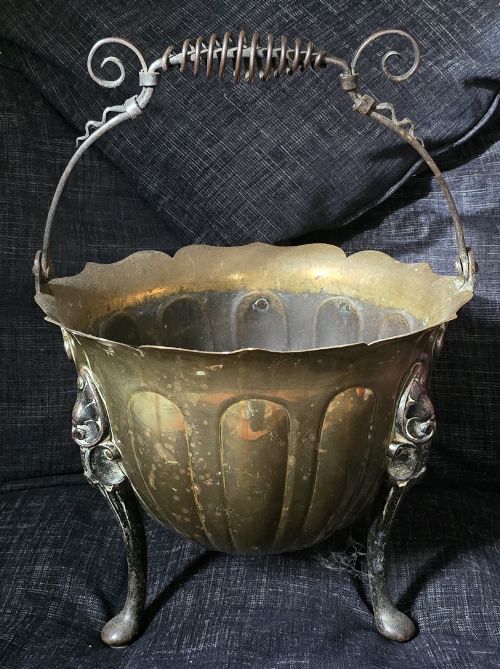
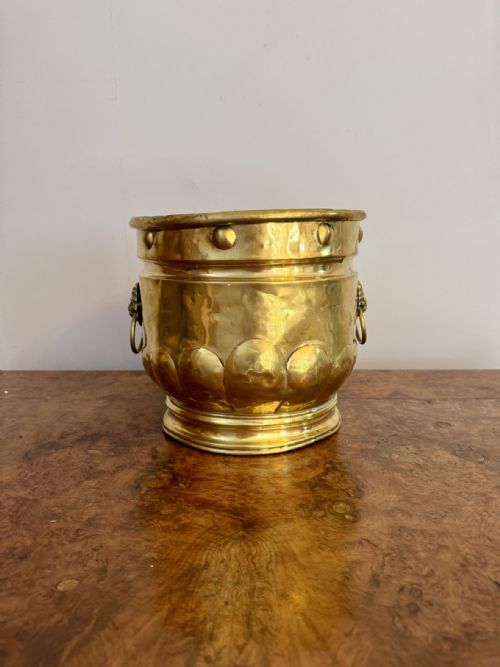
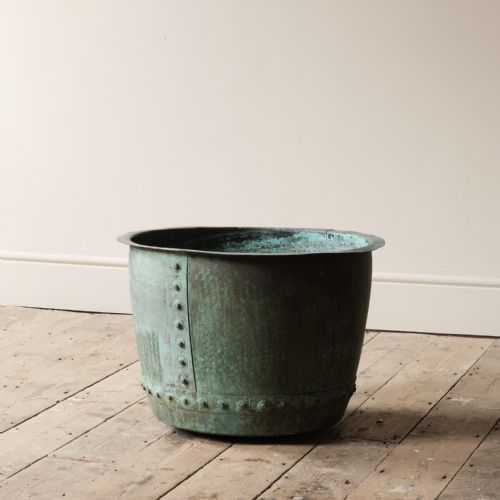
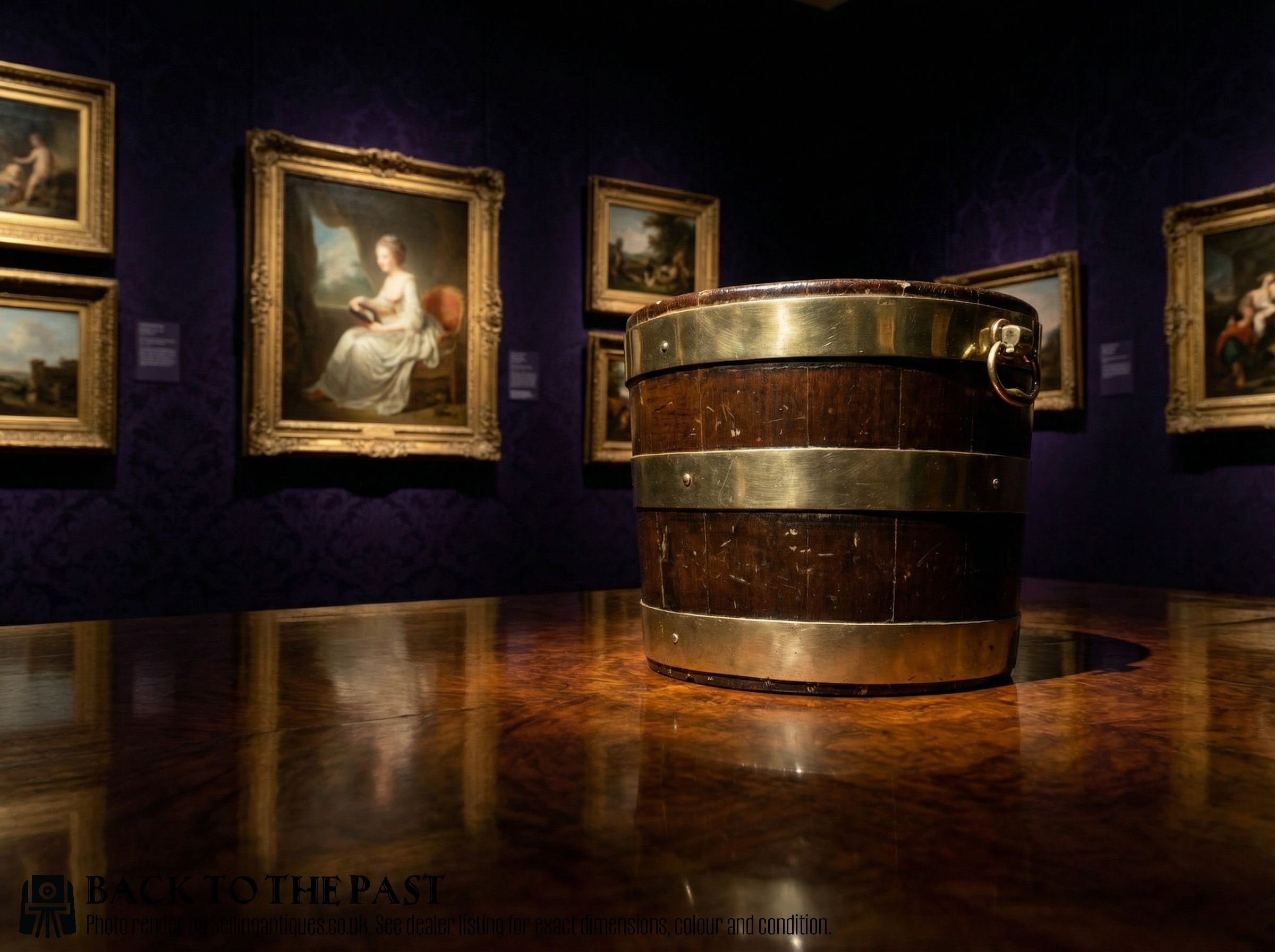
The version most commonly met on this page is the Victorian or Edwardian metal bin, usually formed from riveted copper or polished brass, often fitted with swing handles and brass banding. Alongside metal designs, timber examples fashioned from country oak or mahogany appear frequently, sometimes featuring coopered construction or decorative brass mountings.
Beyond holding fuel, many of these vessels double as large planters, jardinieres, or champagne coolers, demonstrating the flexible utility demanded by past households. Whether plain utilitarian copper boilers or ornate Arts and Crafts creations, each piece brings robust texture to modern hearth settings.
How They Were Made
Makers constructed metal vessels primarily from heavy sheet copper and brass, joining seams with visible hand-riveting or folding techniques to ensure structural strength. Wrought iron and cast iron frequently provided handles, feet, and bands, offering structural contrast to the polished non-ferrous body panels.
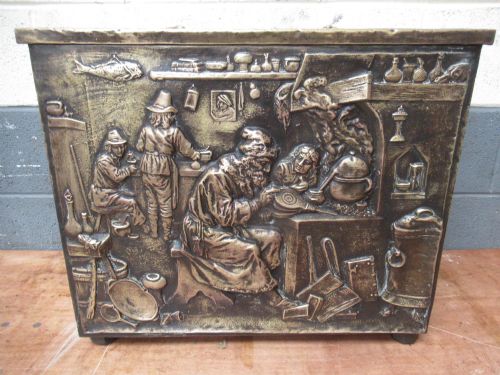
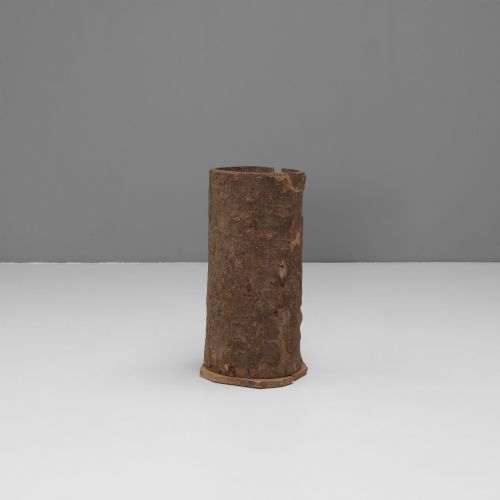
Timber versions relied on traditional coopering and joinery methods, utilising solid planks of oak or mahogany bound together with heavy brass bands. Artisans finished surfaces through hand-beating, polishing, or embossing, occasionally applying applied crests, fretwork designs, or leather bodies studded with brass nails.
Antique Log Bucket Retail Price Guide 2026
Typical asking prices for log bucket among the pieces listed under this phrase on Sellingantiques today, from the lower quarter to the upper quarter. They describe what is for sale here now, not the wider market.
Some heavy fire buckets proudly display roaring lions and unicorns upon studded leather, ready to tackle both hearth logs and royal heraldry.
What Varies In Quality
Quality rests upon the heft of the metal gauge and the integrity of the underlying construction, where thicker sheets and tighter riveting distinguish superior examples. Finer pieces demonstrate careful hand-finishing, such as neatly spaced rivets, robustly forged swing handles, and securely mounted brass feet.
Design ambition separates standard utilitarian bins from exceptional workshop pieces, with Arts and Crafts iterations or bespoke Georgian leather and mahogany buckets showing greater artistic execution. The preservation of original surface patination, liners, and mounts without excessive modern intervention preserves the integrity of the piece.
Henry Loveridge
The Antique Log Bucket Glossary
- Coopered
- Constructed from vertical wooden staves fitted together and bound with metal bands, much like a traditional barrel. This method gave wooden log baskets the strength needed for heavy daily use.
- Riveted
- Joined together using short metal pins hammered flat to secure overlapping sheets of copper or brass. Hand-riveted seams provide both structural durability and distinctive visual texture.
- Jardiniere
- An ornamental pot or stand designed to hold growing plants or flowers. Many large metal log bins were repurposed for this domestic role.
- Arts and Crafts
- A design movement valuing handcraftsmanship, simple forms, and visible construction methods over mass production. Pieces from this tradition often exhibit hammered copper surfaces and honest joinery.
- Scuttle
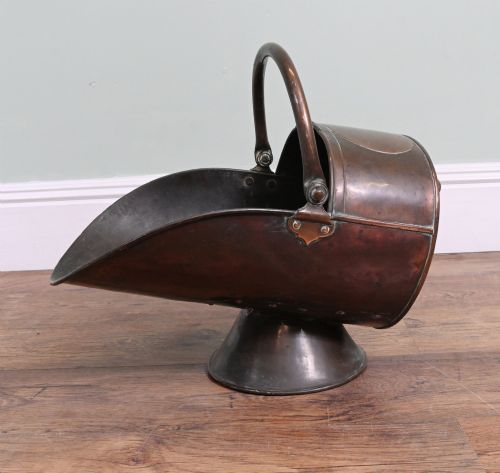
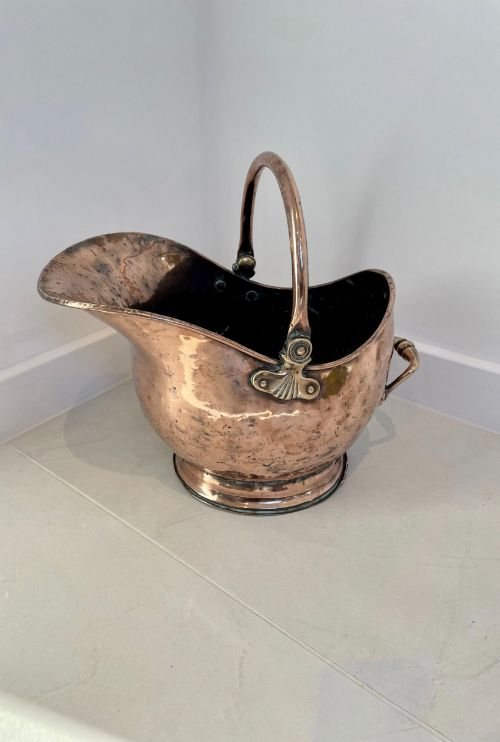
- A metal bucket or container with a sloping rim or shovel designed for carrying coal or fuel to the fire. Helmet scuttles feature a distinctive shaped opening for controlled pouring.
Antique Log Bucket: Frequently Asked Questions
What is an antique log bucket used for?
These vessels were designed to hold and transport firewood, logs, or coal directly to the fireplace for burning. Their robust metal or wooden construction handled heavy loads of fuel while protecting domestic flooring.
Today, they serve equally well beside modern wood-burners or open hearths for storing logs, or function independently as large decorative planters and umbrella stands.
How do I date an antique log bucket?
Dating relies on examining the materials, manufacturing techniques, and stylistic markers recorded across the periods. Georgian examples often feature leather or heavy brass banding, whilst Victorian and Edwardian pieces frequently showcase machine-rolled sheet copper with hand-riveted seams and Arts and Crafts influences.
Construction details such as hand-forged iron handles, dovetailing in wooden bins, and maker stamps help narrow down the decade of manufacture.
Are these buckets waterproof?
Metal bins made from riveted copper or brass generally hold water well, though original riveted seams can develop minor weeping over many decades of use. Many Edwardian and Victorian examples were manufactured with internal metal liners specifically to contain moisture.
Wooden buckets constructed using traditional coopering methods may require a modern inner tray if utilised for holding damp firewood or fresh potted plants.
How should I clean copper and brass?
Maintaining metal surfaces involves removing dust with a soft cloth and preserving the natural oxidation or patina that accumulates over generations. Aggressive metal polishes strip away historical character, so gentle cleaning agents suit older patinated finishes best.
Polished pieces benefit from occasional mild cream cleaners if a bright metallic shine is preferred over a darker, mellowed appearance.