



Edwardian Wine Cooler
An edwardian wine cooler brings genuine period character to a dining room, combining polished timber or gleaming metal with practical hosting utility.
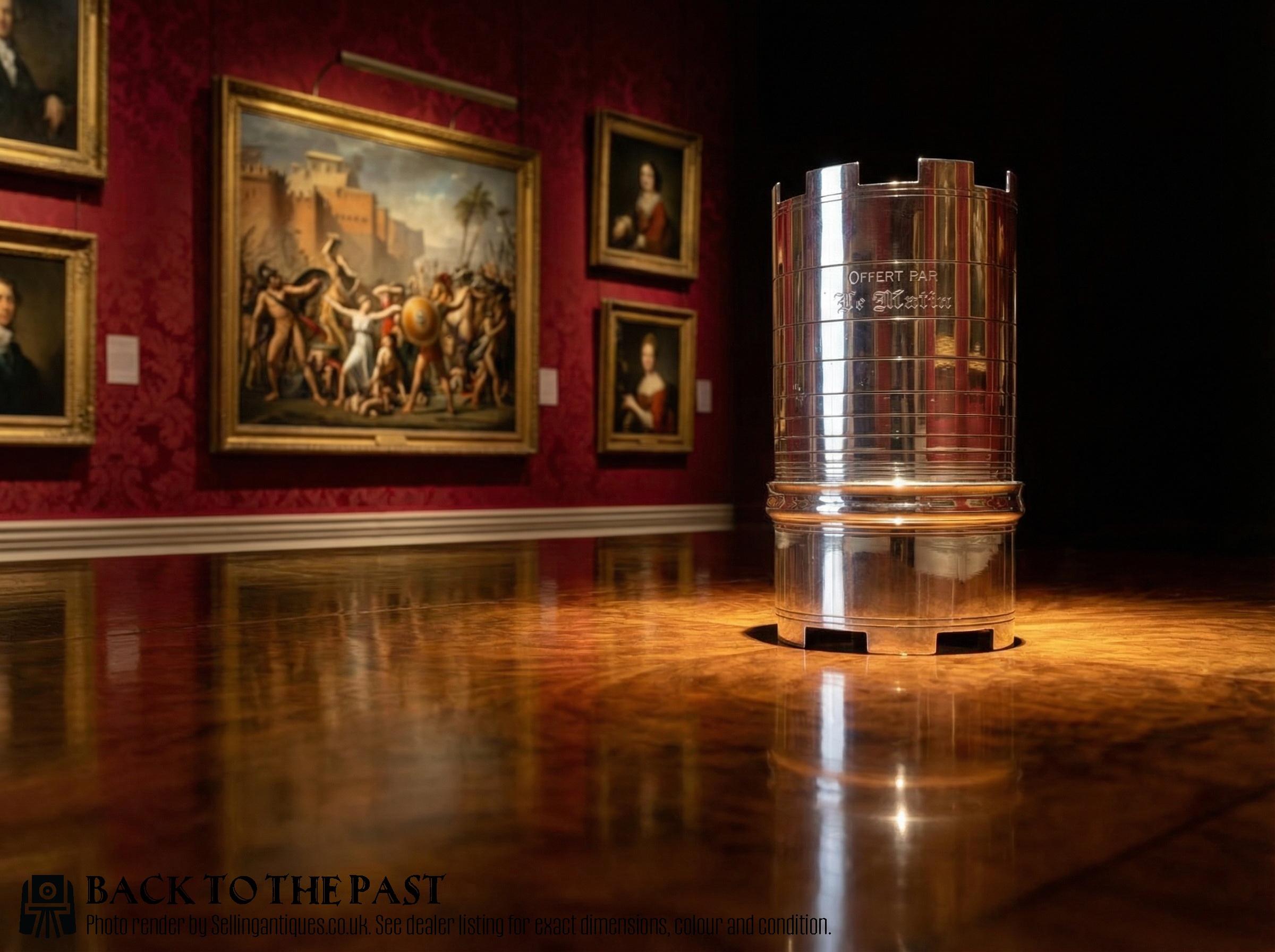
Edwardian Wine Cooler
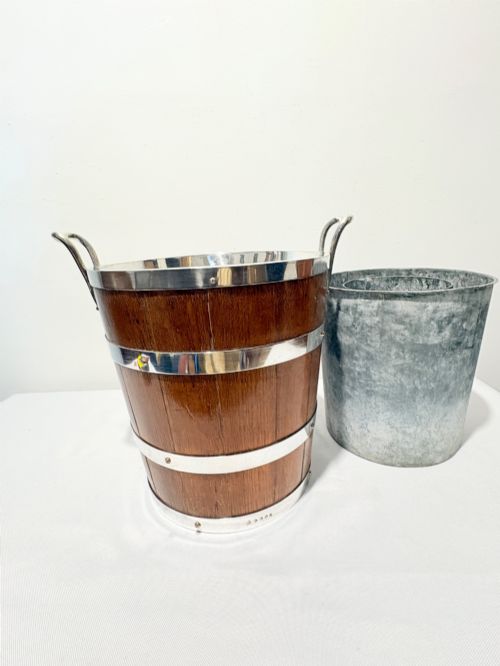
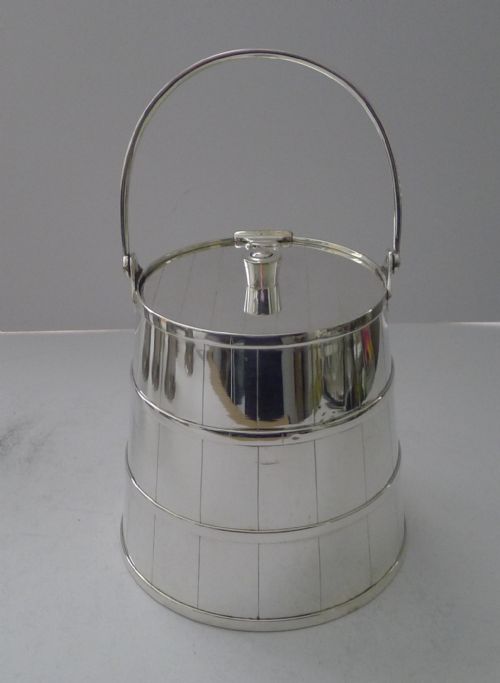
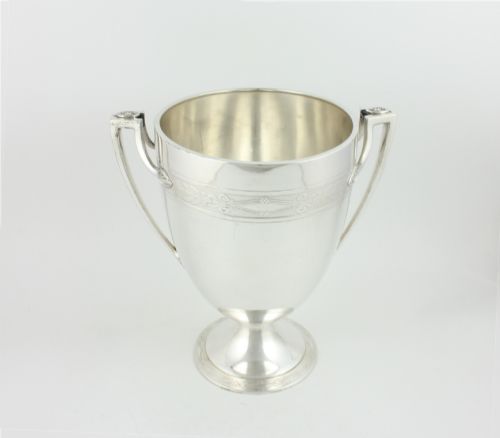
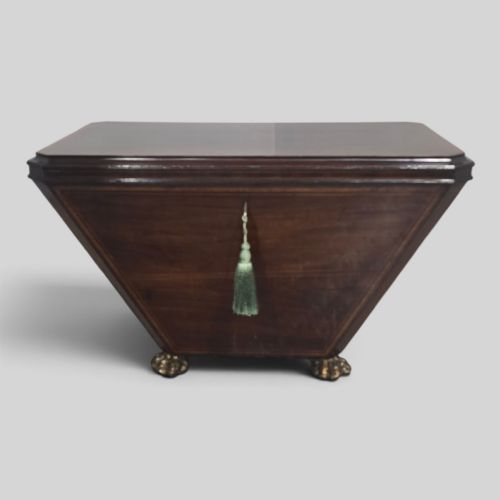
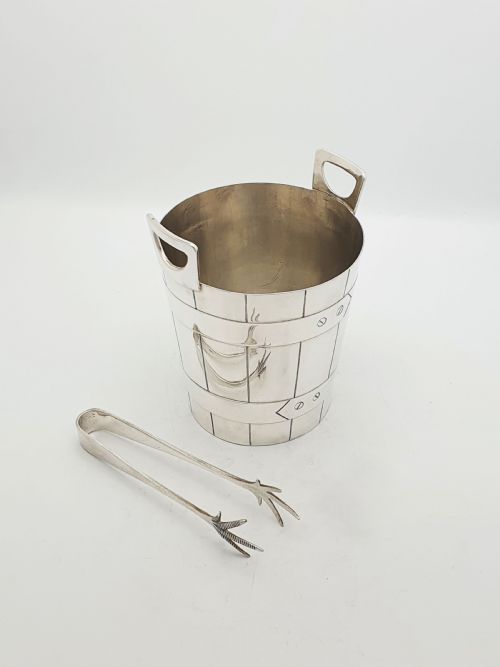
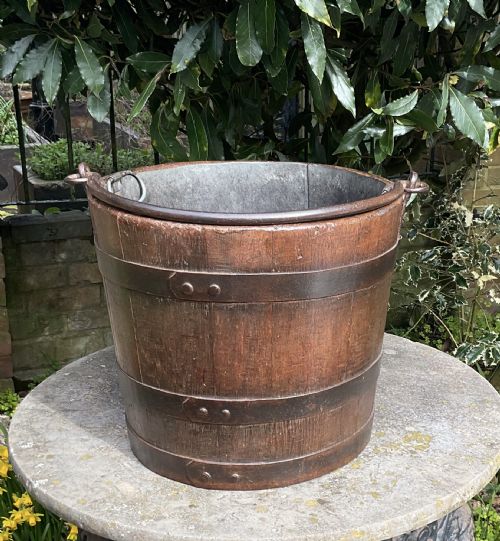
When searching for an edwardian wine cooler, buyers encounter a diverse selection of vessel forms ranging from traditional mahogany cellarettes and coopered oak buckets to silver-plated ice pails. Many pieces date from the broader Edwardian era and surrounding decades, incorporating styles like Arts and Crafts, Art Nouveau, and Georgian Revival.
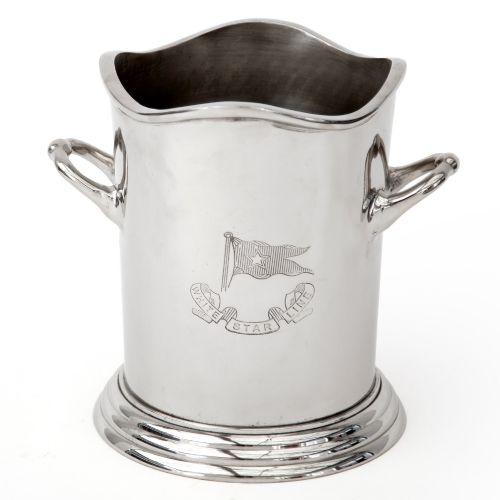
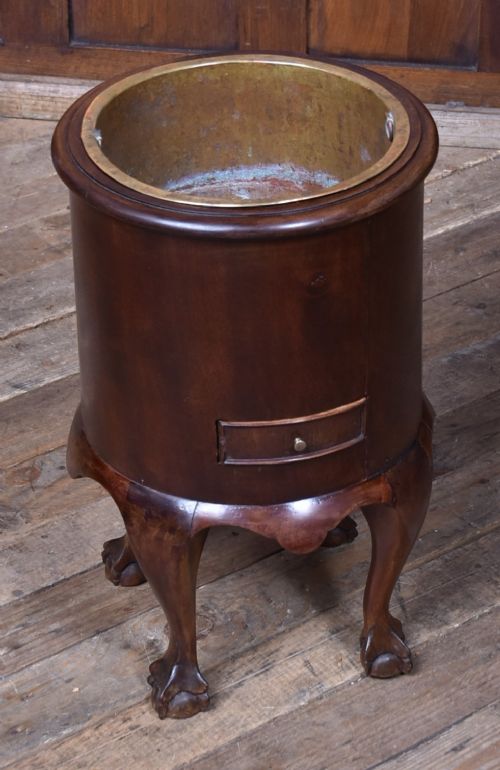
The objects serve multiple hosting functions, frequently appearing as wine coolers, champagne buckets, ice coolers with tongs, and planters or jardinieres. Wooden versions often stand on dedicated floor bases or feature brass banding, whilst plated metal examples showcase twin handles and decorative chasing.
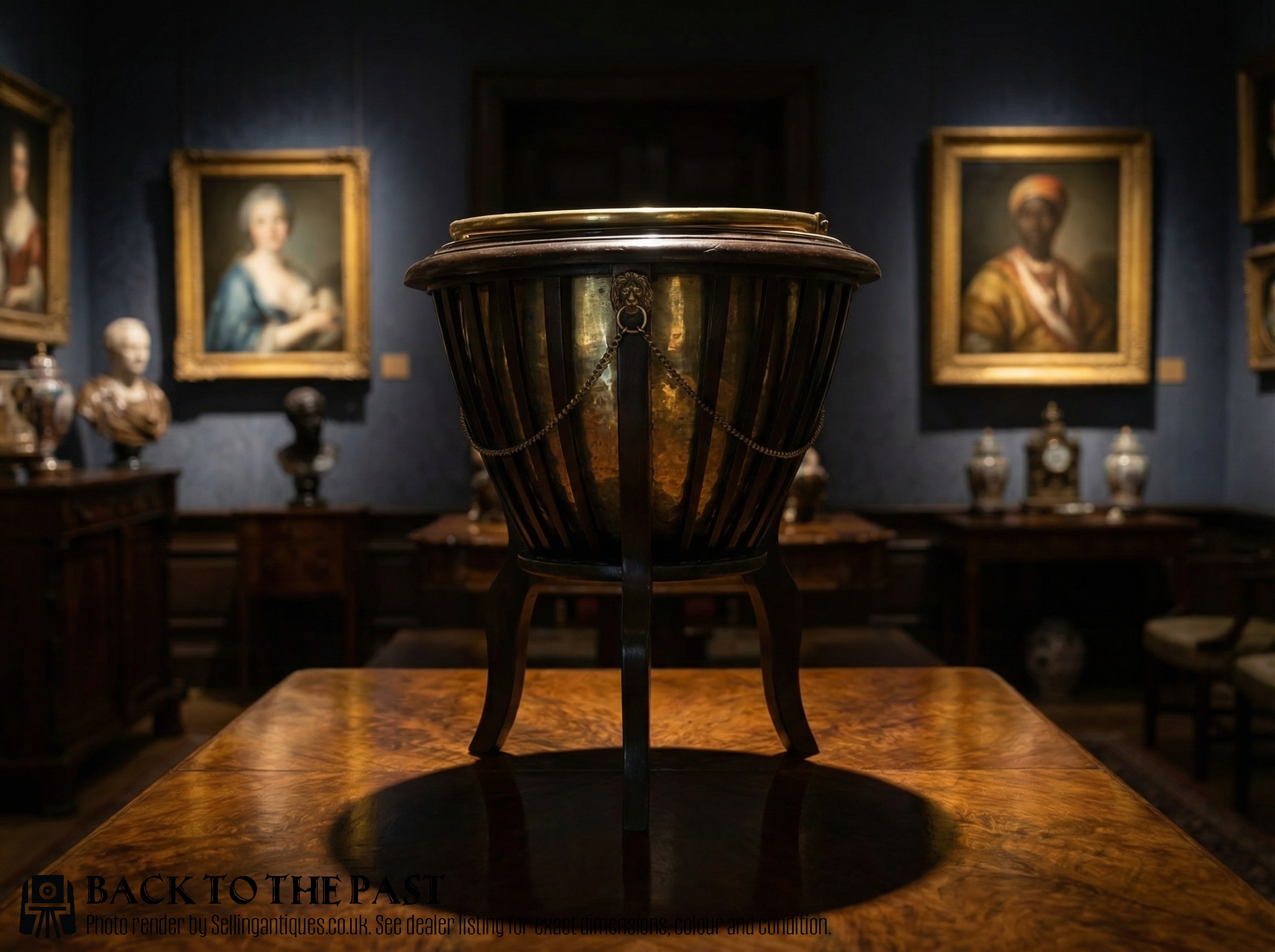
Materials and construction methods
Cabinet makers utilised dense hardwoods such as mahogany and oak, often enriching surfaces with satinwood inlay or brass binding. Coopered construction techniques allowed staves of wood to be tightly bound together with metal bands, creating sturdy liquid-tight containers.
Metal vessels relied on silver plating over base metals, solid copper, or brass, sometimes paired with cut glass liners or ceramic creamware inserts to protect the primary structure from moisture.
Edwardian Wine Cooler Retail Price Guide 2026
Typical asking prices for edwardian wine cooler among the pieces listed under this phrase on Sellingantiques today, from the lower quarter to the upper quarter. They describe what is for sale here now, not the wider market.
Materials documented across the pieces feature solid oak, mahogany, satinwood, silver plate, copper, and brass.
Factors influencing quality and craftsmanship
Superior examples demonstrate meticulous joinery, balanced proportions, and high-grade timber selection, whereas simpler items rely on basic construction without decorative inlay or refined mounts. The crispness of hand-beaten metalwork on copper and brass buckets or the thickness of silver plating on ice pails distinguishes workshop standards.
Makers known for exceptional cabinet work or metal production add notable distinction to a piece, separating standard utilitarian barware from exhibition-quality furnishings.
Edwards and Roberts·Christofle·Dawson·Freemans of Norwich·Lister and Co·Whytock and Reid·James Dixon and Sons
The Edwardian Wine Cooler Glossary
- Cellarette
- A lockable cabinet or chest designed to hold bottles of wine near the dining table. They frequently feature fitted internal compartments.
- Coopered
- A method of construction where narrow staves of wood are joined vertically and secured with metal hoops, traditionally used for barrels and buckets.
- Jardiniere
- An ornamental pot or stand intended for holding plants or flowers. These items often share forms with traditional wine coolers.
- Silver plate
- A layer of silver applied to a base metal such as copper, brass, or nickel silver. This technique provided the appearance of solid silver at a lower cost.
Edwardian Wine Cooler: Frequently Asked Questions
How were these coolers originally used?
These vessels chilled wine and champagne bottles at the dining table using ice and water. Servants kept them filled during formal meals.
Many designs also functioned as general ice buckets or waste containers for empty bottles as the evening progressed.
Can I use an edwardian wine cooler today?
These pieces adapt readily to modern entertaining for holding ice or chilling bottled drinks during gatherings. Their sturdy construction suits practical use.
Alternative modern applications include employing coopered wooden buckets as decorative planters or umbrella stands around the home.
What is the difference between a cellarette and a wine cooler?
A cellarette typically takes the form of a cabinet or box with internal dividers designed specifically for storing bottles upright or on their sides. They often feature locking lids.
A wine cooler generally operates as an open bucket or standalone vessel meant for direct chilling with ice during immediate service.
How do I identify an Edwardian period piece?
Edwardian items span the reign of King Edward VII, aligning closely with the opening decade of the twentieth century. Stylistic markers often blend late Victorian mass production with emerging Arts and Crafts or Art Nouveau motifs.
Maker marks stamped onto silver-plated metal or interior labels within wooden cabinets provide definitive chronological evidence.