
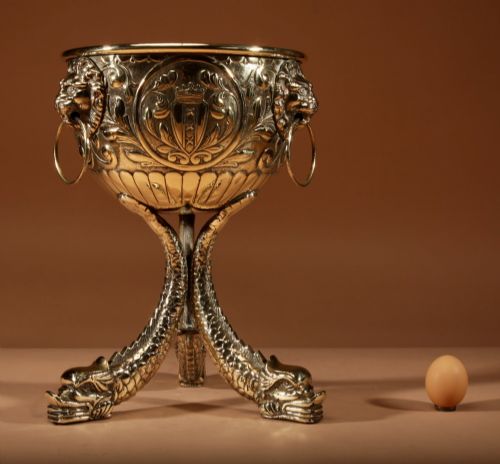


Antique Wine Holder
When you search for an antique wine holder, you uncover silver coasters, copper buckets, and mahogany caddies designed to serve the table.
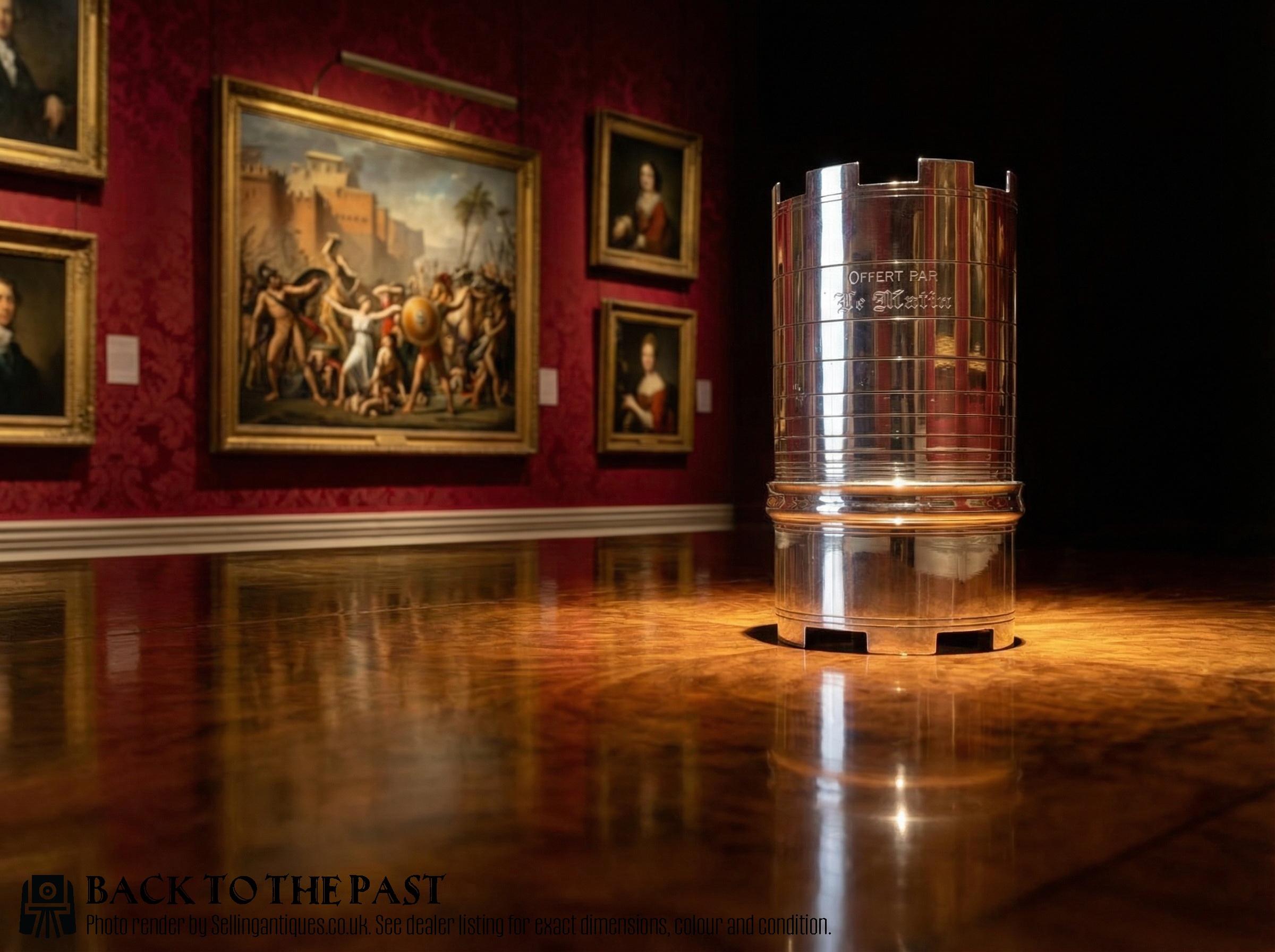
Antique Wine Holder
An antique wine holder encompasses a varied selection of table accessories, ranging from single bottle coasters to multi-bottle carriers and larger coolers. The selection draws on pieces produced across the Georgian, Victorian, and Edwardian eras, alongside later twentieth-century iterations.
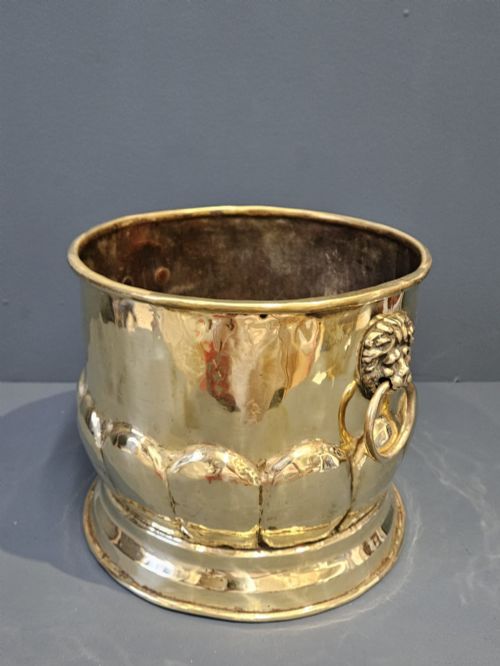
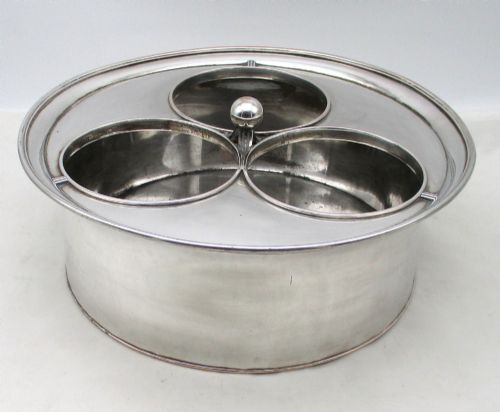
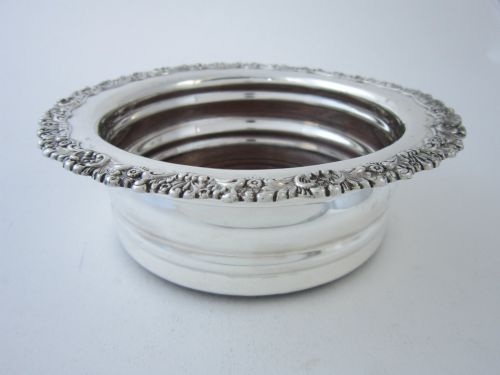
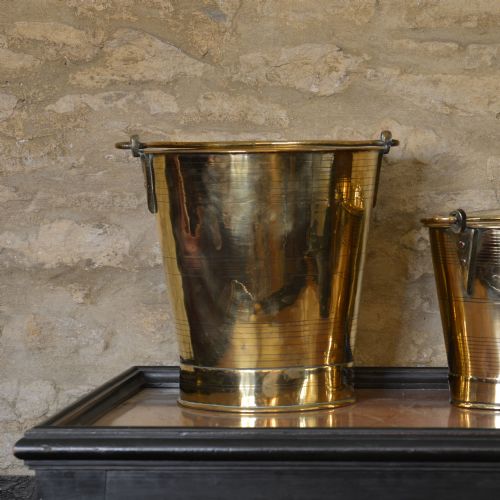
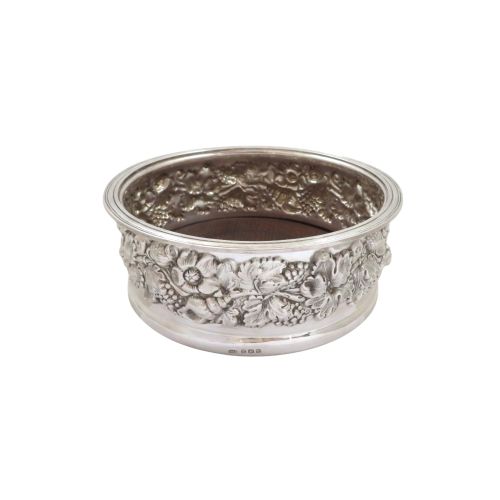
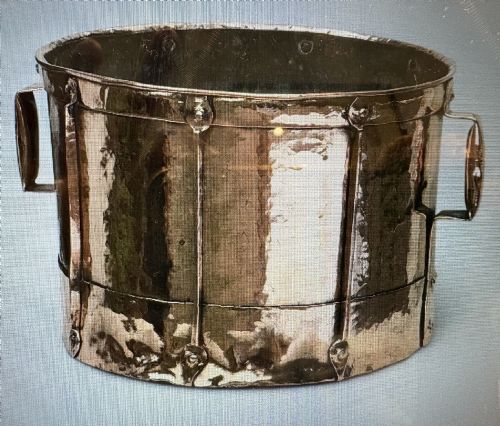
Buyers frequently encounter individual silver-plated coasters designed to protect mahogany dining tables from condensation rings, alongside more robust copper and brass buckets. These functional vessels reflect the changing dining rituals of nineteenth and early twentieth-century households.
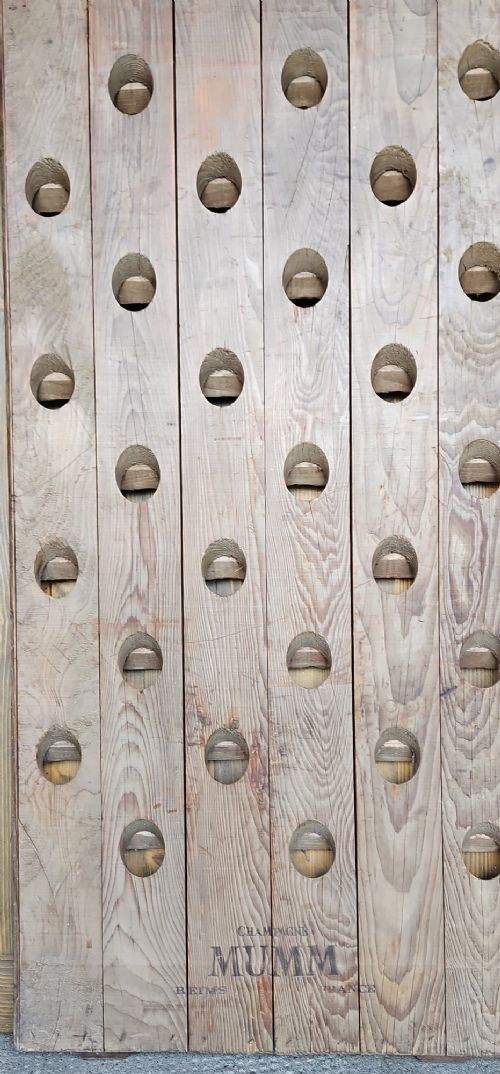
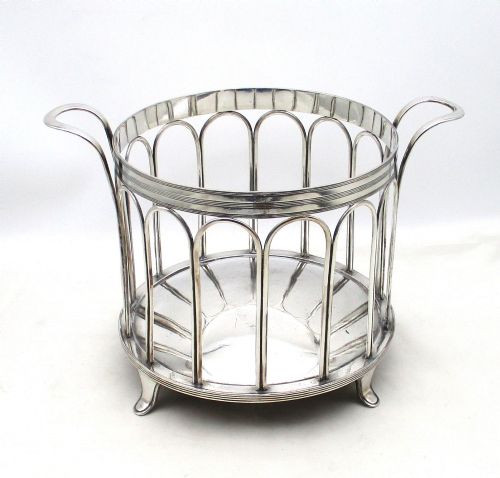
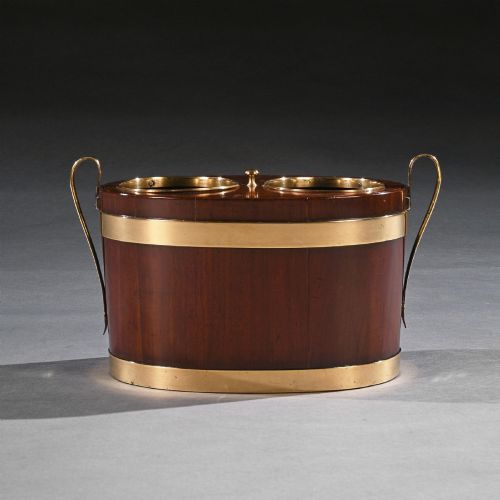
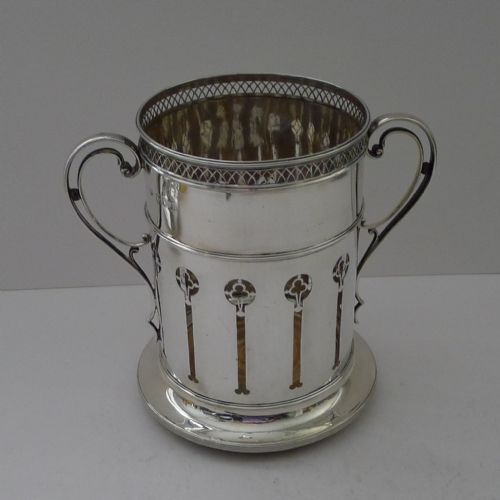
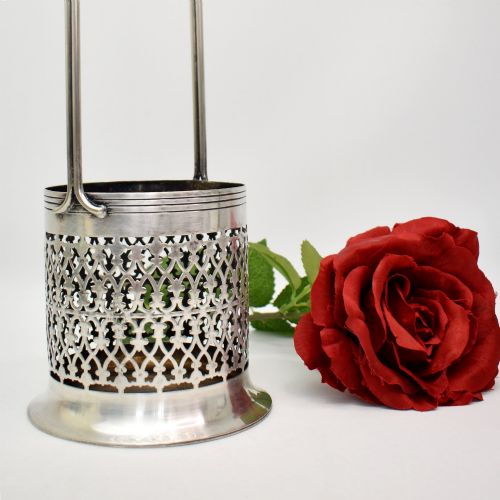
Formations vary from simple cylindrical sleeves and pierced metal stands to coopered wooden buckets fitted with brass bands and liners. Each type serves the primary purpose of presenting wine and champagne correctly at the dining table.
Materials and Construction Techniques
The construction of these pieces relies heavily upon metals such as sterling silver, silver plate, brass, and copper, shaped through casting, piercing, and embossing. Old Sheffield plating techniques appear alongside later electroplated finishes on copper bases.
Wooden examples utilise mahogany, oak, and box tree, frequently featuring traditional coopered stave construction secured by brass hoops. Ormolu mounts and turned wooden elements add decorative and structural detail to these table stands.
Materials span sterling silver, silver plate, brass, copper, mahogany, oak, and wood across Georgian, Victorian, Edwardian, and Regency periods.
Distinctions in Quality and Make
Quality separates pieces through the crispness of cast decoration, the weight of the metal utilised, and the integrity of wooden joinery. Superior silver and silver-plated items display clear hallmarks and finely pierced galleries without distortion.
In wooden and metal combination pieces, the snugness of the fit between the brass bands and the timber staves indicates higher standards of craftsmanship. Maker marks from established silversmiths further distinguish finer examples from unmarked commercial wares.
Brook & Son·Christofle·George Bowen & Sons·Asprey & Co·Mappin & Webb·Barnards·Robert Garrard·William Allen·James Dixon·Elkington & Co·Rupert Favell & Co·The Alexander Clark Co
The Antique Wine Holder Glossary
- Coaster
- A small stand or tray designed to hold a wine bottle and protect the dining table surface. These often feature felt-lined bases and pierced metal walls.
- Cellaret
- A lockable container or stand used for holding wine bottles near the dining table. They frequently appear in mahogany with brass banding.
- Old Sheffield Plate
- A composite material formed by fusing a sheet of silver to a copper ingot. This technique was widely employed before the invention of electroplating.
- Coopered
- Built using wooden staves joined together side by side and bound by metal hoops, similar to barrel construction. This method is common in wooden buckets and wine bins.
- Jardiniere
- An ornamental pot or stand used to hold plants or flowers, which often doubles in form as a large wine or champagne cooler.
Antique Wine Holder: Frequently Asked Questions
What is an antique wine holder used for?
These vessels were created to hold bottles of wine, port, or champagne during dining, either on the table or close to hand. They kept the bottles stable and protected polished dining furniture from spills and condensation.
Today, collectors utilise them for their original purpose or as decorative interior accents for holding floral arrangements and other household items.
How do I clean silver plated wine holders?
Cleaning silver plate requires a gentle silver polish applied with a soft cloth to avoid wearing through the thin silver layer to the base metal. Regular, careful wiping maintains the lustre without harming historical patination.
Harsh abrasive dips should be avoided, particularly on antique pieces with chased or embossed detailing where the plating may be thinner.
How can I tell the period of a wine coaster?
Dating relies upon examining maker marks, hallmarks, construction methods, and prevailing decorative styles such as Art Nouveau or Georgian neoclassical motifs. Silver items often carry date letters and duty marks that pinpoint the exact year of assay.
Wooden and copper pieces require stylistic analysis of the handles, banding, and joinery techniques to establish an approximate date of manufacture.
Are antique wine holders waterproof?
Many metal and silver-plated holders retain their original watertight integrity, but wooden coopered buckets may require interior liners to hold ice and water safely. Older linings made of metal or modern substitutes protect the dry timber staves from warping.
Testing a wooden piece with water before use ensures that shrinkage gaps in the staves do not cause leaks.