

Silver Plate Champagne Bucket
A silver plate champagne bucket brings weight and gleam to a table, serving chilled wine while holding the history of formal dining.
Silver Plate Champagne Bucket
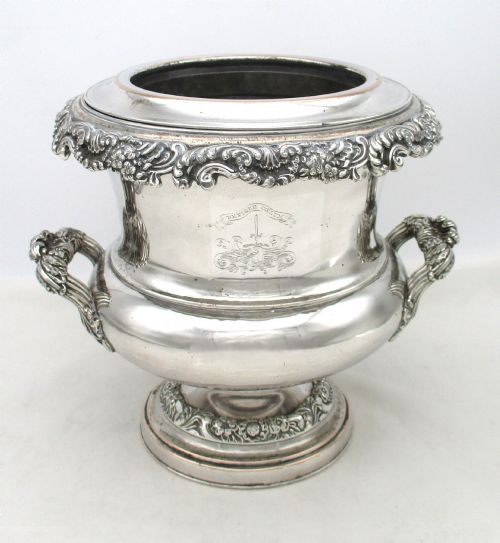
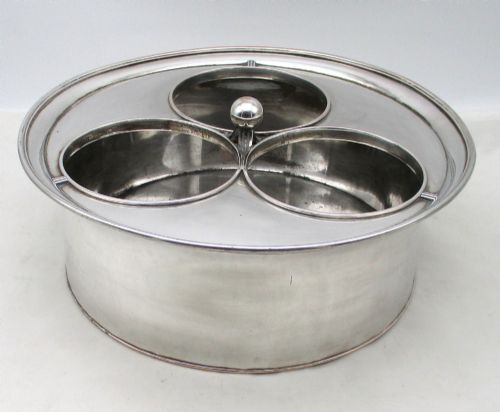
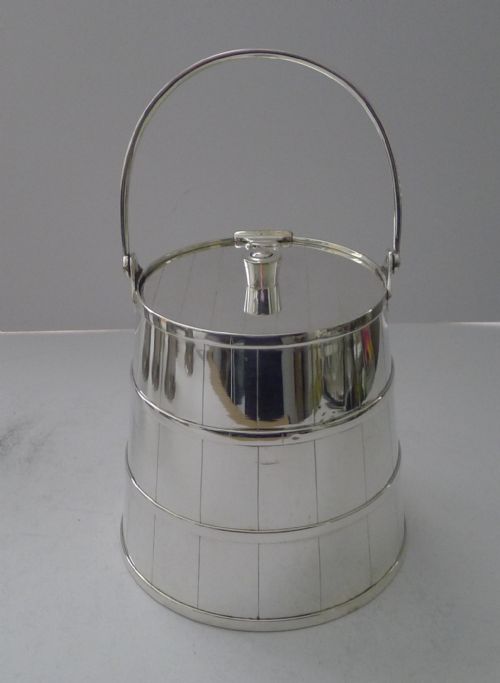
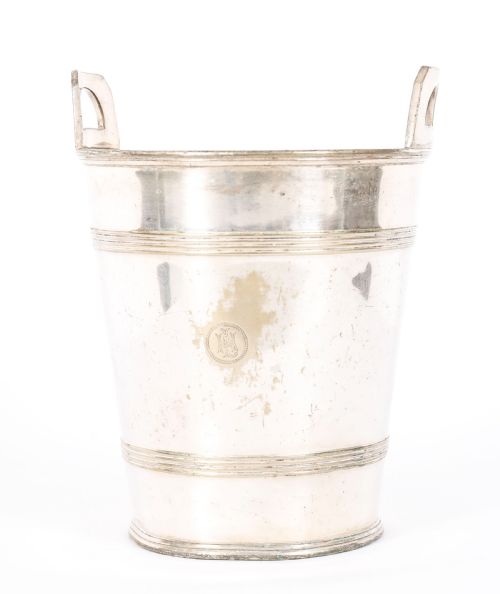
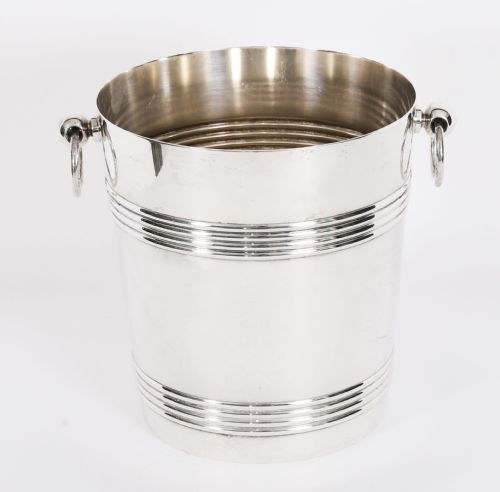
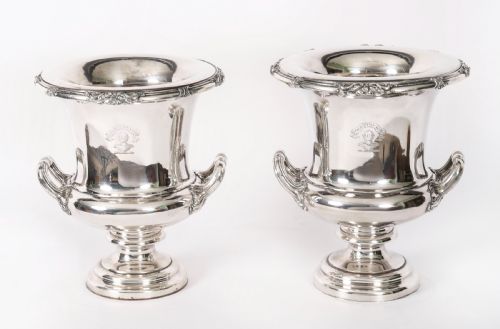
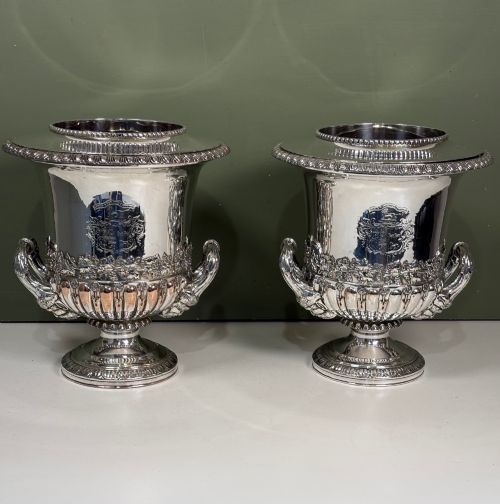
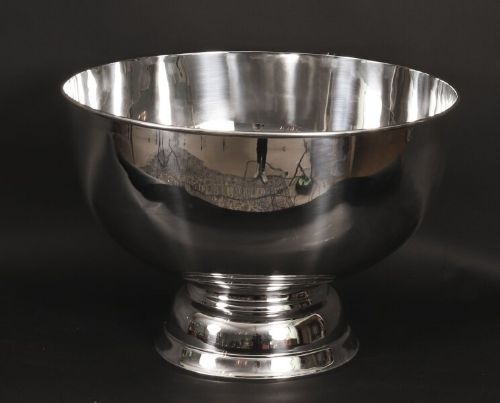
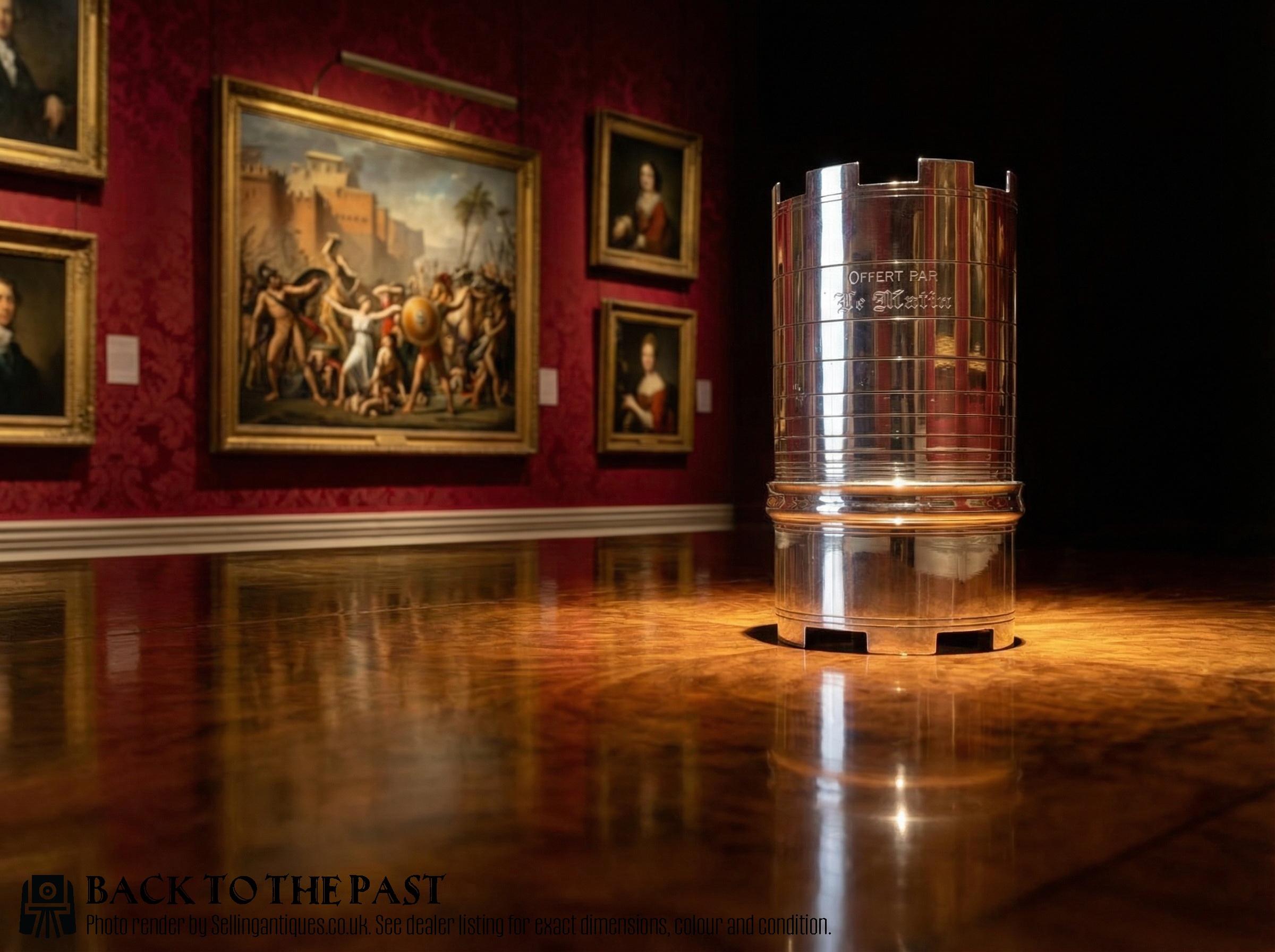
A silver plate champagne bucket encompasses vessel forms designed for chilling wine and holding ice, appearing across periods from the eighteenth century into the mid twentieth century. Buyers encounter traditional wine coolers alongside domestic ice pails and large champagne vessels suited for magnum bottles.
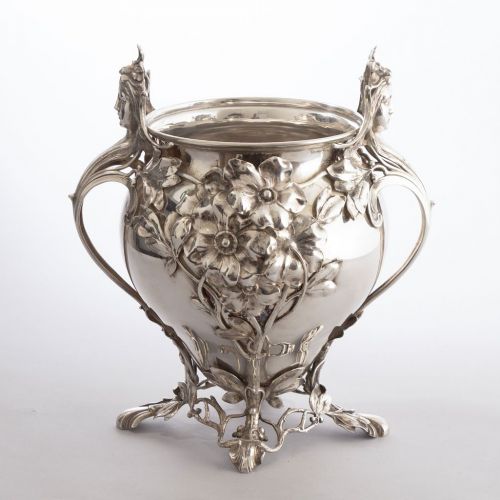
Originating largely from British and French workshops, these pieces take the form of twin handled coolers, floor standing vessels, and novelty ice buckets. The selection spans styles from Georgian and Victorian revivalism through Art Deco geometry and Mid Century Modern design.
How They Were Made
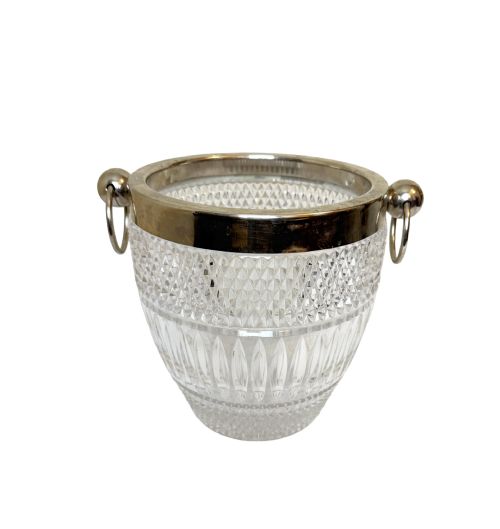
Manufacturers built these vessels using base metals, copper, and silver on copper, applying fusion techniques seen in Old Sheffield plate or electroplating methods onto metal alloys. Lead crystal inserts and glass liners occasionally complement the metal body.
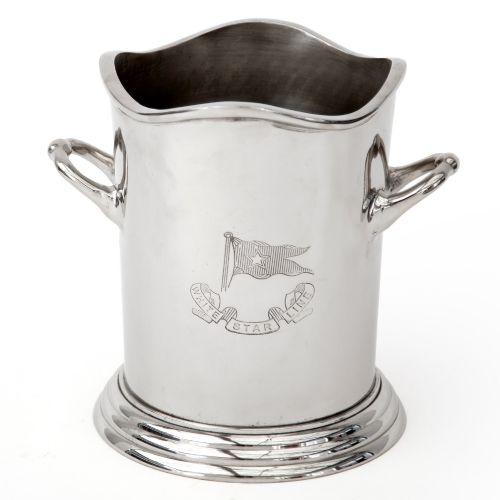
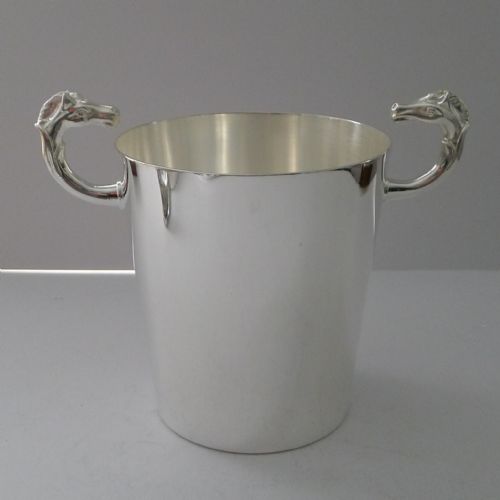
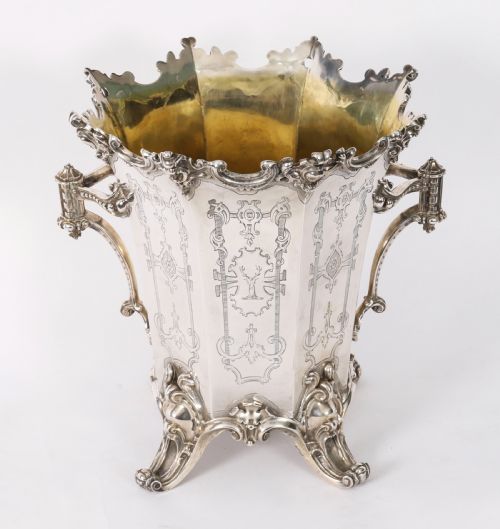
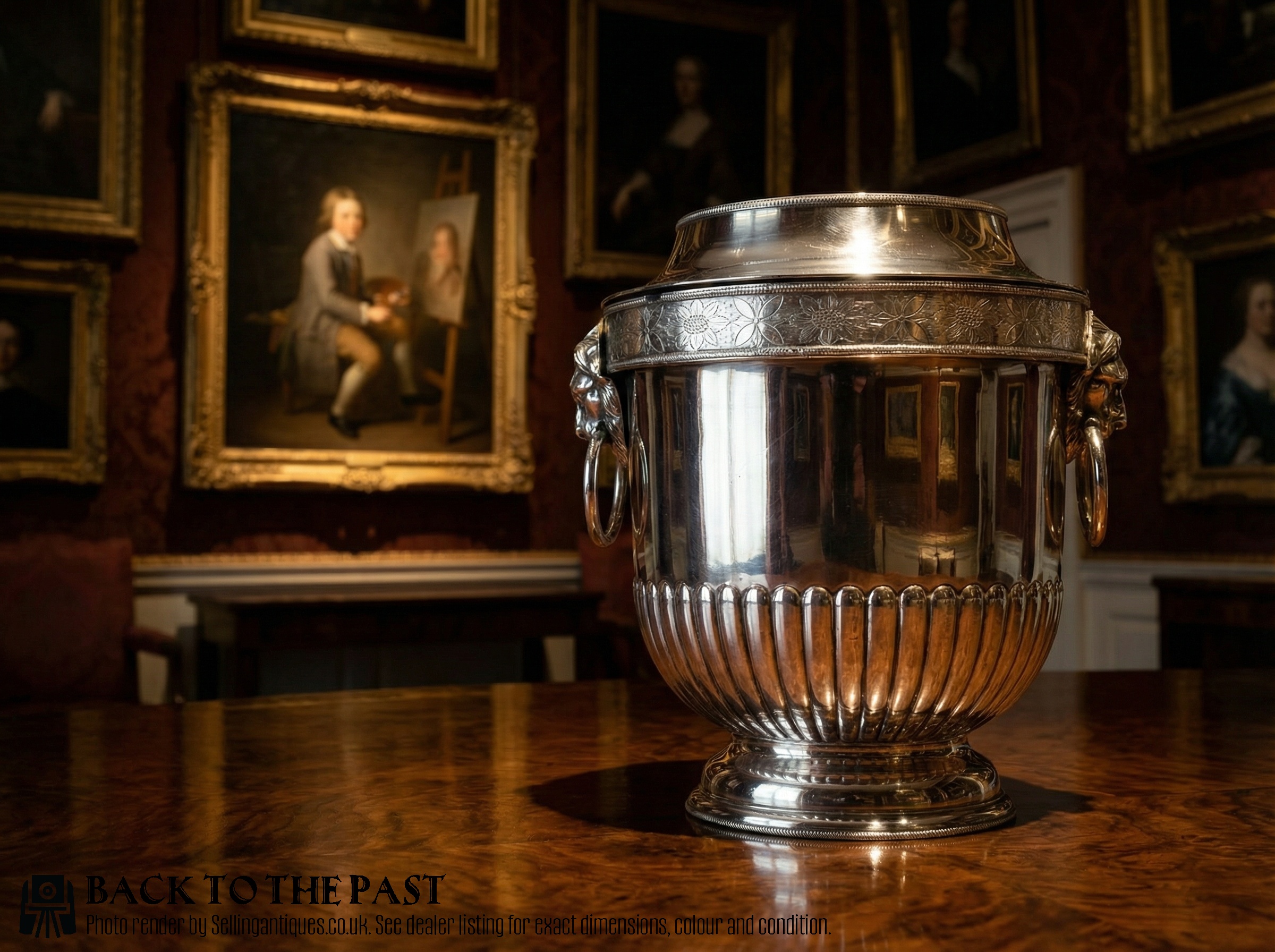
Surface decoration relies on heavy embossing, cast handles shaped as lions, horses, or tendrils, and engraved coats of arms or crests. Artisans finished the exteriors through polishing, silver plating, and sometimes hammering or texturing the metal surface.
Listings feature items spanning the eighteenth century through the nineteen sixties, incorporating Old Sheffield plate, base metal, lead crystal, and silver plate.
What Varies in Quality
The distinction between standard production items and finer examples rests on the weight of the metal base and the thickness of the silver layer applied. Substantial gauge metal prevents denting and maintains thermal properties during use.
Maker attribution and the crispness of cast decorative details, such as heraldic crests or sculptural handles, separate ordinary domestic ware from masterworks produced by renowned makers.
Hutton Sheffield·Christofle·Elkington, Mason and Co·WMF·Mappin and Webb·Barker Ellis·Ercuis·Puiforcat
The Silver Plate Champagne Bucket Glossary
- Old Sheffield Plate
- A fused composite material made by melting a thin sheet of silver onto a thicker copper core, creating a layered metal sheet used before electroplating.
- Electroplate
- A method of depositing a coating of silver onto a base metal object using an electrical current, widely adopted in the nineteenth century.
- Magnum
- A larger bottle format requiring specially proportioned coolers with increased capacity and wider rims.
- Gallia
- A proprietary metal alloy developed by Christofle used as a base for silver plating, allowing for sharp cast ornamentation.
Silver Plate Champagne Bucket: Frequently Asked Questions
How do I clean a silver plate champagne bucket?
Wash the vessel in warm soapy water using a soft cloth, avoiding abrasive sponges that scratch the plated surface. Dry thoroughly with a lint free cloth to prevent water spots.
Apply a specialist silver polish sparingly only when tarnishing obscures the metal. Buff gently to maintain the protective plating layer over the base metal.
How do I distinguish Old Sheffield Plate from later electroplate?
Examine the edges and wear points of the metal to locate copper showing through the thin silver layer. Old Sheffield plate displays a sandwich effect where the copper core appears between silver faces.
Electroplated items show a uniform silver layer over a base metal such as brass or nickel silver. Maker marks and manufacturing stamps often help confirm the plating technique used.
What is the difference between a wine cooler and a champagne bucket?
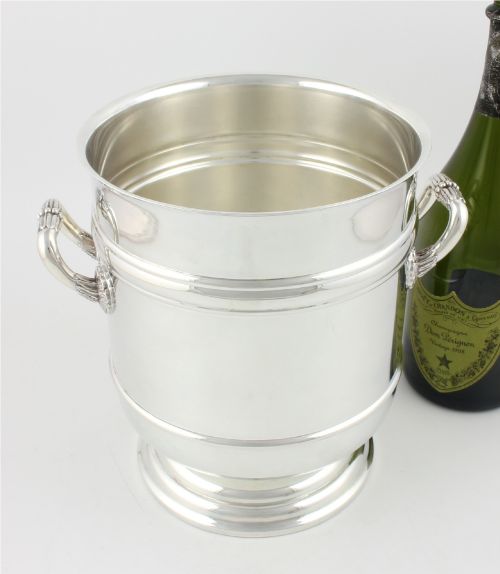
Wine coolers often feature heavier construction with dedicated ring handles and were traditionally designed to sit on sideboards or floor stands. Champagne buckets typically offer deeper proportions to accommodate taller bottles and ice.
Many nineteenth and twentieth century pieces served both functions interchangeably depending on the formality of the dining setting.