

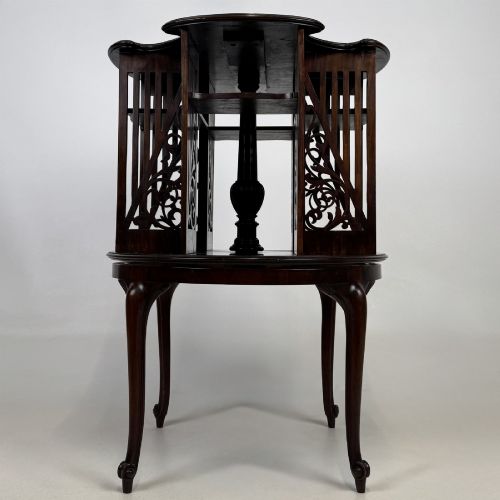
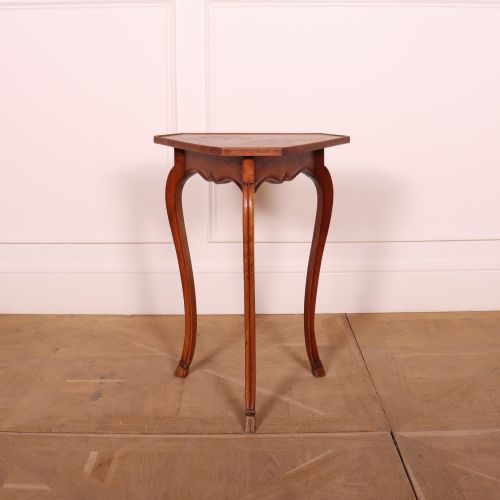
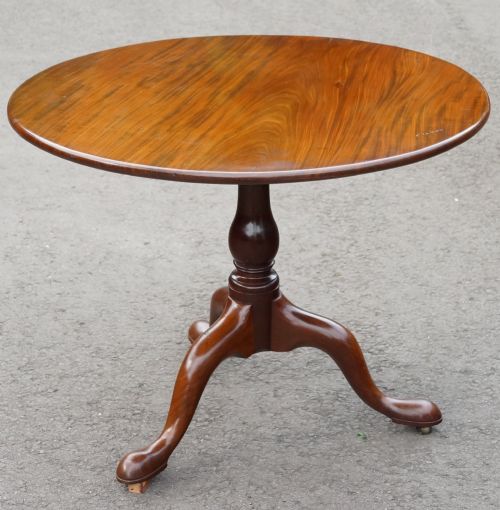
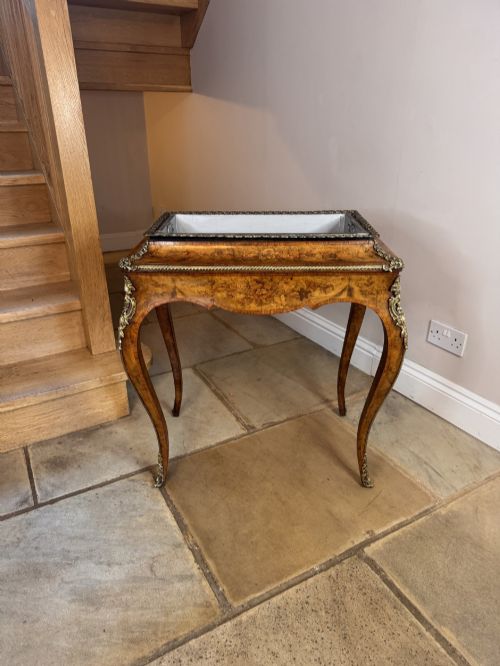
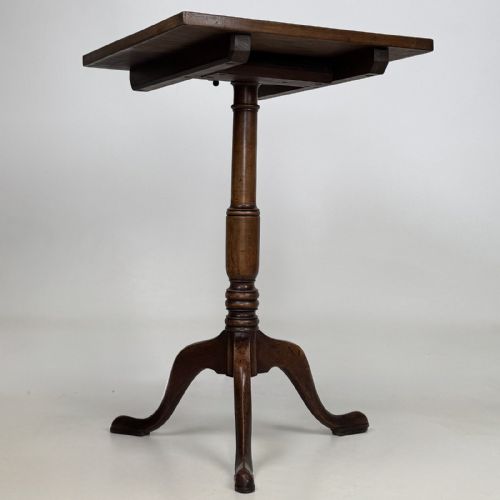
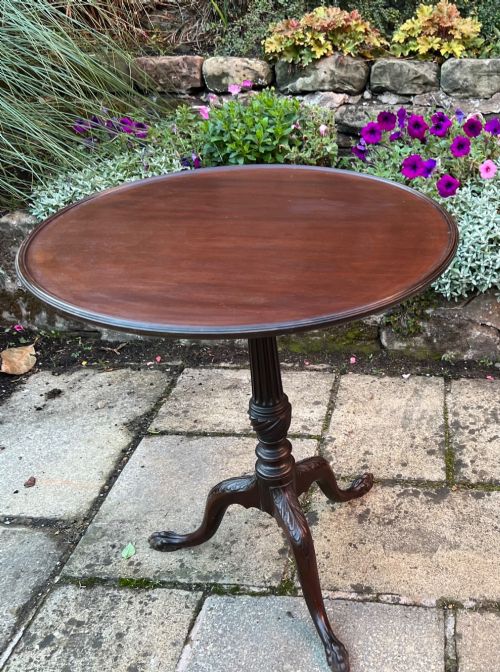

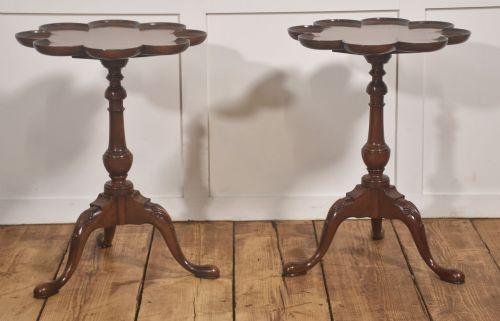
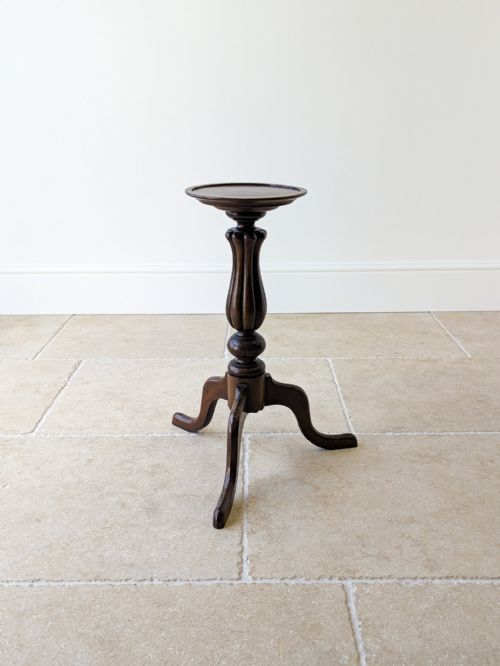
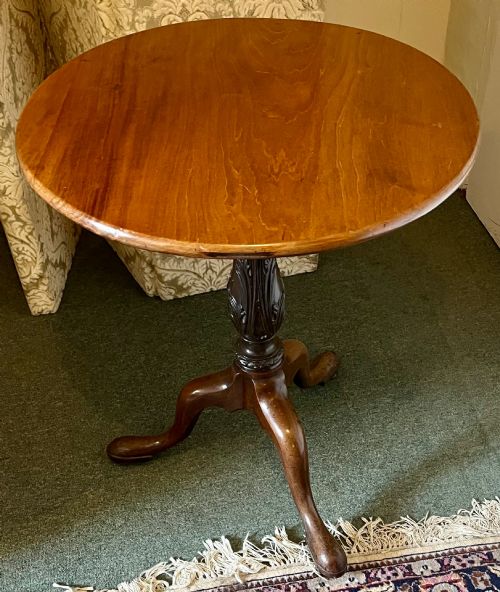
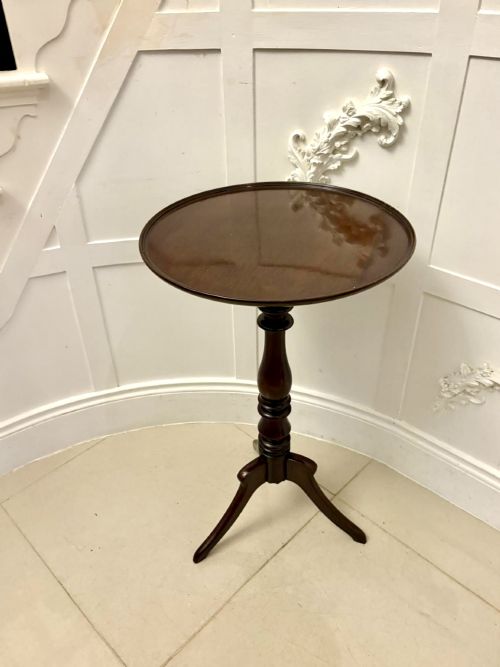
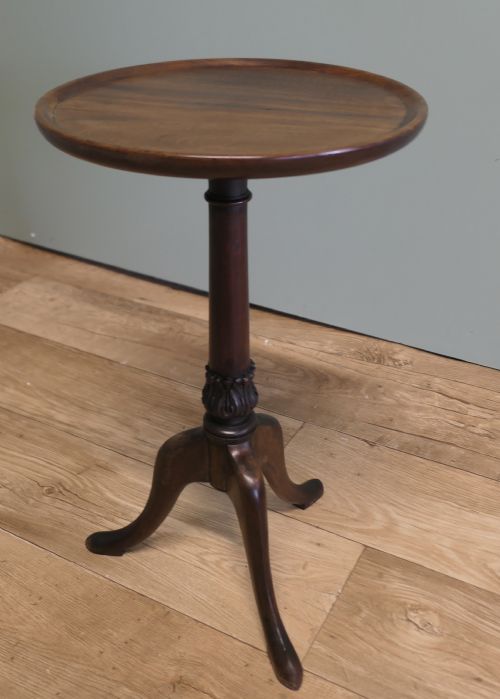
Cabriole Leg Stand
A cabriole leg stand supports your display items on graceful curved wooden supports that define classic period furniture.
Cabriole Leg Stand
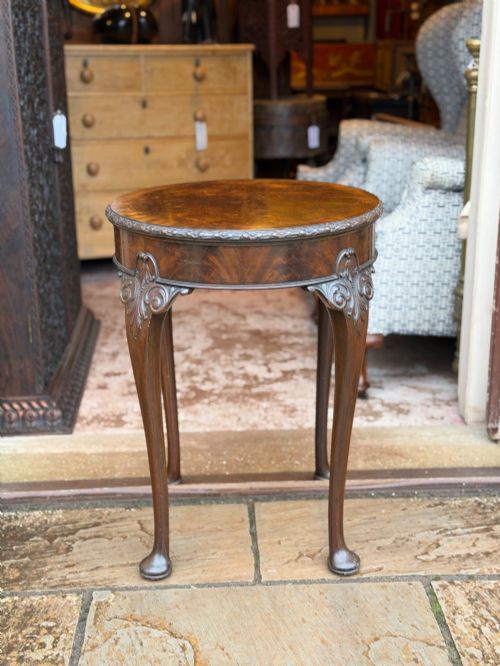
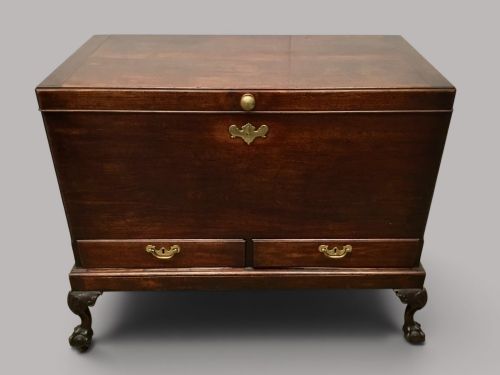
A cabriole leg stand brings together diverse furniture forms united by signature curved legs, spanning compact wine tables and substantial chests on stands. You encounter pieces ranging from Georgian oak and walnut designs to Edwardian mahogany examples and Victorian variants.
The selection encompasses occasional tables, side tables, and specialised chests on stands that elevate storage furniture off the floor. Georgian and 18th-century pieces sit alongside Edwardian revivals, showing how makers returned to these curved lines across multiple centuries.
What varies in quality
The standard of a cabriole leg stand rests on the fluidity of the leg curvature and the selection of timber figure, particularly in burr walnut and mahogany pieces. Superior examples show careful proportion in the knee and foot, whereas simpler items rely on plain stock timber without distinct figuring.
Cabriole Leg Stand Retail Price Guide 2026
Typical asking prices for cabriole leg stand among the pieces listed under this phrase on Sellingantiques today, from the lower quarter to the upper quarter. They describe what is for sale here now, not the wider market.
Some wine tables arrive with detachable tops, ready for instant dismantling when the port has finished circulating.
The Cabriole Leg Stand Glossary
- Cabriole leg
- A furniture leg that curves outward at the knee and tapers inward to the foot, mimicking animal limbs. This form became prominent during the early 18th century and returned in later revival periods.
- Chest on stand
- A two-part storage piece consisting of a chest of drawers or bureau seated upon a separate supporting frame. The lower stand typically incorporates cabriole legs.
- Tripod table
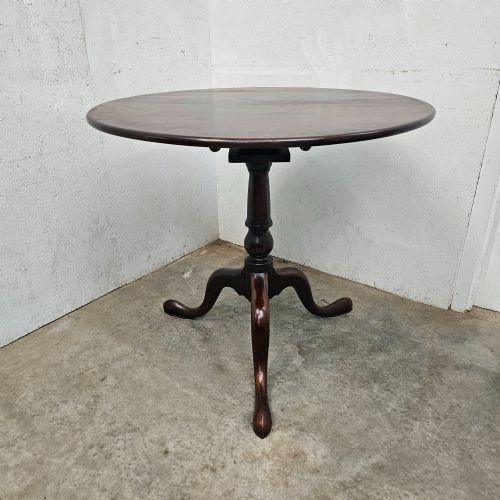
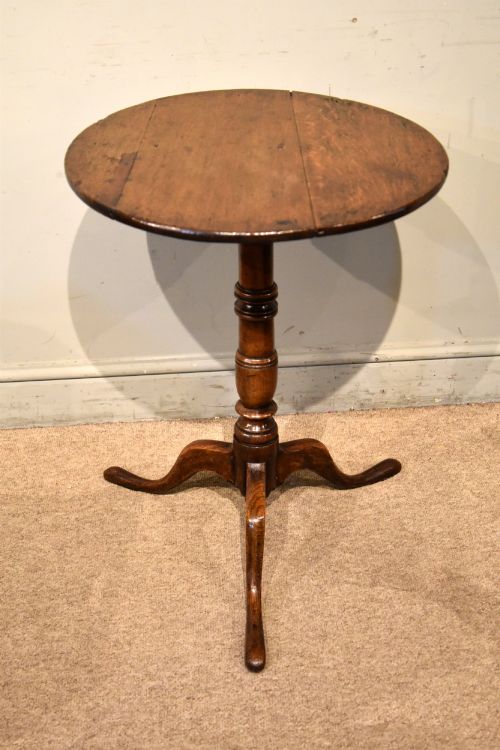
- A small occasional table supported by a central pillar resting on three legs. Many examples feature tilt mechanisms to fold the top flat when not in use.
- Burr walnut veneer
- Thin slices of decorative wood cut from walnut tree growths, producing swirling grain patterns. Makers applied these veneers to highlight the surfaces of fine cabinets and desks.
Cabriole Leg Stand: Frequently Asked Questions
What is a cabriole leg stand?
A cabriole leg stand is a piece of furniture raised on curved legs that swell at the knee and taper downward. These supports appear on small tables, bureaus, and chests.
Such items serve both practical and decorative functions in period interiors. They lift storage and display surfaces off the floor while introducing sculptural wooden lines.
How do I date an 18th century stand?
Dating relies on timber choice, construction methods, and hardware styles associated with Georgian and 18th-century workshops. Oak and walnut typify early pieces, while later revivals use different secondary woods.
Examining drawer linings, joinery, and the exact profile of the cabriole leg helps determine whether a piece is original Georgian or a later revival.
Where should I place a wine table?
Wine tables work well beside seating areas as compact surfaces for drinks or small decorative objects. Their small footprints suit corners and tight spaces.
Many period wine tables feature tilt tops, allowing you to store them flat against a wall when floor space is needed.
How do I care for walnut veneer?
Burr walnut veneer requires protection from direct sunlight and extreme humidity changes to prevent warping or cracking. Dusting with a dry cloth keeps the surface clean without moisture damage.
Avoid placing hot or wet items directly on antique wood surfaces to preserve the polished finish and delicate grain patterns.