
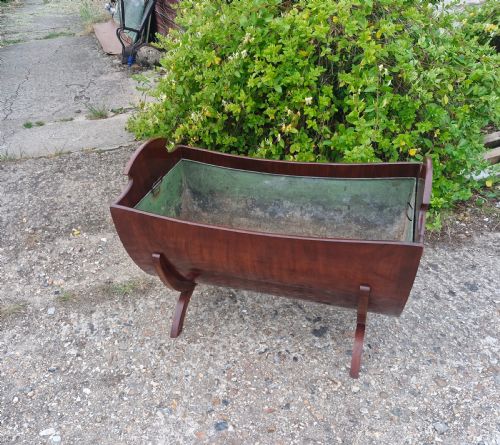
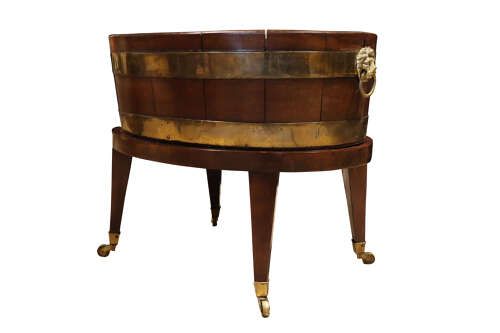


Mahogany Jardiniere Bucket
A mahogany jardiniere bucket is a timber vessel bound in metal, designed to hold plants or ice-cooled bottles, bringing period utility directly into a modern room.
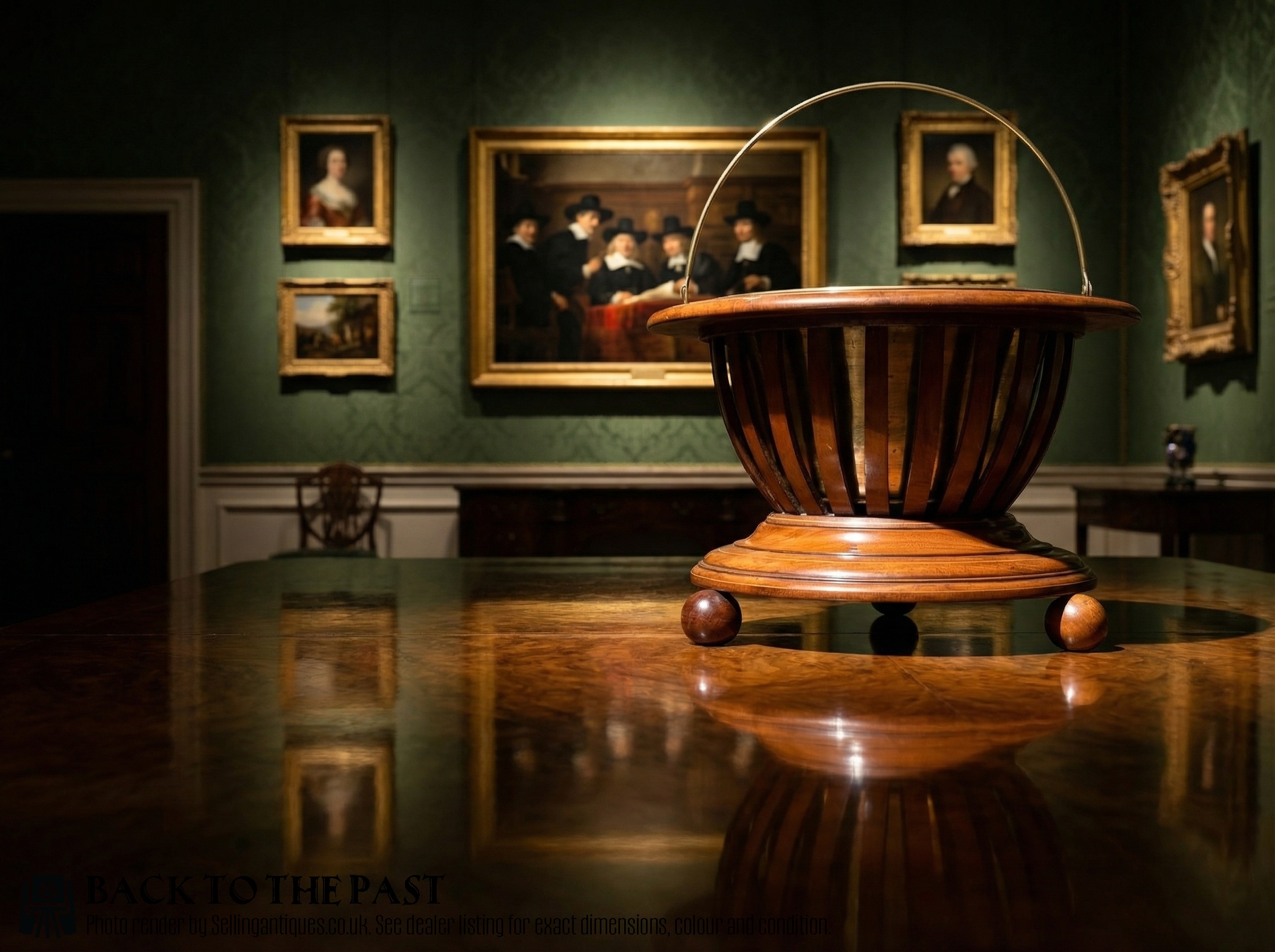
Mahogany Jardiniere Bucket
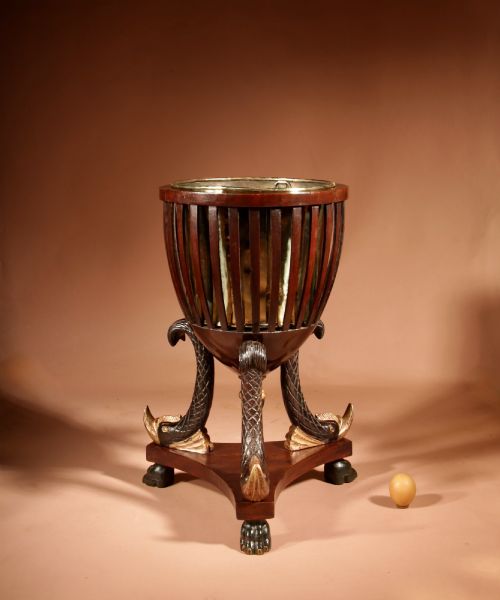
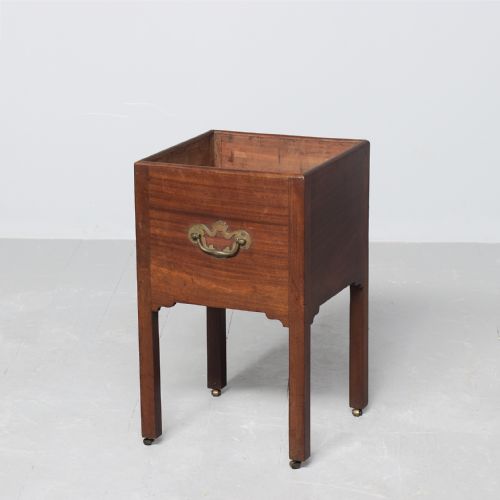
When you search for a mahogany jardiniere bucket, you encounter versatile vessels crossing paths with wine coolers, cellarettes, and tea stoves from Georgian, Regency, and nineteenth-century periods. These cylindrical or boat-shaped containers serve multiple domestic roles, functioning equally well as plant stands, log baskets, or champagne coolers.
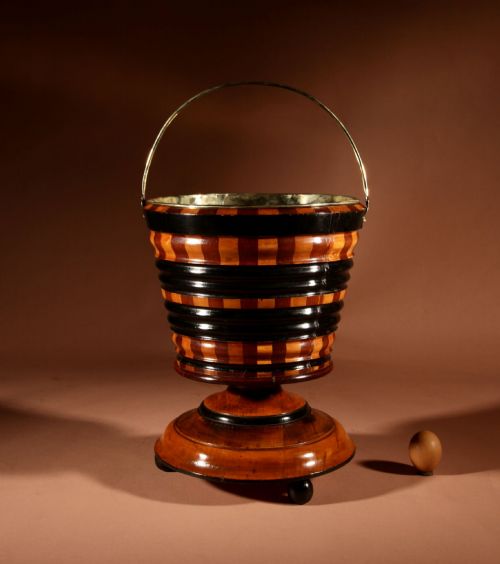
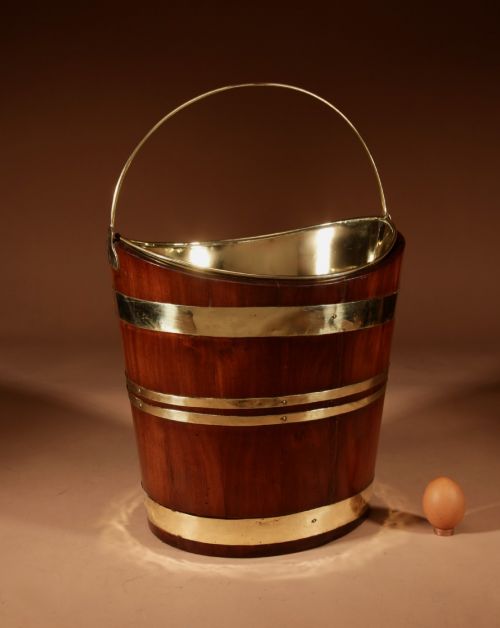
The version you are most likely to meet on this page is a coopered mahogany bucket encircled by brass bands, often dating from the nineteenth century or bearing Georgian Revival styling. Many examples arrive on distinct stands or feature inlaid boxwood and satinwood details, reflecting diverse origins from British country houses to Dutch traditions.
How they were made
Craftsmen built these buckets using traditional cooperage techniques, joining individual staves of mahogany, walnut, or ebonised wood to form watertight or sturdy cylindrical bodies. The resulting timber shells are strengthened and decorated with fitted brass bands, handles, and liners.
Surface decoration frequently includes boxwood and satinwood inlay, enhancing the rich grain of the primary timbers. Some pieces incorporate metal inserts or linings to accommodate damp plants, peat, or melting ice without damaging the structural wood.
What varies in quality
The distinction between ordinary and exceptional pieces rests upon the precision of the cooperage and the crispness of the brass fittings. Superior examples display tight, seamless stave joints and heavy, well-cast brass bands that integrate harmoniously with the timber.
Design complexity also elevates certain pieces, such as those featuring delicate boxwood inlay, boat-shaped Schuitje profiles, or matching original stands. The integrity of the secondary woods and the retention of original surface patination further separate standard utilitarian items from finer decorative works.
The Mahogany Jardiniere Bucket Glossary
- Coopered
- Constructed from curved wooden staves joined side by side and bound with metal hoops, much like a traditional barrel. This method provides robust structural integrity for vessels holding weight.
- Cellarette
- A lockable container used for storing wine bottles near the dining table. Many pieces share this form with jardiniere buckets.
- Schuitje
- A boat-shaped vessel style often seen in Dutch peat buckets and planters. The curved profile tapers gracefully toward each end.
- Tea Stove
- A small portable hearth or container historically used to keep tea warm or burn peat. These objects frequently share forms with decorative buckets.
- Jardiniere
- An ornamental pot or stand designed to hold growing plants or floral arrangements. They appear across various nineteenth-century and Georgian domestic settings.
Mahogany Jardiniere Bucket: Frequently Asked Questions
What were mahogany jardiniere buckets used for?
These versatile vessels served multiple domestic functions across the Georgian and nineteenth-century periods. They acted as wine coolers, cellarettes for bottled spirits, tea stove containers, and decorative planters for the home.
Over time, owners adapted them to suit changing household needs, shifting easily from holding fuel like peat or logs to housing indoor plants and floral displays.
How do I tell a Georgian piece from later revivals?
Examining the timber construction, patination, and hand-forged or cast brass details helps distinguish original Georgian pieces from later nineteenth-century or Georgian Revival interpretations. Earlier pieces often display deeper timber maturity and simpler, robust joinery.
Later revival examples frequently incorporate decorative inlay, ebonised elements, or standardised brass fittings characteristic of the late nineteenth and early twentieth centuries.
Can I use an antique bucket for real plants?
Many of these buckets feature metal liners or were originally constructed to hold damp contents like peat, ice, or wine bottles. Using a modern inner pot helps protect the historic timber from moisture damage.
Checking the interior condition and ensuring any lining is secure allows you to safely display live plants without risking the surrounding wood.
Where should I place a jardiniere bucket at home?
These substantial vessels sit comfortably on the floor beside a fireplace as a log basket or stand independently as a striking plant holder in a hallway or living room. Their rich mahogany and brass materials complement both traditional and contemporary interiors.
Smaller miniature versions work well on side tables or stands, adding a touch of period craftsmanship to smaller surface areas.