
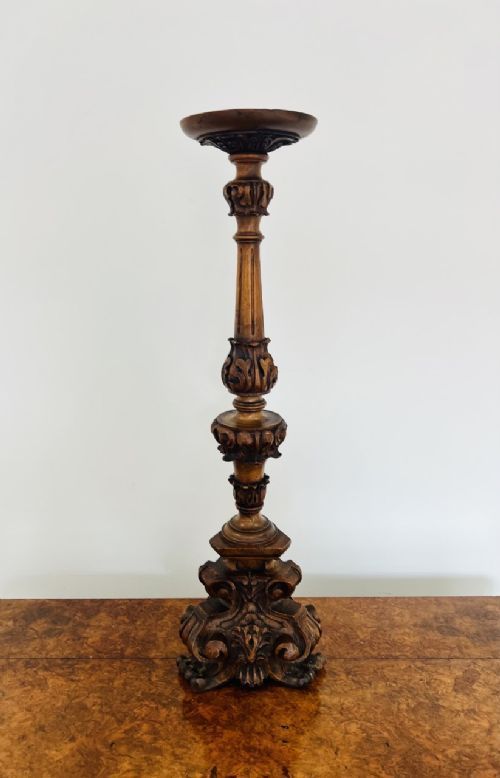

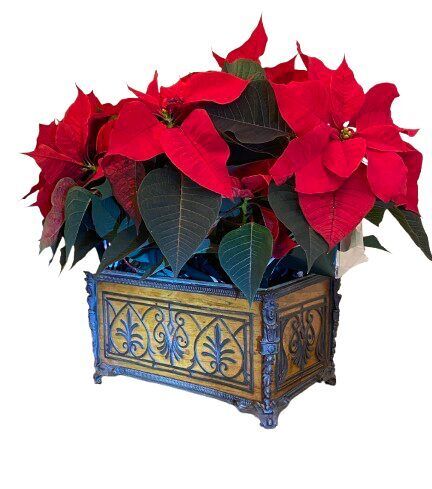


Wooden Plant Holder
A wooden plant holder brings structural elegance to interior greenery, combining traditional joinery with practical display.
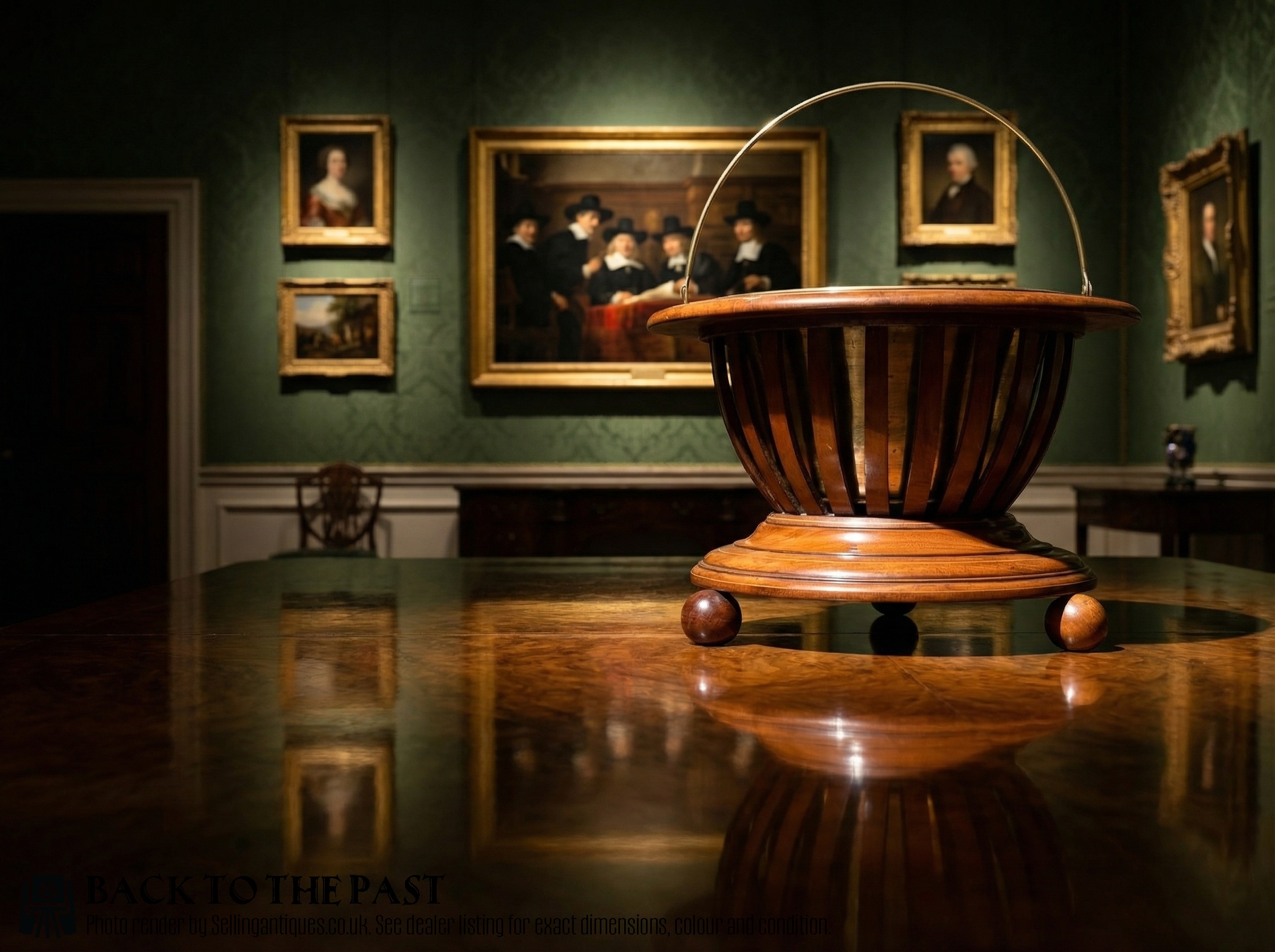
Wooden Plant Holder
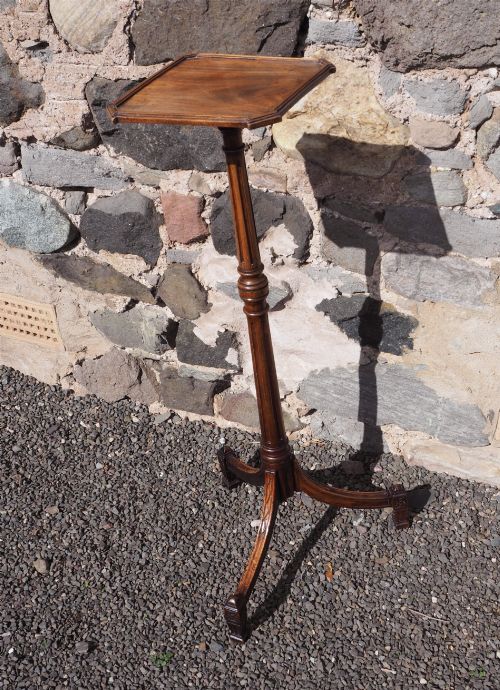
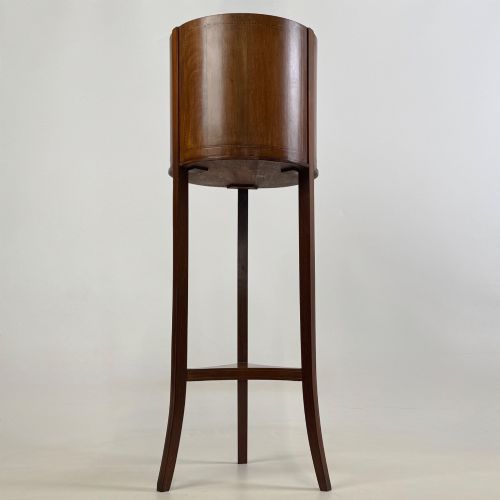
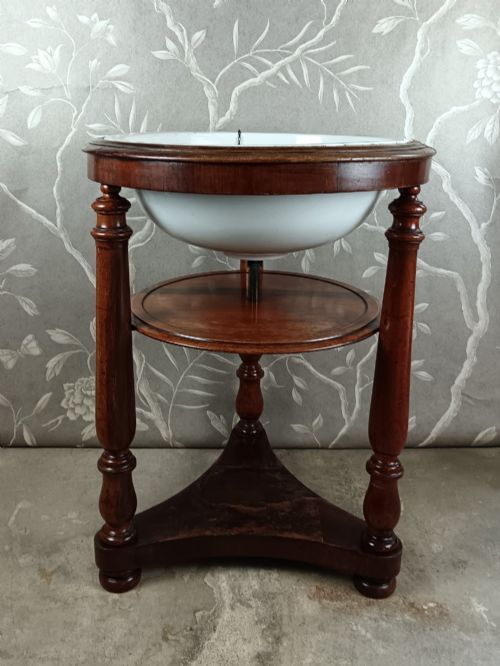
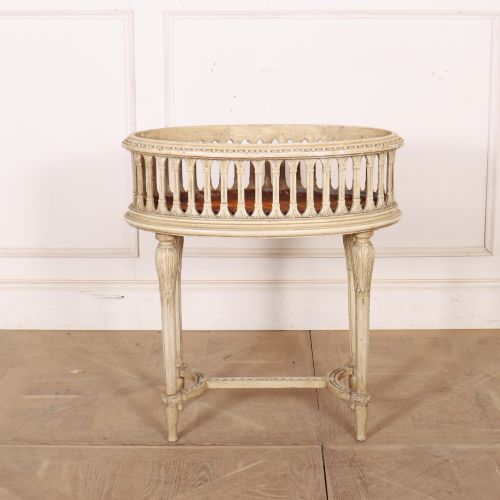
A wooden plant holder encompasses tall stands, floor-standing jardinieres, and smaller display pieces designed to elevate indoor flora. Pieces matching this wooden plant holder search phrase appear in various historical iterations, ranging from Georgian washstands and wig stands to Edwardian mahogany plant pedestals and 19th-century campaign forms.
Buyers most frequently encounter tall Edwardian and Victorian mahogany stands alongside coopered oak and burr walnut jardinieres. These objects combine utilitarian origins, such as washbowls and shaving stands, with decorative display purposes suited to period and traditional interiors.
Materials and Construction
Construction relies heavily on dense hardwoods such as mahogany, oak, walnut, and olive wood, frequently shaped through traditional joinery and coopered barrel techniques. Artisans utilised brass liners, ormolu mounts, and bronze accents to protect the timber from moisture while adding decorative contrast to the natural grain.
Surface treatments range from polished mahogany and inlaid details to painted finishes and carved barley twist supports. Metal fittings like brass bands provide structural integrity to coopered planters designed to house wet soil and plants.
Some sturdy oak planters began life as miniature barrels before finding a second career holding ferns.
Assessing Quality
Quality reveals itself through the selection of timber, the precision of the joinery, and the integration of decorative metal mounts. Superior examples display carefully matched wood veneers, such as burr walnut or kingwood, alongside robust framing that withstands the weight of damp earth.
The Wooden Plant Holder Glossary
- Jardiniere
- An ornamental pot or stand designed to hold flowers or plants. These pieces often feature metal liners to contain moisture.
- Torchere
- A tall, slender stand traditionally used to support a candle or lamp, frequently adapted for plant display. They are characterised by elongated columns and sturdy bases.
- Coopered
- Constructed using narrow staves of wood fitted together and bound by metal hoops, similar to barrel-making. This technique prevents wood splitting when exposed to damp conditions.
- Ormolu
- Gilded bronze mounts applied for decorative effect on furniture and plant holders. This technique was popular in French furniture styles.
- Campaign
- Portable furniture designed for easy dismantling and transport, typically reinforced with brass corners and handles. These pieces offer functional durability.
Wooden Plant Holder: Frequently Asked Questions
What is a wooden plant holder used for?
These pieces elevate indoor plants and floral displays to improve visibility and room aesthetics. Historically, many served alternative domestic functions before being utilised for botanical display.
They provide sturdy support for heavy pots while introducing natural wood textures into interior spaces.
How do I distinguish between periods?
Georgian and 18th-century pieces often display restrained mahogany craftsmanship with classical proportions and understated turned elements. Later Victorian and Edwardian examples introduce more ornate carving, inlay work, and diverse timber choices like burr walnut.
Examining internal construction methods and mount styles helps confirm the era of production.
Are these holders suitable for live plants?
Many historical jardinieres incorporate original metal liners or watertight inserts designed to protect the surrounding wood from moisture damage. Modern owners often use a nursery pot inside the holder with a protective tray.
Careful watering practices ensure the timber remains safe from prolonged dampness.
What distinguishes a torchere from a jardiniere?
A torchere is a tall, slender standing pedestal designed to hold a single elevated object like a plant or lamp. A jardiniere is specifically a planter or bowl meant to contain soil and multiple plantings.
Both fall under plant display furniture but serve different spatial roles.