


Antique Wood Urn Stand
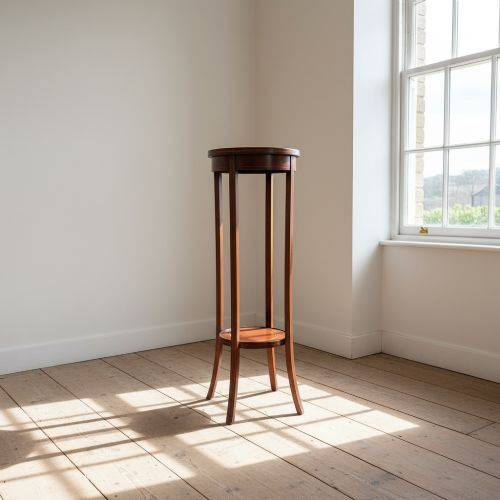
An antique wood urn stand elevates a prized vessel or decorative piece, and these sturdy small tables bring distinct historical craftsmanship to any corner.
Antique Wood Urn Stand
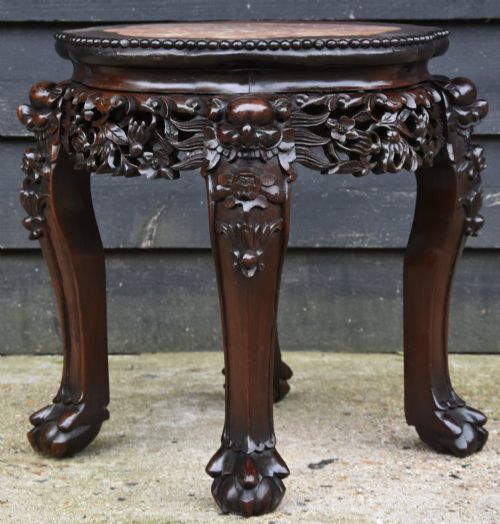
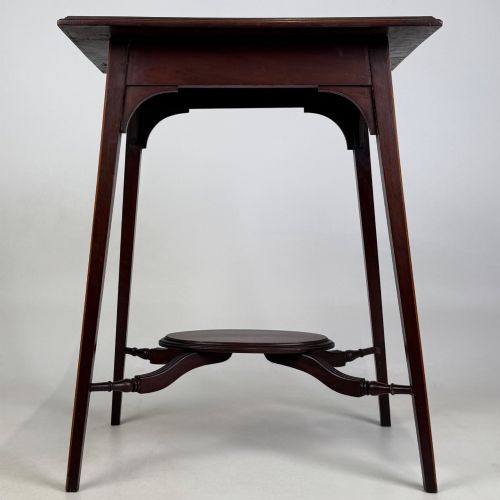
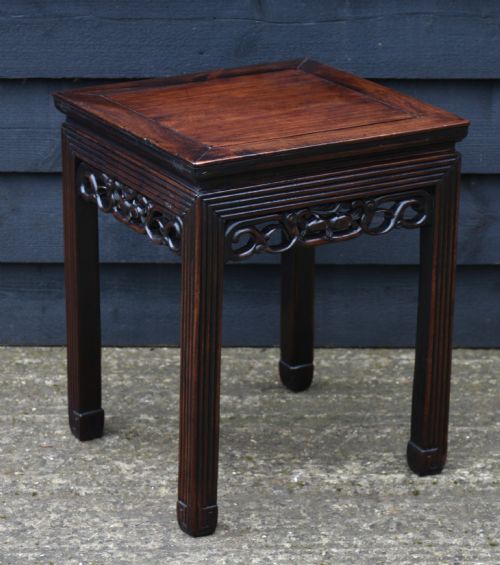
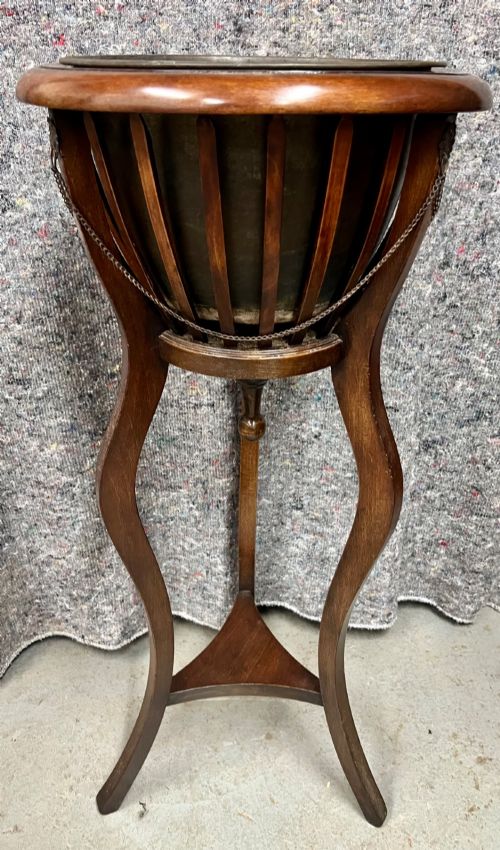
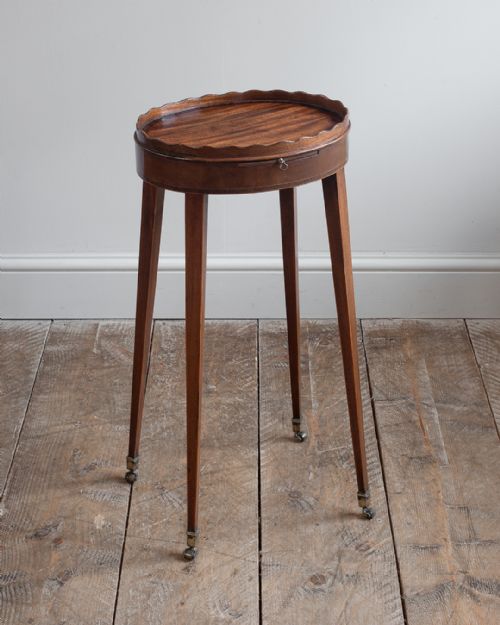
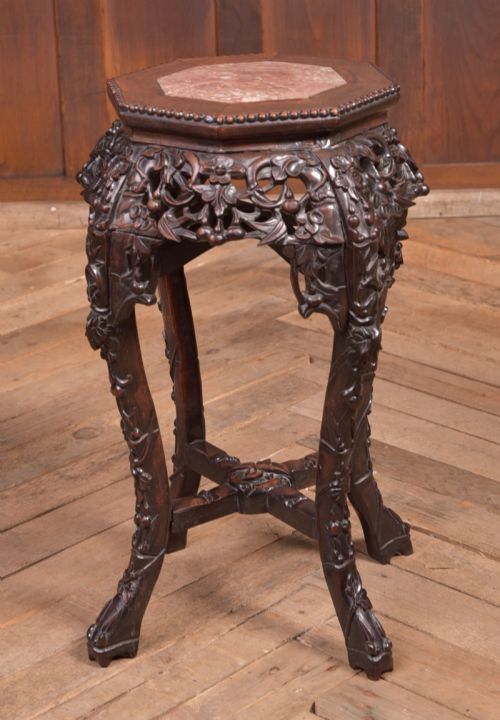
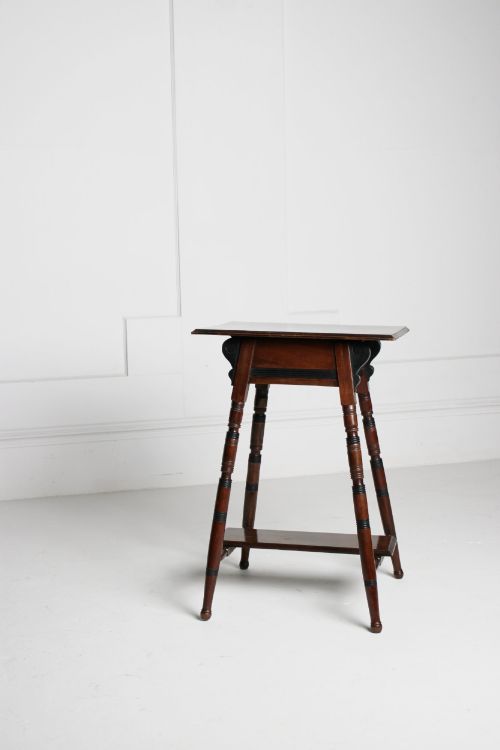
When you search for an antique wood urn stand, you encounter a specialised form designed to elevate vessels, plants, or decorative items. The pieces gathered here span from the Georgian period through the Victorian and Edwardian eras, incorporating Chinese export and Qing Dynasty examples alongside British craftsmanship.
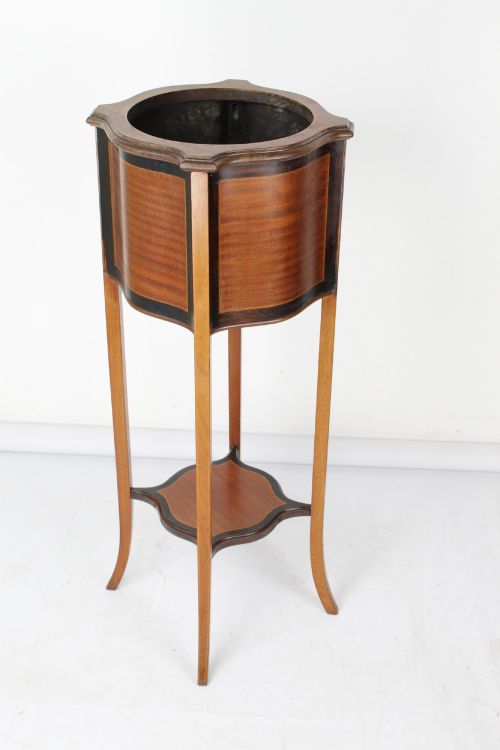
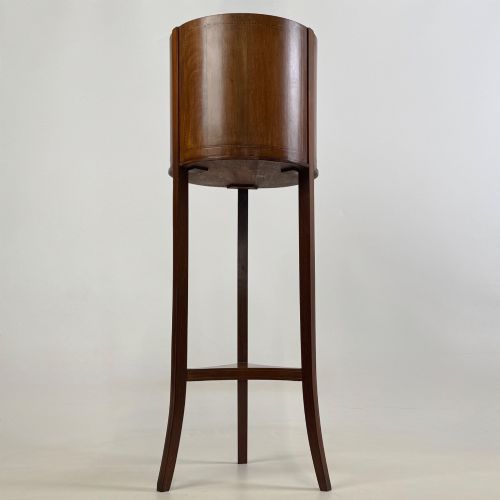
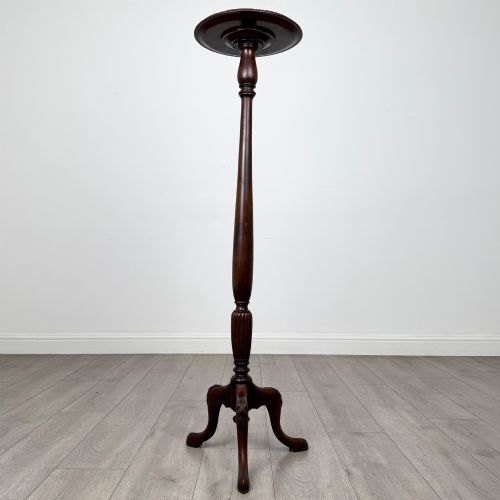
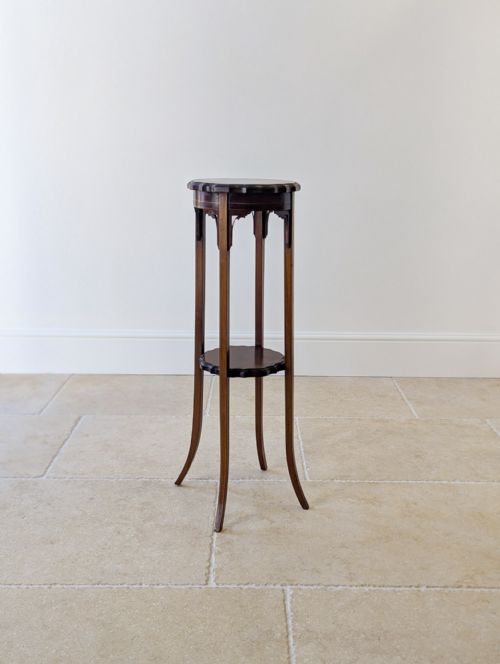
The most common formats on this page are plant stands, torchères, and occasional tables. These vary from tall, slender pedestals to low square tables designed to display a single object with prominence.
How They Were Made
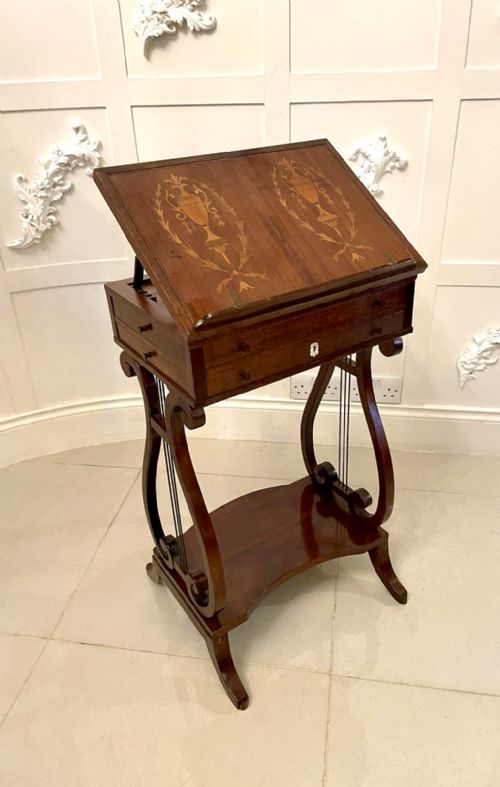
Cabinet makers utilised dense timbers such as mahogany, rosewood, walnut, and padouk to ensure stability for tall or heavily carved forms. Inlay work in satinwood and boxwood adds delicate linear contrast to Edwardian mahogany surfaces.
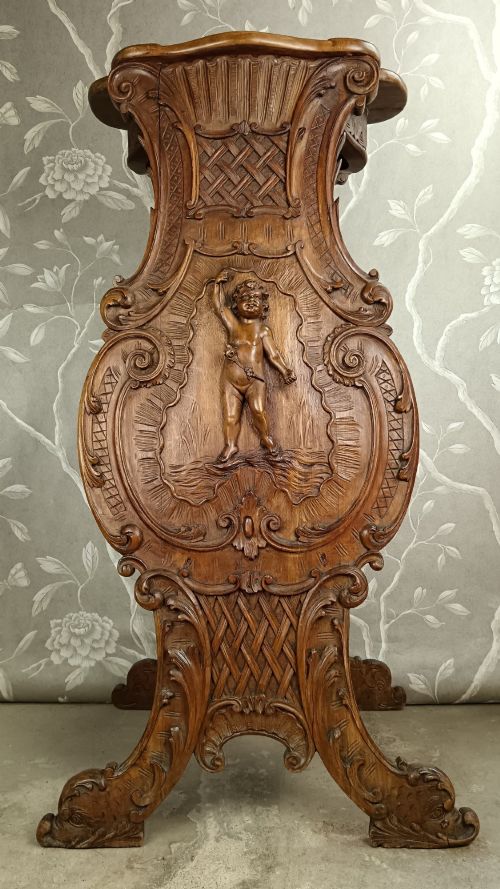
Many Eastern and European stands incorporate inset marble tops to provide a durable, cool surface for plants and water vessels. Hand carving defines the legs and columns, ranging from Chinese floral motifs to classical European reeding and fluting.
Several stands were built strictly to hold heavy ceramic jars of water, meaning they spent their lives secretly moonlighting as indoor plumbing.
What Varies in Quality
The distinction between standard examples and superior specimens lies in the crispness of the hand carving and the selection of timber figures. Heavy, well-seasoned hardwoods with tight grain and deeply articulated carving denote skilled workshop production.
Construction methods also separate grades, seen in the seamless integration of inset marble tops and sturdy joinery that supports weight without wobbling. Subtle details like fine satinwood inlay or well-matched pairs elevate an ordinary utility table into a distinguished collector piece.
Druce And Co London·Liberty Of London
The Antique Wood Urn Stand Glossary
- Torchère
- A tall, slender stand designed specifically to hold a candle, lamp, or small decorative urn. These elevated pieces often feature tripartite or column supports.
- Jardiniere
- A large ornamental pot or stand for holding plants and flowers, frequently constructed from carved hardwood with an inset marble panel.
- Hongmu
- A traditional Chinese term for dense hardwoods, often translated as red wood, utilised in late Qing Dynasty tables and stands.
- Padouk
- A heavy, durable tropical timber prized for its reddish hue and strength in carved Asian furniture.
- Inlay
- A decorative technique where contrasting strips of wood like satinwood or boxwood are embedded into the primary surface of the furniture.
Antique Wood Urn Stand: Frequently Asked Questions
What is an antique wood urn stand used for?
These compact tables serve primarily to elevate vases, urns, and heavy floral arrangements to eye level. They function effectively in corners or beside seating to display decorative objects.
Historically, they also held lamps, candles, and tea equipment. Their modest footprint allows them to occupy awkward spaces while adding architectural interest to a room.
How do I distinguish Edwardian from Victorian stands?
Victorian stands tend to feature heavier proportions, darker finishes, and dense, robust carvings reflecting nineteenth-century tastes. Mahogany and walnut dominate these mid to late periods.
Edwardian examples often display lighter framing, brighter mahogany tones, and delicate satinwood inlay work. They reflect the Sheraton Revival influence favouring elegance and refined restraint over heavy ornamentation.
Are marble top stands waterproof?
The inset marble panels provide a resilient surface that resists water rings from plants, urns, and vases. This practical feature allowed owners to water indoor greenery directly on the stand.
However, the surrounding wood frame remains vulnerable to moisture. Care should be taken to wipe away standing water promptly to protect the polished timber joints.
Can Chinese export stands fit in modern homes?
Late nineteenth-century Chinese hardwood stands integrate easily into contemporary interiors due to their clean geometric lines and compact sizes. Pieces featuring rosewood or padouk offer rich natural grain that complements modern minimalist decor.
Their sturdy construction makes them reliable surfaces for modern ceramics, sculptures, or table lamps. They bridge historic craftsmanship and practical daily use without overwhelming a small space.