






Antique Tantalus Box
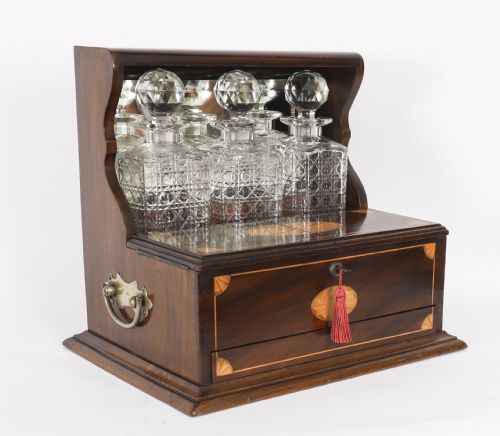
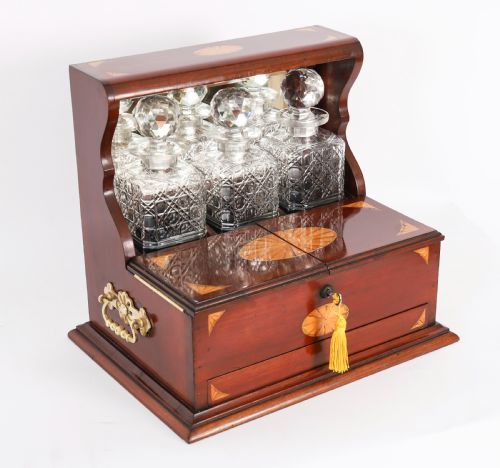
An antique tantalus box holds spirits under lock and key to keep guests at bay while displaying fine cut crystal.
Antique Tantalus Box
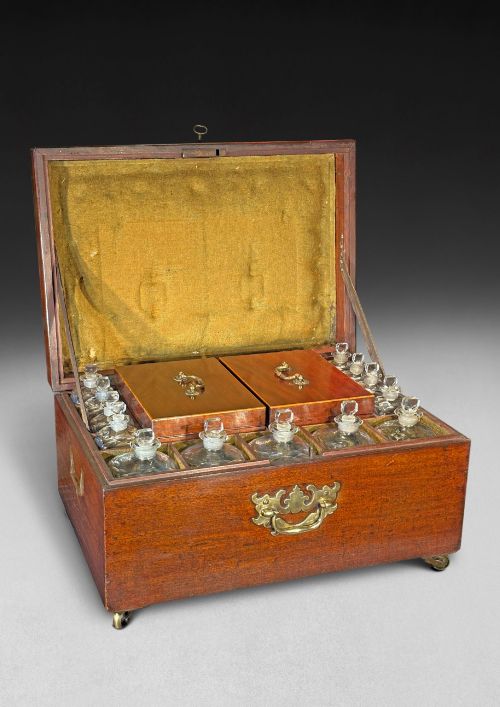
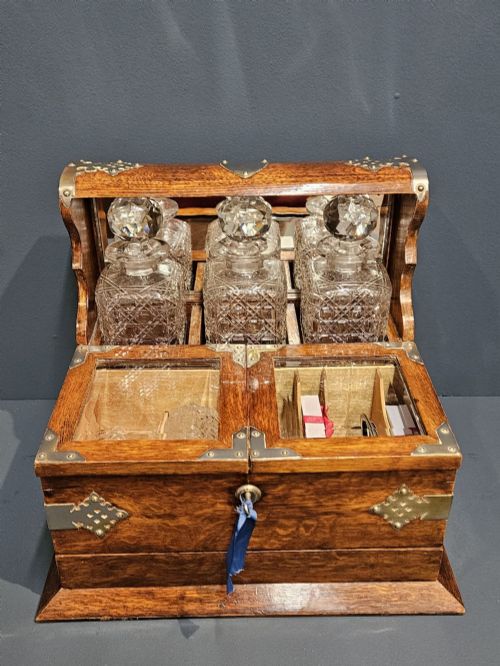
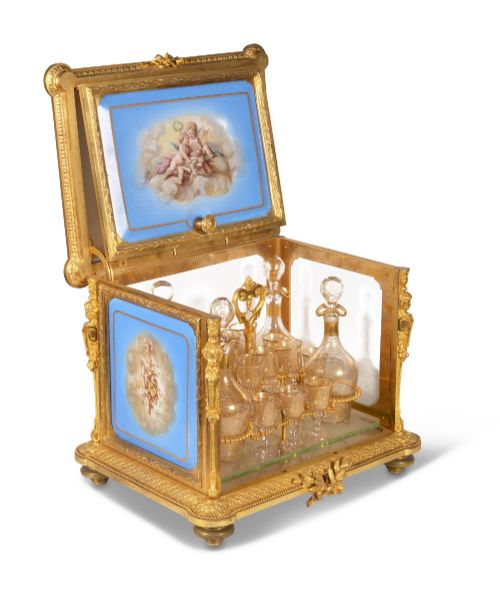
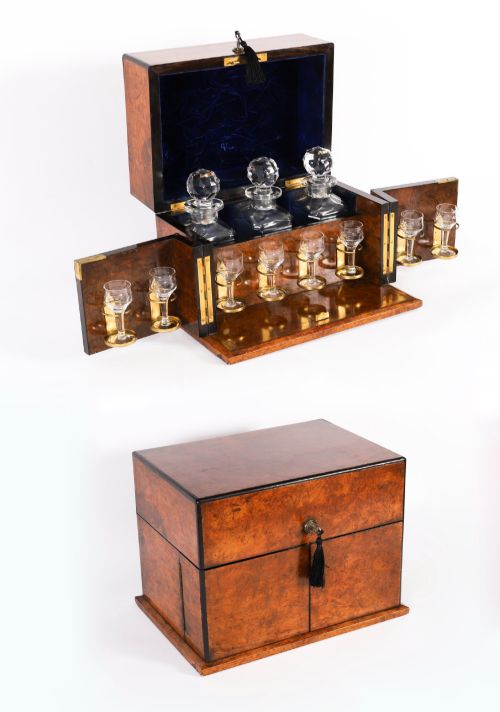
An antique tantalus box takes the form of a secure drinks cabinet or decanter case designed to deny access to servants or guests. The pieces gathered here span from the 18th century through the Victorian and Edwardian eras, encompassing French cave a liqueur boxes alongside English dry bars and games compendiums.
Oak forms dominate the selection, ranging from blonde and golden oak to pollard oak, often paired with silver plated mounts and brass hardware. Alongside these stand cabinets finished in rich coromandel, mahogany, satinwood and burr walnut.
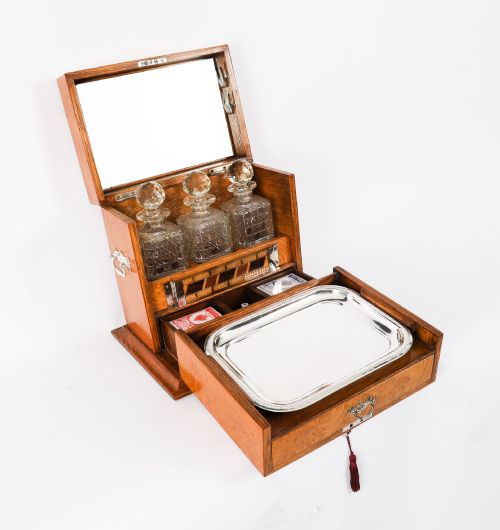
The contents typically include two, three or four cut crystal or cut glass decanters, occasionally accompanied by integrated games compendiums with cards and counters. French examples appear as ormolu-mounted glass cave a liqueur sets, while earlier pieces include George III and Georgian campaign decanter boxes.
Materials and construction
Cabinet makers utilised dense hardwoods like oak, mahogany and coromandel for the structural boxes, frequently incorporating marquetry stringing, brass binding and mirror glass panels inside the lid. Timber surfaces were polished to a high lustre to highlight the natural grain.
The locking mechanisms relied on brass or silver-plated locking bars that engaged with the stoppers of the cut crystal and cut glass decanters. Baccarat and other glassmakers produced heavy moulded crystal bottles that slotted precisely into fitted wooden interiors.
Antique Tantalus Box Retail Price Guide 2026
Typical asking prices for tantalus box among the pieces listed under this phrase on Sellingantiques today, from the lower quarter to the upper quarter. They describe what is for sale here now, not the wider market.
Listings feature oak, mahogany, coromandel, and burr walnut alongside cut crystal decanters and brass-mounted hardware.
Distinctions in craftsmanship
Quality rests in the complexity of the interior architecture and the integration of secondary functions like games compendiums and humidor compartments. Pieces that combine a secure spirit decanter frame with folding gaming boards and hidden drawers represent the more elaborate tier of production.
The calibre of the cabinet work dictates value, observed in tight wood joints, finely engraved brass mounts and substantial cast hardware. The weight and clarity of the cut crystal decanters, particularly when signed by makers or paired with matching drinking glasses, further separate standard examples from finer works.
Philip Ashberry·P and F Schafer
The Antique Tantalus Box Glossary
- Tantalus
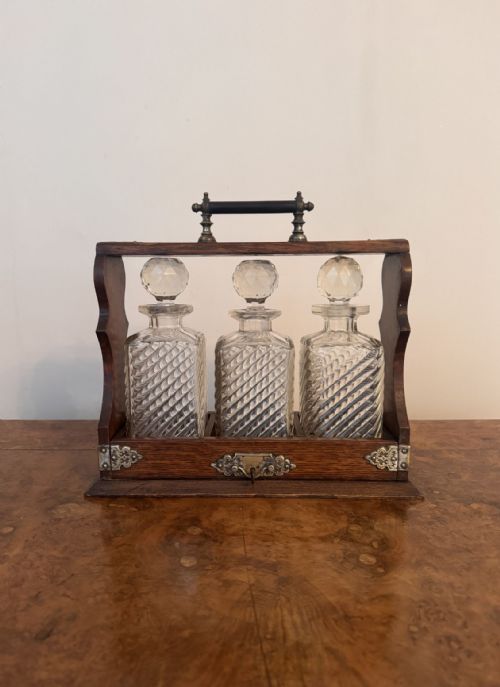
- A locking drinks cabinet that holds decanters securely within a metal bar frame so the stoppers cannot be removed without a key. The name derives from the mythological figure of Tantalus, who was condemned to stand in water just out of reach.
- Cave a Liqueur
- A French portable drinks service box, often veneered in exotic woods like coromandel or burr walnut and fitted with ormolu mounts. Inside, a gilt framework holds a set of liqueur decanters and matching glasses.
- Games Compendium
- A fitted box containing equipment for multiple parlour pastimes, such as playing cards, chess, dominoes and gaming counters. These are frequently built into the lower sections or drawers of Victorian drinks cabinets.
- Coromandel
- A dense, heavy East Indian timber featuring dark brown and black grain patterns with warm undertones. Makers utilised this decorative wood for high-end Victorian caskets and decanter boxes.
- Decanter Box
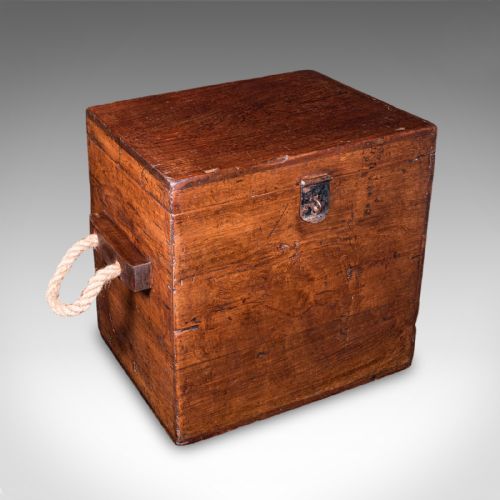
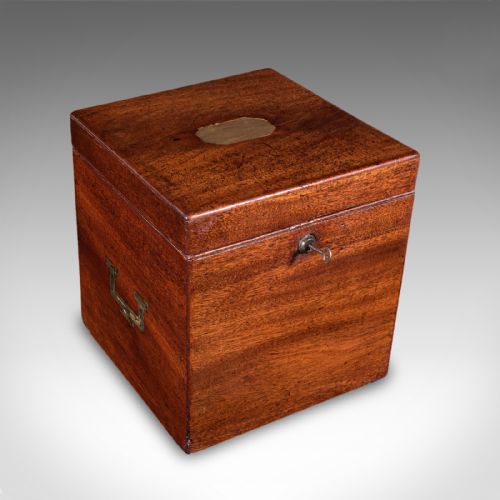
- A precursor to the locking bar tantalus, featuring a fully enclosed wooden case lined with velvet or leather to house spirit bottles upright. Many include campaign handles and secret compartments.
Antique Tantalus Box: Frequently Asked Questions
How does a tantalus lock work?
A metal retaining bar passes across the necks of the decanters and secures into a locking mechanism at the end of the wooden base. When the key is turned, the bar lifts or swings open to release the bottles.
Without the key, the stoppers cannot be pulled out and the decanters remain trapped within the frame, preventing unauthorized pours.
What is the difference between a tantalus and a decanter box?
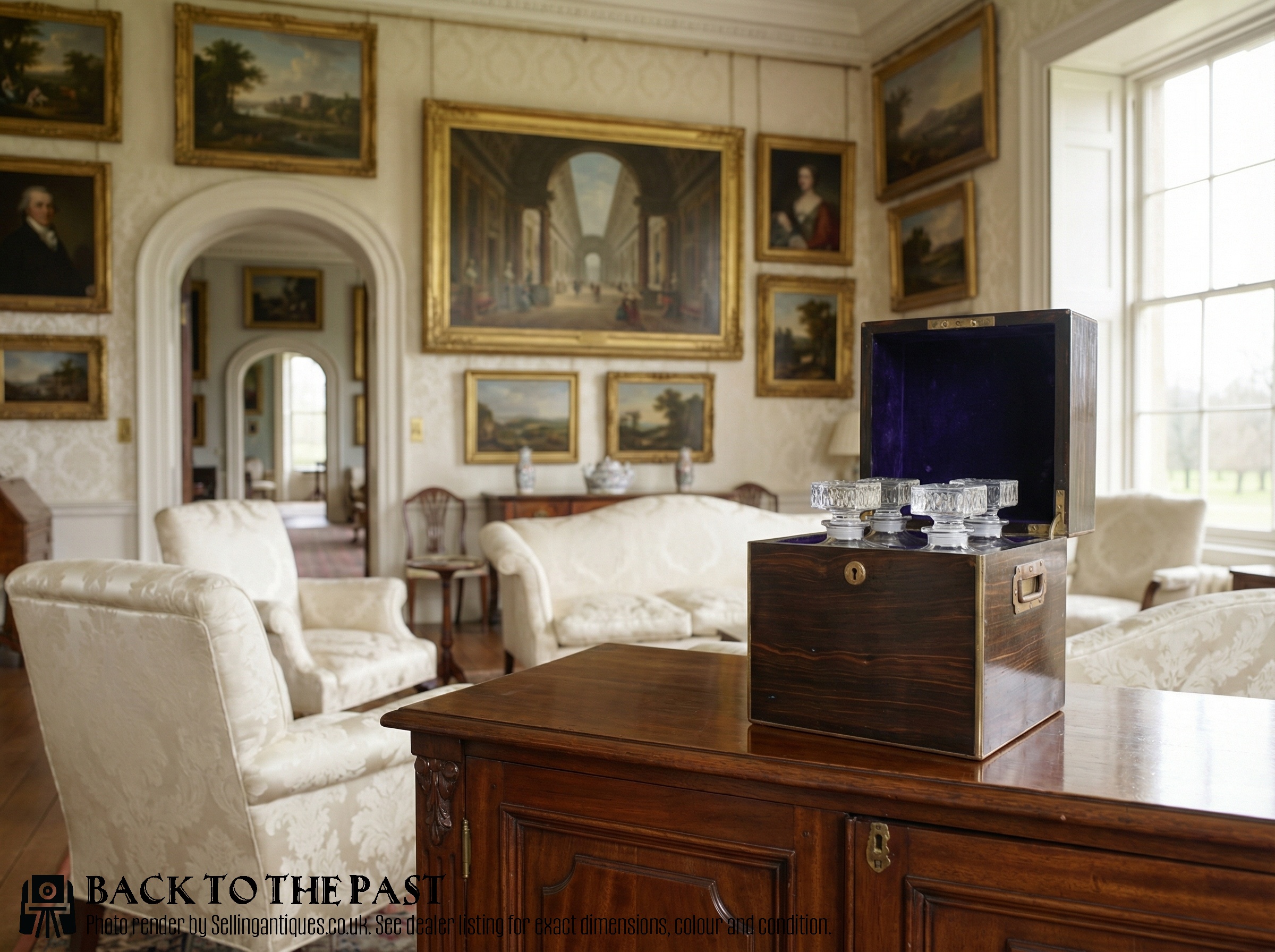
A decanter box fully encloses the bottles within a lidded wooden case that locks over the top and sides. The bottles sit hidden inside velvet or leather lined compartments.
A tantalus leaves the cut crystal decanters visible in an open frame secured only by a locking metal bar across the bottle necks.
How do I date an antique tantalus?
Dating relies on the primary timber, hardware style and locking mechanisms used in the construction. Heavy oak and brass-bound pieces with integrated games drawers typically point to the late Victorian and Edwardian periods.
Earlier George III and Regency examples feature solid mahogany cases with campaign brass handles, while French Napoleon III pieces often display ormolu mounts on coromandel or burr walnut.
Can I use the decanters for serving spirits?
Cut crystal decanters can hold spirits, though older pieces require careful hand washing rather than immersion in hot water. The ground glass stoppers should be checked to ensure a snug fit.
Most collectors store the bottles dry within the locking frame to preserve the interior linings and prevent any potential leakage against the historic wood.