




Crystal Ice Bucket
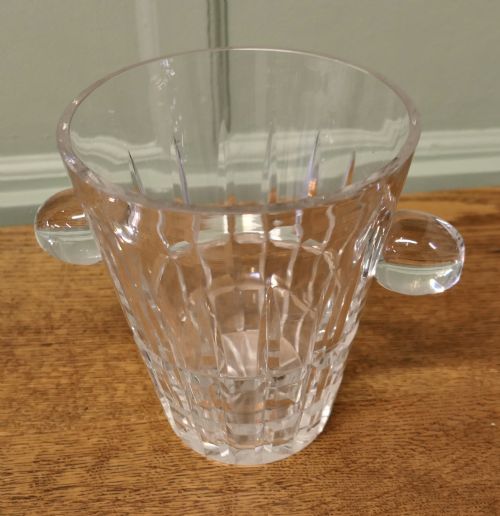
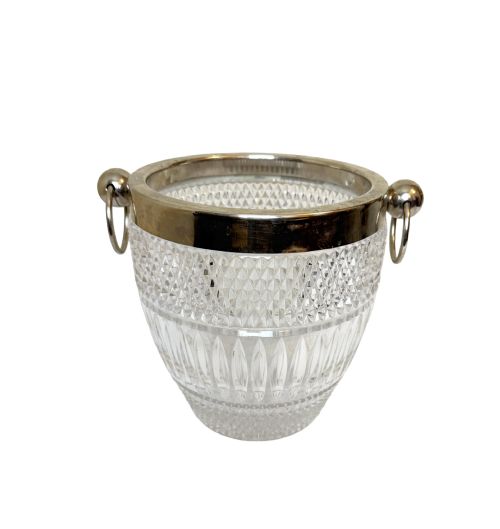
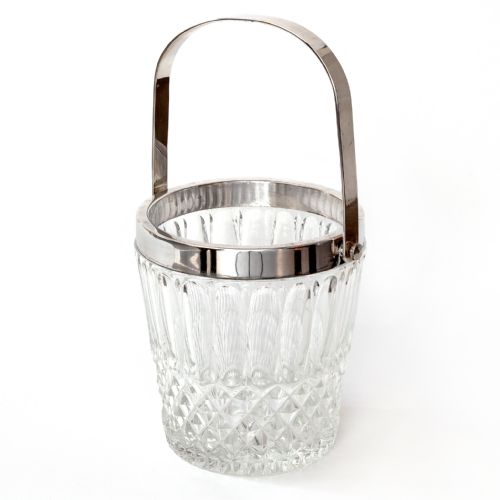
These crystal ice bucket examples combine heavy cut crystal with silver plate and ormolu mounts to serve ice in style.
Crystal Ice Bucket
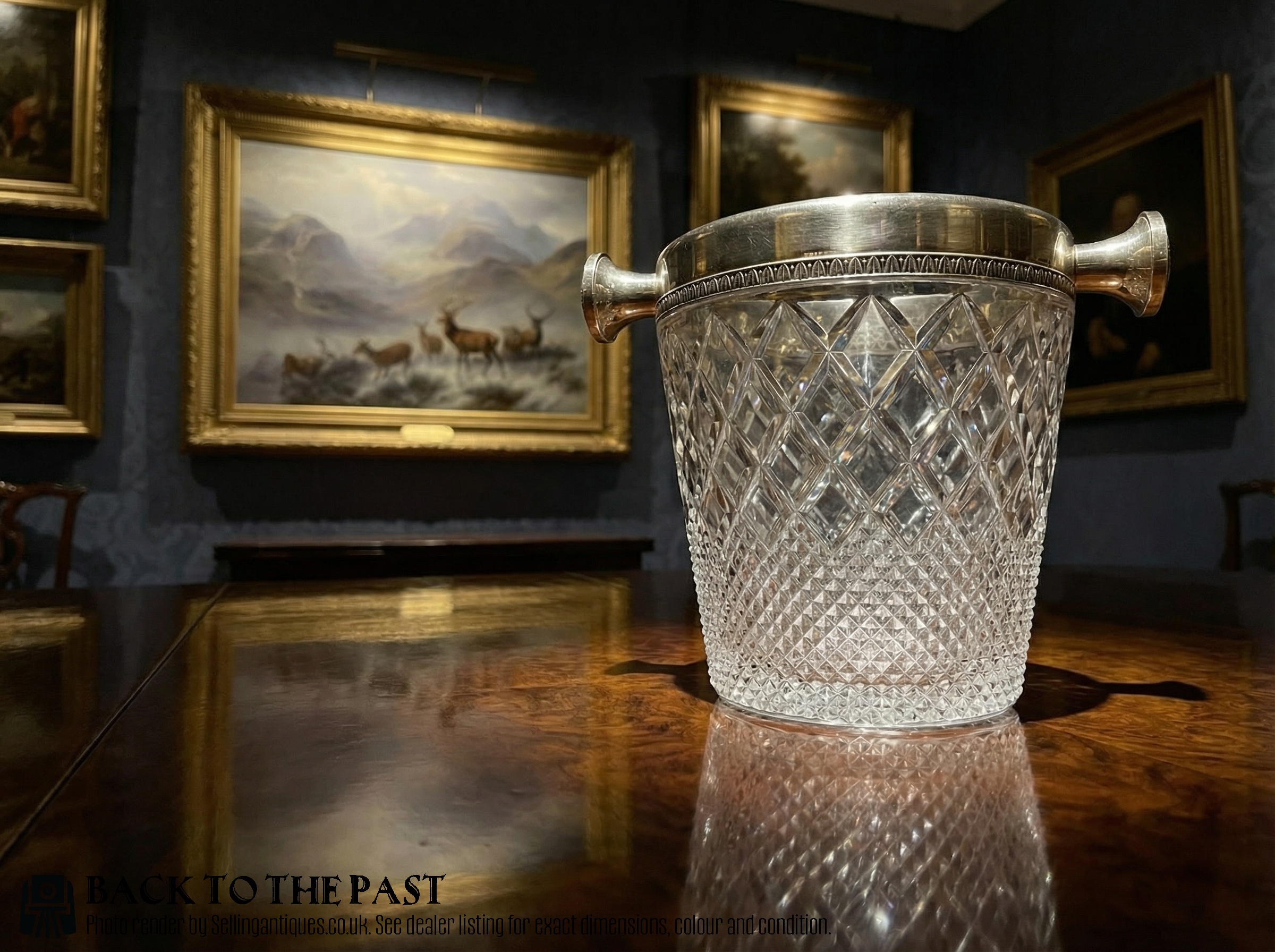
A crystal ice bucket sits at the heart of historical barware, designed to hold ice or chill wine and champagne at the table. When searching for a crystal ice bucket, buyers encounter forms ranging from compact personal coolers to large vessels intended for grand entertaining.
The pieces seen here span the nineteenth and twentieth centuries, taking in stylistic shifts from Regency and French Empire through to Art Nouveau and Art Deco. Alongside dedicated ice buckets and champagne coolers, related forms such as biscuit barrels and cocktail shakers occasionally appear in the selection.
Materials and construction
The heavy glass bodies rely on hand cutting and hand blowing techniques to create deep facets and polished panels that catch the light. Lead crystal and standard cut glass provide the substantial weight needed for stable vessels.
Metal mounts in silver plate, silverplate, brass, ormolu, and gilt bronze are fitted to rims, handles, and bases, often paired with matching accessories such as talon tongs.
At least one nineteenth-century cooler comes equipped with talon tongs, ready to grasp ice with avian precision.
What separates the grades
Depth and crispness of the glass cutting distinguish standard production from finer work, alongside the clarity and weight of the lead crystal itself. Heavier bodies and sharper faceting indicate greater skill in the glasshouse.
The quality of the metal mounts and plating, whether ormolu, silver plate, or gilt bronze, dictates the overall finish. Integral makers' marks and integrated handles or mounts firmly secured to the glass elevate a piece within its period.
Mappin and Webb·Karl Palda·Val St Lambert·St Louis Crystal
The Crystal Ice Bucket Glossary
- Cut crystal
- High-clarity glass containing lead oxide, shaped by abrasive wheels to form decorative facets. This material produces a distinct resonance when struck and refracts light intensely.
- Ormolu
- Finely ground high-carat gold mercury-gilded onto a bronze object, common in French decorative arts. The technique creates a rich, warm metallic lustre.
- Silver plate
- A thin layer of silver applied to a base metal core such as copper or nickel silver. It provides the appearance of solid silver while maintaining durability.
- Art Deco
- A design style dominant in the 1920s and 1930s characterised by geometric symmetry, clean lines, and stylised motifs. It succeeded the organic forms of Art Nouveau.
- Regency
- An English architectural and decorative style spanning the early nineteenth century, drawing inspiration from classical Greek and Roman forms.
Crystal Ice Bucket: Frequently Asked Questions
How do I clean a vintage crystal ice bucket?
Wash the glass by hand in lukewarm water using a mild detergent, avoiding sudden temperature changes that can crack old crystal. Dry the vessel thoroughly with a lint-free cloth to maintain the clarity of the cut facets.
Polish any silver plate or ormolu mounts gently with a soft cloth designed for metals, taking care not to let abrasive polishes touch the glass surface.
Can I use these ice buckets for wine?
Many larger examples serve a dual purpose as champagne coolers or wine coolers, accommodating bottles alongside ice. The robust lead crystal construction handles temperature changes well when filled with chilled water and ice cubes.
Smaller personal champagne coolers are better suited to single bottles or direct ice service at the table.
How do I date an antique ice bucket?
Examine the style of the glass cutting, the profile of the vessel, and any metal mounts to identify period characteristics. Art Deco pieces show geometric facets from the 1920s and 1930s, while nineteenth-century items often feature heavier neoclassical or Regency brass and gilt bronze fittings.
Maker marks stamped onto silver-plated mounts offer another reliable indicator for dating specific pieces.
What is the difference between cut glass and lead crystal?
Lead crystal contains a percentage of lead oxide that increases the refractive index and weight of the material compared to standard glass. This addition allows cutters to achieve sharper, deeper facets that disperse light more effectively.
Cut glass lacks the lead content but still provides clear transparency and durability for everyday serving vessels.