
Antique Crystal Barware
Antique crystal barware brings heavy glass, bright mounts, and period service to the sideboard.
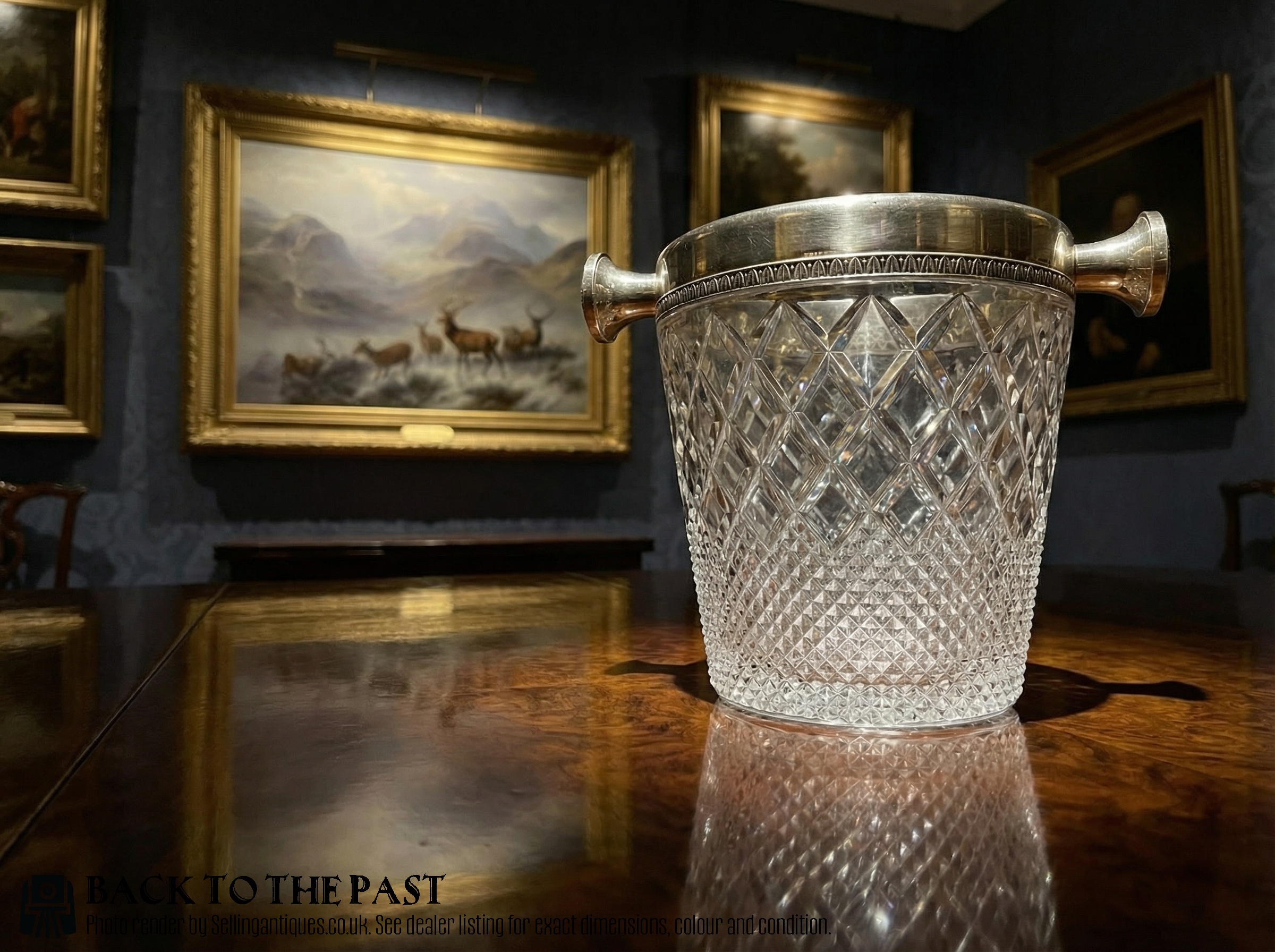
Antique Crystal Barware
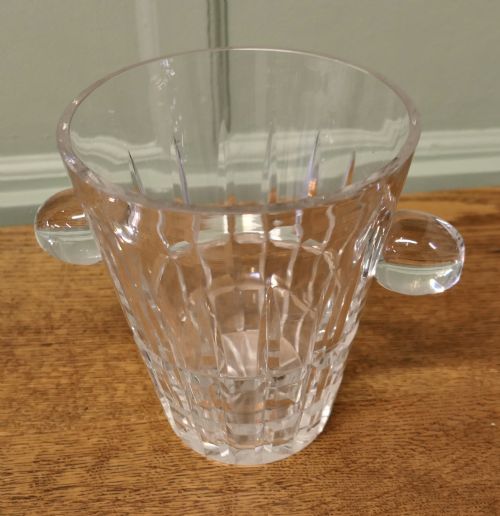
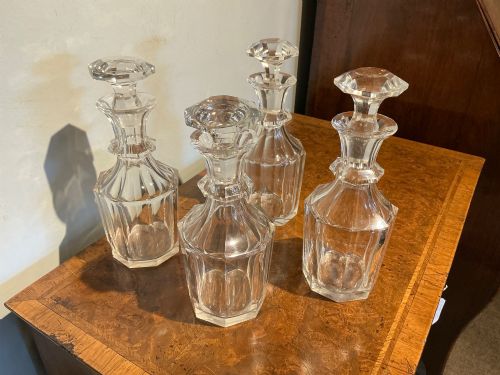
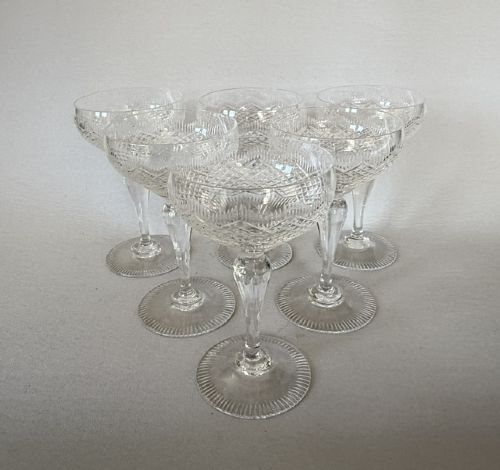
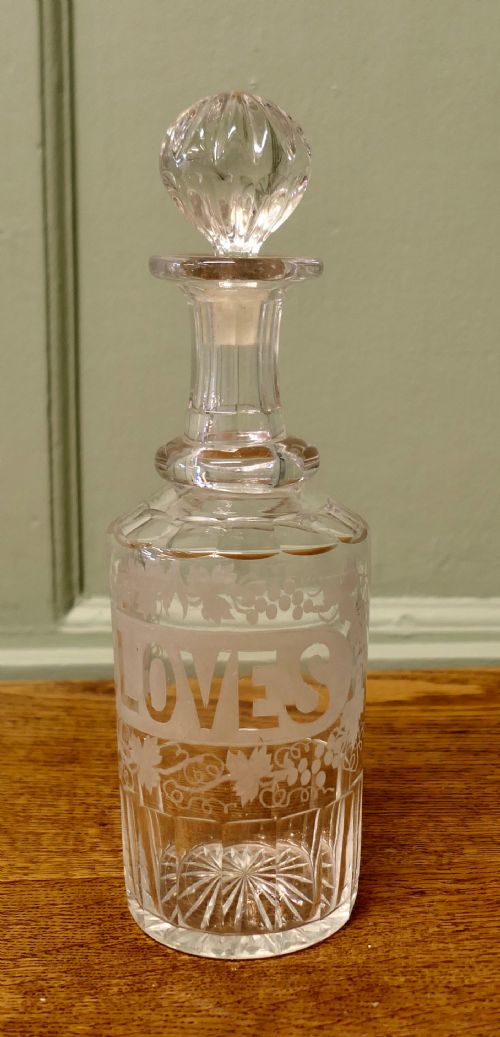
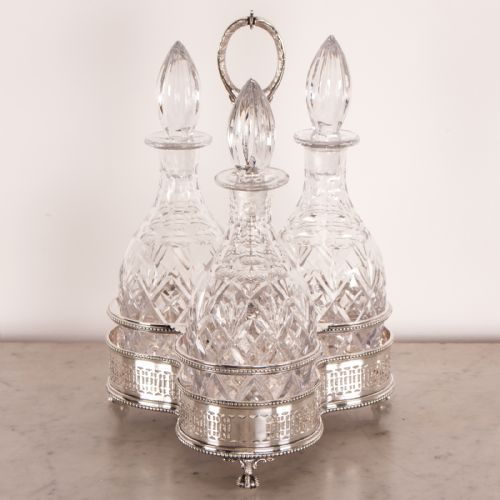
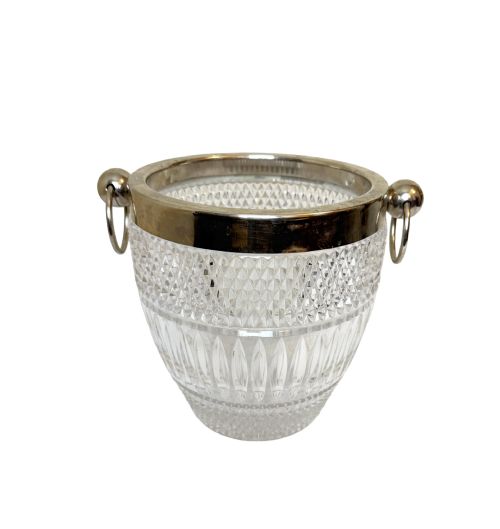
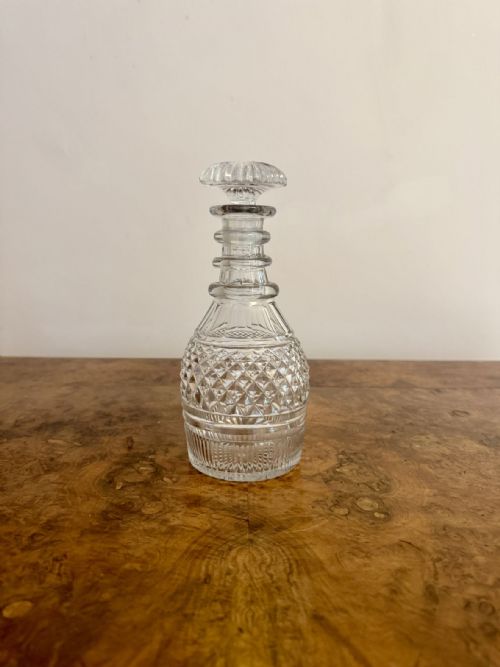
When you search for antique crystal barware, you find vessels and drinking sets designed for spirits, wine, and water across the nineteenth and early twentieth centuries. The selection centres on decanters, tantali, champagne coupes, tumblers, and ice buckets.
Victorian and Edwardian examples dominate the selection, spanning simple cut glass decanters to complex oak tantali fitted with multiple bottles. Earlier Georgian rum decanters and toastmaster dram glasses appear alongside later Art Deco sets and French ice buckets.
How they were made
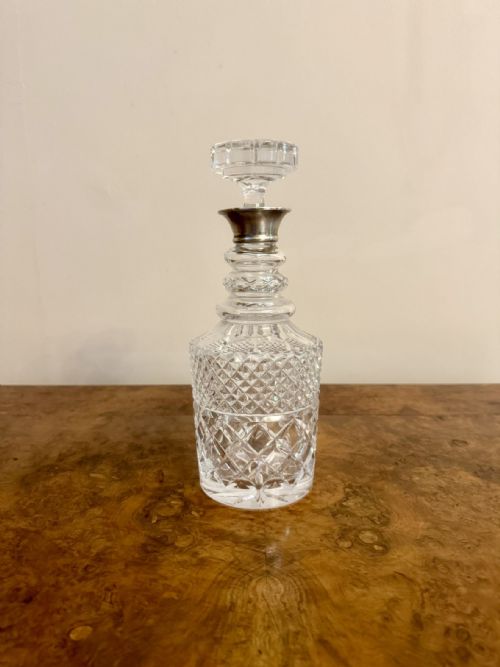
The primary material is heavy lead crystal or cut glass, shaped by blowing or moulding and finished with deep wheel-cut facets, rib moulding, or delicate surface etching. Many vessels incorporate silver plate, sterling silver, or brass mounts, collars, and handles.
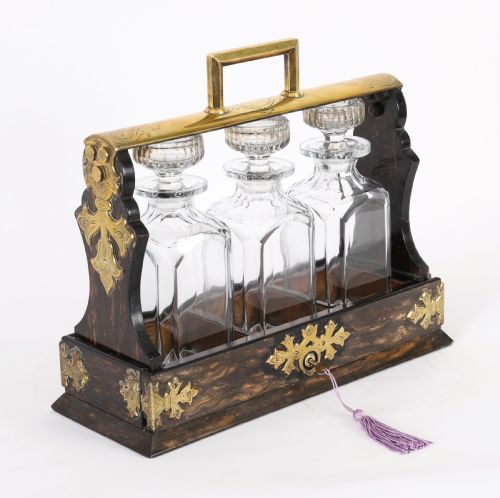
Wooden frames in oak, coromandel, and satinwood house multi-bottle tantalus sets, sometimes incorporating inlaid veneers and locking mechanisms to secure the decanters within.
Toastmaster dram glasses had excessively thick bases so hosts could drink alongside guests all night while actually consuming very little alcohol.
What varies in quality
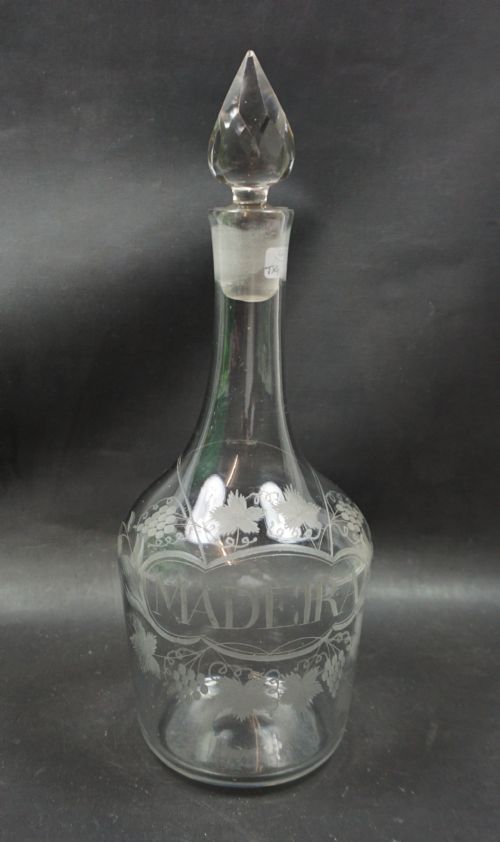
The clarity and weight of the crystal set the baseline, alongside the crispness and depth of the facet cutting. Pieces with hand-engraved labels or intricate hobnail patterns demand greater skill than plain moulded glass.
Metalwork quality shows in the thickness of the silver plate or sterling mounts, and the integration of functional locks and hinged handles on tantali and ice buckets. Fitted wooden boxes with secure dovetailing and undamaged veneer elevate the status of a set.
Baccarat·Walker And Hall
The Antique Crystal Barware Glossary
- Tantalus
- A locking wooden frame holding decanters securely so they cannot be removed without a key. This kept spirits safe from unauthorised servants.
- Champagne coupe
- A broad, shallow bowl on a stem designed for sparkling wine. Earlier versions often feature facet cut stems.
- Toastmaster dram glass
- A small drinking glass with a heavy, thick base designed to look full while holding very little alcohol. This allowed hosts to keep pace with guests during long drinking bouts.
- Claret jug
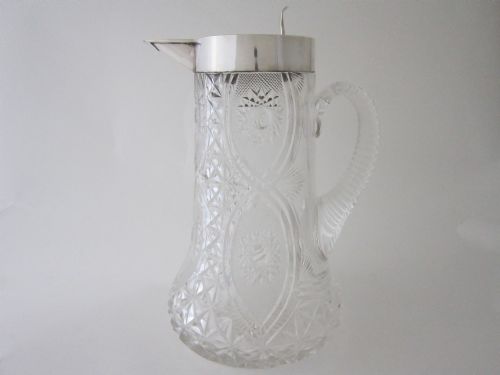
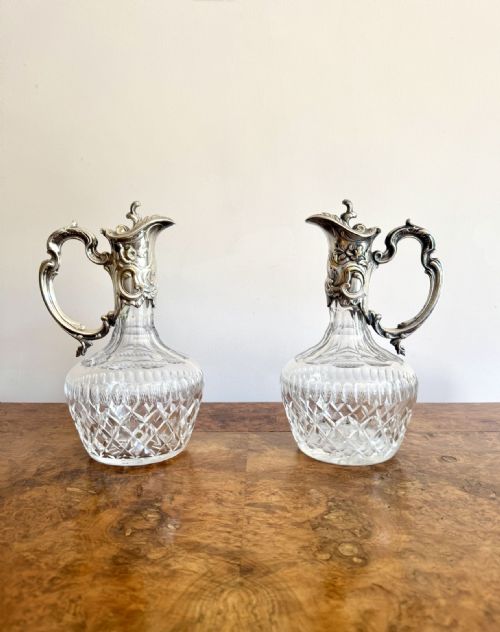
- A large pouring vessel for red wine, usually combining a glass body with a silver-plated handle, spout, and hinged lid.
Antique Crystal Barware: Frequently Asked Questions
What is a tantalus?
A tantalus is a locked wooden cabinet or frame that holds decanters of spirits securely in place. The mechanism prevents guests or staff from pouring drinks without the key.
Most examples date from the Victorian and Edwardian periods, constructed in oak or exotic woods with silver-plated mounts.
How do I clean old decanters?
Cleaning historic crystal requires gentle handling, warm water, and mild detergent, avoiding harsh abrasives that scratch the surface. Stubborn interior residue responds best to specialised cleaning beads rather than harsh chemicals.
Silver mounts and collars should be polished carefully to prevent tarnish from touching the glass.
Are these pieces safe for daily use?
Most antique drinking vessels and decanters remain robust enough for regular service. Lead crystal requires proper washing after use and should not be used to store acidic liquids for long periods.
Delicate Georgian dram glasses and thin champagne coupes need careful hand washing rather than machine dishwashing.
How do I date cut glass barware?
Dating relies on the weight of the crystal, the style of the cutting, and the accompanying mounts. Georgian pieces often show pontil marks and simple rib moulding, while Victorian and Edwardian items feature deep hobnail cuts and silver-plated hardware.
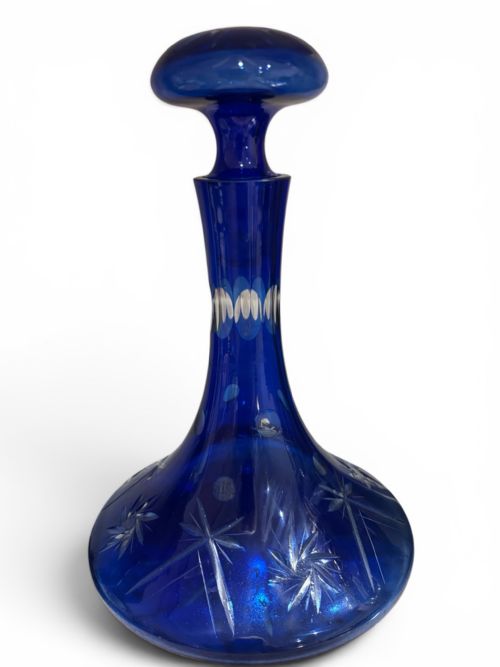
Art Deco sets from the 1920s and 1930s introduce geometric patterns and coloured crystal bodies.