
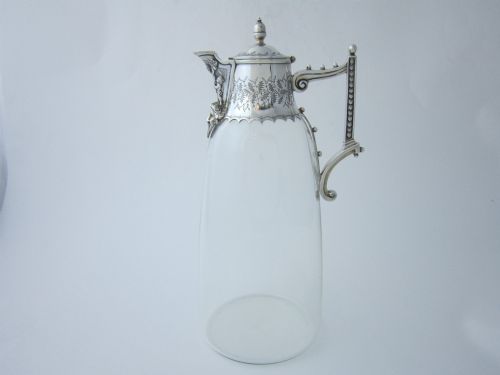
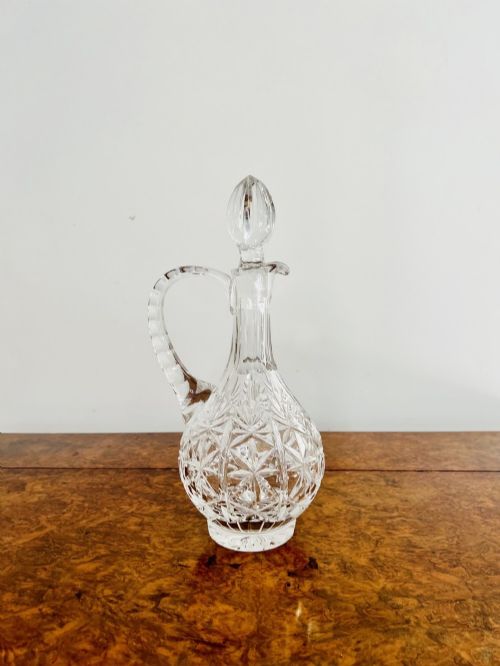
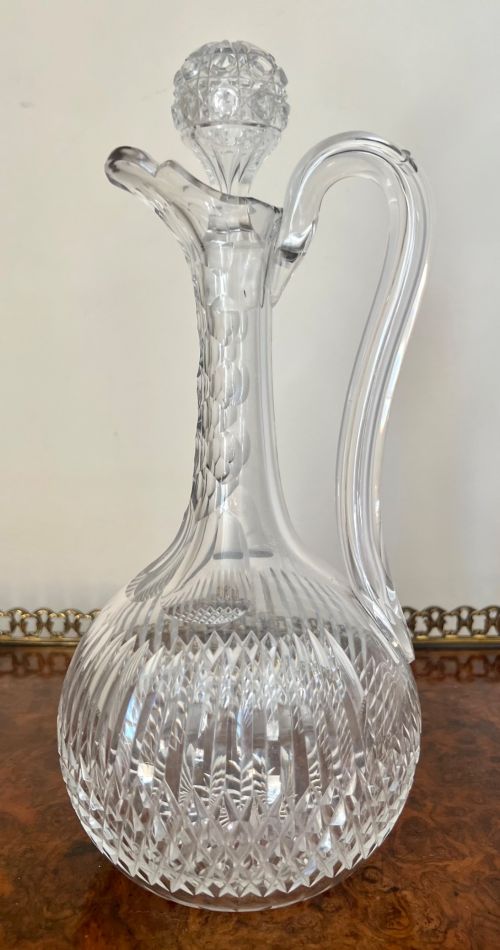
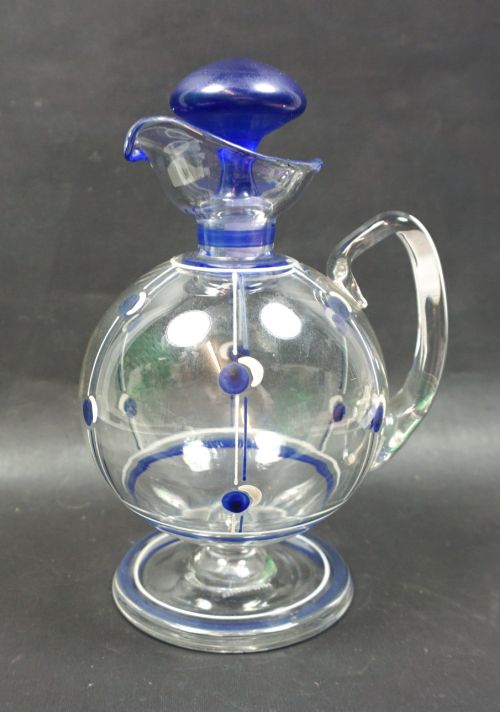

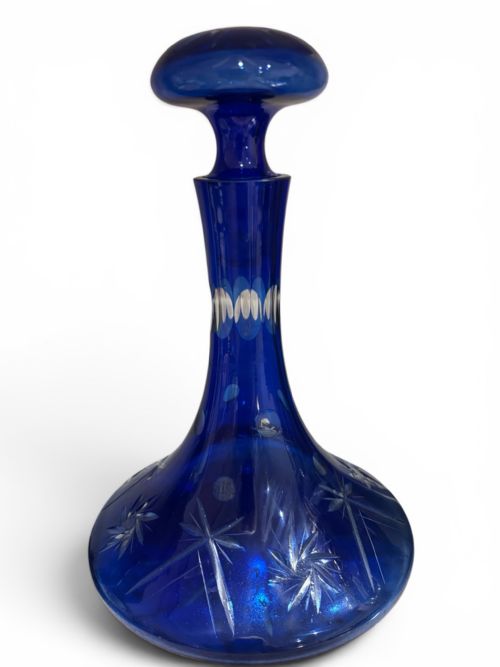
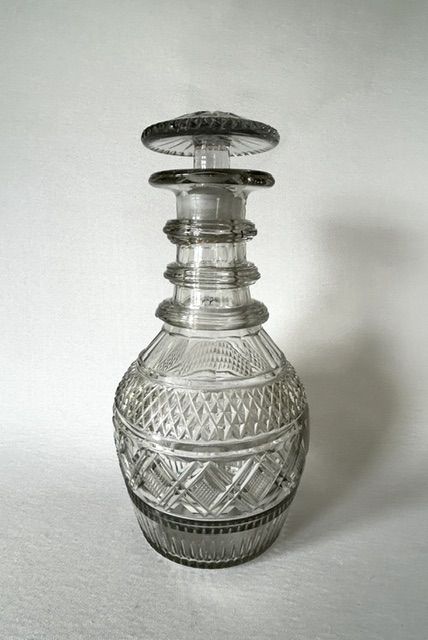
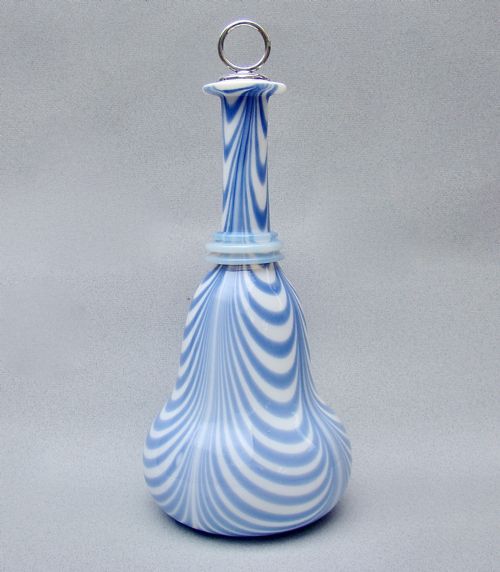
Antique Glass Decanter Stopper
An antique glass decanter stopper is the essential finishing touch for a period vessel, combining practical sealing with fine craftsmanship.
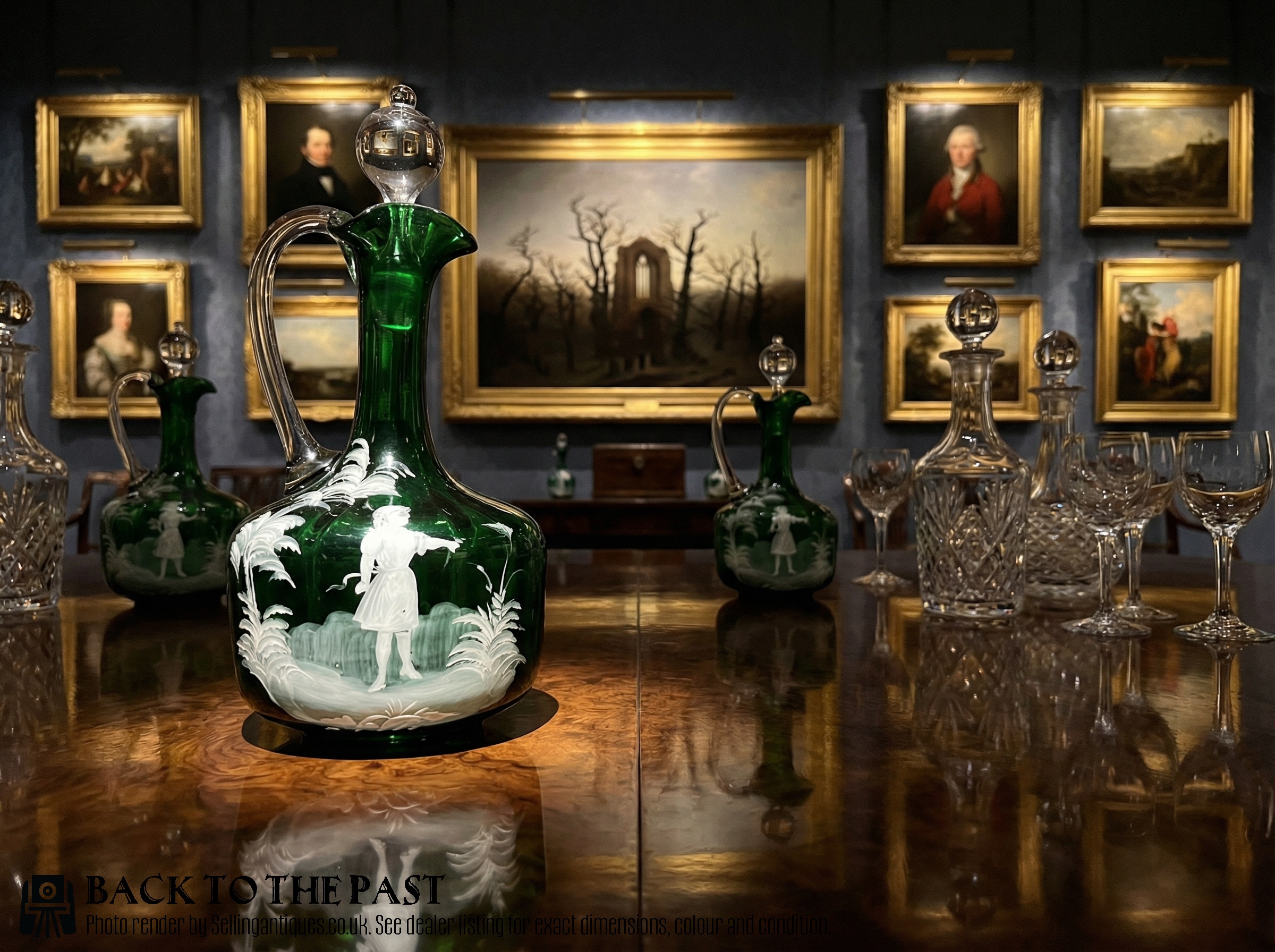
Antique Glass Decanter Stopper
When you search for an antique glass decanter stopper, you are looking at small, shaped closures designed to fit the necks of nineteenth-century spirit bottles, carafes, and ewers. The examples met on this page span Georgian, Victorian, and Edwardian periods, alongside pieces from the 1890s and 1910s, appearing alongside complete vessels like claret jugs and scent bottles.
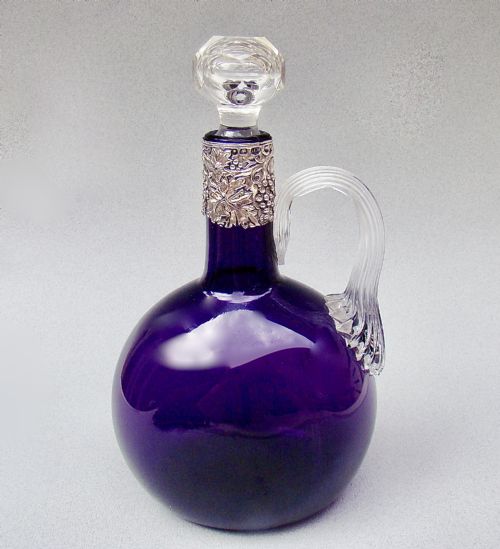
These items take various forms, from simple round finials to heavy cut glass spigots, matching vessels made from clear glass, lead crystal, and coloured wares including amethyst, ruby, and Bristol blue. They originate from British, Irish, and continental workshops, reflecting the shifting domestic drinking habits of the eighteenth and nineteenth centuries.
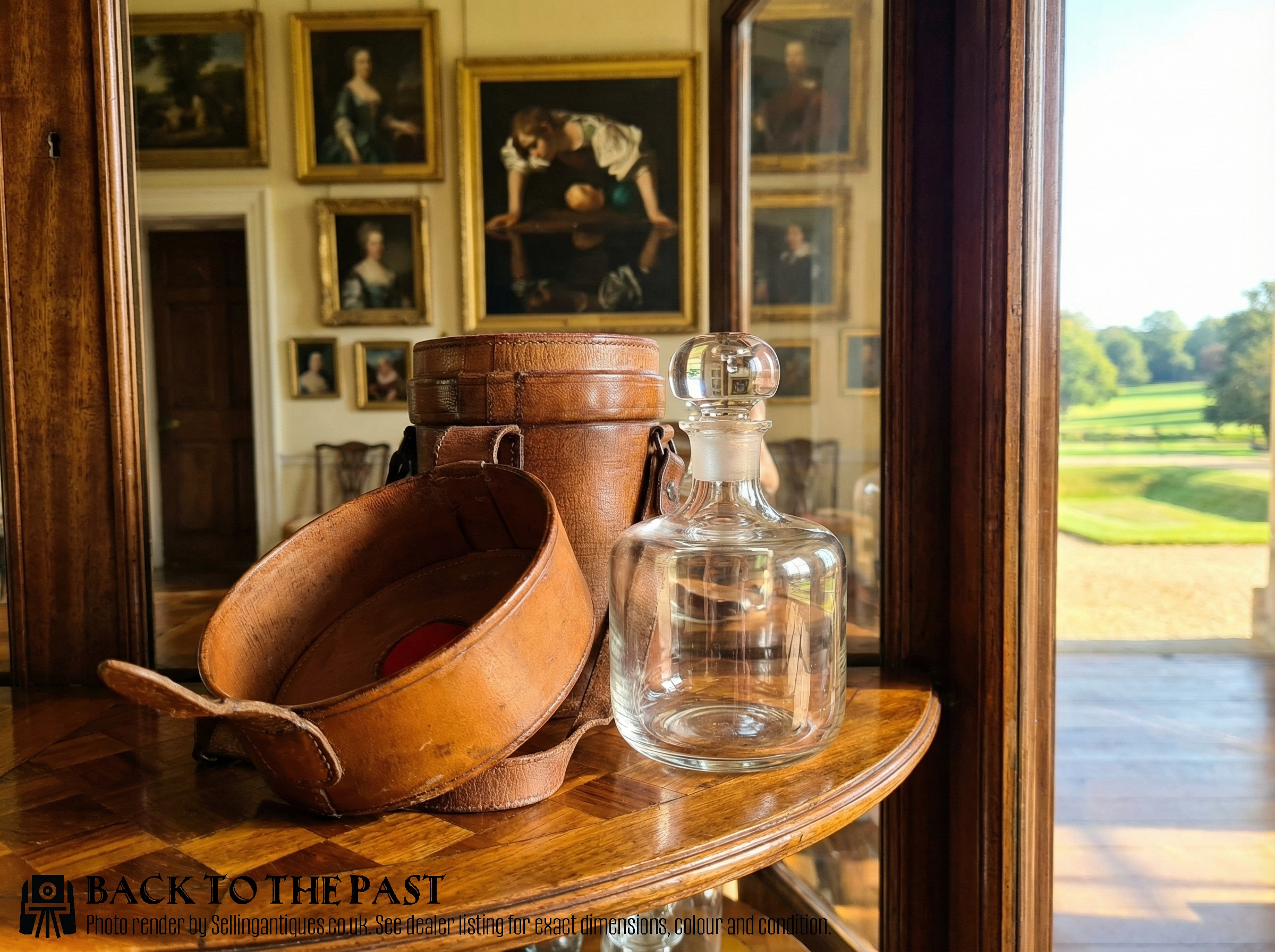
How They Were Made
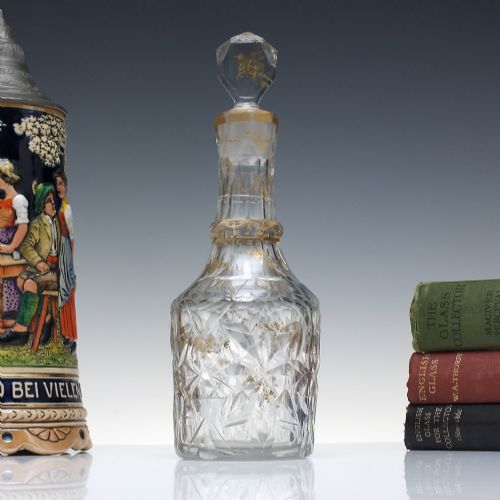
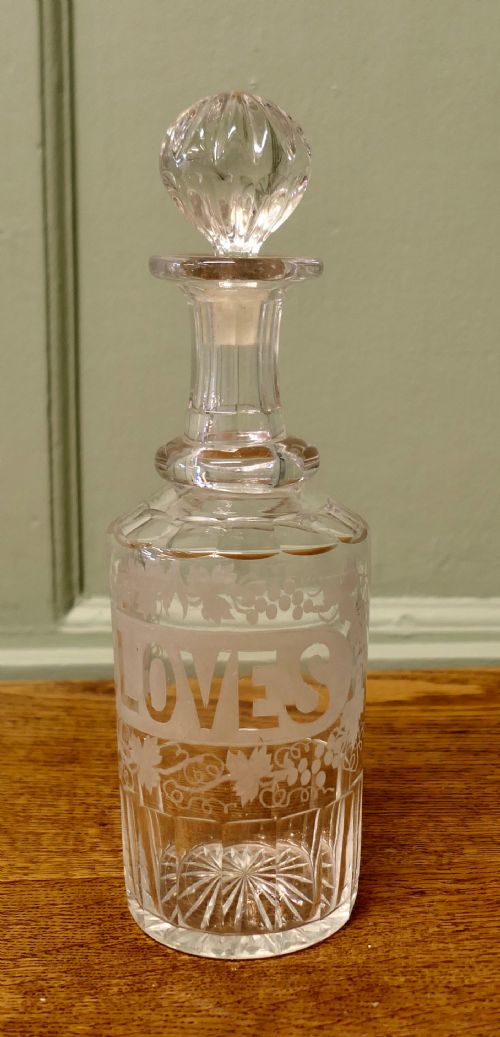
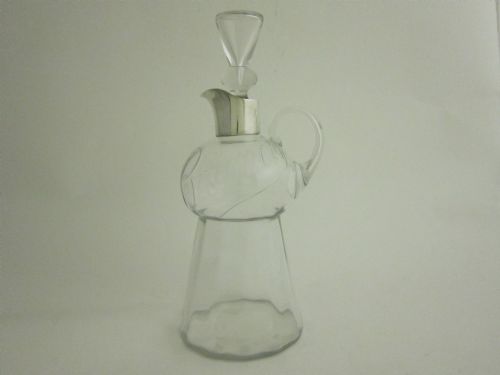
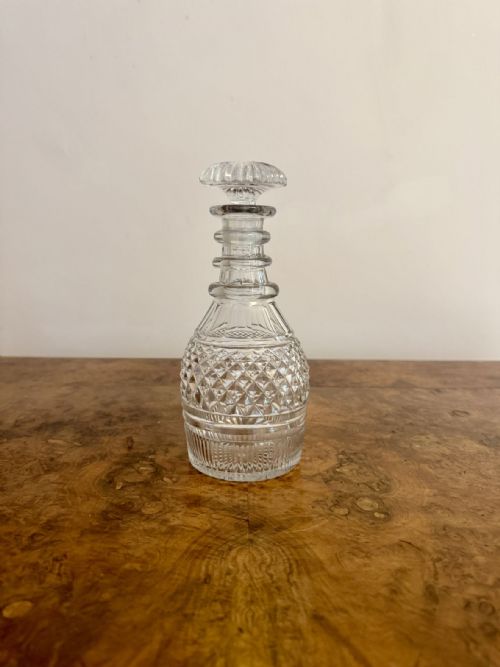
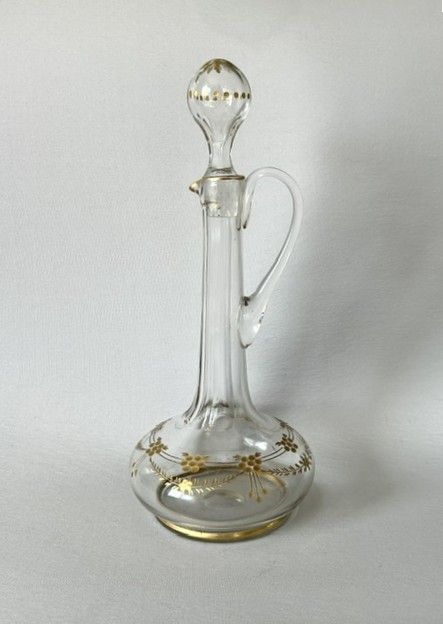
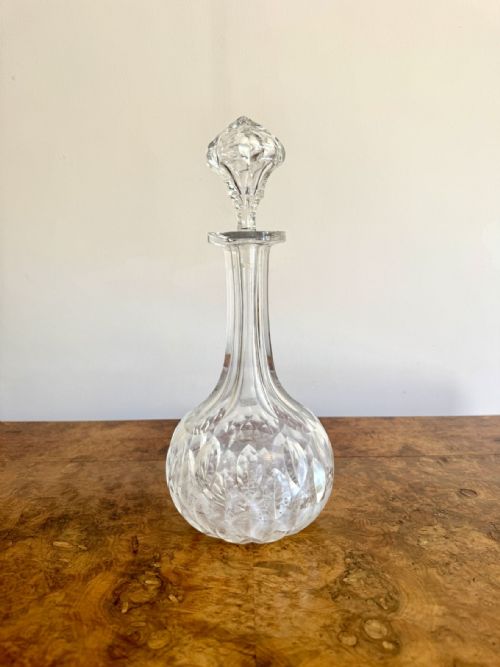
Makers shaped these objects using hot glass techniques, often employing lead crystal or heavy glass that was subsequently hand-cut to create geometric facets and light-catching edges. Some pieces incorporate sterling silver mounts, silverplate collars, or delicate enamel and gilt decoration applied directly to the surface.
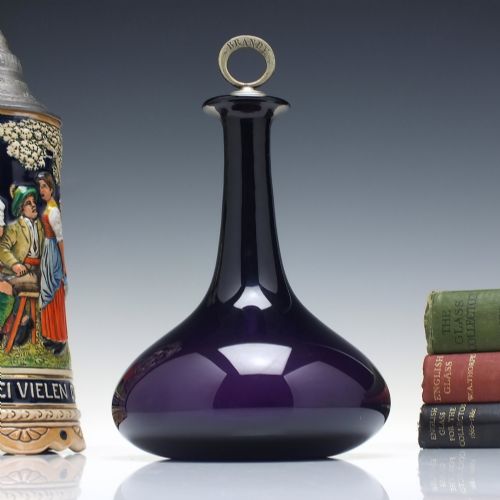
Coloured glass variations, such as amethyst and ruby pieces, relied on metal oxides added to the molten batch before blowing and grinding down the base to ensure a snug fit within the decanter neck.
Old vessels were sometimes labelled with enamel for pigeon blend whisky.
What Varies in Quality
The distinction between ordinary and superior examples lies in the crispness of the hand-cutting and the weight of the metal crystal used. Heavy lead content produces a clear ring and sharper facets, whereas simpler pressed pieces lack the precision of hand-ground stems.
Integration with precious metals also divides the range; stoppers or attached bottles featuring hallmarked sterling silver collars or fine enamel painting represent higher tiers of contemporary production than plain glass counterparts.
James Giles·Henry Matthews·Stevens & Williams
The Antique Glass Decanter Stopper Glossary
- Decanter
- A vessel used for holding and serving wine or spirits, typically supplied with a matching stopper to preserve the contents.
- Lead Crystal
- A heavy variety of glass containing metallic oxide that increases brilliance and allows for deep, sharp cutting.
- Finial
- The uppermost decorative element of a stopper or lid, shaped as a knob or button.
- Mell
- A specific nineteenth-century bottle or decanter form characterised by a bulbous lower body and a slender neck.
Antique Glass Decanter Stopper: Frequently Asked Questions
How do I match a stopper to an antique decanter?
Examine the ground glass section on both the stopper stem and the interior of the decanter neck to check for matching hand-ground frosted bands.
Measurements of the diameter and the length of the spigot help determine if a loose stopper belongs to a specific Georgian or Victorian period vessel.
What periods do these glass stoppers come from?
The available selection covers Georgian, Victorian, and Edwardian eras, stretching from the late eighteenth century through to the early twentieth century.
Earlier examples often feature heavy lead crystal with deep hand-cutting, while Edwardian pieces frequently showcase lighter machine-cut or etched designs.
Are coloured glass stoppers harder to find?
Coloured variations in amethyst, ruby, and Bristol blue appear less frequently than clear lead crystal versions in daily trading.
These pieces required specific mineral additions during the glassmaking process and were typically produced in smaller batches for affluent households.
How were decanter stoppers used historically?
Wealthy households utilised these glass closures to seal port, sherry, brandy, and whisky inside heavy decanters on the dining table.
The tight-fitting ground glass prevented air from spoiling the wine and kept spirits from evaporating during storage.