







Hand Painted Glass Bottle
These hand painted glass bottle examples bring together rich decorative traditions and careful craftsmanship, offering a vibrant focal point for any room.
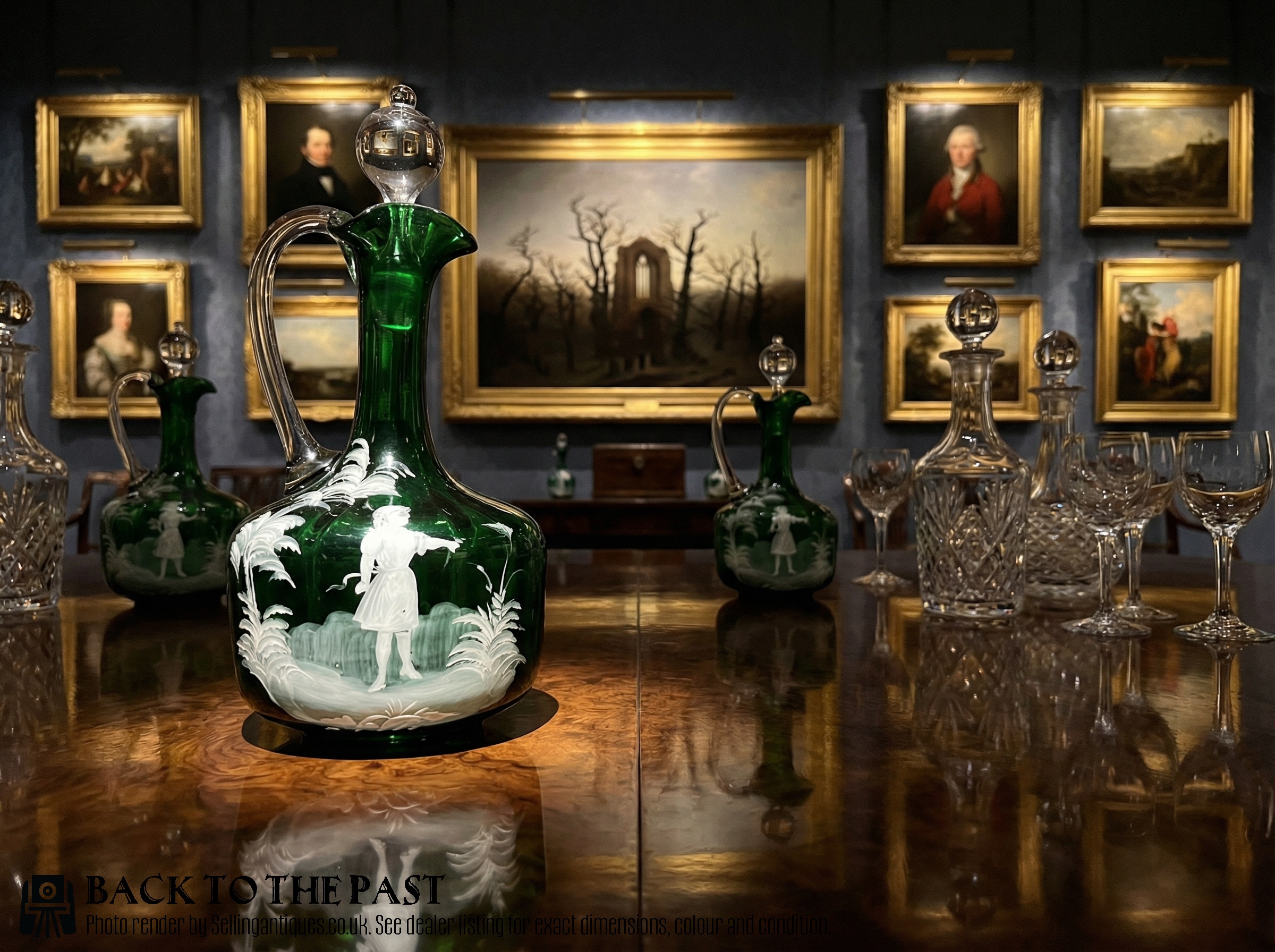
Hand Painted Glass Bottle
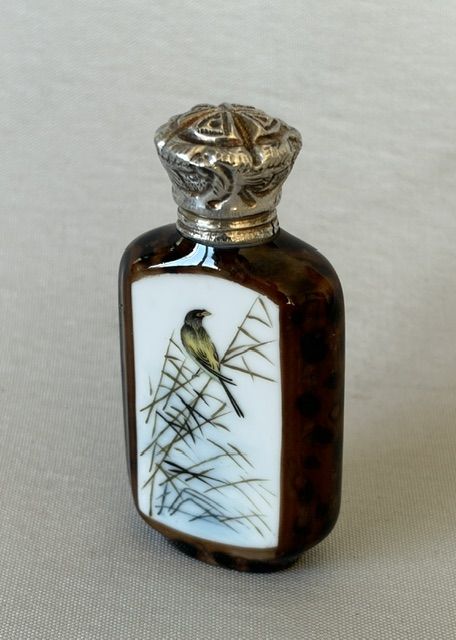
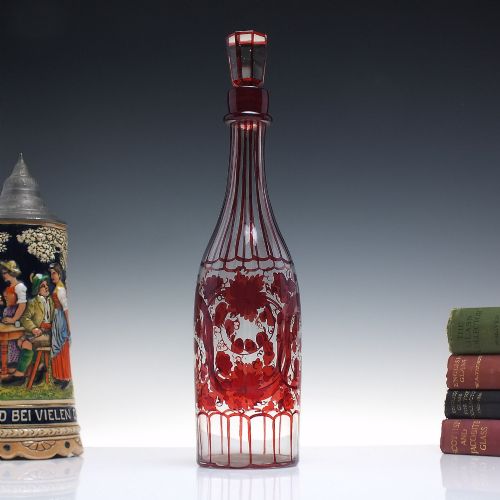
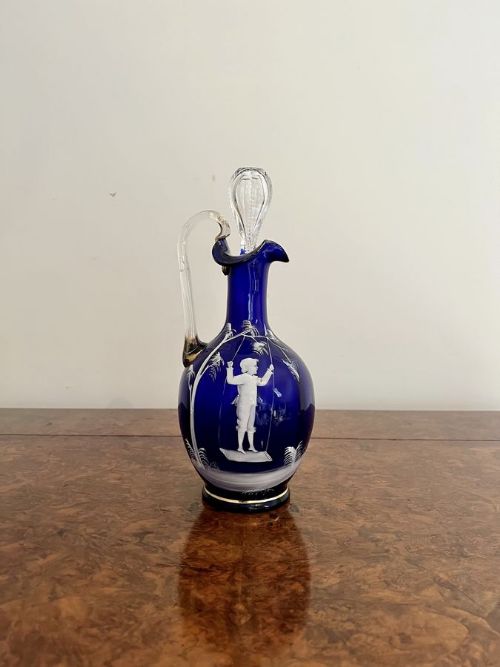
A hand painted glass bottle encompasses a diverse array of decorative glassware and functional vessels, including decanters, ewers, flasks and snuff bottles. These pieces span multiple centuries, taking distinct forms from Georgian and Victorian periods as well as continental and folk art traditions.
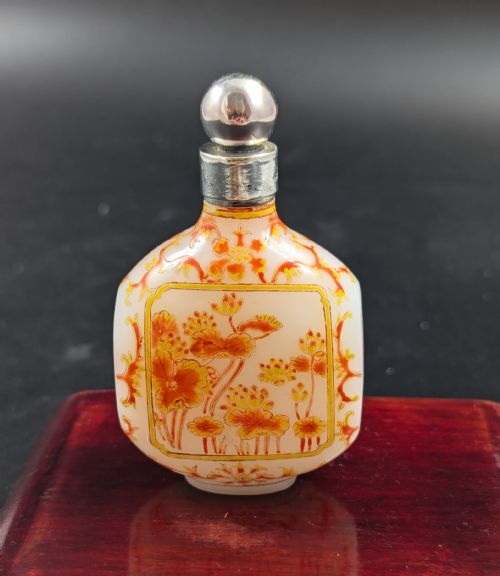
Buyers will most frequently encounter nineteenth-century decanters and ewers alongside smaller personal gin decanters and snuff bottles. The selection incorporates various regional styles, such as Bohemian glassware, Dutch folk art and Chinese Qing dynasty influences.
Each object demonstrates a specific decorative purpose, ranging from serving spirits at table to holding delicate perfumes or personal medicines. The combination of functional glassware and applied surface painting defines the character of these survivals.
How They Were Made
Makers utilised clear, coloured, opaline, cobalt and satin glass as the primary substrate for these vessels, shaping them by hand before applying surface decoration. The interaction between the coloured glass body and the applied pigment forms the visual core of each piece.
Techniques relied heavily on enamel painting, polychrome details and gilding with gold leaf. Some specialised items, such as Chinese snuff bottles, required intricate painting applied directly to the interior surface of the glass.
Hand Painted Glass Bottle Retail Price Guide 2026
Typical asking prices for hand painted glass bottle among the pieces listed under this phrase on Sellingantiques today, from the lower quarter to the upper quarter. They describe what is for sale here now, not the wider market.
One remarkably tiny bottle hides a complete landscape painted entirely through its narrow neck using a miniature brush.
What Varies in Quality
The sophistication of the brushwork and the precision of the enamel application distinguish finer examples from simpler utilitarian pieces. Finer specimens display controlled, confident polychrome details and well-preserved gilding that enhances the underlying glass body.
The choice and quality of the base glass also determine the standing of an object, with heavy opaline, rich cobalt or clear crystal providing a superior canvas. The harmony between the glassblower's vessel shape and the decorator's painted design dictates the overall success of the piece.
The Hand Painted Glass Bottle Glossary
- Ewer
- A large jug or pitcher with a wide spout, frequently used alongside decanters for serving beverages or as a decorative table piece. These vessels often feature applied enamel handles and hand painted scenes.
- Opaline glass
- An opaque or translucent glass, typically white or pastel-toned, popular during the nineteenth century for decorative tablewares. It provides a smooth, solid background well-suited for detailed enamel painting.
- Mell decanter
- A specific Georgian decanter shape characterised by a mallet-like body with sloping shoulders. These are frequently associated with Irish whiskey storage and fine cut or painted decoration.
- Enamel
- A decorative vitreous composition fused to the surface of the glass through firing, creating durable coloured designs. It allows for bright, opaque ornamentation on transparent or translucent glass bodies.
- Snuff bottle
- A small container designed to hold powdered tobacco, notable for compact proportions and intricate decoration. Examples range from European glass to Chinese pieces painted on the interior.
Hand Painted Glass Bottle: Frequently Asked Questions
What were hand painted glass bottles used for?
These vessels served various domestic and personal functions, primarily holding spirits, cordials, perfumes or snuff. Larger decanters and ewers sat on dining tables or sideboards for serving drinks, while smaller flasks and bottles fulfilled personal needs.
Over time, many of these functional items transitioned into purely decorative objects, valued for their painted surfaces and colourful glass bodies rather than utility.
How do I date a glass bottle?
Dating relies on observing the form of the vessel, the type of glass used, and the style of the painted decoration. Eighteenth-century pieces often display distinct folk art or Bohemian characteristics, while Victorian examples frequently utilise opaline, satin glass, or specific enamel motifs.
Examining pontil marks, wear patterns, and the colour palette helps narrow down the period of manufacture, aligning the piece with established historical styles.
How should I display them?
Display these pieces in locations with adequate light to highlight the transparency of the glass and the detail of the enamel work. Placing them on shelves away from direct, harsh sunlight protects the pigments and gold leaf from fading.
Because many are delicate, position them on stable surfaces where they will not be easily knocked or subjected to heavy vibrations.