



Edwardian Crystal Jug
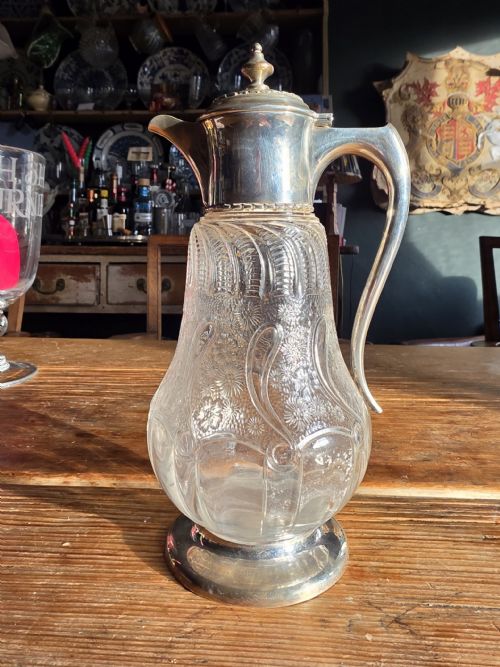
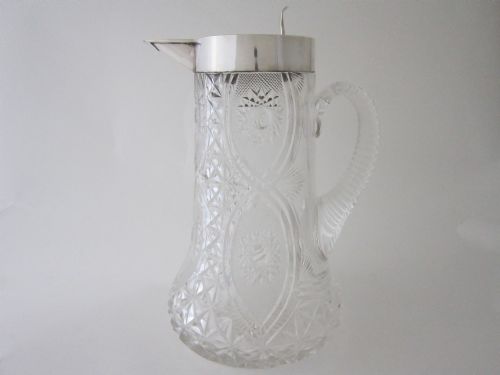
An edwardian crystal jug brings heavy brilliance to the table, combining deep-cut glass with polished mounts for serving wine or water.
Edwardian Crystal Jug
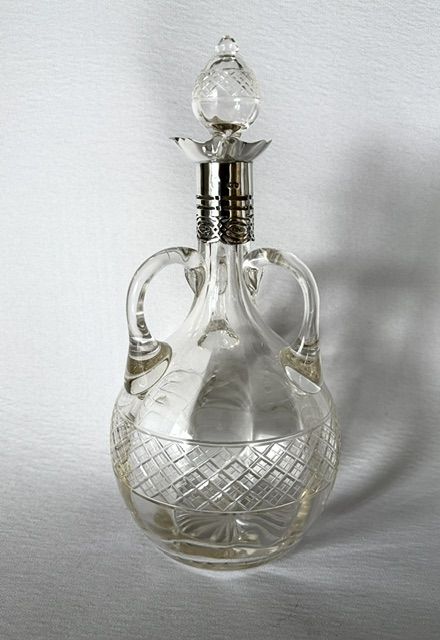
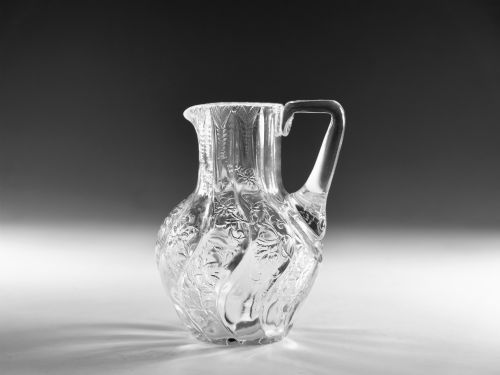
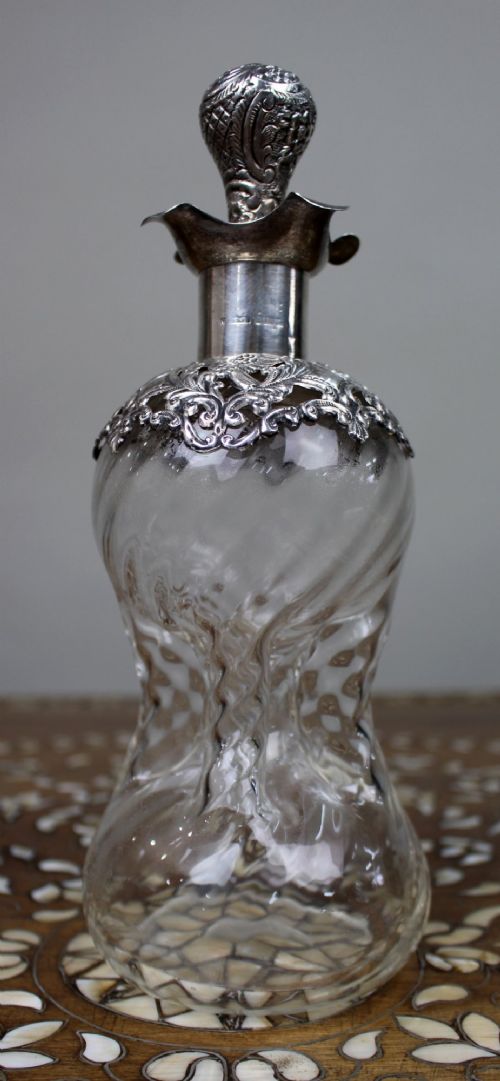
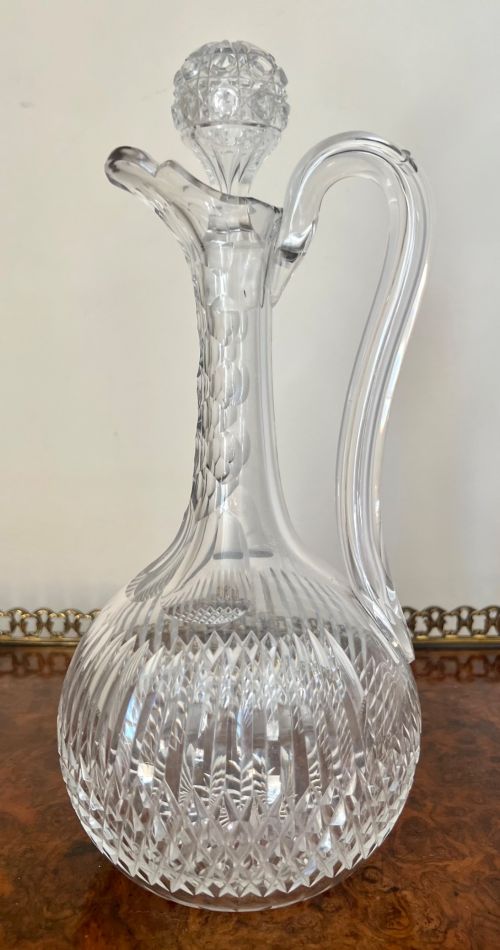
When you search for an edwardian crystal jug, you find heavy vessels designed for serving wine, claret, lemonade, whisky, or water at the table. These pieces span forms such as claret jugs, ewers, decanters, and pitchers from the early twentieth century.
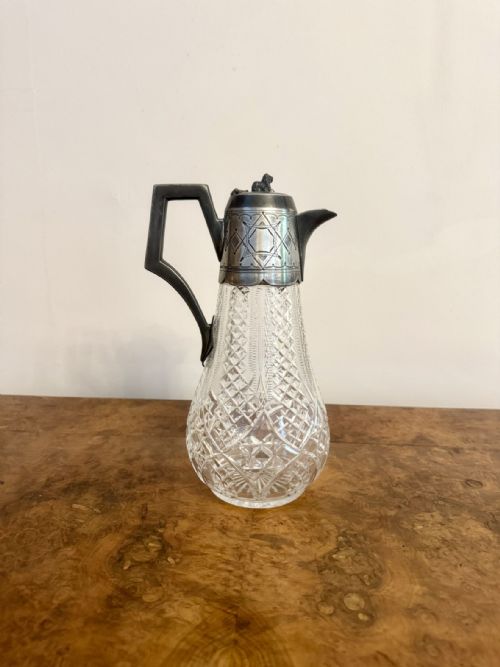
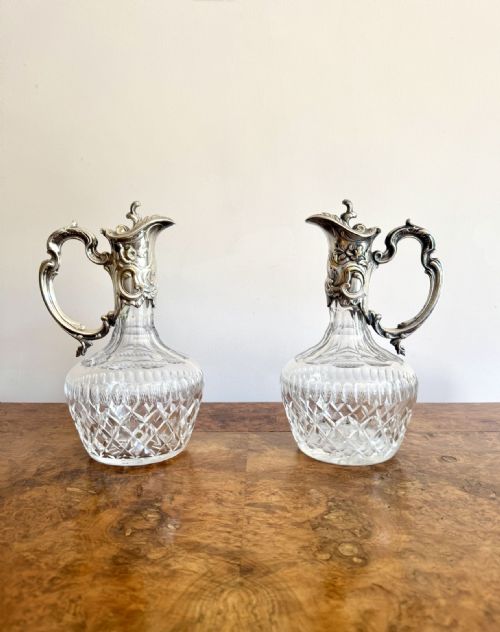
The version you are most likely to meet on this page is the Edwardian cut glass jug, frequently fitted with a silver-plated or sterling silver mount, hinged lid, and handle.
The selection also reaches slightly outside the strict reign into Late Victorian, George V, and Arts and Crafts periods, incorporating related drinking services and cordial ewers.
How they were made
Makers shaped the vessels from heavy lead crystal or cut glass, applying deep geometric or intaglio cutting to catch the light across the body and base.
Mounts, collars, and hinged covers were fashioned from sterling silver or silver plate, often secured tightly around the glass neck with an integral handle.
Listings feature lead crystal and cut glass combined with sterling silver and silver plate across Edwardian and Victorian periods.
What varies in quality
The clarity and weight of the crystal set the foundation, alongside the depth and crispness of the hand-cut facets carved into the glass.
The substance of the metal mount, whether heavy sterling silver or plated metal, and the precision of the hinge and lid mechanism distinguish standard domestic vessels from the finest examples.
William Comyns·Stevens and Williams·Webb Corbett·Gorham
The Edwardian Crystal Jug Glossary
- Claret jug
- A specialised pouring vessel created specifically for serving red wine at dinner. These often feature elaborate silver or plated mounts and hinged covers.
- Ewer
- A large jug with a wide spout and curved handle, historically used for water or wine. In this period they share many characteristics with decorative decanters.
- Intaglio
- A technique where designs are carved into the surface of the glass rather than raised. This method creates subtle, detailed sunken motifs across the crystal body.
- Sterling silver
- An alloy consisting of pure silver and other metals, traditionally marked with hallmarks to denote standard purity. It forms the high-grade mounts on many better jugs.
- Silver plate
- A base metal coated with a thin layer of pure silver. It provided a bright, polished finish for mounts and handles at a lower cost than solid silver.
Edwardian Crystal Jug: Frequently Asked Questions
What is an edwardian crystal jug used for?
These vessels were primarily made for serving claret, wine, whisky, water, or lemonade during formal dining and entertaining.
They sat upon the dining table or sideboard, allowing hosts to pour drinks directly into glasses during meals.
How do I clean an antique crystal jug?
Wash the piece gently by hand in warm water using a mild detergent, avoiding harsh scrubbing brushes that might scratch the silver mount.
Dry the glass thoroughly with a lint-free cloth to maintain the brilliance of the cut facets.
Are the mounts solid silver?
Mounts vary significantly between individual pieces, utilising either solid sterling silver or silver-plated base metal.
Sterling silver mounts often carry hallmarks indicating the assay office and date of manufacture.
How can I tell Edwardian glass from Victorian?
Edwardian pieces often share overlapping styles with Late Victorian work, dating around the turn of the twentieth century.
Detailed stylistic cues and hallmarks help separate pieces made during the Edwardian decade from earlier nineteenth-century production.