
Clear Cut Glass Decanter
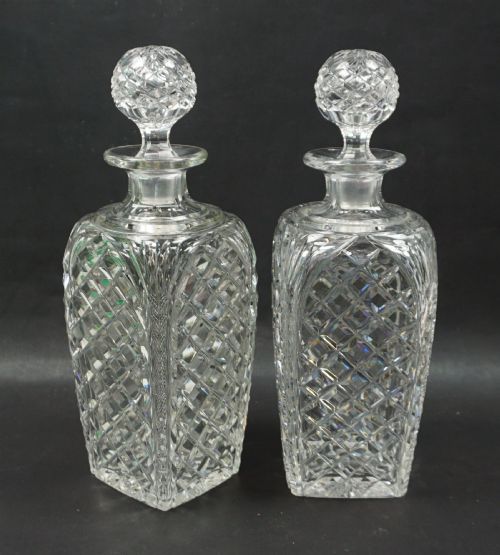
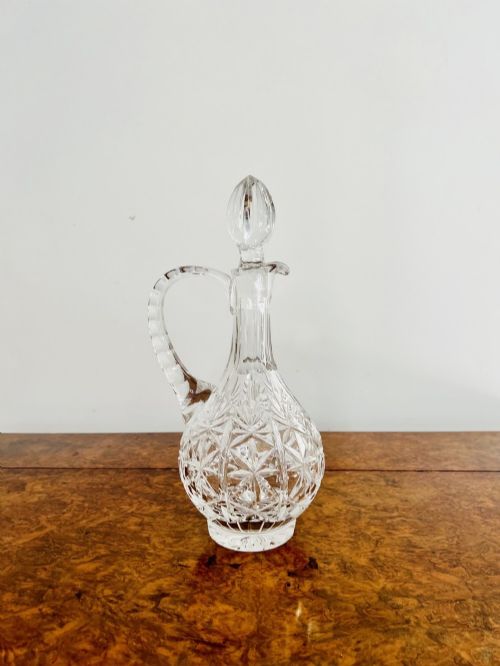
These clear cut glass decanter pieces are refined Victorian and Edwardian vessels in cut glass and lead crystal, offering brilliant sparkle for your sideboard.
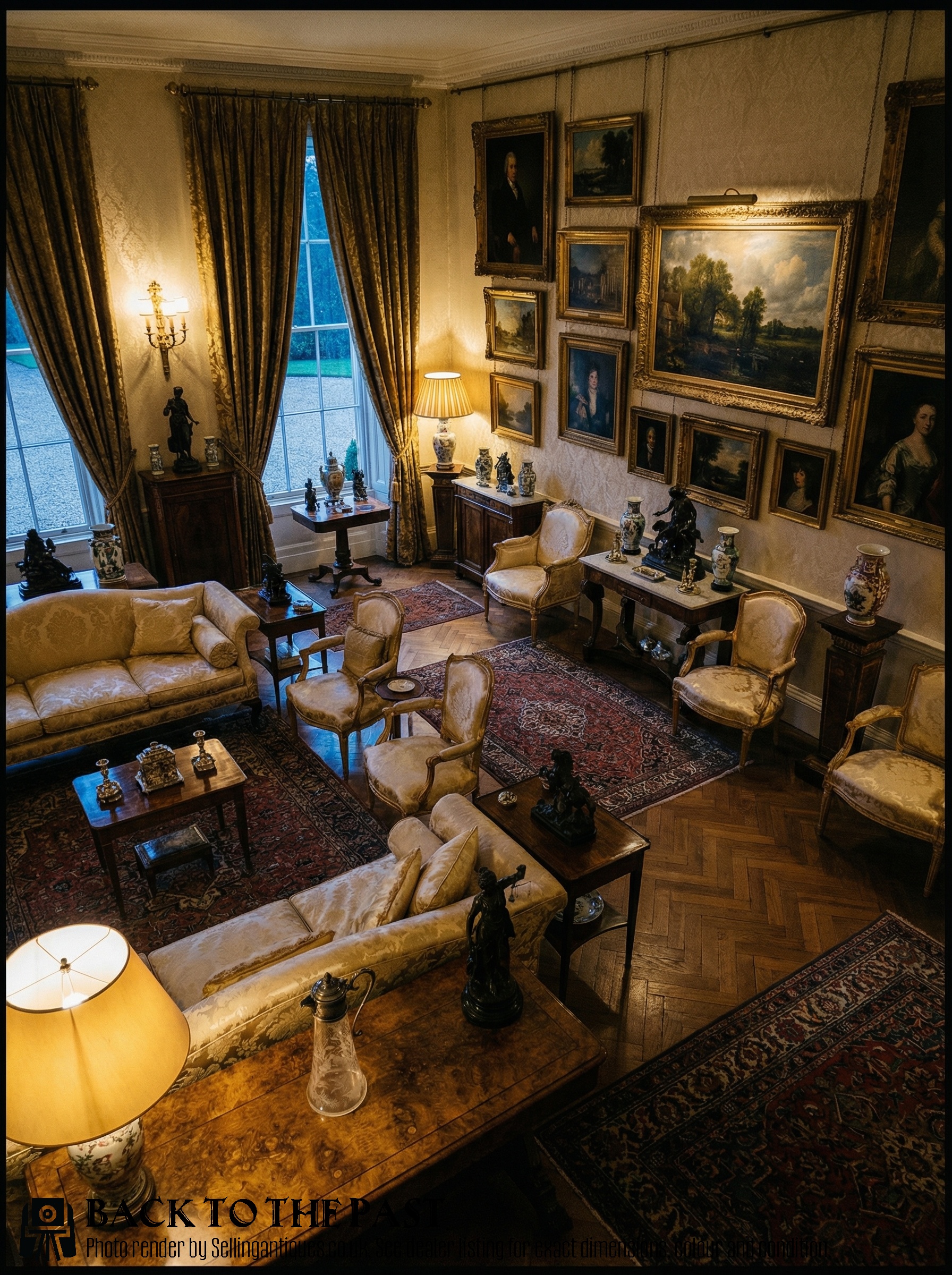
What clear cut glass decanter pieces are
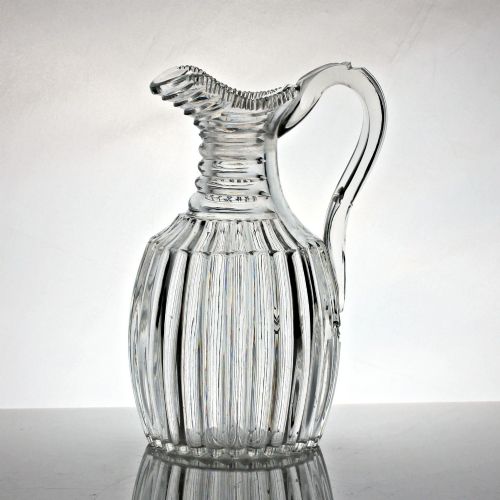
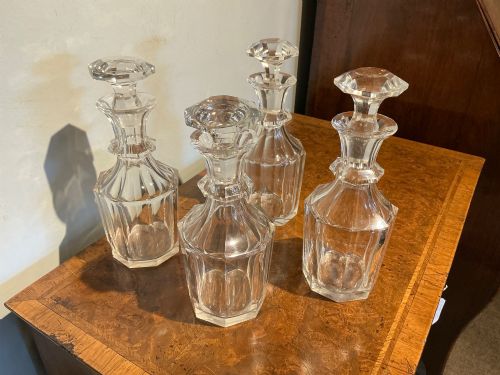
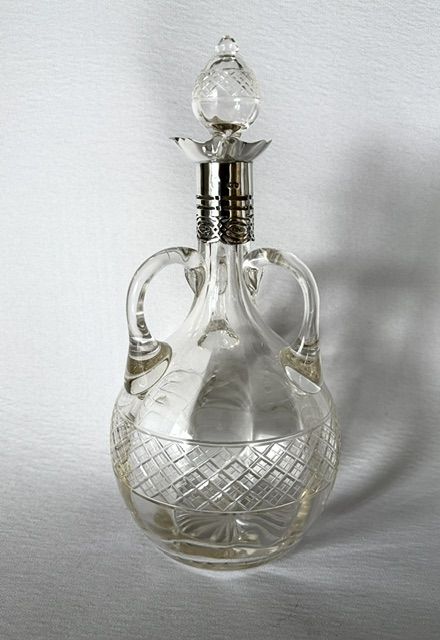
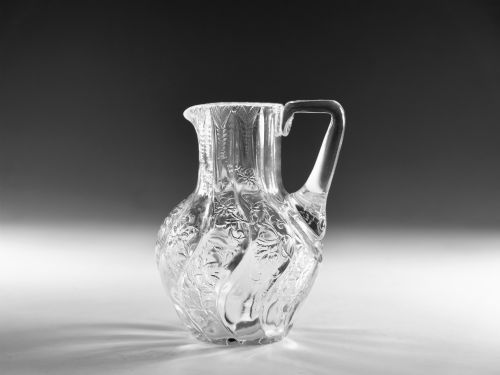
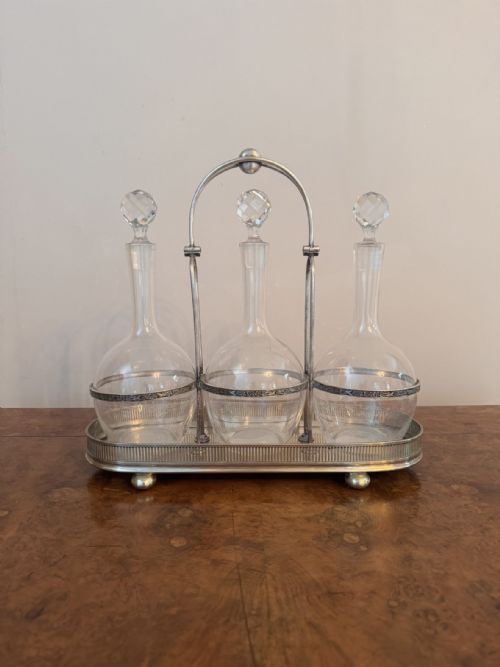
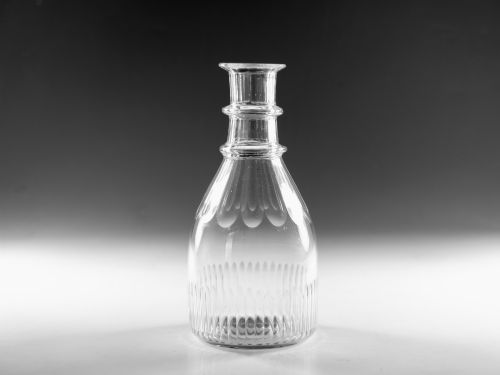
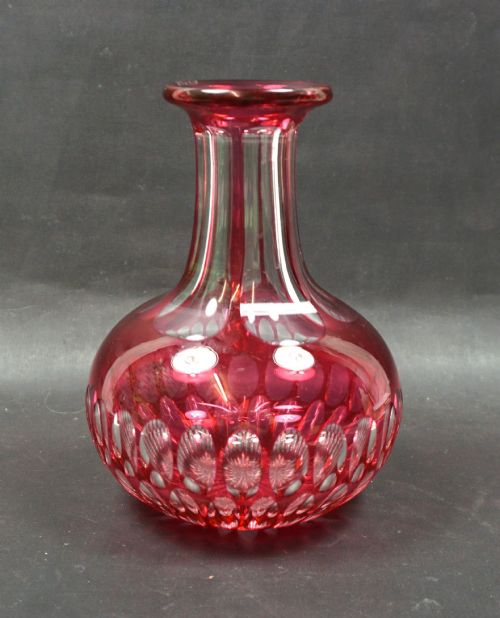
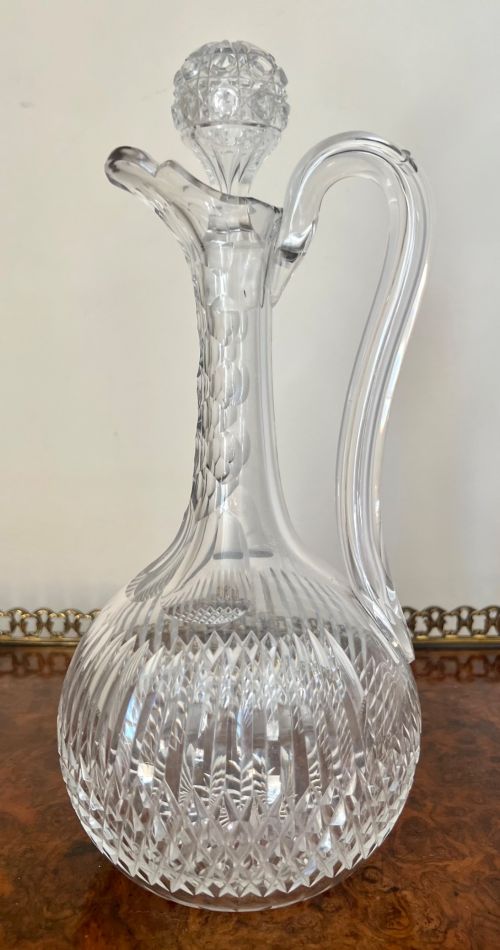
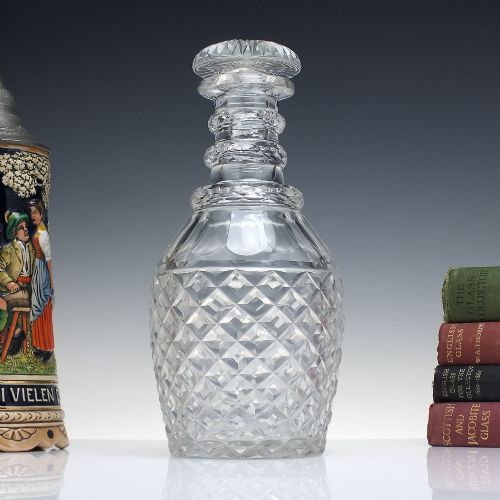
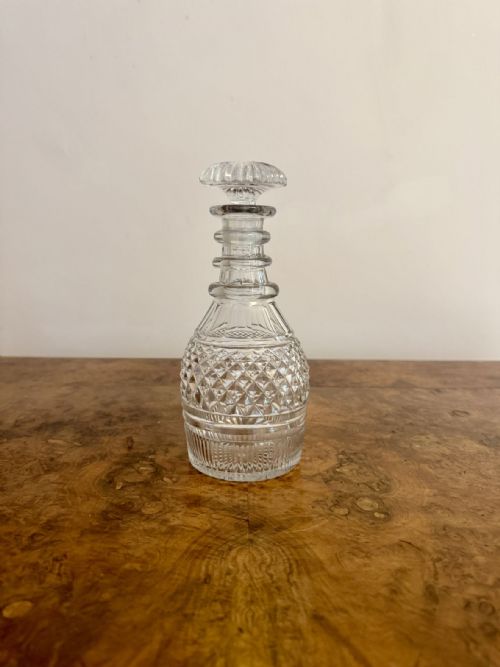
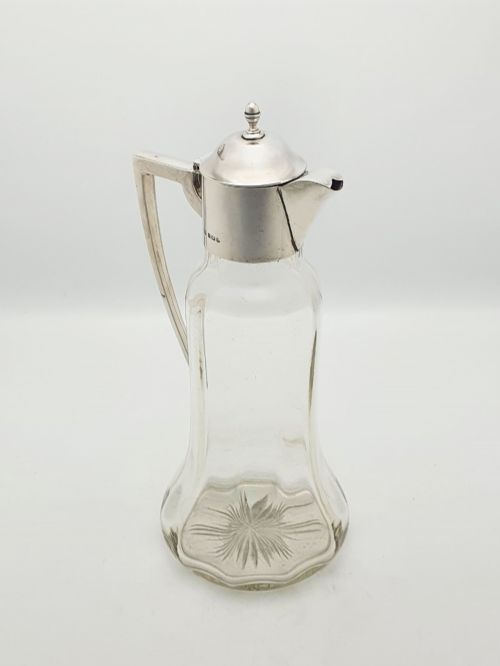
A clear cut glass decanter selection centres on Victorian and Edwardian drinking vessels alongside claret jugs, jugs and pitchers, and drinks sets on trays. You will frequently meet standalone decanters and matched sets from the late nineteenth and early twentieth centuries.
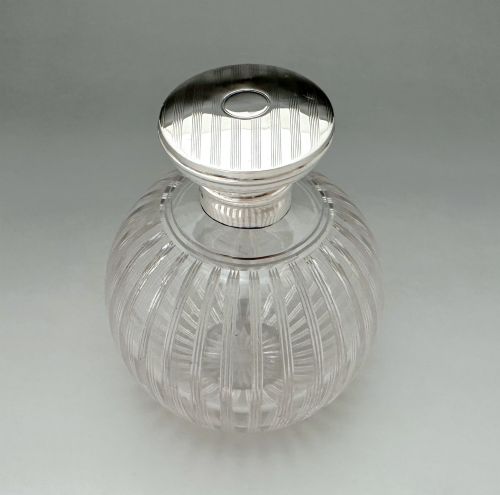
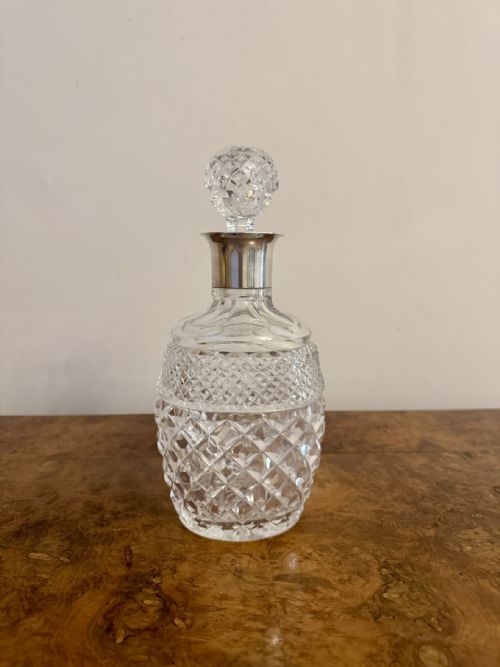
The objects take various forms including miniature champagne or liquor bottles and decanters paired with original silver plate or sterling silver mounts. These pieces served functional roles in period dining rooms and now function as decorative tableware.

How they were made
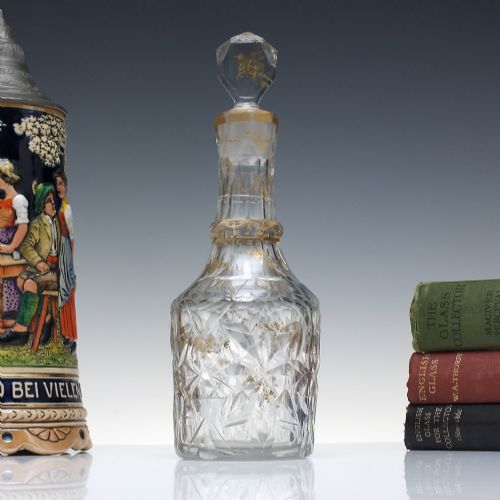
The makers utilised heavy lead crystal and cut glass, shaping the vessels through traditional glassblowing and wheel-cutting techniques. Surfaces feature intricate faceted cutting that catches the light from every angle.
Metalwork components incorporate sterling silver and silver plate, forming collars, handles, and bottle tops that secure firmly to the glass bodies. These mixed-media pieces combine skilled glass cutting with metal smithing.
Retail Price Guide 2026
Typical UK retail prices for clear cut glass decanter, calculated from the Sellingantiques database of over a million retail prices indexed since 2003. This retail price guide relies exclusively on Sellingantiques data; no external sources or auction records are used, so the figures do not describe the wider market.
What varies in quality
Quality rests in the crispness of the glass cutting and the weight of the lead crystal, where sharper facets create superior brilliance. Finer examples display deeper wheel-cut patterns that require greater skill from the artisan.
The integration of sterling silver or silver plated mounts also defines the tier of the piece, with heavier metalwork and secure original fittings marking out the superior specimens.
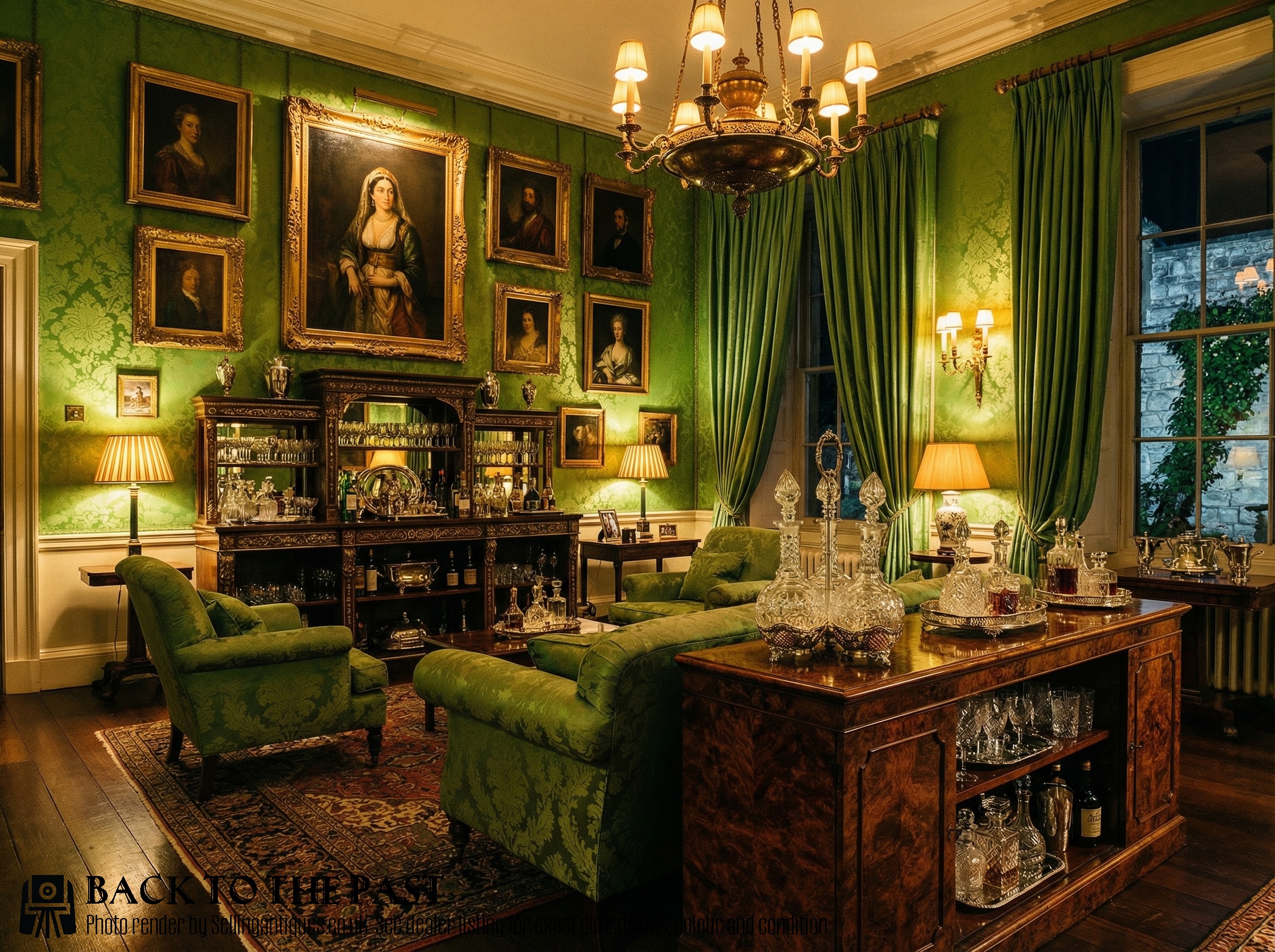
The Clear Cut Glass Decanter Glossary
- Lead crystal
- A high-clarity glass containing lead oxide, which increases the weight and refractive index to produce a brilliant sparkle.
- Claret jug
- A specialised pouring vessel designed specifically for serving red wine at the dining table, often fitted with a hinged metal lid.
- Sterling silver
- A precious metal alloy containing ninety-two point five percent silver by mass, utilised for high-quality bottle tops and mounts.
- Silver plate
- A base metal coated with a thin layer of pure silver, providing the appearance of solid silver for trays and mounts.
Frequently Asked Questions
What periods do these decanters come from?
The pieces originate from the Victorian and Edwardian eras, spanning the latter half of the nineteenth century up to nineteen hundred.
Such dates derive from stylistic indicators and mounting techniques typical of those decades.
How were these bottles used originally?
These vessels held wine, spirits, and liqueurs for serving during formal meals and evening gatherings in period homes.
Complete drinks sets on trays allowed hosts to present beverages alongside glassware directly to guests.
Are the metal mounts made of solid silver?
Mounts and tops vary between sterling silver and silver plate depending on the specific piece and its original maker.
Victorian examples frequently combine cut glass bodies with durable plated or solid silver hardware.
How do I care for antique glass decanters?
Wash them gently by hand in warm water using mild soap, avoiding harsh scrubbing that might scratch the surface.
Allow them to air dry completely before replacing any stoppers to maintain the clarity of the crystal.